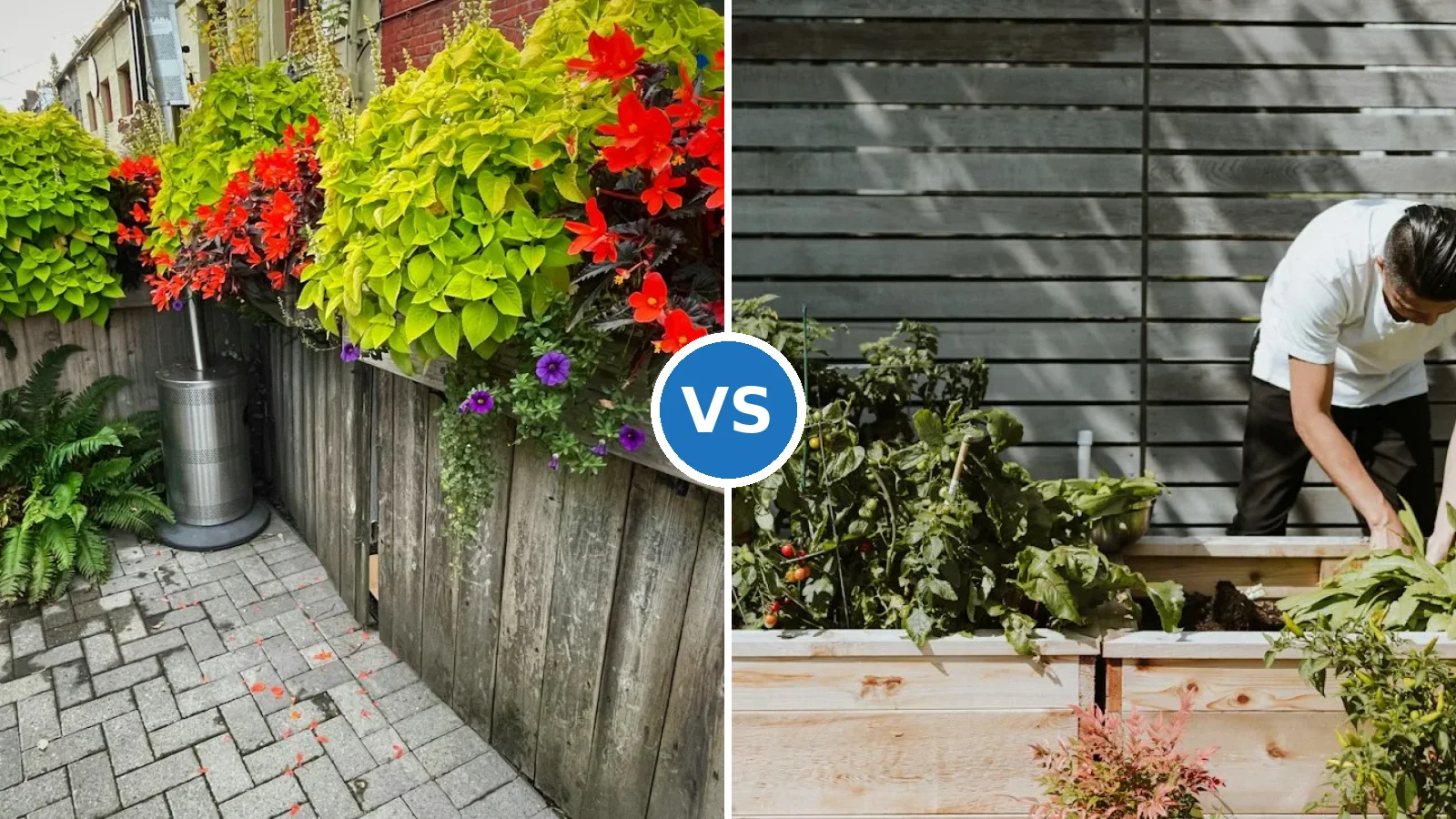
Weighing container garden vs raised bed options usually comes down to one question: do you need movable color on a patio, or a permanent place to grow food in the ground? Container gardens suit renters, patio owners, and anyone who wants seasonal displays, while raised beds suit gardeners who want to grow vegetables in soil they control.
Container garden vs raised bed basics
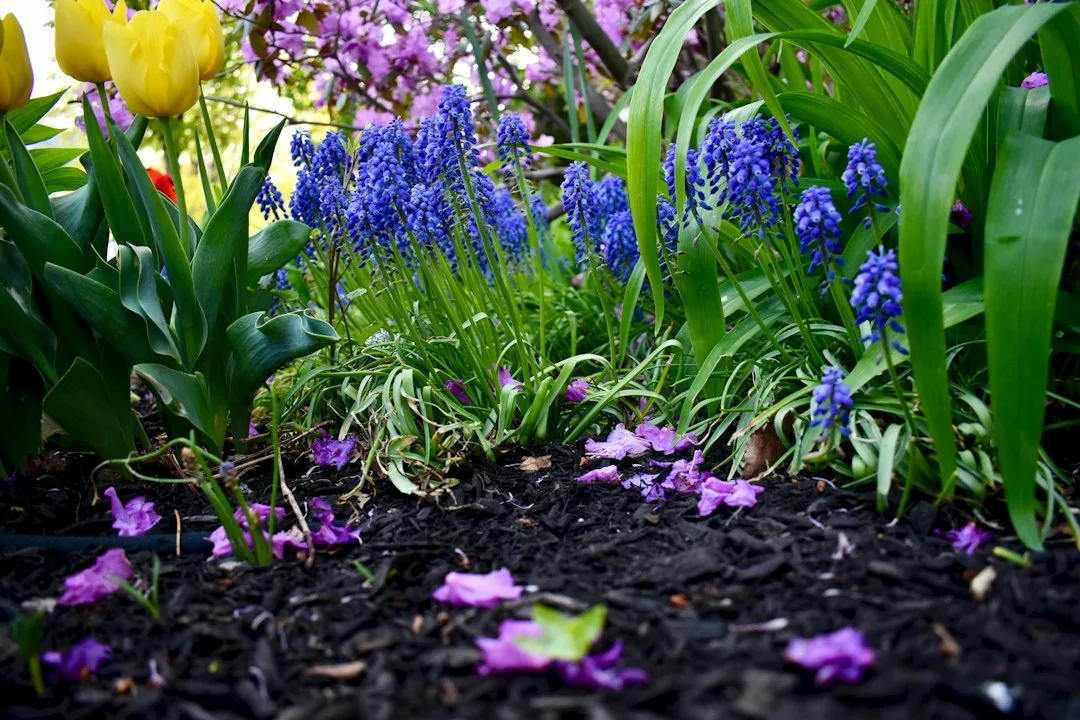
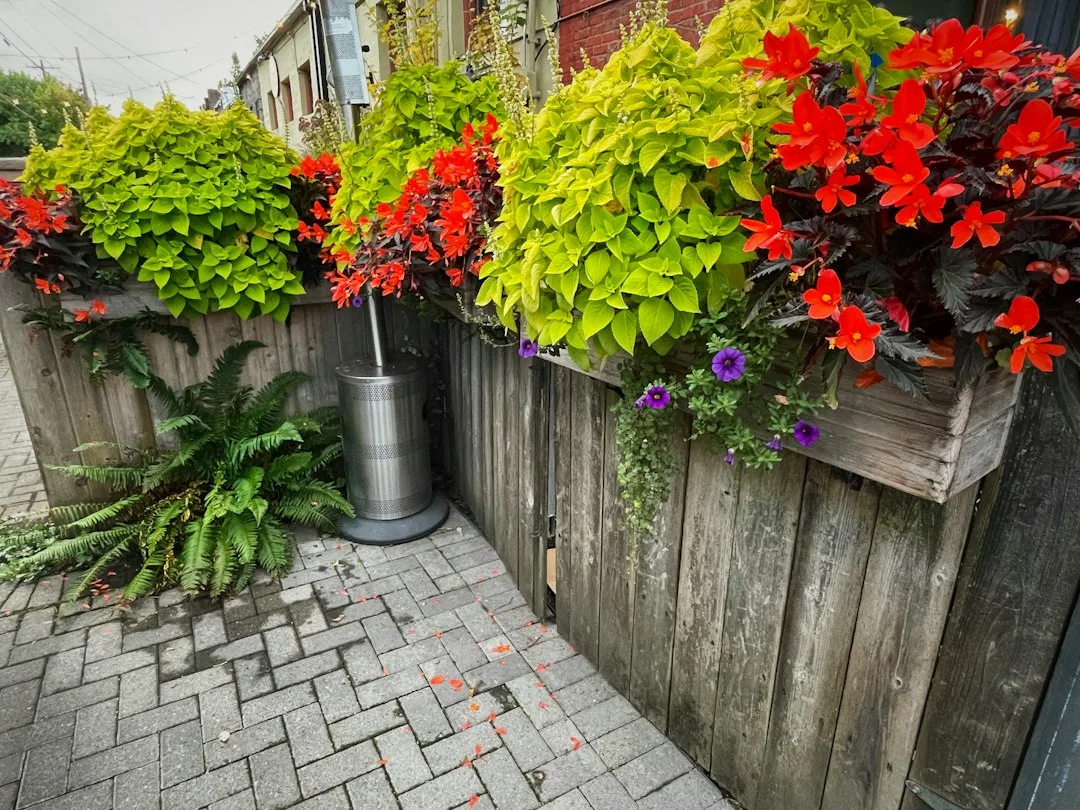
Container gardens are planted displays in pots, tubs, or planters that sit on patios, steps, and entries. A recent piece on autumn container designs shows how these displays are built around cold-hardy plants that keep performing into late autumn.
Raised garden beds are framed boxes filled with soil and set above the native ground, usually for vegetables and herbs. Our raised garden bed trend article explains why gardeners are moving out of tilled rows and into frames.
Quick Verdict
- Choose Container Gardens if you rent, have a patio or entry to decorate, or want autumn color that you can move around.
- Choose Container Gardens if you care more about seasonal styling than growing a large crop.
- Choose Raised Garden Beds if your yard drains poorly, especially in clay soil.
- Choose Raised Garden Beds if you want to grow vegetables with a permanent layout.
Head-to-head on look, care, and cost level
| Criteria | Container Gardens | Raised Garden Beds |
|---|---|---|
| Best setting | Patios, decks, steps, and entries | Backyard plots and narrow side yards |
| Drainage control | Depends on pot material and how often you check moisture | Sits 10 to 12 inches above ground and sheds standing water |
| Soil fill | Potting mix sized to pot depth, with deeper pots giving roots more room | Bagged bed mix or compost blend, with the top layer refreshed each spring |
| Seasonal flexibility | Swap or replant displays from late August into November | Fixed layout planted for the growing season |
| Structure lifespan | Pots and plants refreshed as seasons change | Cedar lasts roughly a decade in wet climates, and steel lasts longer |
| Best for growing food | Limited by pot depth | Strongest choice for vegetables |
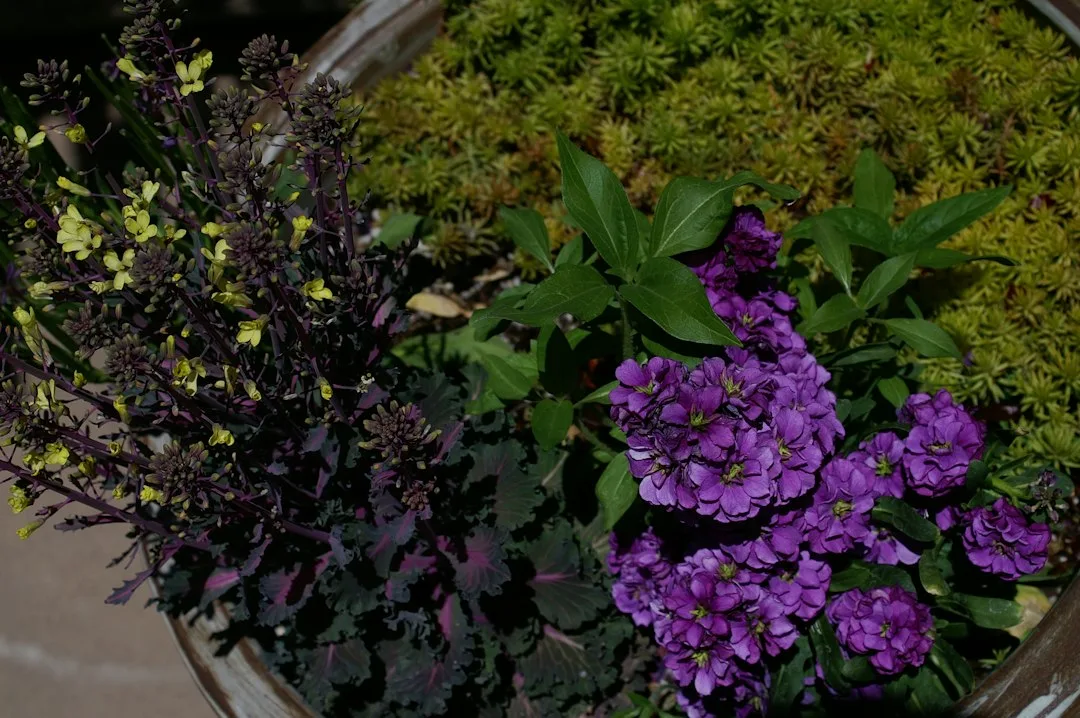
Look is where containers pull ahead. Layered textures from grasses, sedums, and ornamental kale keep a pot group readable well into November. Bloom-driven displays tend to fade much sooner.
Drainage and soil control favor raised beds. A bed that sits 10 to 12 inches above the ground sheds standing water after heavy rain. A pot depends on its material and on your watering habits.
Cost depends on timing. Containers are relatively inexpensive to start, but replanting every season adds up. A bed is a larger one-time build that can serve for years.
Where container gardens win
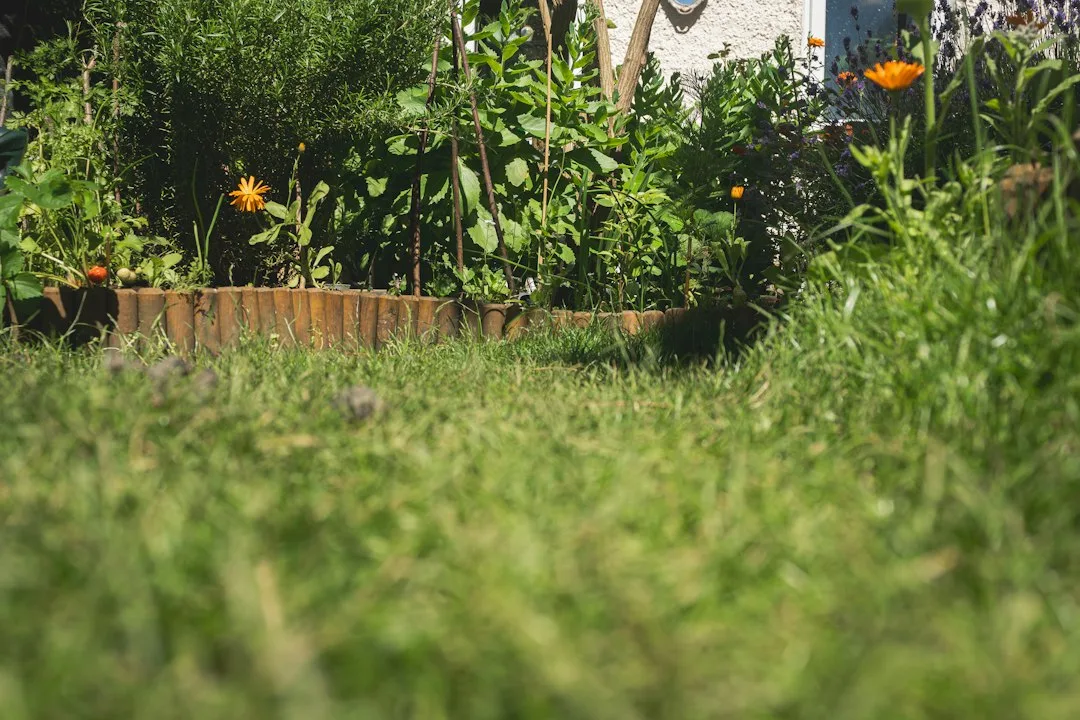
Containers move with you. If you rent, rearrange your layout, or want a display on a deck, you can reposition the pots without digging anything up. That flexibility is hard to match with a built bed.
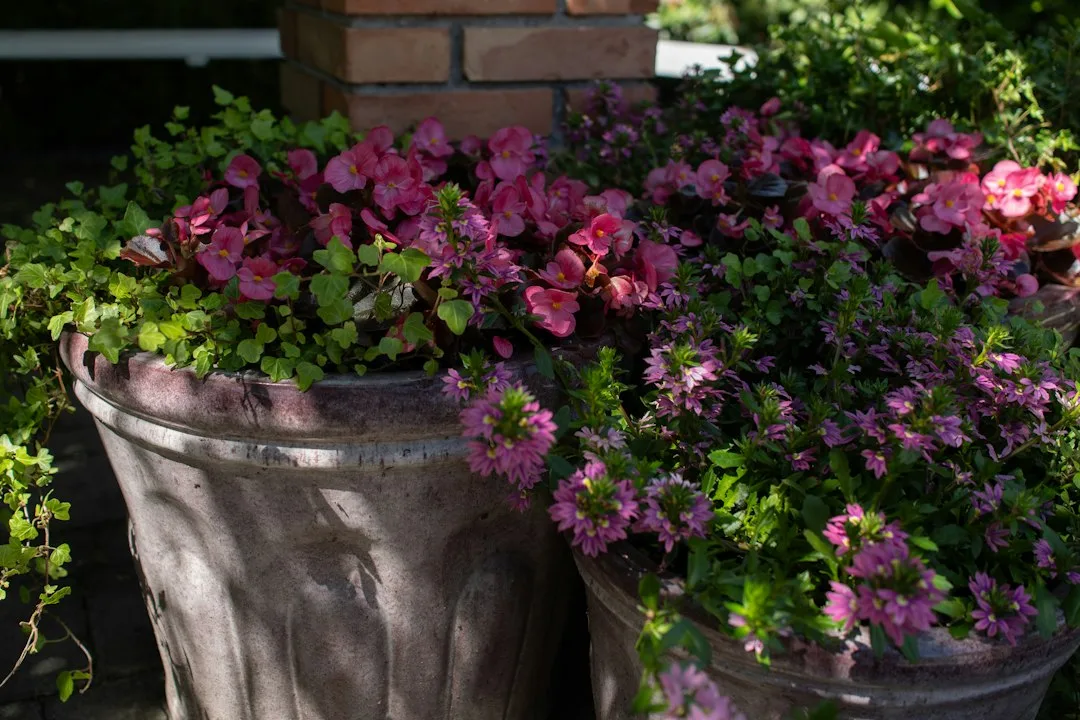
Autumn containers also reward careful planning. Planting by late August lets roots establish before frost arrives. A deeper pot gives roots more room, which suits sedums and ornamental grasses.
Material choice matters too. Resin or glazed ceramic pots hold steady moisture through cool days. Unglazed terracotta absorbs and releases moisture more quickly, which can work against you in fall.
Where raised garden beds win
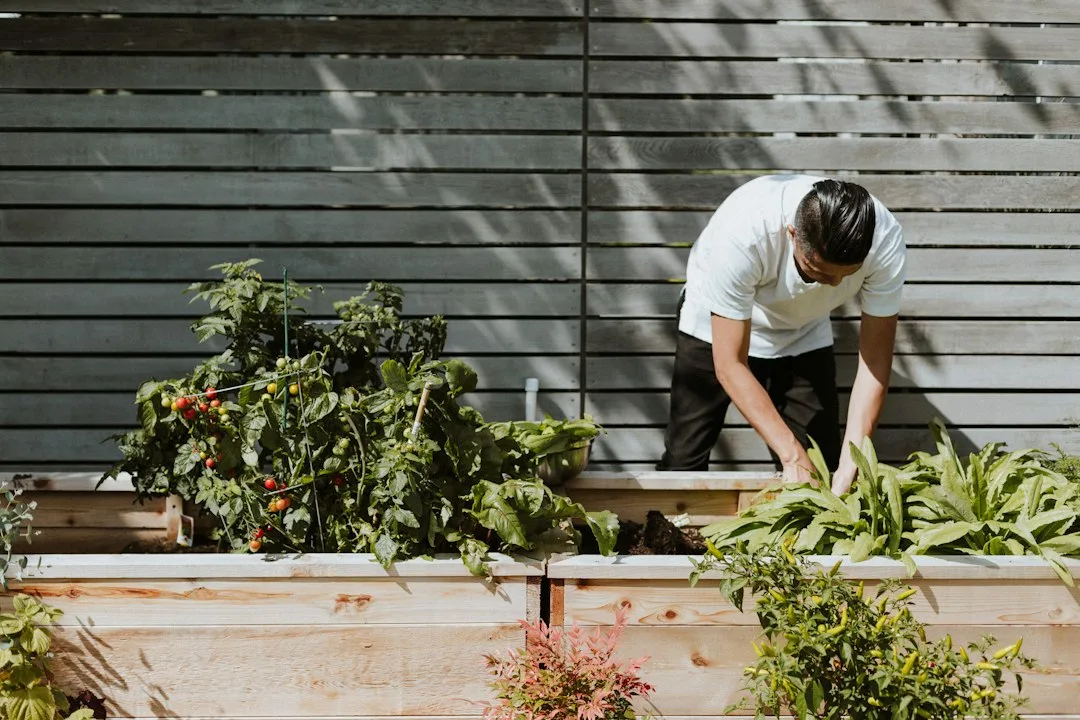
Raised beds beat containers for food. Raised soil warms faster in spring, so seeds can go in two or three weeks earlier than in a cold, wet plot. That head start can add harvests before summer heat arrives.
They also handle difficult ground. Clay-heavy yards that stay soggy around roots can become workable once the bed is raised. Few container setups offer that kind of soil control.
Beds can be sized to the space. Keep them narrow enough to reach the center, and leave room for walkways. Cedar offers a classic look, while galvanized steel lasts longer but runs hot in full afternoon sun.
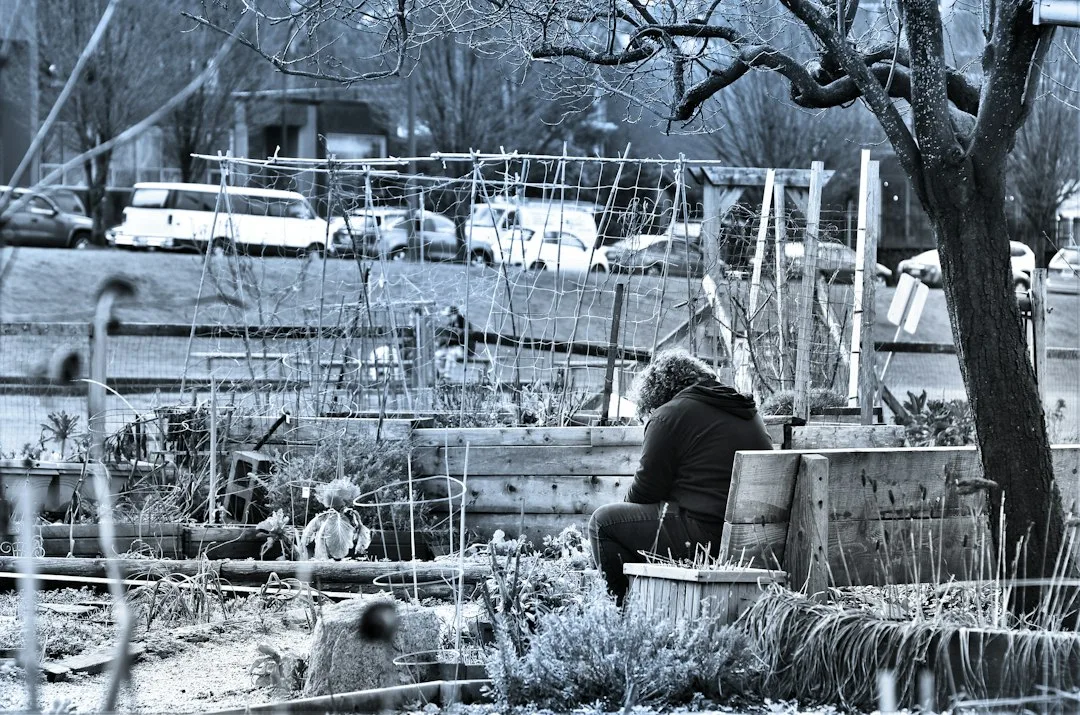
The mistake of filling beds with yard dirt
The most common failure is scooping soil from the yard into the box to save money. A homeowner on a clay-heavy lot might do exactly this, then wonder why nothing thrives. Yard soil is the real problem, not the plant variety.
Clay compacts over time. The bed then holds water after rain, roots stay shallow, and tomatoes can develop blossom end rot. The gardener blames the tomatoes when the fill was the cause.
The fix is a bagged bed mix such as Espoma Organic Potting Mix, or a blend of compost, topsoil, and aeration material. Refresh the top layer each spring, because soil settles faster in a box than in open ground.
Final verdict on who should choose which
Choose container gardens if your space is a patio, deck, or entry, you want autumn color, or you may move later. The pots give flexibility that a built bed rarely offers.
Choose raised garden beds if you want to grow vegetables, your yard drains poorly, or you want a permanent layout that lasts for years. Many gardeners use both, with pots for the entry and a bed for the kitchen crop. Pick by the space you have.