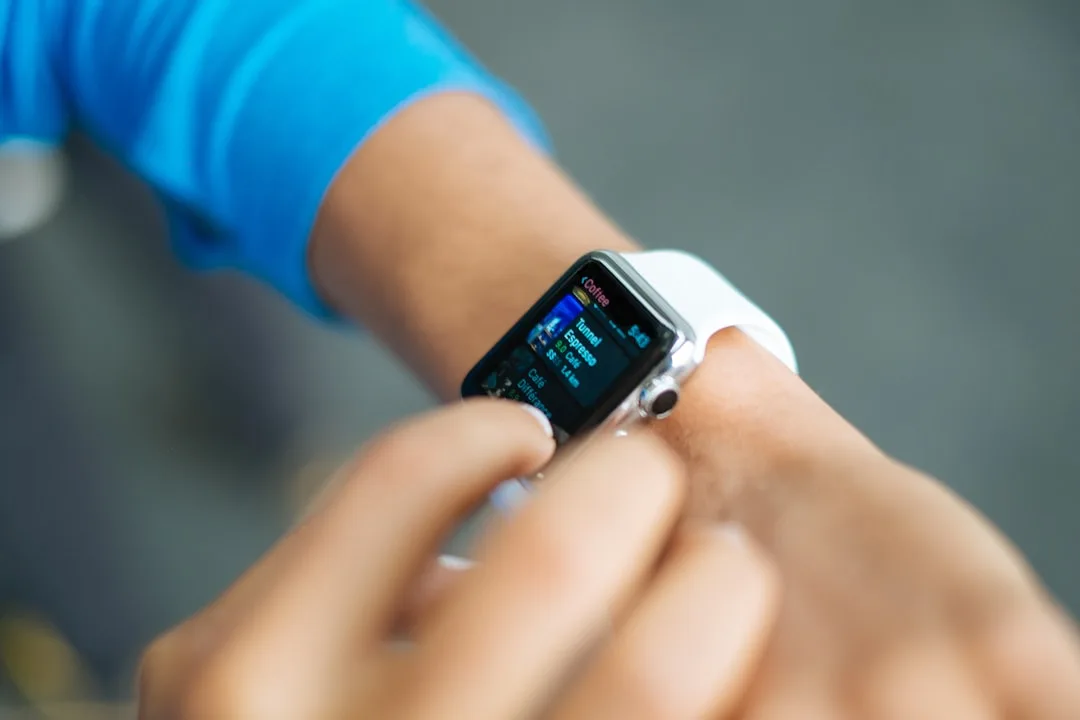
Over 40% of identity theft cases stem from centralized data breaches, yet most people still rely on passwords stored in cloud infrastructure they’ll never fully control. Decentralized identity verification wearables represent the first mainstream shift away from that vulnerability. Unlike smart home security systems that authenticate entry through your phone, these devices authenticate you—your actual biometric identity—without sending that data to corporate servers or intermediaries.
The technology stores encrypted credential data directly on a wristband, ring, or pendant using blockchain-backed protocols. When you need access—to your bank account, a flight check-in, or your office building—the device performs the verification locally and transmits only a zero-knowledge proof of identity, not your actual biometric data. This architecture eliminates the single point of failure that makes centralized password managers attractive but risky.
How Oura Ring and Apple Watch competitors entered the identity space
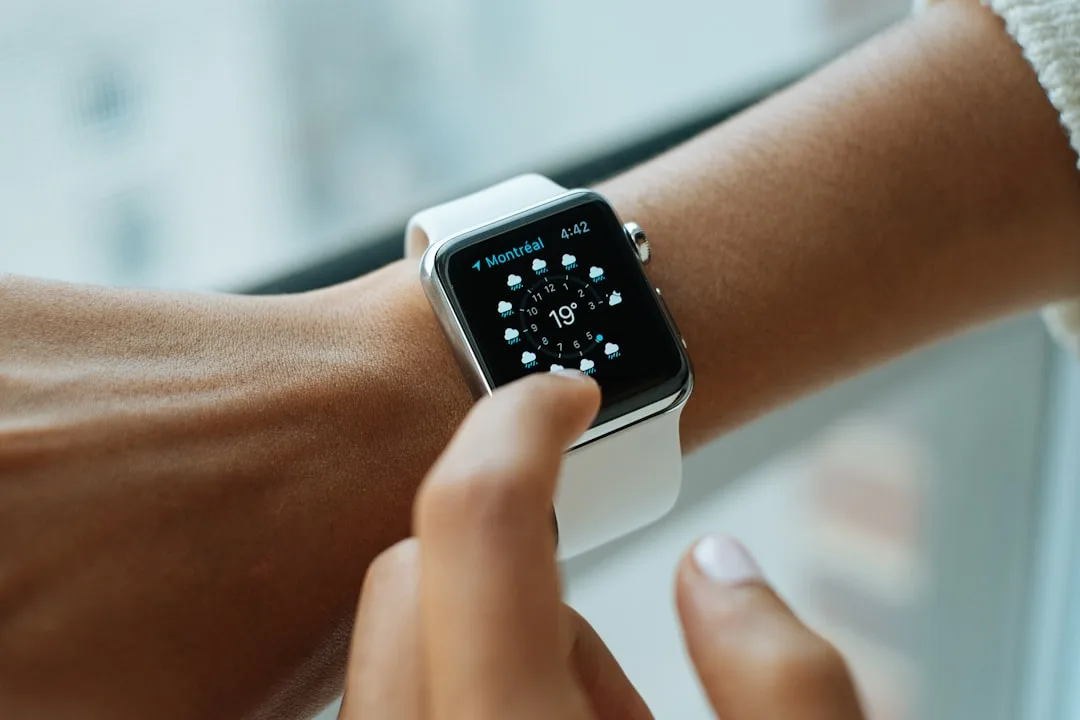
Oura Ring, traditionally known for sleep and heart-rate tracking, pivoted in Q2 2026 to include optional decentralized identity modules within its titanium-cased generation 5 model. The addition required no hardware redesign—only firmware enabling the existing secure enclave to manage identity credentials alongside health metrics. This dual-use approach proved the concept without asking users to adopt yet another device category.
Several startups filled the identity-first gap. Vault Wearables released a minimalist wristband in August 2026 priced in the $120–160 range with no health tracking, just identity storage and biometric verification. This focused approach attracted privacy-conscious professionals who rejected the sprawl of multi-sensor wearables. Meanwhile, established players like Fitbit delayed identity features, choosing to observe adoption curves before committing engineering resources.
The shift matters because it broke the false choice between “all-in-one tracking” and “nothing at all.” You could now carry identity verification separately from wellness data, or integrate both.
Quick Tips
- Always enable offline mode on your wearable to verify identity works without internet connection.
- Store backup recovery seeds in a physical vault, not digitally, in case your device fails.
- Check that your wearable uses open-standard protocols, not proprietary blockchain systems tied to one ecosystem.
- Test multi-device scenarios before relying on a single wearable for critical access (banking, healthcare).
Why decentralized identity verification wearables reduce breach exposure
Traditional centralized systems store millions of biometric templates in one database. When that database is compromised—as happened with major payment processors and government ID agencies—criminals gain access to immutable biometric data that can’t be reset like a password. Decentralized identity verification wearables eliminate that single honeypot by design.
Instead of your fingerprint living in a corporate vault, your wearable device performs the matching locally. The server never sees your actual fingerprint; it receives only a cryptographic proof that you are who you claim. This architecture reduces the attack surface from “infinite compromised records” to “one individual device compromise,” which you can replace without losing your identity across the ecosystem.
Yubikey-style hardware security keys proved this model for authentication, but they required active user behavior (pressing a button, inserting into a port). Wearables add passive convenience: your wrist is always with you, and verification happens automatically when you’re in range of a compatible reader.
| System Type | Data Storage | Breach Risk |
|---|---|---|
| Centralized password manager | Corporate servers | High—all credentials exposed |
| Decentralized wearable | On-device secure enclave | Low—only one device compromised |
| Biometric database | Government/enterprise vault | Extreme—biometric immutable |
| Multi-factor wearable | Device + blockchain backup | Very low—distributed recovery |
The mistake people make with decentralized wearable setup
The most common failure occurs when users treat decentralized wearables as a complete replacement for passwords without setting up recovery access. When the device battery dies or is lost, they have no fallback authentication method. One bank executive in London couldn’t access his accounts for six hours because he’d disabled his backup SMS verification, assuming the wearable was sufficient.
This isn’t a flaw in the technology; it’s a missed safeguard. Decentralized identity works best as a layered system: wearable as primary access, backup biometric (like your registered fingerprint on a phone), and a recovery seed stored separately. Skipping the backup layers defeats the redundancy that makes any critical authentication system reliable.
The correct approach requires discipline. Treat recovery credentials like physical keys to a safe: secure, documented, and not in the same place as your primary device.
Integration with banking, travel, and workplace access in 2026
Three industries adopted decentralized identity verification wearables fastest by September 2026. Banking apps from Revolut, N26, and Goldman Sachs’ Marcus platform all released wearable integration that let you approve transactions through your wrist device instead of phone passcodes. The UX advantage was obvious: no more fumbling for a phone during checkout; the wearable authenticates while your hands remain free.
Airlines led the travel sector. British Airways and Singapore Airlines enabled wearable check-in and boarding pass verification. A traveler could approach a gate reader with their Oura Ring or Vault wearable, and the device would unlock their boarding pass and passport data in encrypted form. No phone needed. No airport staff accessing your records—only the device releasing what the gate reader needed to validate your journey.
Workplaces integrated the technology for building access and badge-free entry. Major corporate campuses from Meta offices in London to financial firms in Singapore deployed compatible door readers throughout 2026. Employees replaced RFID badges with their wearable, eliminating lost badge fees and badge cloning attacks.
What unified all three sectors was speed of implementation. Banks and airlines didn’t need to rebuild backend systems; they incorporated new wearable authentication as an additional channel parallel to existing methods. Redundancy preserved security during the transition.
Privacy and regulatory challenges emerging in mid-2026
The UK Information Commissioner’s Office began issuing guidance in July 2026 about how decentralized wearables must still comply with GDPR, even though data never touches central servers. The detail mattered: users must be able to audit which systems have verified their identity, and they must have the right to delete those audit logs.
This created a tension. Immutable blockchain records of transactions offer security; audit trails required by regulators offer transparency. Companies like Vault Wearables built hybrid models: the wearable stores transaction logs locally, and users can review or selectively share those records with regulators without exposing the underlying biometric key.
Data minimization became a competitive differentiator. Wearables that transmitted only zero-knowledge proofs (mathematical verification without actual data) were marketed as GDPR-compliant by default, while systems that cached any personal information faced scrutiny. As we discuss in Shaping the Future of Safe Digital Interaction, user control over personal data verification will define trust in the next decade of security technology.
By September 2026, no major breaches of decentralized wearable systems had been publicly reported, though security researchers continued testing edge cases. The absence of a dramatic failure meant adoption proceeded with measured optimism rather than hype.