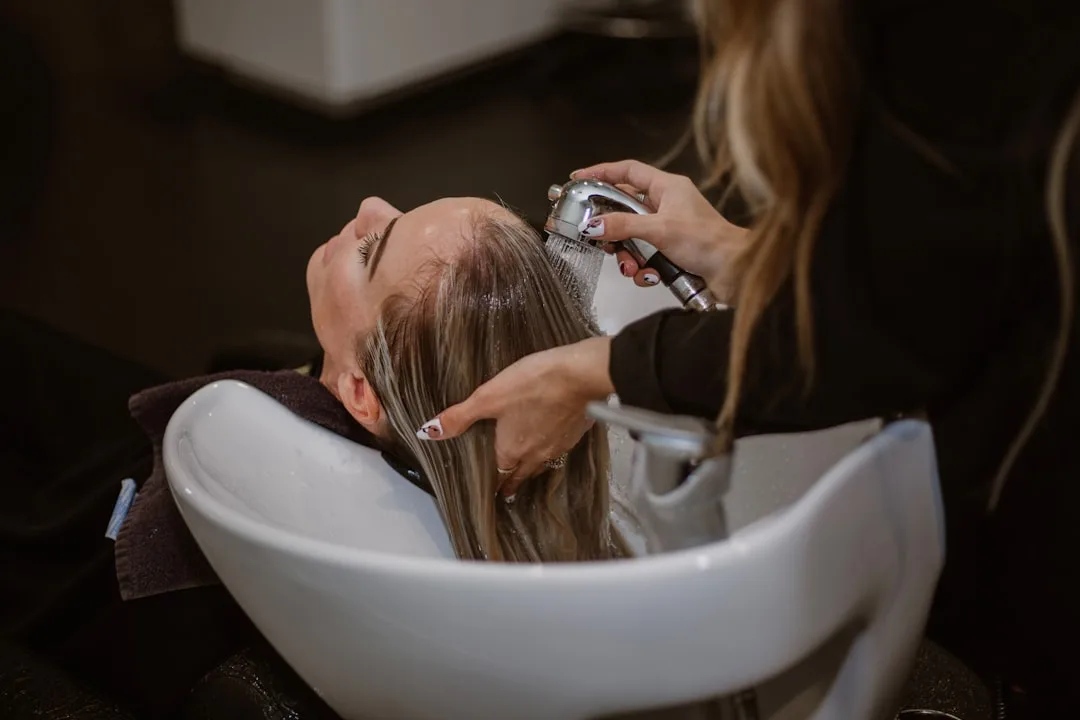
The Science Behind Scalp Health and Hair Growth
Modern dermatology has revealed that scalp health is the foundation for strong, vibrant hair. The scalp contains thousands of hair follicles, each requiring proper blood circulation, moisture balance, and microbial equilibrium to function optimally. When the scalp becomes irritated, dry, or oily, the entire hair growth cycle can be disrupted, leading to premature shedding and thinning.
The scalp’s pH balance plays a crucial role in maintaining its protective barrier. A healthy scalp maintains a slightly acidic environment that prevents bacterial overgrowth while supporting beneficial microorganisms. Harsh shampoos and frequent washing can strip away natural oils, disrupting this delicate balance and causing inflammation that weakens hair at the root.
Common Scalp Conditions Affecting Hair Quality
Dandruff, seborrheic dermatitis, and psoriasis are among the most prevalent scalp conditions affecting millions of people worldwide. These conditions create visible flaking and discomfort while simultaneously damaging the hair shaft. Many people treat only the symptoms with medicated shampoos rather than addressing the underlying scalp health issues that cause these problems to recur.
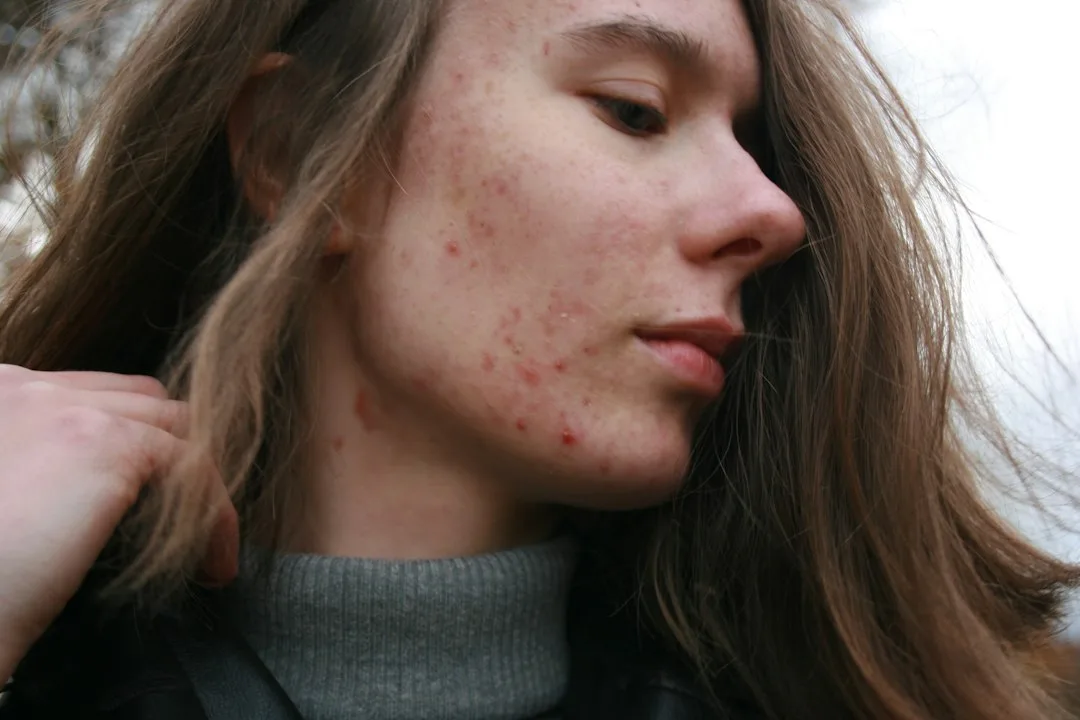
Scalp inflammation, often invisible to the naked eye, can persist for months or years without proper diagnosis. This chronic irritation weakens hair follicles from within, resulting in brittle, lifeless hair that breaks easily and fails to grow to full length. Understanding your specific scalp condition is the first step toward meaningful improvement.
Scalp Care Products That Actually Work
The scalp care market has evolved significantly beyond basic shampoos and conditioners. Targeted serums, tonics, and specialized treatments now address specific scalp concerns with active ingredients designed to penetrate the scalp barrier. These products often focus on reducing inflammation, balancing oil production, and promoting healthy microbial diversity rather than simply cleansing.
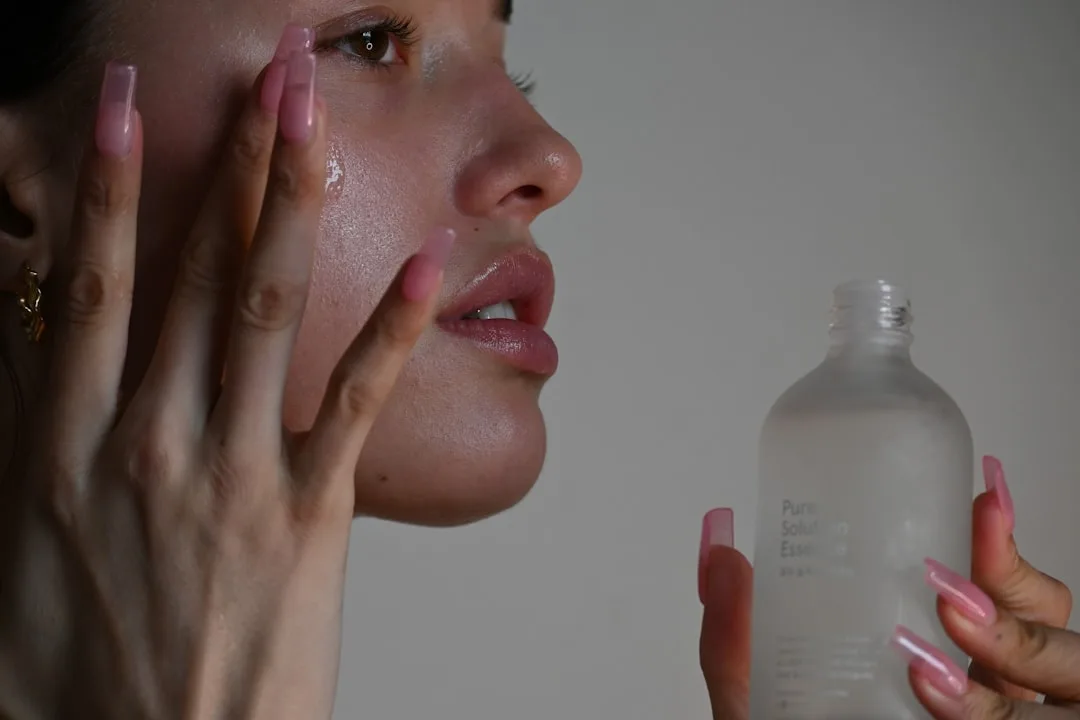
Interestingly, the principles behind effective scalp care align with broader skincare trends. Just as hydrating face mists replaced traditional toners in mid-year skincare, scalp hydration products are shifting away from one-size-fits-all solutions toward personalized treatments that respect the scalp’s natural ecosystem. Ingredients like hyaluronic acid, niacinamide, and plant-based extracts are becoming scalp care staples.
Lifestyle Factors That Impact Scalp Health
Stress, diet, sleep quality, and hydration levels directly influence scalp condition and hair growth cycles. High stress increases cortisol production, which can trigger inflammation throughout the body, including the scalp. Similarly, nutritional deficiencies—particularly in iron, zinc, and B vitamins—manifest as poor scalp health and weakened hair growth.
Environmental factors such as pollution, hard water, and UV exposure also contribute to scalp damage over time. Regular scalp massages improve blood circulation to hair follicles, while maintaining consistent moisture intake supports overall skin and scalp hydration. These lifestyle modifications work synergistically with targeted products to create lasting improvements.
Building Your Complete Scalp Care Routine
An effective scalp care routine requires more than weekly treatments—it demands consistency and the right product combinations. Start with a gentle cleanser that removes buildup without stripping natural oils, followed by a scalp-specific toner or essence that balances pH and prepares the scalp for treatment. The clean girl makeup dominates May 2026 beauty trends globally, and a similar philosophy of minimal, effective products is transforming scalp care routines worldwide.
Weekly scalp masks or treatments should target your specific concern, whether that’s inflammation, dryness, excess oil, or sensitivity. Finish with a lightweight scalp serum that protects and nourishes without weighing hair down. Most importantly, give your scalp routine at least four to six weeks before expecting visible results—hair growth cycles operate on longer timelines than facial skin care.
Professional scalp analysis from a dermatologist can identify underlying conditions that over-the-counter products alone cannot resolve. Combining professional guidance with a personalized home routine creates the optimal environment for healthy hair growth and long-term scalp wellness.
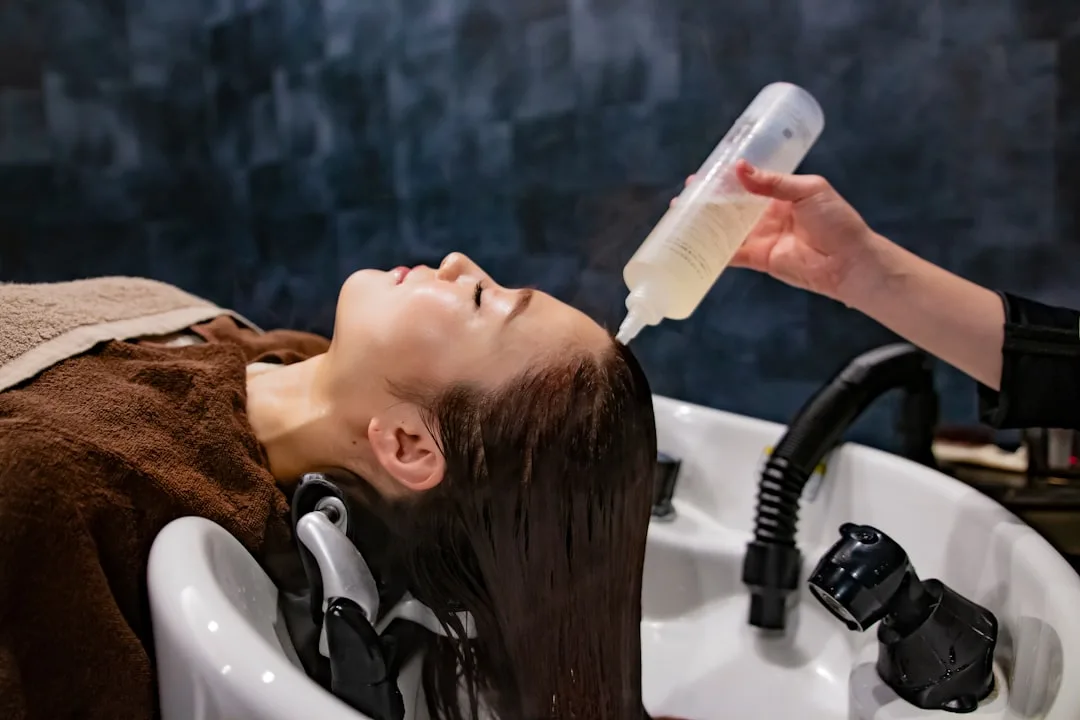
Integrating scalp care into your existing hair routine
Many people already invest time and money into hair care products, making scalp integration feel like an additional burden. However, effective scalp care often simplifies your routine rather than complicating it by consolidating multiple steps into dual-purpose products. A scalp-focused shampoo like Nizoral or Vanicream can replace your regular cleanser if you struggle with dandruff or sensitivity, eliminating the need for separate treatments.
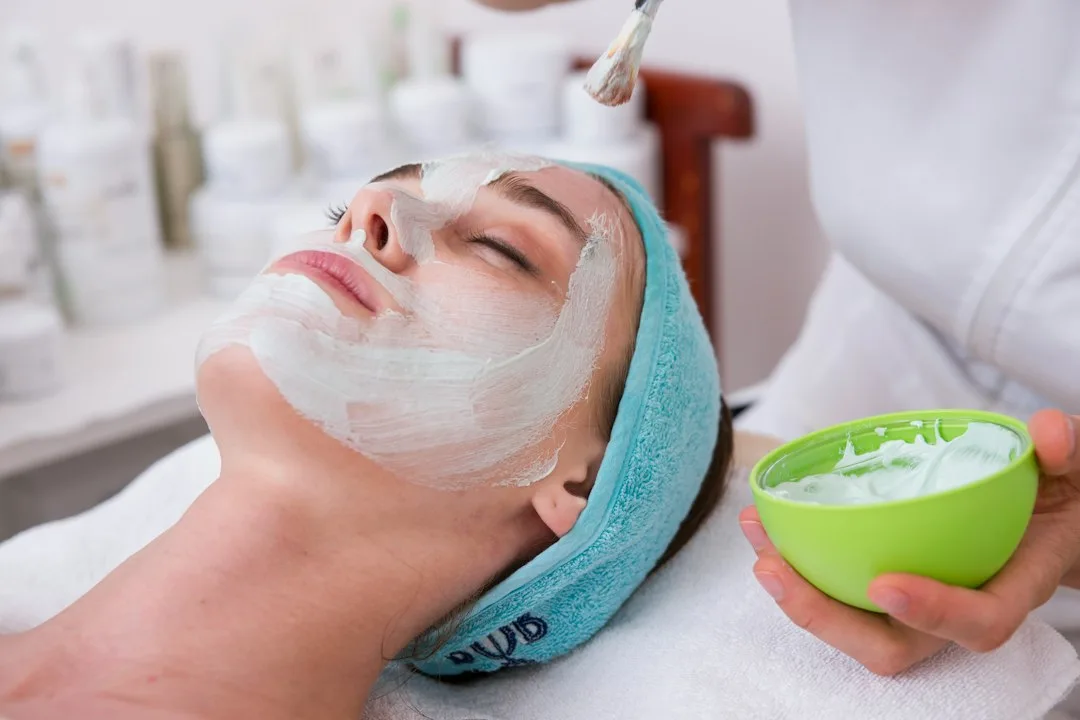
The timing of scalp treatments matters as much as the products themselves. Applying a scalp mask while you shower allows the warm water and steam to open pores, enhancing absorption and effectiveness. Some people find success using scalp serums immediately after showering on damp hair, when the scalp is most receptive to topical ingredients like niacinamide or hyaluronic acid.
Consider the order of application when combining scalp treatments with hair styling products. Always apply scalp serums and treatments to dry or barely damp scalp areas before using leave-in conditioners, oils, or styling products on the hair lengths. This prevents product buildup and ensures active ingredients reach the scalp rather than coating the hair shaft.
Environmental and lifestyle factors that complement scalp care products
Topical products alone cannot overcome the impact of stress, sleep deprivation, or poor nutrition on scalp health. Chronic stress triggers inflammation throughout the body, including the scalp, potentially accelerating hair loss or triggering conditions like telogen effluvium. Prioritizing seven to nine hours of quality sleep allows your body to redirect energy toward hair follicle maintenance and growth during rest cycles.
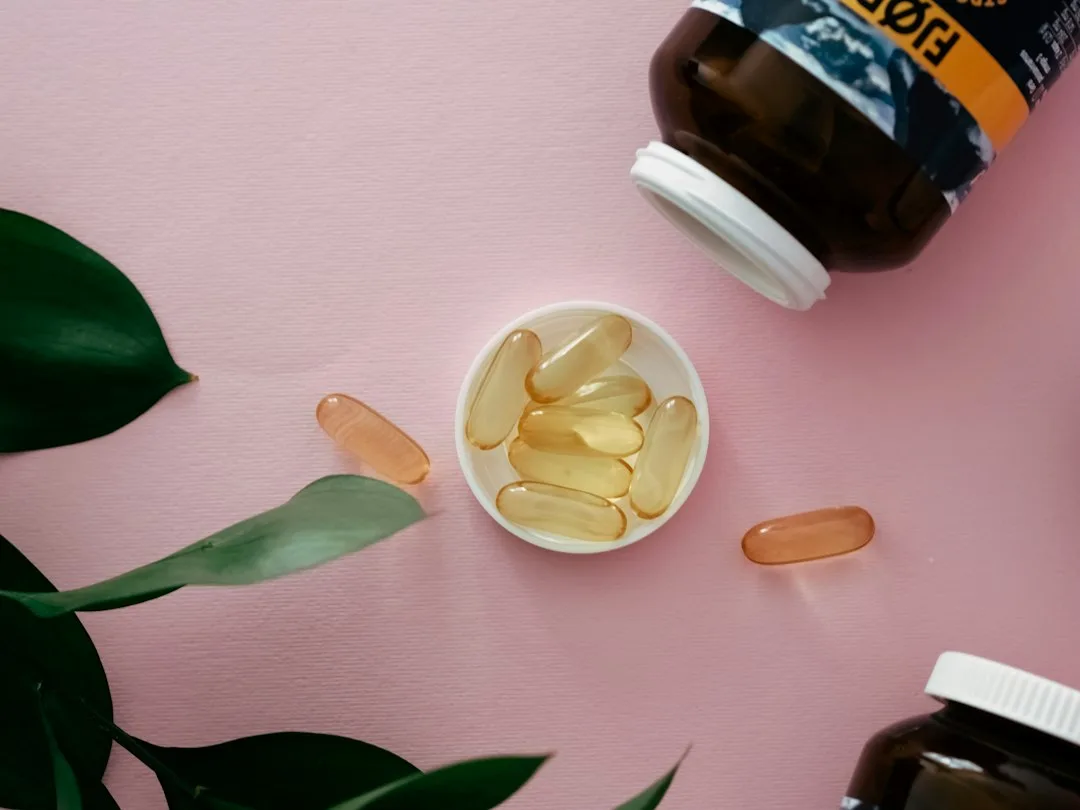
Dietary factors directly influence scalp and hair health through nutrient delivery to hair follicles. Iron, zinc, biotin, and amino acids support keratin production and hair strength, while omega-3 fatty acids reduce scalp inflammation. Rather than relying solely on supplements, incorporating foods like salmon, eggs, spinach, and lentils into your regular meals provides these nutrients in bioavailable forms your body readily absorbs.
External environmental stressors like chlorine, hard water, and pollution accumulate on the scalp over time, interfering with product efficacy. A chelating shampoo used monthly removes mineral buildup that regular cleansers cannot address, allowing treatment products to penetrate more effectively. If you swim regularly, rinsing your hair with fresh water immediately before entering the pool creates a protective barrier that prevents chlorine absorption.
Humidity levels, seasonal changes, and temperature fluctuations all impact scalp oil production and skin barrier function. Many people notice their scalp condition shifts between seasons, requiring temporary adjustments to their routine. During winter months when heating systems dry the air, you might benefit from more frequent scalp masks, while summer humidity may call for lighter serums and more frequent cleansing.
Gentle hair handling practices protect both your scalp and hair strands from unnecessary stress. Using a microfiber towel or cotton t-shirt instead of a regular towel reduces friction and breakage at the scalp area. Wide-tooth combs applied to damp hair minimize pulling and tension that can trigger traction alopecia or scalp irritation, particularly for people with curly or textured hair.