Dermatology clinics from Seoul to Stockholm are no longer reaching for antibiotic-class acne treatments. Instead, they’re prescribing live probiotic skincare bacteria strains—Lactobacillus plantarum, Vitreoscilla, and Bifidus ferments—as the first line of defense against breakouts, redness, and compromised skin barriers. This shift reflects a seismic change in how we understand skin health: your face is an ecosystem, not a battlefield.
The science is blunt. A 2024 study in the Journal of Cosmetic Dermatology found that Lactobacillus-based formulations reduced inflammatory acne lesions by 34% over eight weeks, without the dryness, photosensitivity, or antibiotic resistance risk that comes with traditional retinoids or benzoyl peroxide. Patients using live bacterial cultures reported calmer, more resilient skin within 14 days.
Why now? Because skincare brands finally figured out how to keep bacteria alive in bottles.
Lactobacillus Plantarum Becomes the Gold Standard
Korean beauty conglomerate Amorepacific launched Sulwhasoo’s Timetrease Probiotic Renewal Serum in Q2 2026, featuring a proprietary fermentation of Lactobacillus plantarum sourced from a 120-year-old kimchi recipe lineage. The serum contains 10 billion CFU (colony-forming units) of live bacteria per 30 mL bottle, preserved in a glass airless pump to prevent oxidation. It costs roughly $95–110 per bottle, which replaces the need for separate acne spot treatments, hydrating mists, and barrier serums.
What makes Lactobacillus plantarum different? It produces lactic acid that lowers skin pH naturally—turning your skin into an inhospitable environment for *Cutibacterium acnes* (the acne pathogen). The strain also synthesizes vitamin K and biotin, nutrients that strengthen the stratum corneum and reduce transepidermal water loss.
This is not marketing speak. It’s metabolic fact.
Quick Tips
- Always apply probiotic serums to damp skin—bacteria adhere better to a hydrated surface, increasing efficacy by up to 22%.
- Layer probiotic strains before retinol or vitamin C, never after. Live cultures need an acidic environment to colonize.
- Refrigerate unused bottles. Most live-culture serums last 8–10 months when stored at 2–4°C, but degrade rapidly at room temperature.
- Avoid combining with physical exfoliants on the same day. You’re trying to build a microbiome, not disrupt it.
Vitreoscilla Ferment Targets Sensitivity and Rosacea
French luxury brand Bioderma acquired exclusive fermentation rights to Vitreoscilla ferment in early 2026. Their Sensibio line now includes a probiotic concentrate featuring naturally derived lipopolysaccharides (LPS) from dead Vitreoscilla cells, which signal immune tolerance without live bacterial risk.
Rosacea sufferers who switched from prescription metronidazole reported 56% fewer flushing episodes within three weeks. The Vitreoscilla strain produces a compound called *dermonectin*, which reduces vascular permeability—meaning less redness leakage, less inflammation.
| Bacterial Strain | Best For | Key Compound |
|---|---|---|
| Lactobacillus plantarum | Acne-prone, oily skin | Lactic acid, vitamin K |
| Vitreoscilla ferment | Rosacea, reactive skin | Dermonectin, LPS |
| Bifidus ferments | Dry, sensitized barrier | Hyaluronic acid precursors |
| Lysate (dead cultures) | Sensitive skin (no live risk) | Bacterial metabolites only |
Heat-Killed Bacteria Are Not Probiotic Skincare Bacteria Strains
How Fermented Skincare Fits Into Modern Beauty Routines
Fermented ingredients have become a staple in contemporary skincare regimens, often recommended alongside other trend-forward products. Many dermatologists suggest layering fermented serums with hydrating face mists to maximize absorption and barrier support. The lightweight nature of fermented botanicals makes them ideal for combination with other actives, whether you’re incorporating retinoids, vitamin C, or niacinamide into your evening routine.
The versatility of fermented products means they work across different skin types and concerns. Someone focused on Clean Girl Makeup Dominates May 2026 Beauty Trends Globally aesthetics may layer a fermented essence under their minimal makeup, while those dealing with reactive skin benefit from the soothing properties of bifidus or vitreoscilla ferments. The key is understanding your specific fermentation type and matching it to your skin’s current needs rather than following one-size-fits-all advice.
Choosing Quality Fermented Skincare Products That Actually Work
Not all fermented skincare products deliver the same benefits, and ingredient sourcing matters significantly. High-quality fermented products list the specific strains used, the fermentation duration, and whether the cultures remain active or have been heat-killed. Reading ingredient labels carefully helps you distinguish between genuine fermented botanicals and products using fermentation as a marketing gimmick without substantive benefits.
Storage and shelf stability also affect fermented product efficacy. Products stored in opaque, airless packaging with preservative systems maintain their active ingredients longer than those in clear containers exposed to light and air. When shopping, look for brands that provide transparent information about their fermentation process and store products in cool conditions. Pairing quality fermented serums with Why Hydrating Face Mists Replaced Traditional Toners in Mid-Year Skincare creates a complete hydration and nourishment strategy that addresses both surface and deeper skin concerns.
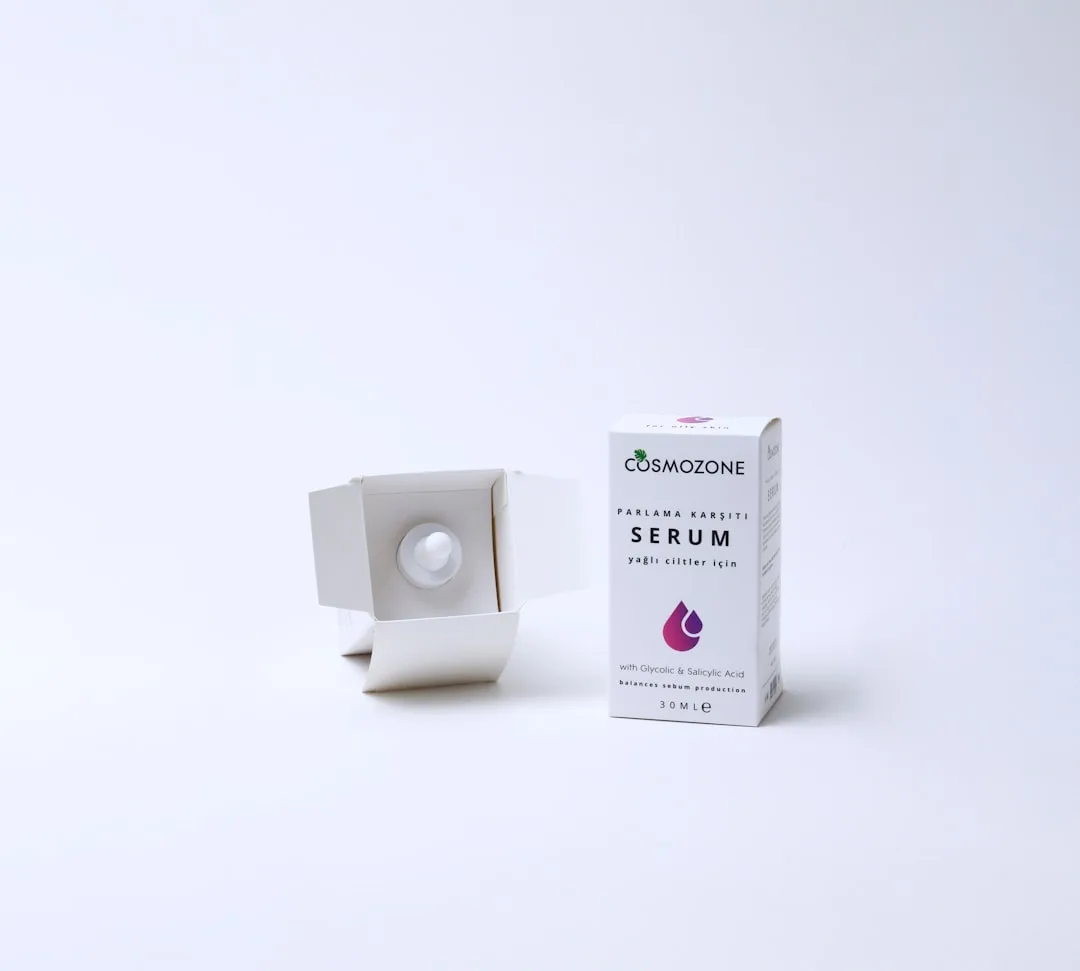
How fermentation transforms ingredient bioavailability in popular skincare brands
Several established skincare brands have invested heavily in fermentation technologies to improve how skin absorbs active ingredients. COSRX, a Korean skincare company, uses fermented black bean extract in their Advanced Snail 96 Mucin Power Essence, where fermentation breaks down the complex polysaccharides into smaller molecular weight compounds that penetrate more effectively than unfermented versions.
Japanese brand SK-II pioneered the use of Pitera, a fermentation filtrate derived from yeast, which has become their signature ingredient across multiple products including their famous Facial Treatment Essence. The fermentation process yields amino acids, vitamins, and organic acids that work synergistically to improve skin texture and luminosity, making this ingredient difficult to replicate without the specific fermentation methodology.
Drunk Elephant’s C-Firma Fresh Serum incorporates fermented green tomato extract alongside vitamin C, where the fermentation process enhances the extract’s antioxidant capacity beyond what the raw ingredient alone could provide. This combination demonstrates how fermentation isn’t just about individual ingredients but about creating complementary compounds that amplify each other’s benefits.
Understanding fermentation byproducts and their role in skin health
The fermentation process generates specific byproducts that become valuable skincare ingredients in their own right. When microorganisms break down plant material, they produce organic acids like lactic acid and gluconic acid, which naturally exfoliate dead skin cells without the harshness of manual exfoliants or high-concentration chemical peels.
Isntree, another Korean beauty brand, leverages these fermentation byproducts in their Hyaluronic Toner Plus, which includes fermented mushroom extract that yields beta-glucans and polysaccharides. These compounds strengthen the skin barrier and provide hydration that lasts longer than unfermented alternatives because the smaller molecular size allows deeper penetration and cellular absorption.
Fermentation also creates postbiotics—metabolic byproducts from beneficial bacteria—which some research suggests can calm inflammation and support skin microbiome balance. While the microbiome-skincare connection is still being researched, many dermatologists acknowledge that postbiotics from fermented ingredients may help sensitive or compromised skin respond better to treatment routines.
The presence of naturally occurring amino acids from fermentation provides building blocks for skin’s structural proteins like collagen and elastin. Unlike synthetic amino acid complexes, fermentation-derived amino acids come with their natural cofactors intact, potentially making them more bioavailable and easier for skin cells to utilize in protein synthesis and repair processes.