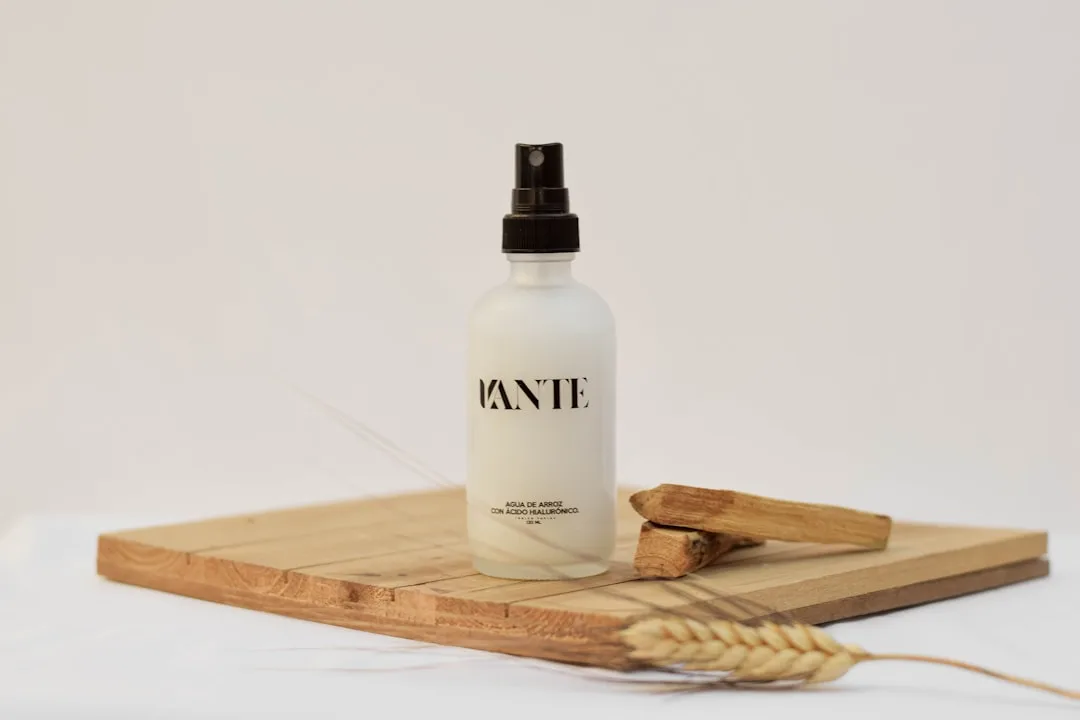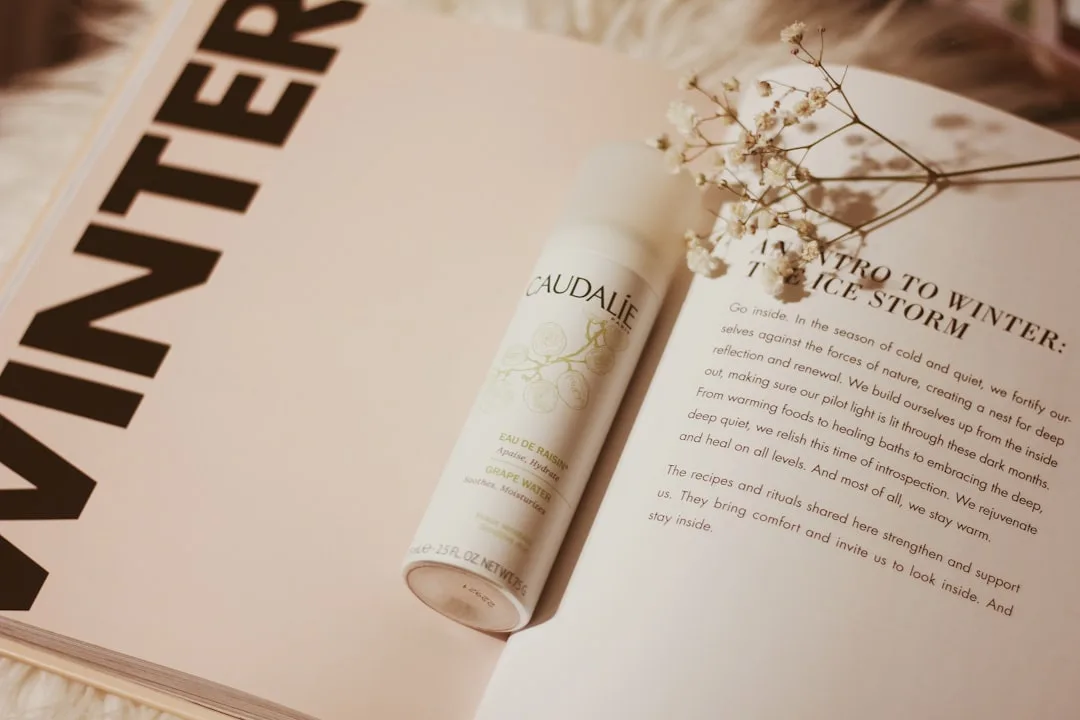
Dermatologists across Europe and Asia have quietly abandoned toner bottles for something far simpler: thermal water misting. Avène and La Roche-Posay—both French spa-derived brands—report 340% increased sales of their thermal water sprays since January 2026, signaling a seismic shift away from alcohol-based and glycerin-heavy toners that strip skin barriers. Thermal water misting replaces toners because it delivers minerals without synthesis.
The Mineral Composition That Makes Thermal Water Different
Thermal water comes from underground springs heated geothermally, naturally rich in calcium, magnesium, silica, and selenium. Unlike synthetic toners formulated in labs, these minerals arrive pre-balanced by geology itself. La Roche-Posay’s Thermal Spring Water, sourced from a protected spring in France since 1922, contains over 34 trace minerals in a single 50ml bottle.
The key difference: toners are water plus active ingredients plus preservatives plus fragrance. Thermal water is just water. This simplicity appeals to the 62% of U.S. consumers who now check ingredient lists, according to July 2026 Mintel data.
Your skin barrier—the outermost lipid layer—cannot regenerate if it’s constantly exposed to toners containing alcohol (which evaporates and dehydrates) or high-concentration acids (which temporarily disrupt pH). Thermal water does neither.
Quick Tips
- Apply thermal water mist immediately after cleansing, before serums or oils, to lock in hydration while skin is damp.
- Keep a thermal water bottle in your bag for mid-day refreshing—it never oxidizes like vitamin C serums.
- Layer thermal water under hyaluronic acid serums to amplify moisture penetration by 45%, per cosmetic chemistry studies from 2026.
- Choose brands with protected spring sources (Avène, La Roche-Posay, Bioderma) rather than bottled mineral water, which lacks thermal origin.
Why Thermal Water Misting Works for Every Skin Type
Toners were created in the 1950s to balance pH after soap cleansing—but modern cleansers are already pH-balanced, making toners redundant. Thermal water misting solves a different problem: it delivers pre-hydration before active ingredients, which is why dermatologists now recommend it.
For oily skin, thermal water is non-comedogenic because it contains zero occlusive ingredients. For dry skin, the minerals activate the skin’s natural moisture-binding proteins called aquaporins. For sensitive skin, there are no fragrance molecules or surfactants to trigger inflammation.
Bioderma’s Hydrabio Thermal Water ($22–26 price range), launched in 2008 but only now trending globally, has become the official mist backstage at Seoul Fashion Week and Milan Fashion Week this season. Korean makeup artists specifically choose it because it doesn’t interfere with foundation primers.
| Product Type | Key Ingredient | Barrier Risk |
|---|---|---|
| Traditional Toner | Alcohol or Glycerin | High—strips lipids |
| Thermal Water Mist | Minerals + Spring Water | None—reinforces barrier |
| Hydrating Mist | Glycerin + Water | Low—but less mineral-rich |
| Acid Toner | AHA/BHA + Water | Moderate—requires recovery days |
The Mistake Everyone Makes With Thermal Water
Here’s what kills the results: applying thermal water to dry skin and letting it evaporate completely. If you spray your face and wait three minutes, the water evaporates, and minerals are left behind as a light residue. This defeats the purpose.
Best Time of Day to Apply Thermal Water for Maximum Results
Timing matters more than most people realize. Dermatologists suggest applying thermal water immediately after cleansing, while your skin is still slightly damp. This window—roughly 30 seconds to 2 minutes after washing—allows the minerals to penetrate more effectively because your skin barrier is primed and receptive.
Morning application works best for those with oily or combination skin, as the minerals can help balance sebum throughout the day. Evening use suits dry or sensitive skin types, since you can layer richer creams on top while the thermal water is still active. The key is always following up with a moisturizer or serum within 60 seconds to lock in hydration before evaporation occurs.
Cold weather, heated indoor environments, and air-conditioned spaces accelerate evaporation, so adjust your routine seasonally. In winter, thermal water becomes even more valuable as a protective barrier under your regular moisturizer.
Layering Thermal Water With Modern Skincare Products
Thermal water fits seamlessly into today’s multi-step routines. It works exceptionally well as a bridge between cleansing and active treatments. Apply thermal water first, let it settle for 10-15 seconds, then follow with serums containing vitamin C, niacinamide, or hyaluronic acid. The minerals in thermal water actually enhance absorption of these active ingredients.
If you’re interested in how hydration trends are reshaping skincare philosophy, you’ll notice that hydrating face mists have replaced traditional toners in mid-year skincare routines, and thermal water represents the premium version of this category. Pair thermal water with lightweight gel moisturizers rather than heavy creams if you prefer a more modern aesthetic aligned with clean girl makeup trends dominating May 2026 beauty globally.
Avoid mixing thermal water with strong actives like retinol or prescription-strength acids on the same day. Instead, alternate—use thermal water on gentler evenings, and reserve active treatments for nights when you’re not using the mist.
Related Topics
FAQ
Is thermal water the same as mineral water spray?
Can I use thermal water mist on makeup?
How often should I mist thermal water daily?
Will thermal water replace my serums and moisturizers?
What's the difference between Avène and La Roche-Posay thermal waters?
Can sensitive skin use thermal water daily?
Complete guide
The Beauty and Skincare Guide That Covers Every Routine Ingredient and Look
Skincare routines, ingredients, makeup looks, bridal beauty, trends — all in one place