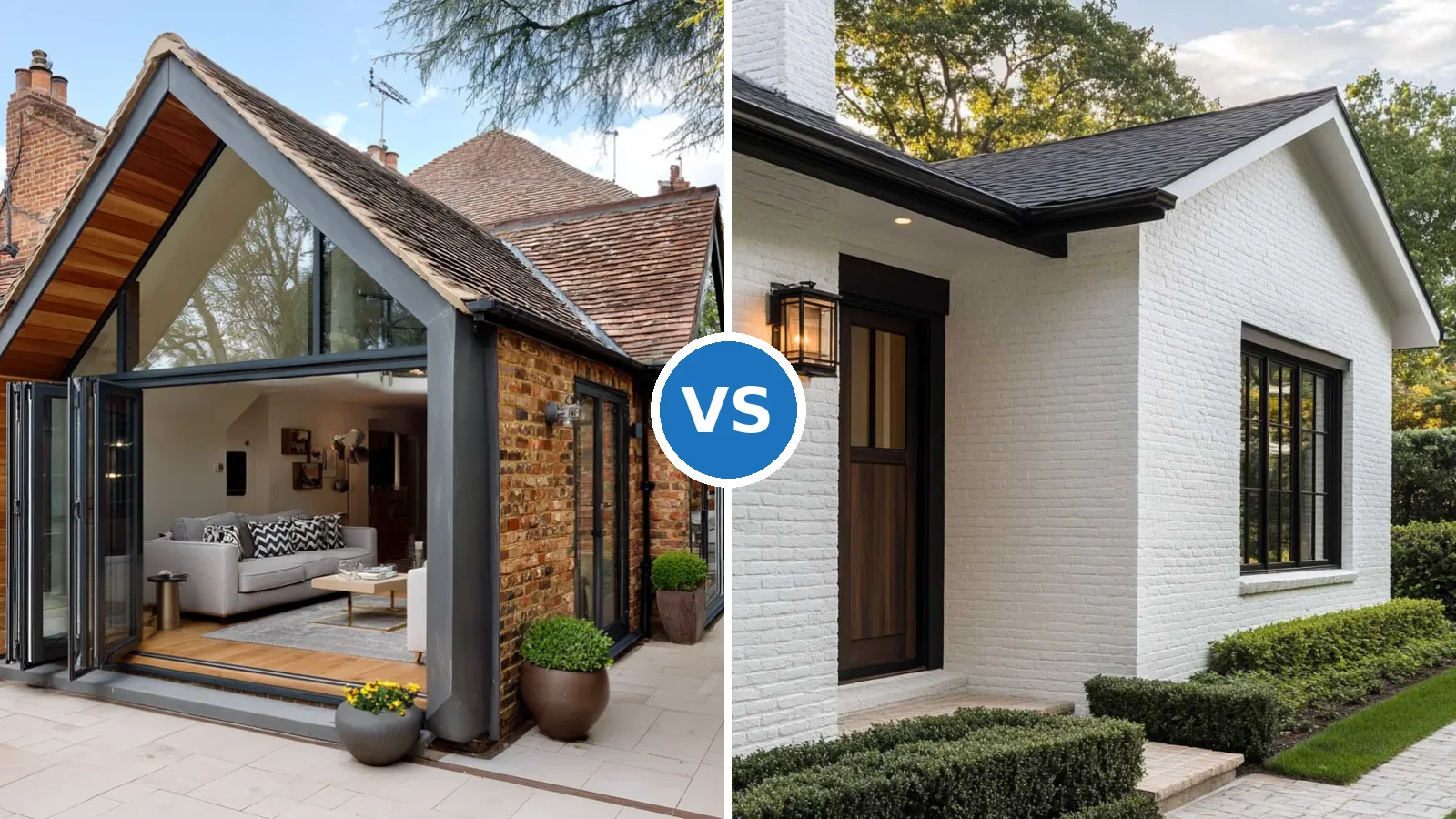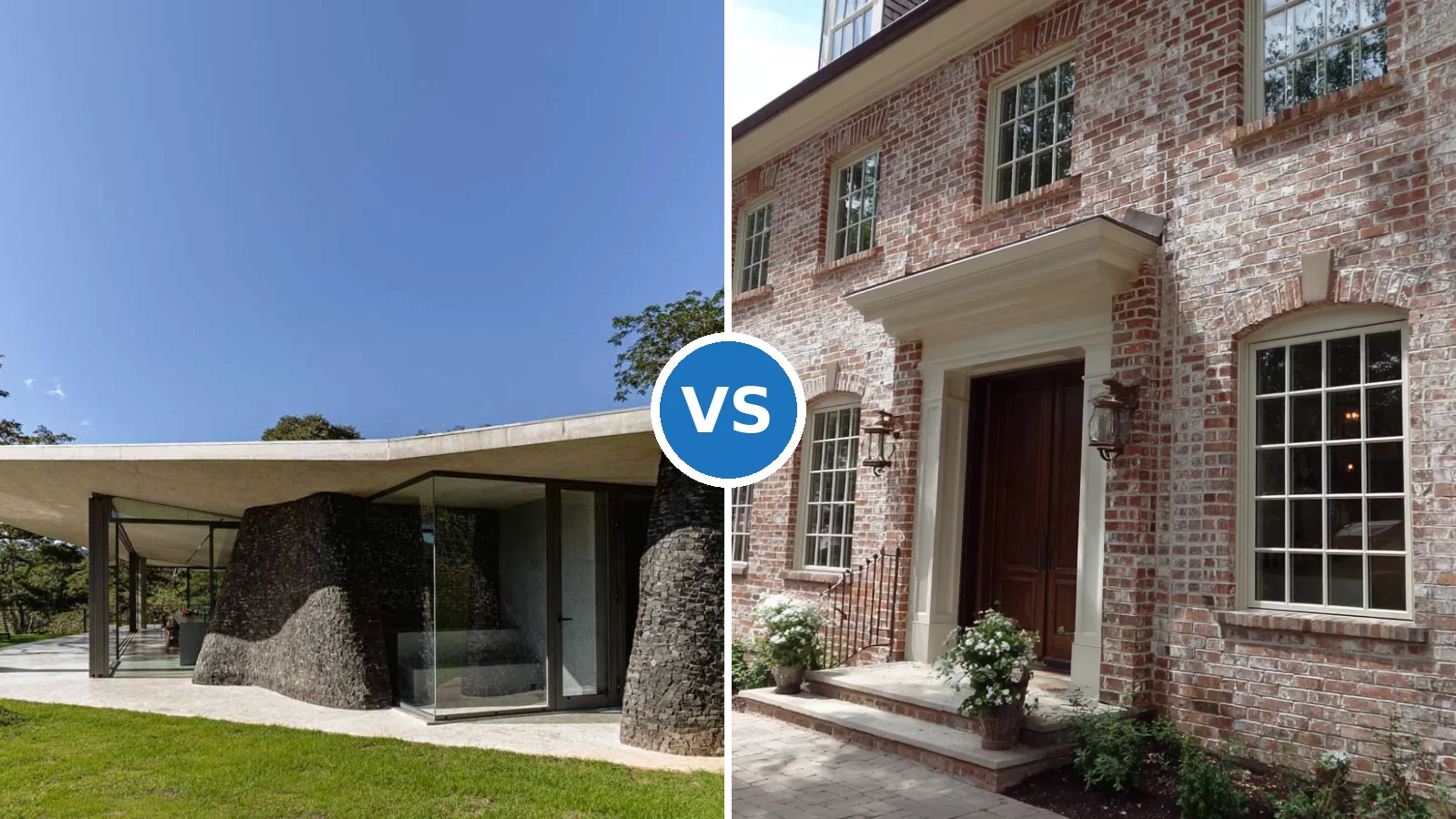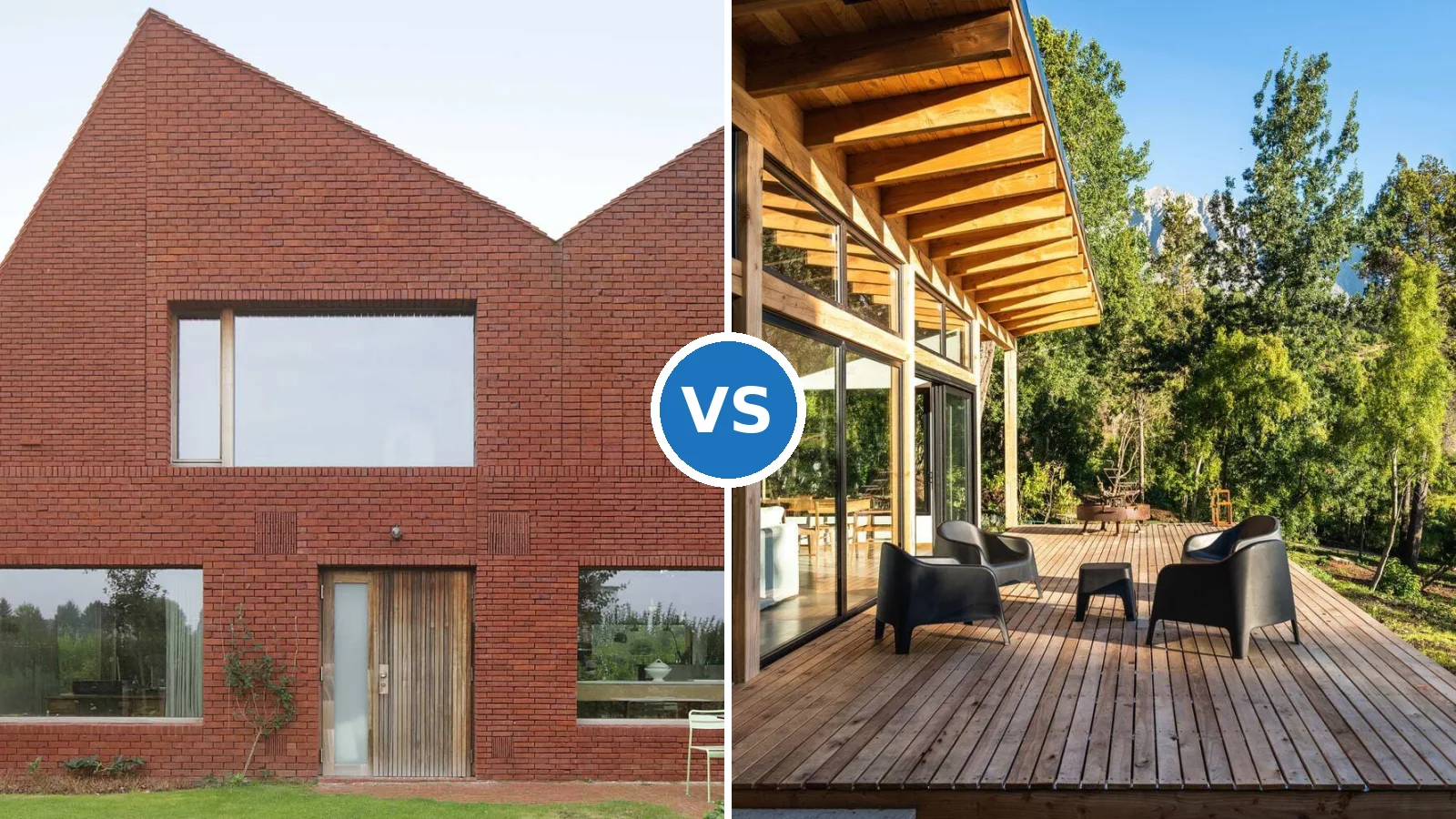
You’re planning a brick vs wood house in open countryside or on a property surrounded by natural landscape, and two distinct material philosophies are competing for your attention. On one side sits the brick house approach with deconstructivist design, emphasizing mass, geometric boldness, and traditional material handled unconventionally. On the other sits the wood and stone exterior strategy, layering natural textures to create warmth and visual connection with the landscape. Each draws strength from what surrounds it, but they appeal to different aesthetic priorities and practical needs.
What each option actually is
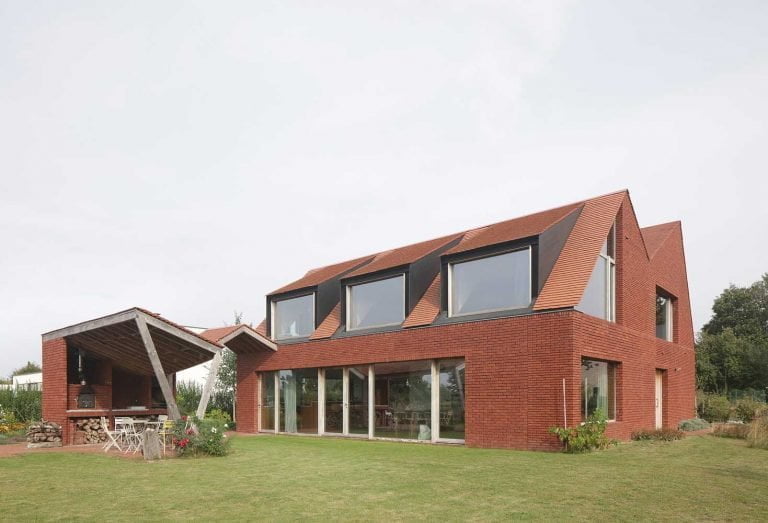
A brick house with deconstructivist styling keeps the solid, recognizable material of brick—the symbol of reliability and permanence—but breaks free from conventional symmetry. The roof becomes the focal point: asymmetric, dramatic, with lines that shift at unexpected angles. This roof is not decorative excess; its angles create sleeping rooms and nurseries underneath with optimal daylight and spatial flow. The design balances extravagance with restraint, standing out without jarring the rural landscape.
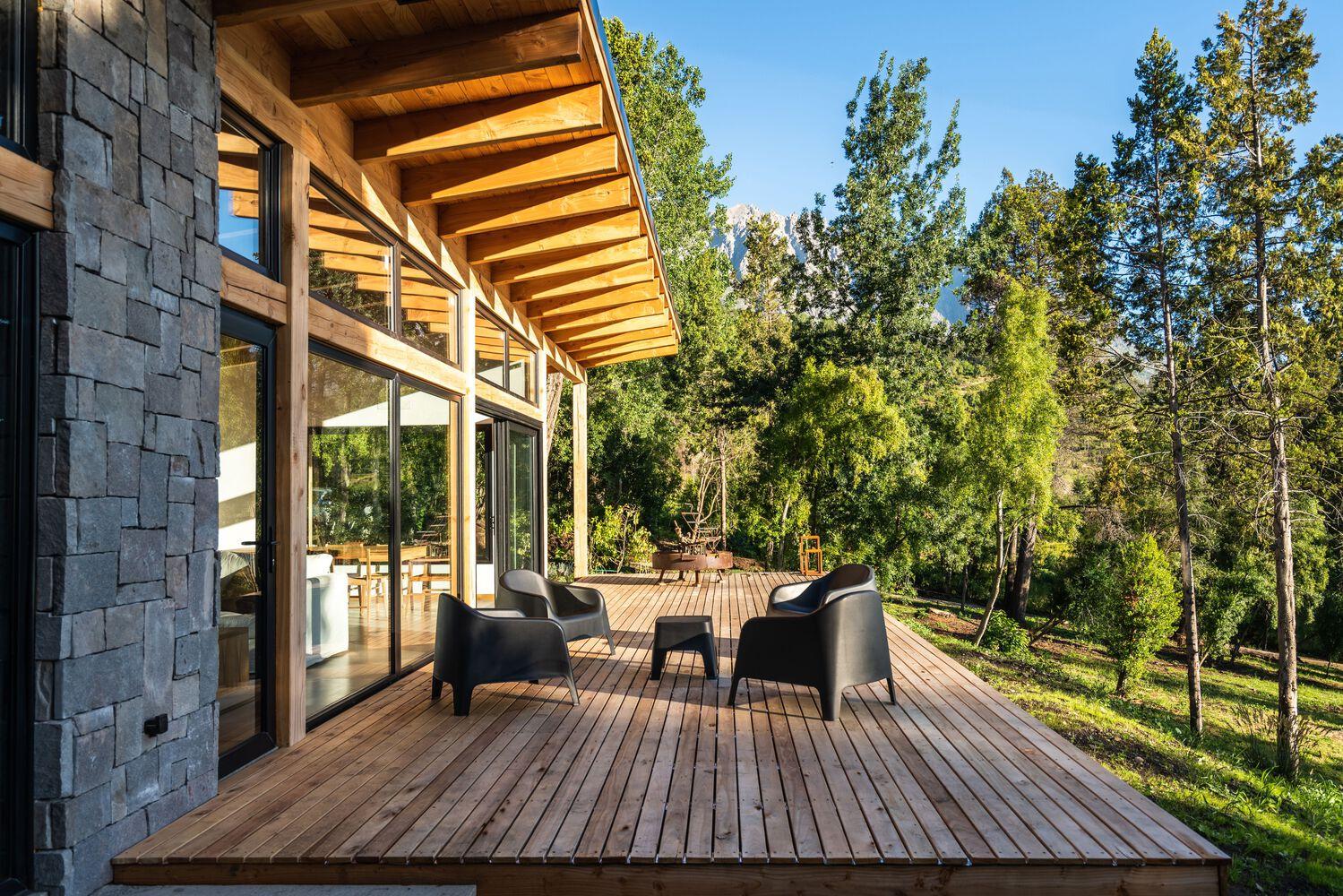
A wood and stone exterior pairs warm timber with natural stone to create a different kind of bold statement. Rather than asymmetry, the strategy uses contrasting material blocks: lighter wood for social spaces and panoramic openings, darker timber or stone for private zones. Stone supporting walls anchor the composition and tie the structure to the mountain or rocky terrain around it. Large expanses of glass—panoramic windows in dark frames—ensure the building reads as modern and open despite its heavy materials.
Quick Verdict
- Choose brick if you want architectural presence and are comfortable with a more contemporary, sculptural aesthetic
- Choose wood and stone if priority number one is visual warmth and blending harmoniously with natural surroundings
- Choose brick if you value energy efficiency and thermal resistance alongside striking design
- Choose wood and stone if you want extensive panoramic glazing and maximum natural light flow

Aesthetics and landscape fit
A brick exterior reads as a fortress at first glance, especially with its angular roof and solid walls. Yet architects intentionally softened this impression by keeping facades traditional and fitting the profile into the rural landscape context. The asymmetric roof catches the eye without disrupting the sense of place; it feels like the land produced it rather than imposed something foreign. Interior ceilings mirror the roof shape, creating dramatic gable spaces with natural light flooding in.
Wood and stone exteriors take a different visual path: they emphasize connection rather than contrast. The building sits low and rectangular, merging quietly into nature instead of claiming dominance. Wooden supports and beams serve double duty as both structural elements and design anchors that root the house visually into wild landscape.
Stone becomes the transitional element between warm and cool zones, creating visual unity. This approach sacrifices the sculptural drama of brick for a sense of intimate belonging.
Brick vs wood house — durability, maintenance and performance
Brick is engineered for permanence. The entire structure is solid brick—unshakable and resistant to temperature swings, wind, and humidity. A two-story brick house with a roof stylized as brick-patterned tiles gains both visual continuity and practical protection from the elements.
The material maintains comfortable interior conditions year-round without constant mechanical adjustment. This is durability paired with low-fuss operation.
Wood and stone require more active care. Timber—especially when exposed as structural and aesthetic elements—needs regular treatment to resist weathering and decay. Stone provides stability and signals reliability, but the wood-stone combination means monitoring joints, finishes, and protective coatings. Durability is high when maintenance is consistent, but the material demands attention in ways brick does not.
| Criteria | Brick house | Wood stone exterior |
|---|---|---|
| Aesthetic character | Bold, sculptural, modern | Warm, textured, harmonious |
| Resistance to weather | Excellent; minimal maintenance | Good; requires active treatment |
| Energy efficiency | High; maintains microclimate | Moderate; depends on glazing design |
| Visual light and openness | High; abundant glass and strategic glazing | High; extensive panoramic glazing |
| Interior spatial drama | Gable ceilings with high impact | Open, flowing, connected to exterior |
| Landscape integration | Stands out deliberately | Merges quietly with terrain |

Where the brick house design wins
A brick exterior dominates on operational efficiency. The material’s thermal mass keeps the house comfortable at any season and in any weather, reducing reliance on heating and cooling systems. The asymmetric roof isn’t pure artistry—it solves real problems, creating uncompromised space for bedrooms and nurseries while optimizing daylight from unexpected angles. Every broken line has functional purpose underneath the visual drama.
Brick also wins on durability with minimal maintenance burden. A brick facade requires no repainting, re-sealing, or re-finishing over decades. It is the set-it-and-forget-it material.
For owners who want striking presence without ongoing care cycles, brick delivers power with peace of mind. The interior feels light and spacious despite the thick walls—warm, soft finishes and abundant glass handle that contrast beautifully.


Where the wood and stone exterior wins
Wood and stone win on visual warmth and natural texture. The tactile quality of minimally processed timber—its grain visible and compelling—creates comfort and intimacy that brick cannot match. Stone elements signal mountain landscape connection, while wood brings organic softness. Residents feel embraced by natural material rather than living inside engineered permanence.
This combination also excels at bringing the outdoors in. Panoramic windows in dark frames flood social areas with light and views, creating continuous visual flow between interior and landscape. The strategy is inherently modern—open, connected, filled with air—while honoring traditional material language. For families prioritizing daylight and landscape views, wood and stone deliver more direct access to those benefits.

The common mistake people make choosing between them
The biggest error is confusing visual boldness with poor landscape fit. A brick house with an asymmetric roof looks contemporary and sculptural, but architects did not overdo extravagance; it still honors the rural building traditions of the region. Buyers often assume any dramatic design element will clash with countryside surroundings. In fact, this brick home stands out while remaining appropriate to its context.
The mirror mistake happens with wood and stone: assuming quiet integration equals timeless rusticity. This exterior is not a cabin or farmhouse frozen in time—it is thoroughly modern architecture using traditional materials. Large panoramic glass and minimalist geometry prove the point.
Choosing wood and stone because you love rustic aesthetics, then discovering the result is sleek and contemporary, creates real disappointment. Know whether you want the material or the style—they are not automatically the same.

Final verdict for your rural home
Choose brick if you value architectural presence, long-term durability with zero maintenance, and energy efficiency. This material suits owners who want their home to read as a bold contemporary statement and who prioritize comfort without constant upkeep. The asymmetric design philosophy works well on property where you want the structure to be a focal point rather than background.
Choose wood and stone if landscape harmony, natural warmth, and visual connection to surrounding terrain matter most. This approach suits families who spend time outdoors, prioritize daylight and views, and are willing to maintain materials in exchange for the organic character wood and stone provide. It works beautifully when the building should feel like a natural extension of the land rather than a sculptural intervention.
Both materials anchor a home to rural surroundings—brick through boldness and permanence, wood and stone through texture and integration. Your choice depends on whether you want your home to command the landscape or belong to it.