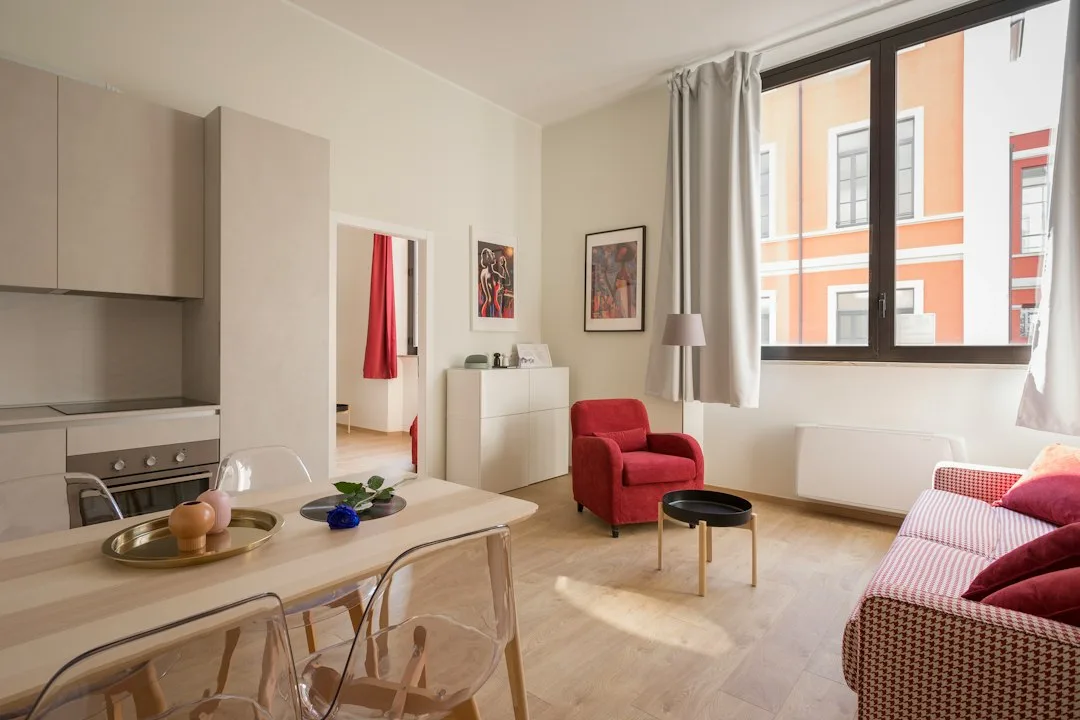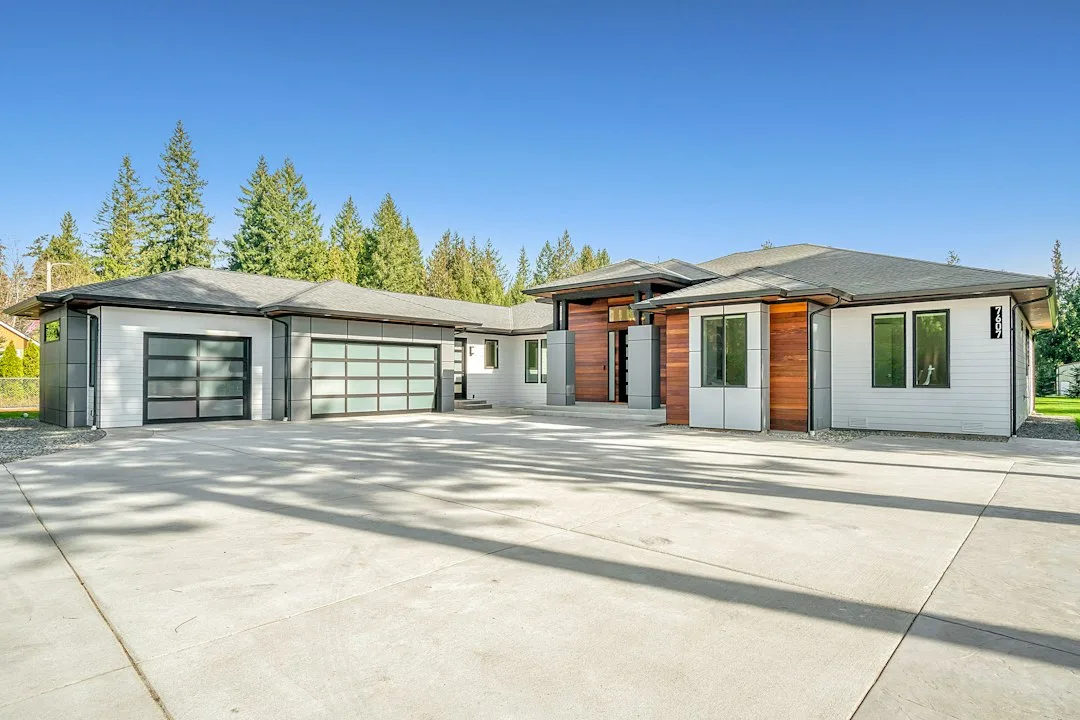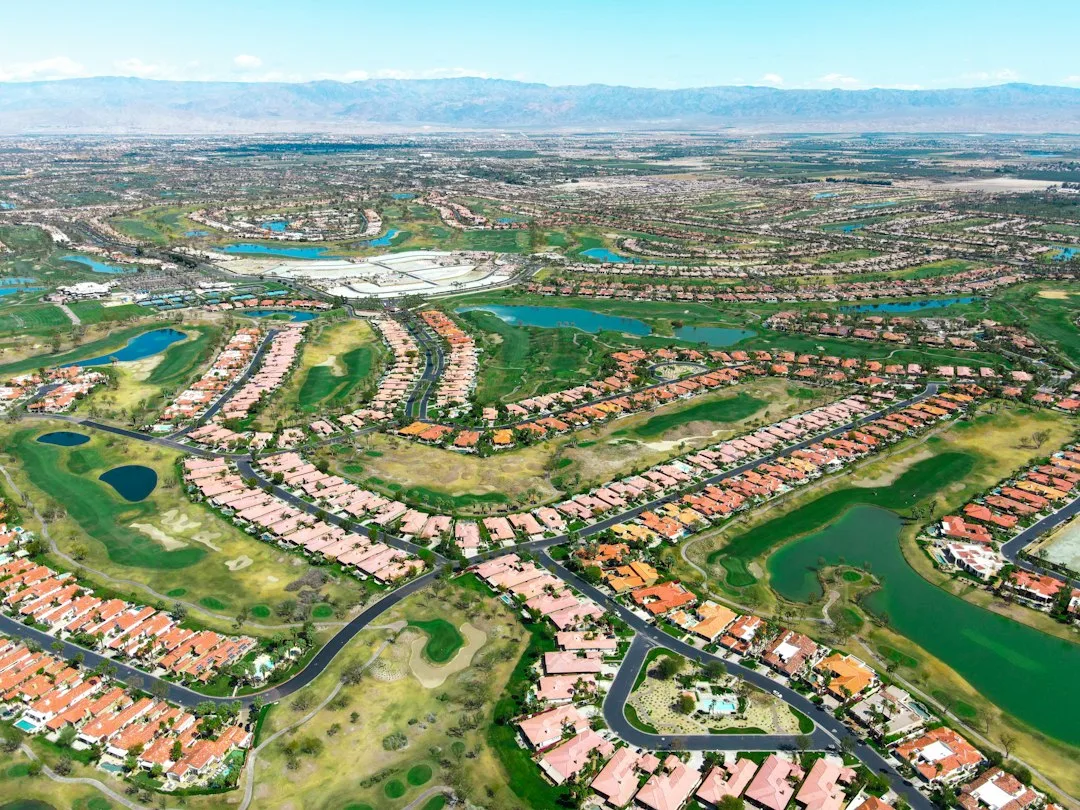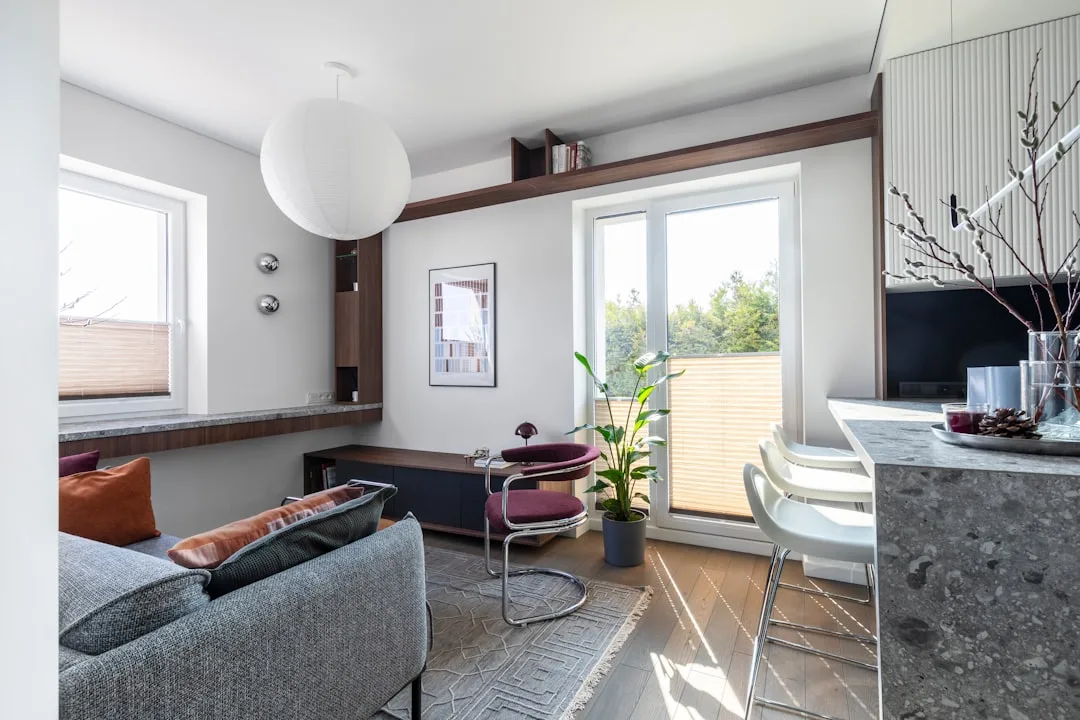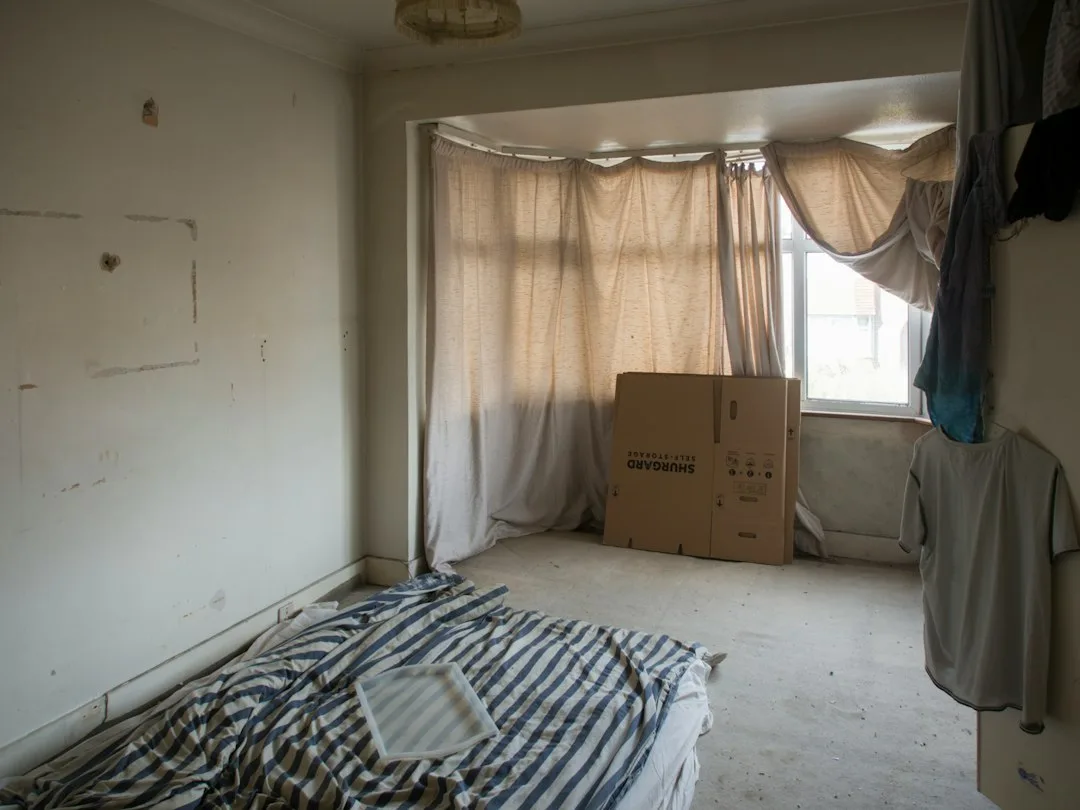
In September 2026, a sharp reversal in investor behavior is reshaping the rental market: bare-bones rental properties—units stripped to walls, flooring, and systems with zero cosmetic finishing—are outpacing fully renovated inventory in acquisition velocity across Rust Belt and Sun Belt secondary markets. A portfolio manager at Bluerock Residential Growth REIT disclosed in late August that their Tennessee acquisitions now average 40% lower entry pricing than market comps two years prior, specifically because buyers are bypassing staged, finished units in favor of structural shells. Bare-bones rental properties eliminate the carrying costs of designer finishes tenants will ignore or damage within 18 months.
Why investors are abandoning the finished-unit playbook
For two decades, the conventional wisdom held that rental units must enter service with granite countertops, fresh paint, and updated appliances to command premium rents. That assumption collapsed in 2024 when rising interest rates flipped the math: an additional $15,000 in finishing costs now represents 8–10 months of cash flow delay before tenant occupancy even begins.
Investors now recognize that tenants in secondary markets—where bare-bones rental properties command monthly rents between $800–$1,200—are choosing affordability over aesthetics. A Cleveland-based syndication firm managing 340 units reported in their Q3 investor update that unfinished, unlisted units leased within 14 days at 97% occupancy, versus 34 days for renovated comparable stock in the same zip code. The speed advantage alone justifies the shift.
This is the real leverage play: bare-bones rental properties compress time-to-revenue and eliminate obsolescence risk entirely. Tenants accept basic condition in exchange for lower rent; landlords accept longer-term maintenance responsibility in exchange for higher yield multiples.
Quick Tips
- Prioritize mechanical systems over cosmetics—HVAC, plumbing, and electrical must meet code; paint color does not
- Price bare-bones units 18–24% below finished market comps to accelerate occupancy
- Budget $200–$300/month extra for turnover labor; bare units require faster resets between tenants
- Require tenant security deposits 1.5x higher than market standard; default risk rises with lower entry price points
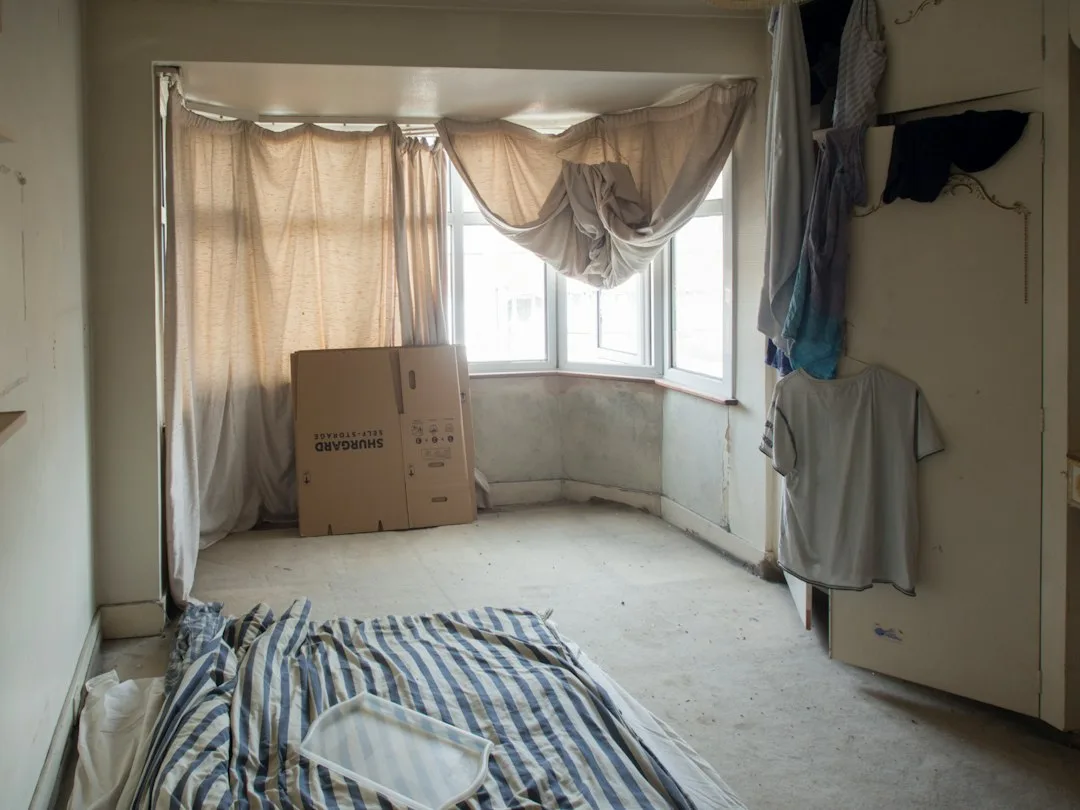
How to value bare-bones rental properties correctly
The valuation trap: investors who price bare-bones rental properties using trailing rent multiples from renovated units will systematically overpay. CoreLogic’s rental valuation model updated in June 2026 now applies a 15–20% discount to entry pricing when comparing unfinished assets against finished comparables in the same submarket.
The real metric is cap rate spread. A bare-bones unit acquired at $65,000 generating $950/month rent yields 17.5% gross return; a renovated comparable at $95,000 renting for $1,100/month yields 13.9%. The finished unit required $30,000 more capital to capture an additional $150/month, a 16-year payback on finishing costs alone.
| Property Type | Acquisition Cost | Monthly Rent / Cap Rate |
|---|---|---|
| Bare-bones unit | $65,000 | $950 / 17.5% |
| Renovated comparable | $95,000 | $1,100 / 13.9% |
| Financing cost difference | $30,000 @ 7% | $175/month debt service |
| Net monthly cash advantage | — | Bare-bones: +$50/month |
Use a pro forma that isolates maintenance and turnover costs separately from acquisition cost. Bare-bones rental properties consistently underestimate year-one repair reserves; allocate 8–10% of collected rent versus 3–4% for renovated stock.
The #1 mistake: confusing bare-bones with deferred maintenance
Here is where deals implode: investors purchase bare-bones rental properties expecting pristine underlying structure, then discover the foundation, roof, or plumbing systems are 15+ years past serviceable life. A Memphis investor syndicated a 24-unit bare-bones acquisition in March 2026 at a $58,000/unit basis, targeting $1,200/month rents.
By June, $180,000 in emergency roof replacement converted a projected 16% year-one return into 4% actual return. The property remained bare-bones in finish but was not actually bare-bones in condition. The error: skipping structural inspection because the low price felt like a bargain.
Before acquisition, hire a structural engineer to separate cosmetic deferred maintenance (paint, flooring, fixtures) from mechanical deferred maintenance (systems requiring capital replacement). Bare-bones rental properties should have clean mechanical bones; the walls and floors are irrelevant.
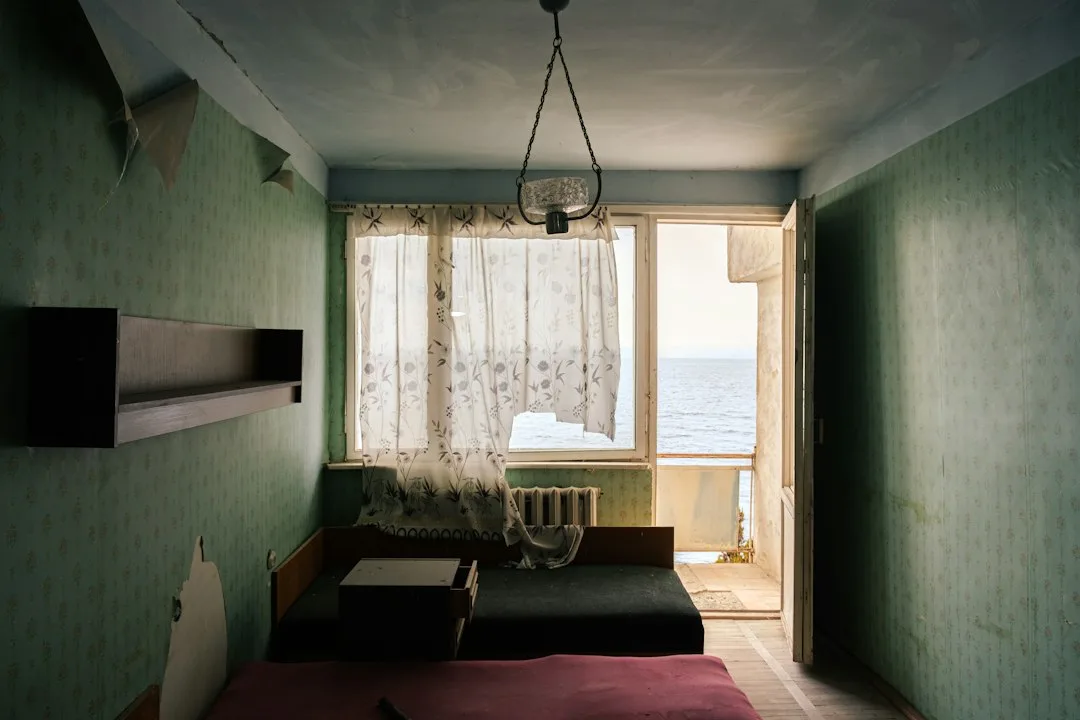
Market geography matters: where bare-bones rental properties work
Bare-bones rental properties thrive in secondary and tertiary markets where income stability is moderate and tenant tenure averages 2–3 years. Memphis, Little Rock, Louisville, and Fort Wayne dominate bare-bones acquisition volume in Q3 2026, according to CoStar transaction data.
In tier-one coastal markets—San Francisco, Boston, New York—bare-bones does not translate; tenants with $2,500+ rent budgets expect finished units, and vacancy rates are so low that cosmetic finishes command premium absorption. However, in Memphis, where bare-bones units capture the $875–$1,100 segment, you reach renters who are price-conscious and turnover-tolerant.
When evaluating bare-bones rental properties, geography determines viability more than structure. A bare-bones duplex in Nashville outperforms by 8–12% because tenant pool density supports quick lease-up; the same unit in a declining Rust Belt industrial town requires 45+ days occupancy per vacancy, eroding yield advantage.
Operations strategy for bare-bones rental portfolio scaling
Bare-bones rental properties demand aggressive property management discipline. Because tenants are price-sensitive, they are also cost-avoidant about reporting maintenance issues early; small leaks become structural water damage because residents hide damage to avoid rent increases or deposit penalties.
Implement quarterly walkthrough inspections—non-negotiable. A bare-bones portfolio without quarterly oversight experiences 12–15% higher capital replacement costs than managed properties. Use a straightforward digital checklist tool like AppFolio or Buildium to track moisture, HVAC function, and plumbing condition without friction.
Before scaling bare-bones rental properties beyond 50 units, establish a local vendor network (plumber, electrician, roofer) with agreed-upon service call rates. Remote management compounds operational risk when tenants delay emergency reporting. As covered in Essential Tips for Selecting Your Ideal Real Estate Home, property condition intelligence is your first due diligence layer.
Budget $1,200–$1,800 annually per unit for turnover labor and minor repair reserves on bare-bones stock. That discipline prevents one deferred maintenance cascade from erasing three years of yield advantage. It also protects you when tenant payment disputes arise, as covered in 5 Reasons to Know a Real Estate Attorney Even When Not Selling Your Home.
Bare-bones rental properties are not lazy capital; they are efficient capital. The strategy works when operators treat operations as the primary value creation lever, not the acquisition price.