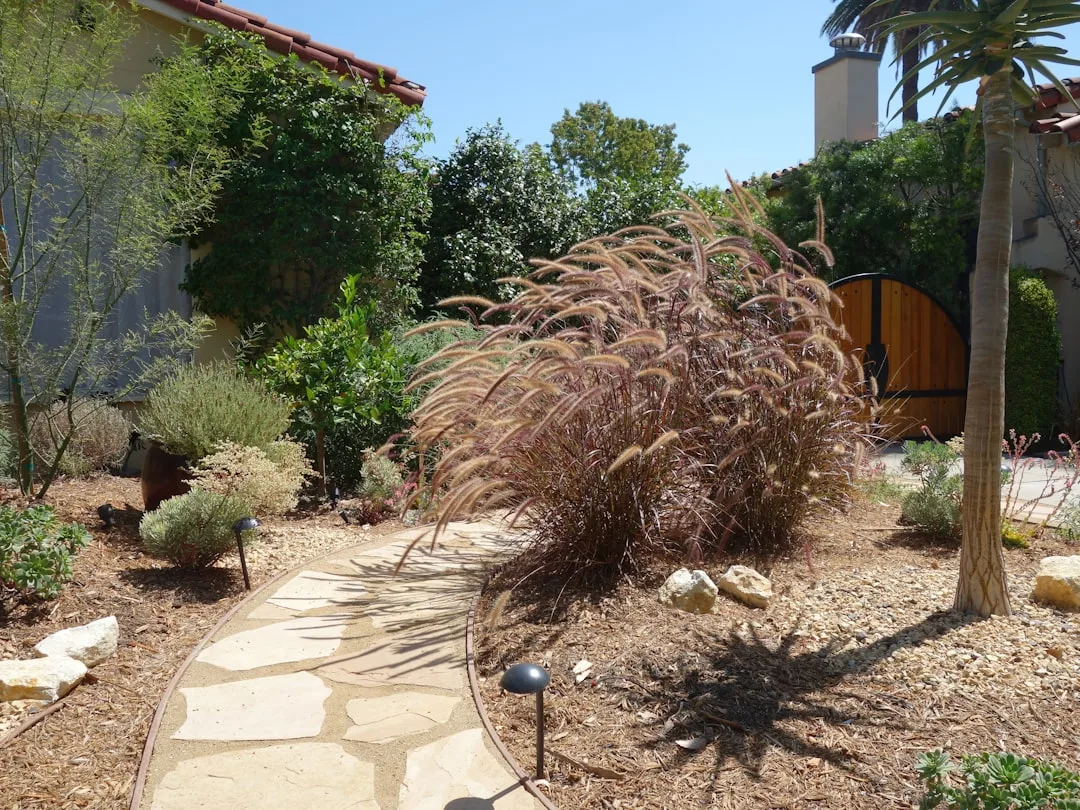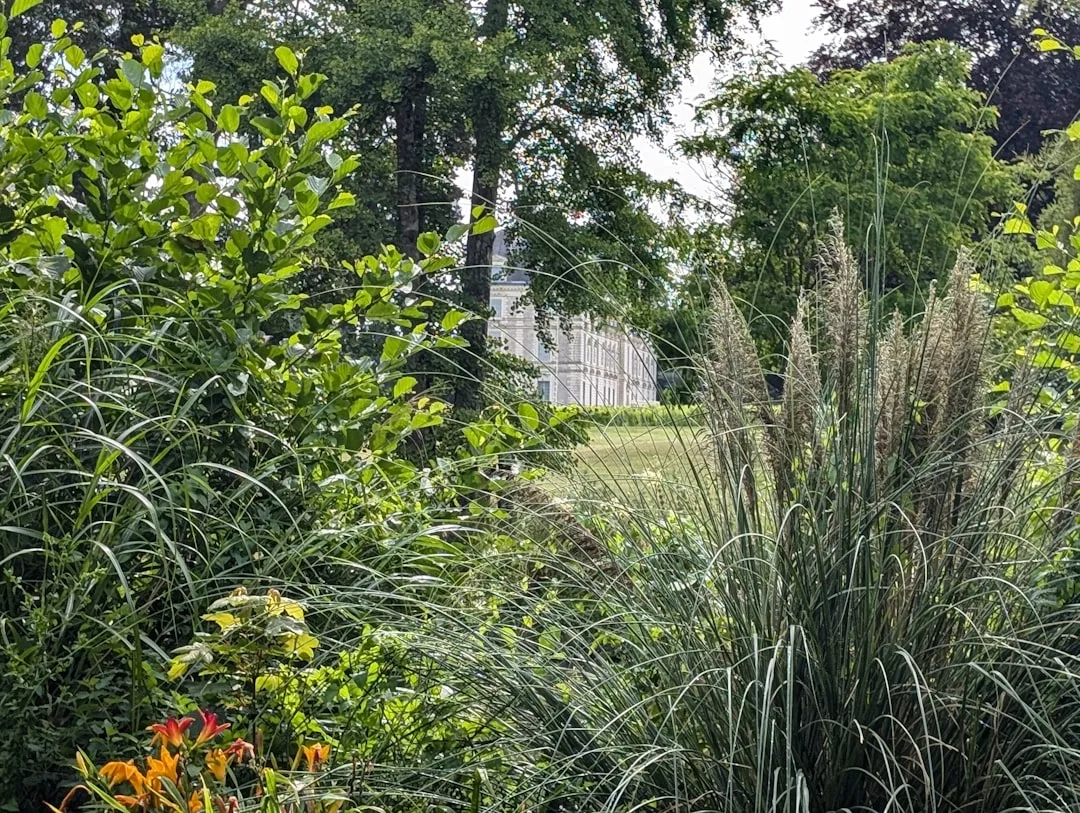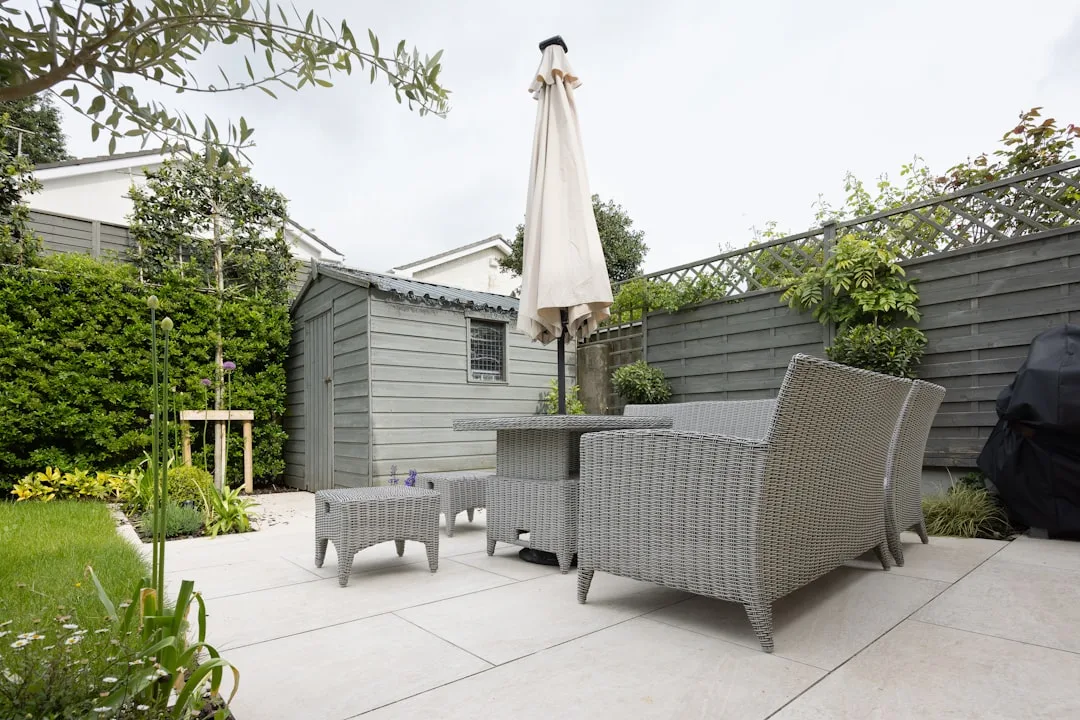
Solid wooden fences once dominated residential privacy solutions. Today, homeowners are tearing them down and replacing them with slatted screens that breathe—literally and aesthetically. The shift isn’t just visual; it reflects a fundamental change in how 2026 landscapes balance enclosure with openness, function with design sophistication.
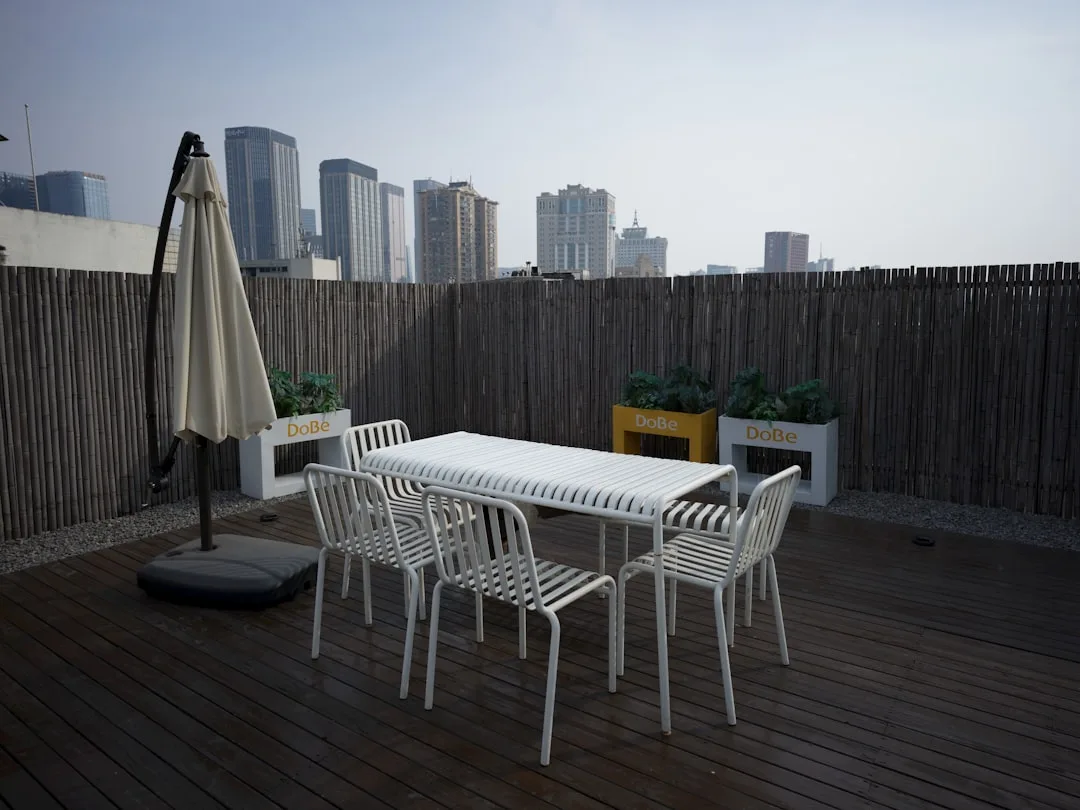
Why Slatted Designs Outperform Solid Barriers
Solid fences create wind tunnels, trap moisture against siding, and demand constant maintenance. Slatted screens disperse wind velocity by up to 40% while allowing water and air circulation that keeps outdoor structures healthier longer. The ventilation prevents the wet decay cycle that destroys traditional fence posts within 8–12 years.
Visual transparency changes everything. Slatted designs create rhythm and depth that solid walls cannot achieve. They frame views selectively—your garden visible from inside, neighbors’ second story invisible from your patio. This layered privacy feels intentional, not defensive.
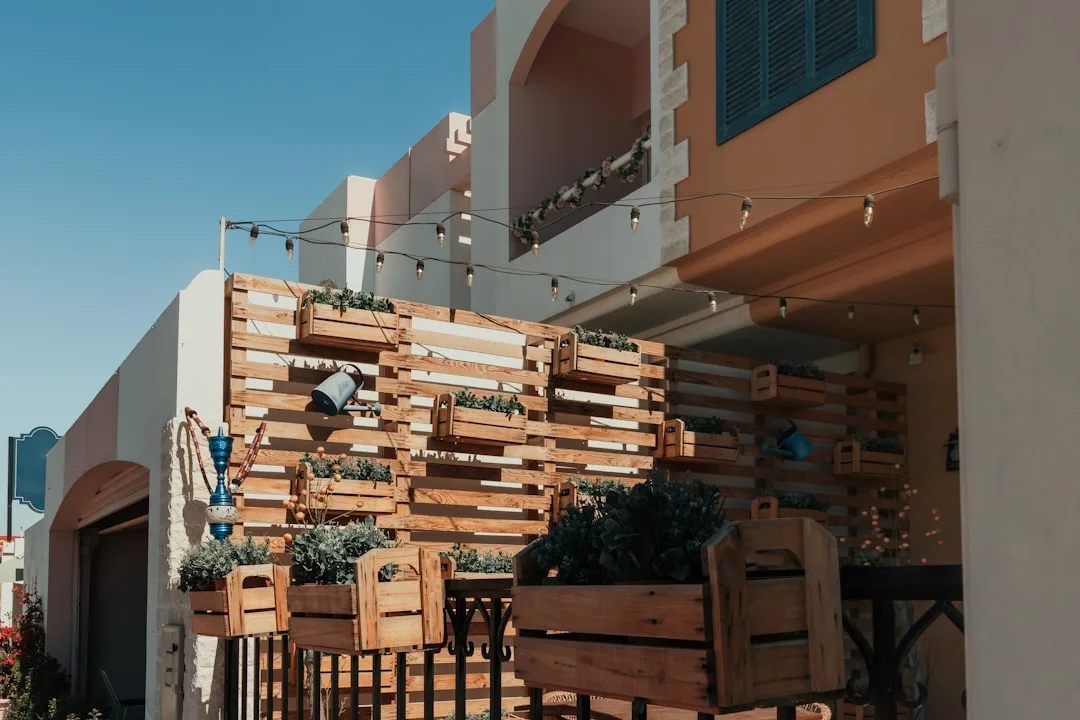
Material Costs and Performance Comparisons
A 60-foot residential privacy screen in composite slats runs $2,100–3,120 installed, versus $1,320–2,400 for traditional wood fencing. That extra $800–900 investment eliminates staining labor and extends usable life by a decade, reducing replacement costs that solid fences demand every 10 years. The math favors composites immediately when you calculate total cost of ownership.
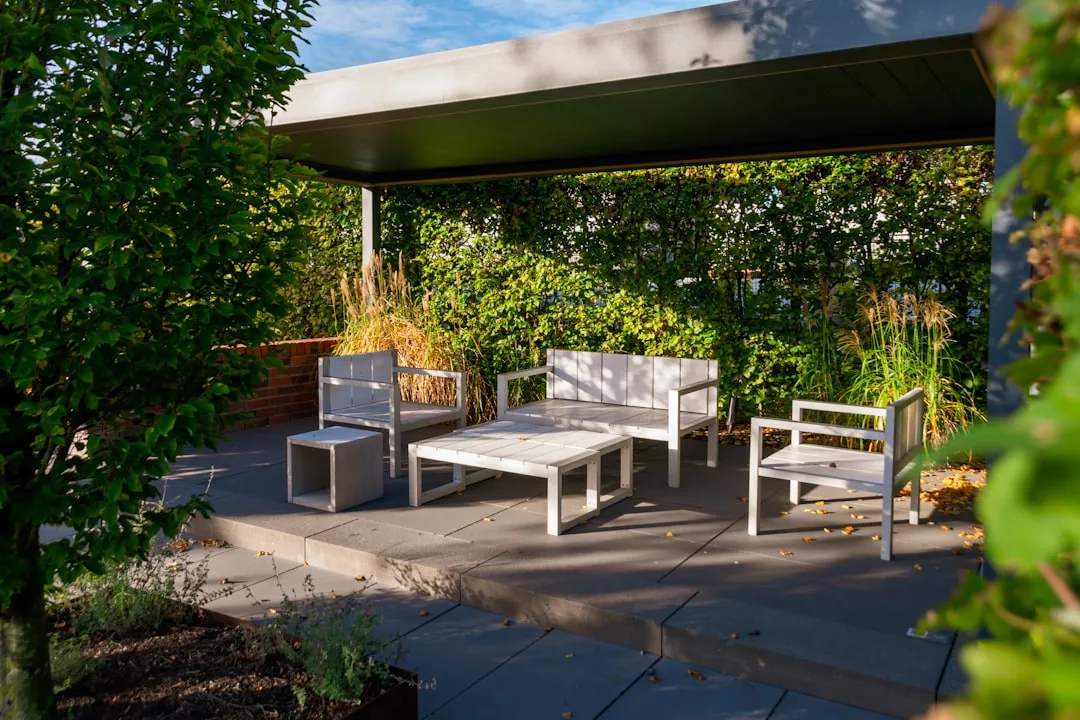
Specific Brands Dominating the 2026 Market
Trex Protect ($52 per linear foot) launched angled-slat geometry in February 2026 with integrated metal support posts that require zero seasonal tightening. The boards contain 95% recycled material and carry a 30-year residential warranty. Homeowners report 18-month ROI on maintenance savings alone.
Fiberon Composite screens ($38–48 per foot) offer the widest color palette—38 finishes from coastal grey to charcoal bark—allowing seamless coordination with house cladding and trim. Unlike solid fencing, the slats come pre-cut in standard 2×6 dimensions, reducing installation time by 35% and labor costs by $400–600 per project.
Aluminum frame systems like Osmo ModularScreen ($68 per linear foot, powder-coated aluminum with anodized finish) appeal to minimalist exteriors and modern architecture. The frames come in matte black, champagne, and bronze, and integrate perfectly with contemporary European exterior design approaches. Slats slide in and out, allowing seasonal adjustments or complete removal without tools.
Corten steel screens (steel frame $75–95 per foot) develop a protective rust patina within 6–8 weeks, eliminating paint maintenance entirely. Brands like Studio Outdoor offer custom-fabricated designs with CNC-cut geometric patterns. The aesthetic weight commands premium pricing but delivers five-star architectural impact on modern and industrial properties.
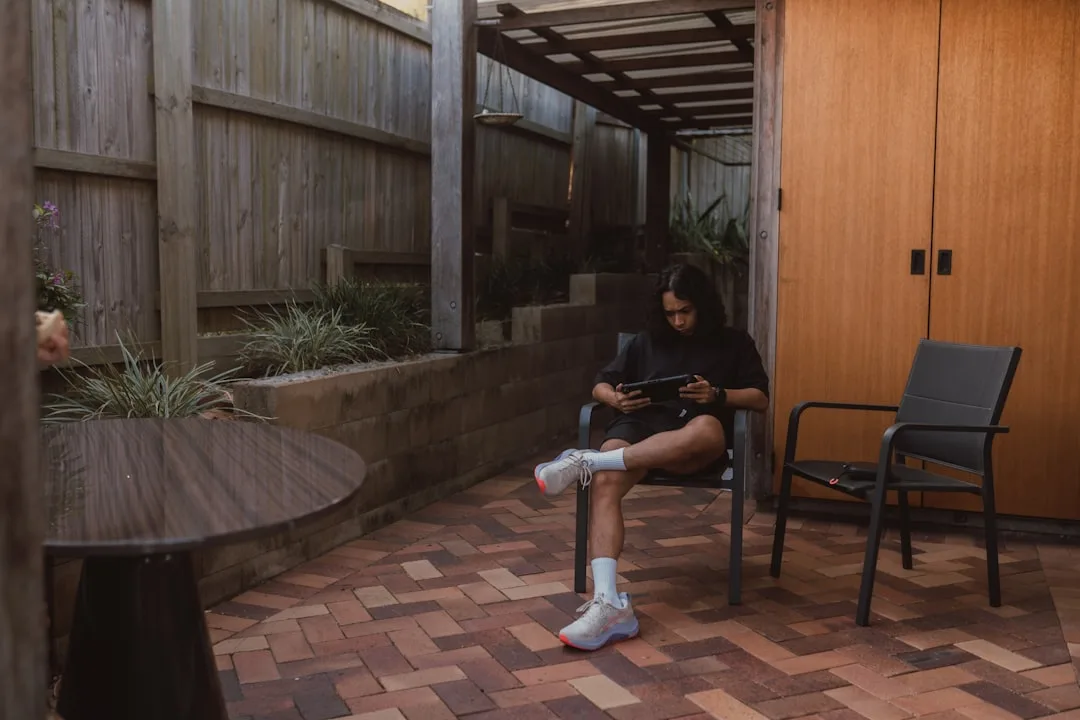
How Slatted Screens Integrate With Landscape Architecture
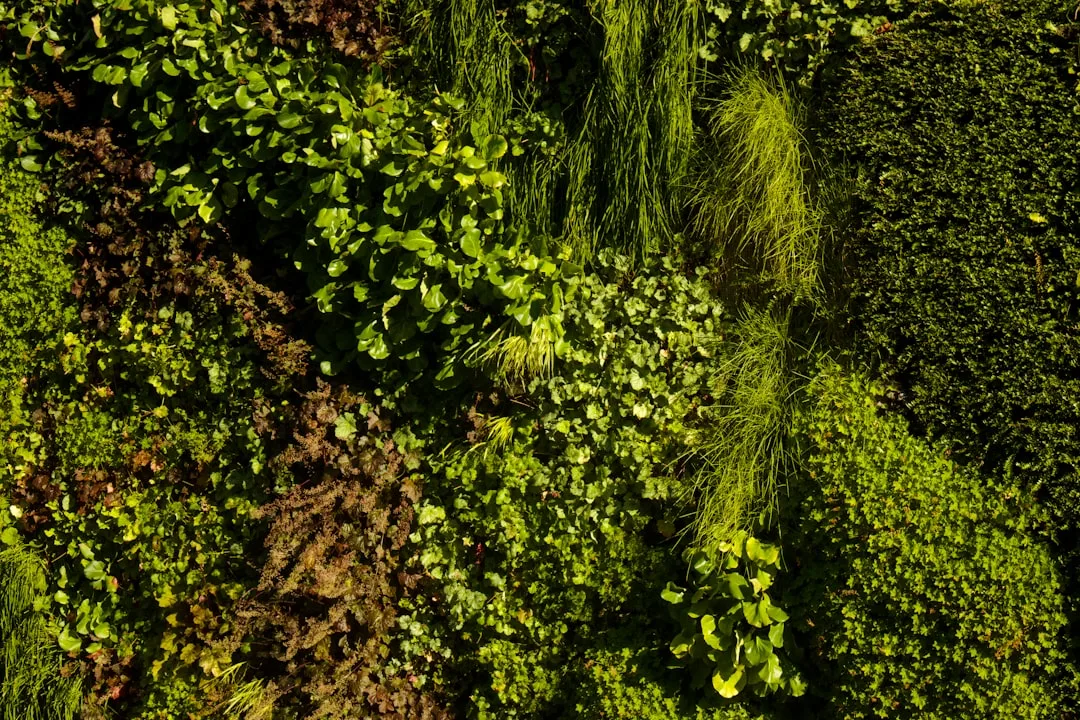
Unlike monolithic solid fences that divide space, slatted screens create visual depth while maintaining sightlines to trees, structures, and sky beyond. Designers layer screens behind native plantings—creating hybrid privacy that combines 3–4 feet of vegetation with 4–5 feet of screening. This strategy requires 40% less material while improving air circulation to plant roots.
Angle matters. Horizontal slats at 0 degrees create clean geometry but offer zero privacy from elevated neighbor viewpoints. Angled slats (15–30 degrees) maintain design coherence while blocking sight vectors from multiple angles simultaneously. Vertical spacing between slats should measure 1–1.5 inches; gaps larger than 2 inches allow direct sightlines, defeating the purpose entirely.
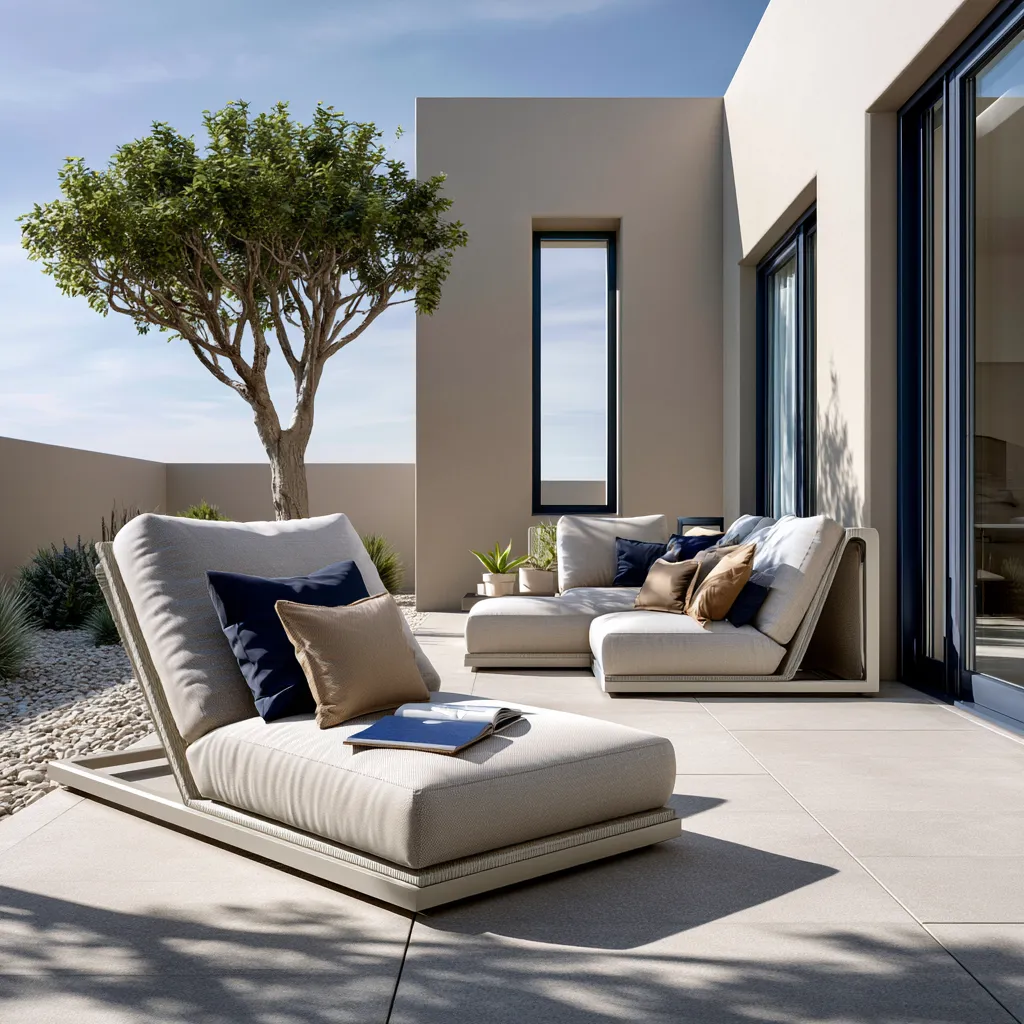
When combined with facade color strategies and material coordination, slatted screens should echo your home’s dominant finish or contrast deliberately with secondary trim colors. A charcoal composite screen ($42/foot) paired against warm-grey stucco creates visual separation that reads as intentional. Mismatched finishes—bright cedar slats against modern grey siding—look accidental and diminish curb appeal permanently.
The Failure Mode: Spacing Errors That Destroy Privacy
The most common mistake is spacing slats too far apart to reduce costs. A homeowner installs 3-inch gaps between 2×6 slats (thinking “it’s a screen, not a wall”) and discovers neighbors see directly into the patio at sunset angles. Privacy screens fail catastrophically when gaps exceed 2 inches; evening light at 15-degree angles penetrates completely, and wind noise amplifies through larger gaps, creating acoustic problems nobody anticipated.
A Austin-area project ($8,400 composite installation, 80 linear feet) failed after three months because the contractor spaced slats 2.5 inches apart based on a cost-saving interpretation of “modern aesthetics.” The homeowners demanded reconstruction at the contractor’s expense, adding $2,100 in labor to reset every board at proper 1.5-inch spacing. Always specify maximum gap width in writing; do not let contractors interpret “design” as “cheap.”
Installation Timeline and Professional Costs
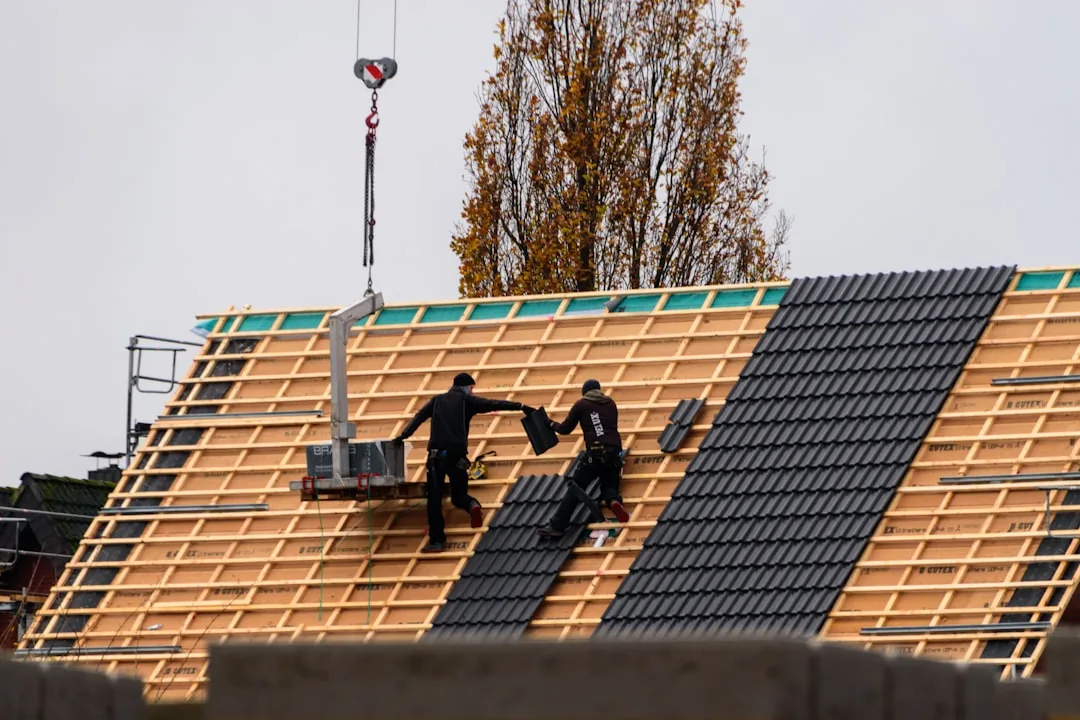
Professional installation runs $35–65 per linear foot for labor, doubling total project cost to $70–160 per foot depending on material and site conditions. A standard 60-foot privacy screen (6 feet high) takes 4–6 days for a two-person crew, including site prep, post setting, and slat installation. Most installers demand a 50% deposit and complete projects within 14 days of material delivery.
DIY installation is viable if you own a level, circular saw, and impact driver. Composite slats require no finishing, reducing project timeline by half compared to cedar screening. Budget $180–240 in tools if starting from zero; rental equipment (post-hole auger, power nailer) adds $80–120 for a weekend.
Complete guide
The Minimalist Style Guide That Covers Every Room, Surface and Outfit
Interiors, exteriors, kitchens, bedrooms, fashion, hair — all in one place
Complete guide
Exterior Decor Ideas Every Homeowner Should Know
Facade trim, moldings, patio design, garden, hardscape, outdoor living — all in one place