Rucking for beginners turns your daily walk into strength work
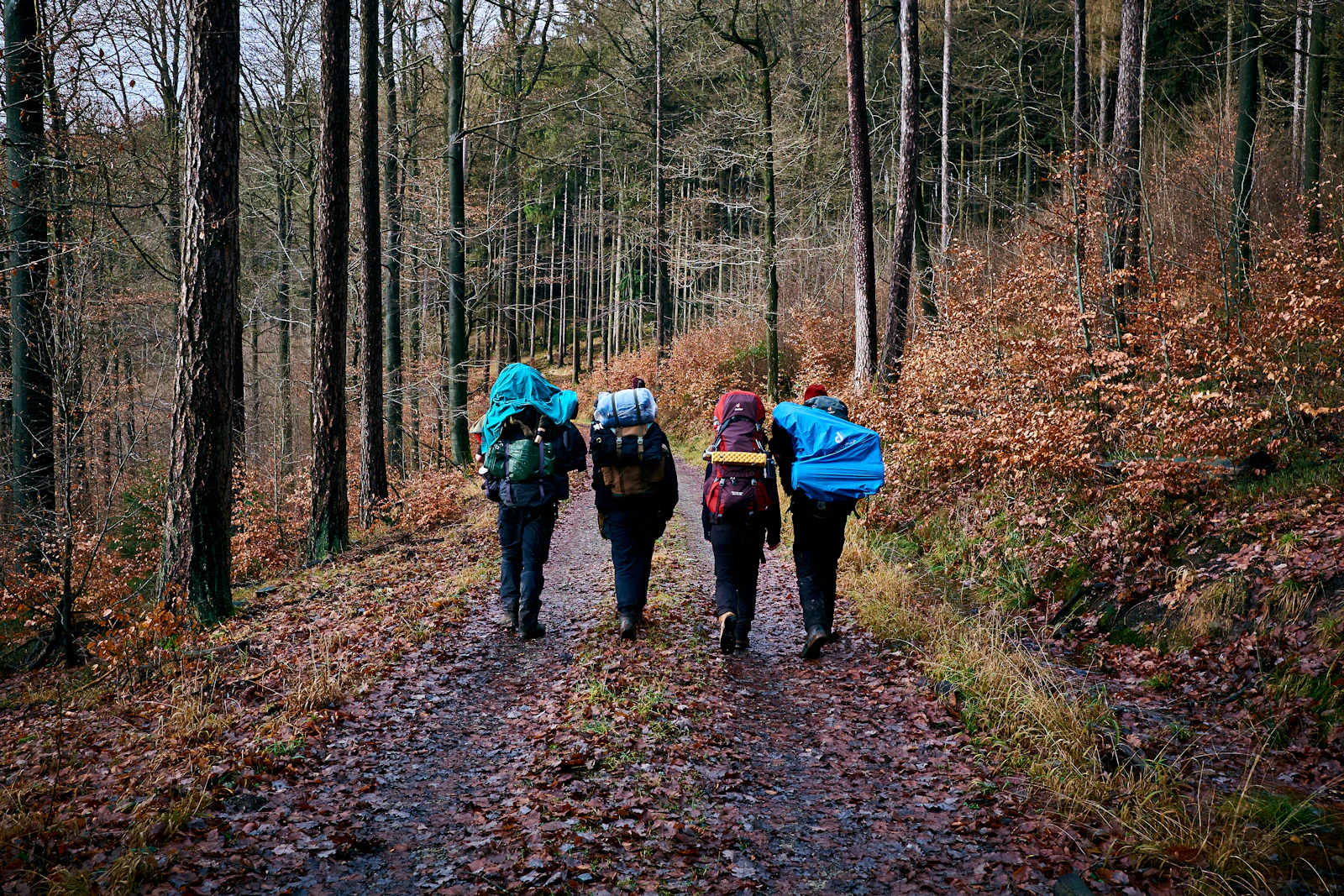
Rucking adds a light backpack load to an everyday walk. Here is how much weight to start with, which gear works and how to progress safely through winter.
333k+ Lifestyle & Design Ideas

Rucking adds a light backpack load to an everyday walk. Here is how much weight to start with, which gear works and how to progress safely through winter.
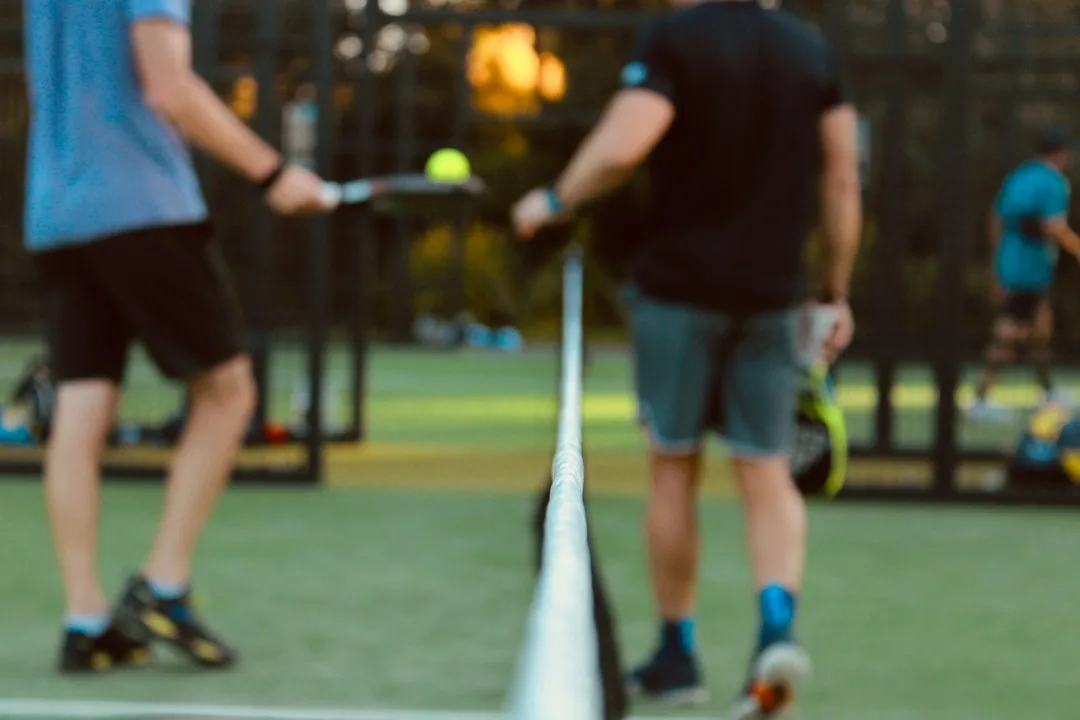
Pickleball training is pulling adults off treadmills and onto small courts because the sport demands side-to-side speed and quick stops. Here is why it works, how to start without joint strain, and which mistakes to avoid.
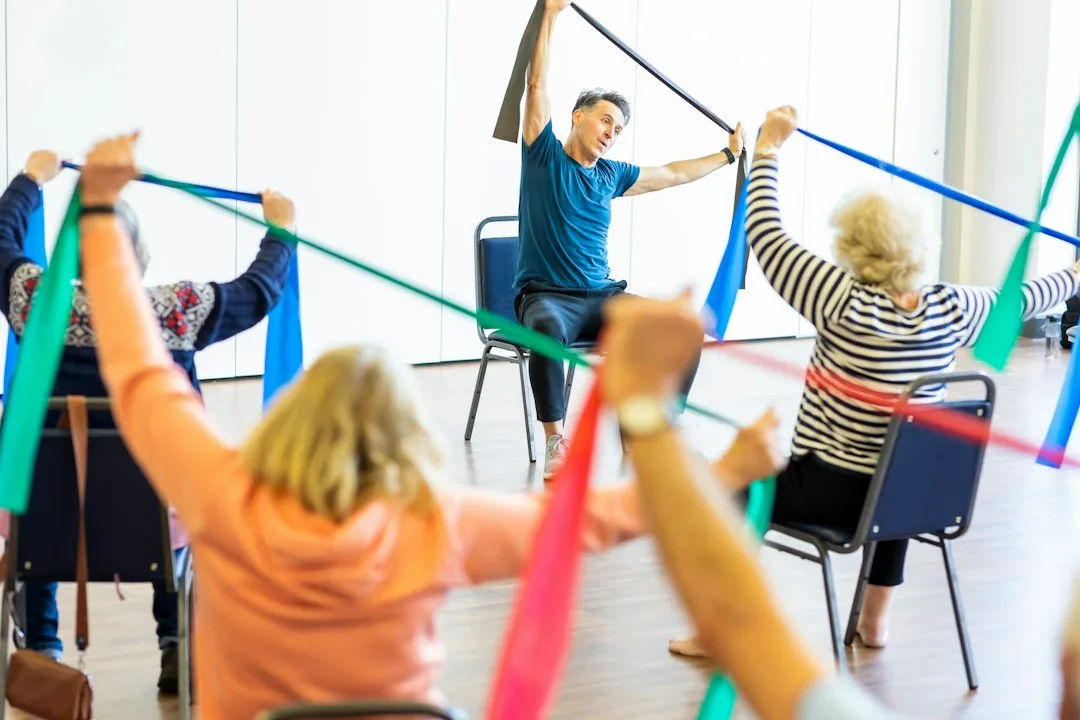
Low-impact strength training has become the fastest-growing fitness category for adults over 40, combining compound movements with resistance tools that build functional strength without joint damage. This shift away from heavy barbell work reflects a broader move toward longevity-focused fitness that prioritizes sustainable muscle gain over aesthetic performance.

Contrast therapy recovery—alternating hot and cold exposure—has emerged as the fastest way to reduce soreness and prepare muscles for the next session without passive downtime. Athletes from rugby to CrossFit are systematizing hot-cold cycles into their weekly schedules, driven by measurable drops in inflammation markers and faster return to peak performance.
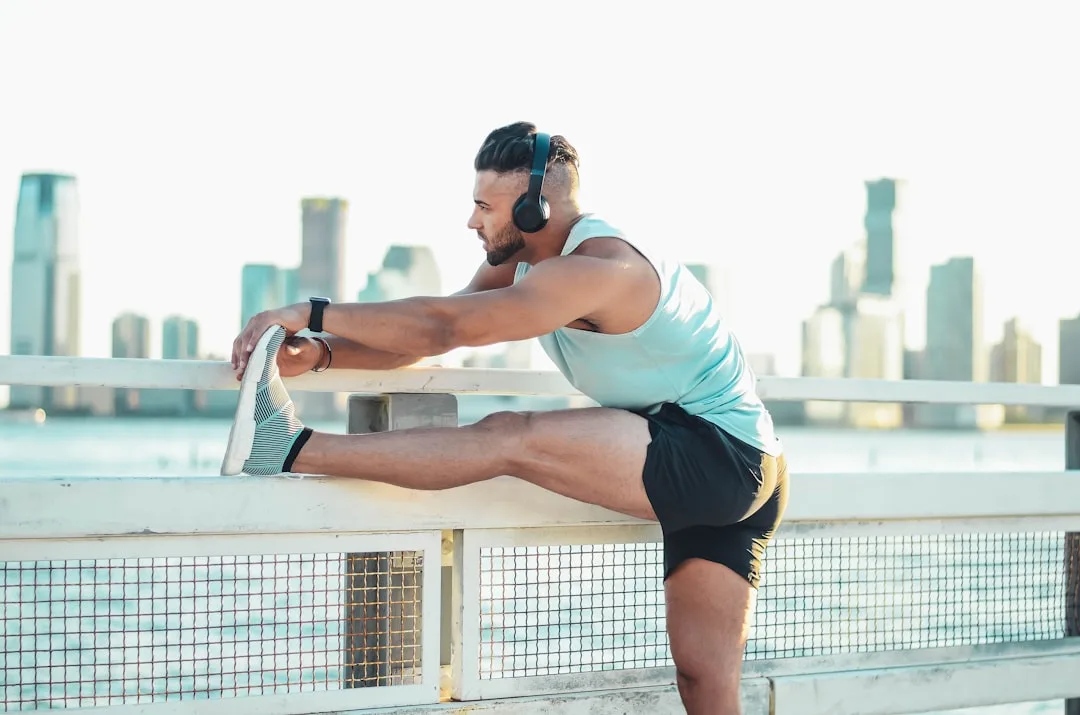
Active recovery cardio has moved beyond rest days into a deliberate, science-backed protocol that separates elite athletes from those who plateau. By integrating easy-paced, low-stress cardiovascular work into the 48–72 hours after hard training, you’re not wasting time—you’re triggering blood flow that clears metabolic waste and accelerates protein synthesis.

Eccentric walking—deliberately slowing your descent on inclines—triggers deeper muscle fiber activation than level ground fitness. Fitness labs confirm it builds leg strength and knee resilience in 12 weeks with zero running impact.
Myofascial release recovery training has moved from luxury spa treatment to a core element of serious fitness programming. Athletes and trainers now use targeted fascial work within 6–48 hours post-workout to reduce soreness, restore range of motion, and prepare muscles for the next stimulus.
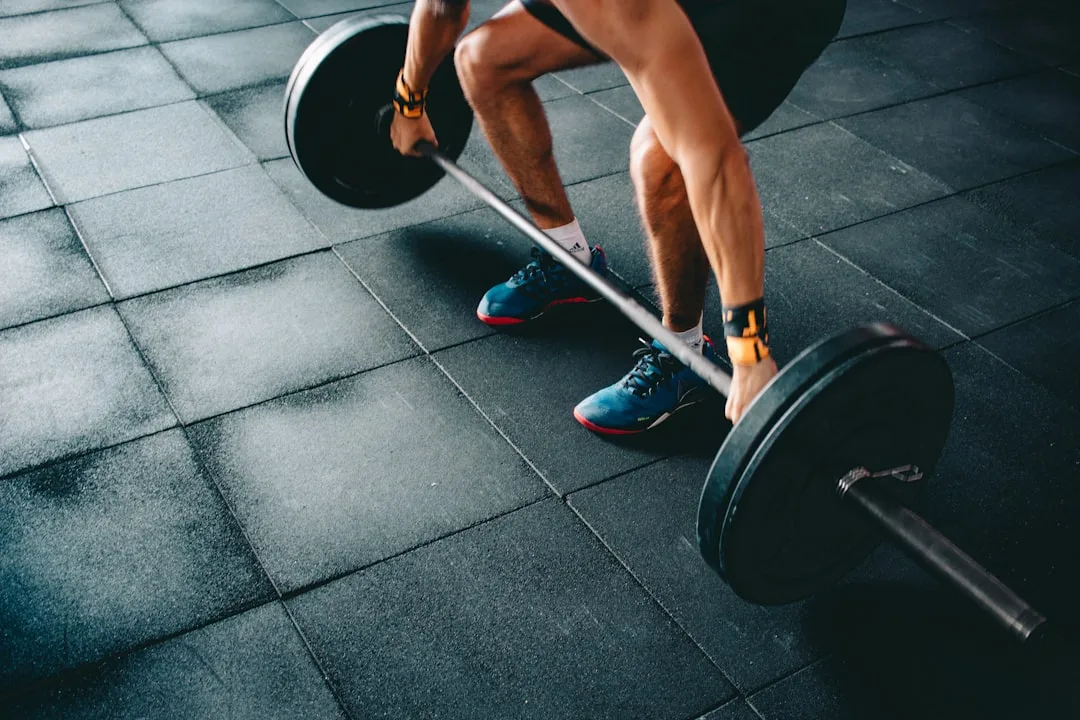
Functional strength training reshapes how adults over 45 approach fitness by prioritizing real-world movement patterns over isolated muscle work. This shift targets daily activities—climbing stairs, lifting groceries, maintaining balance—while reducing joint stress and building resilience.