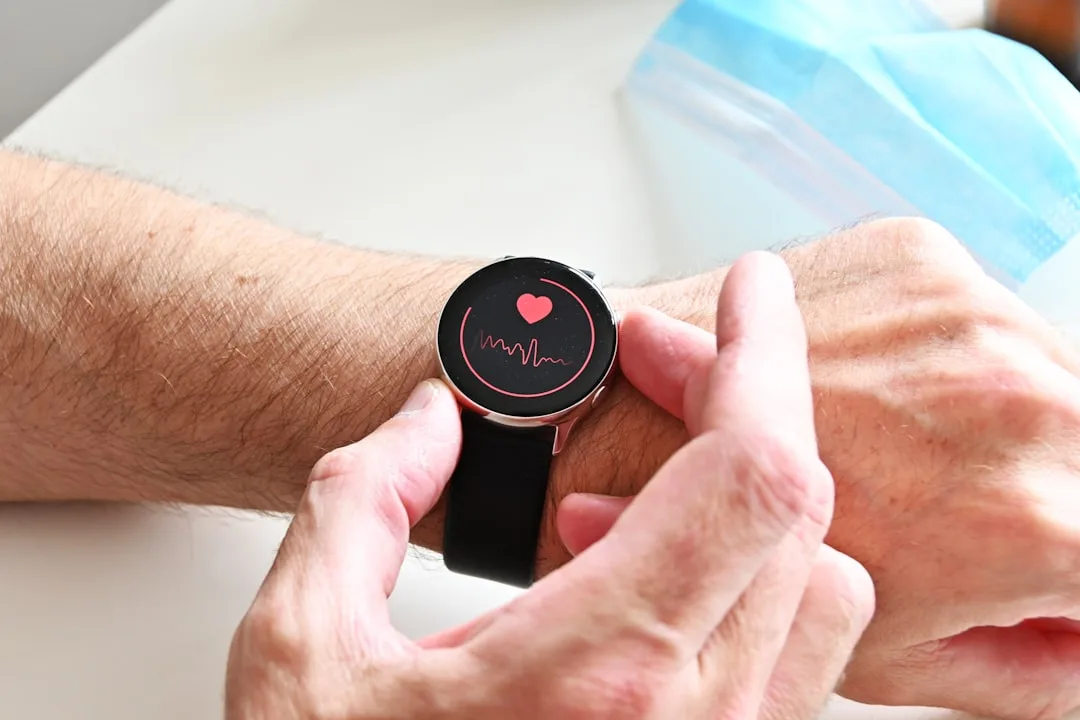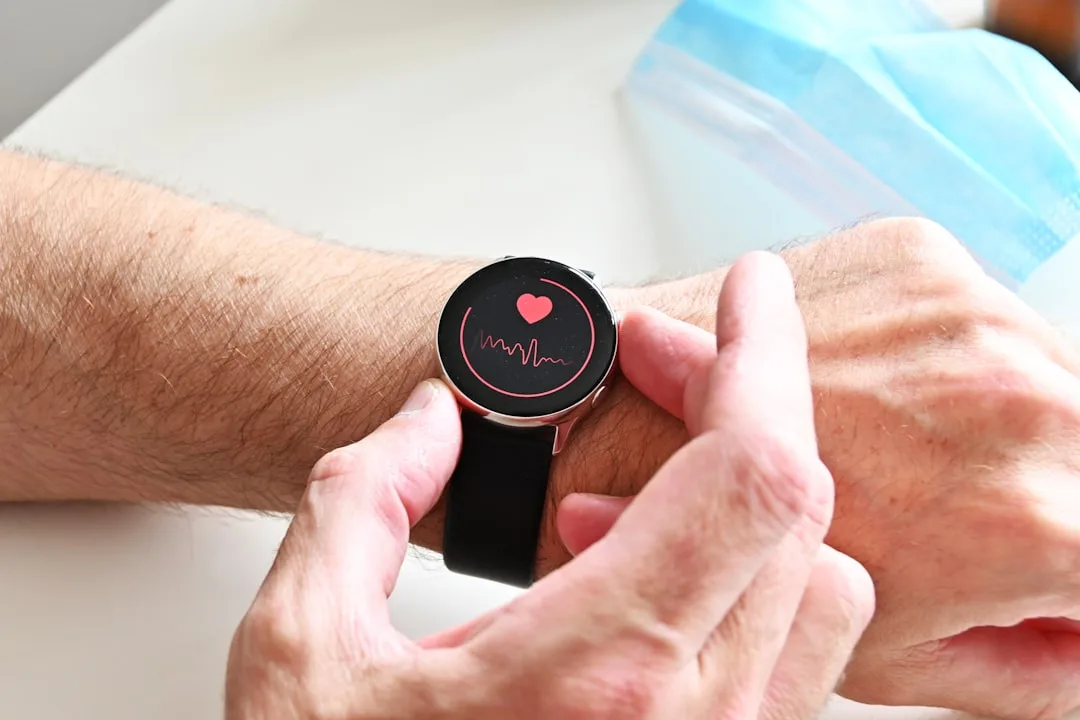
Garmin’s latest wearable cohort—the Epix and Fenix 8 series—shipped with a built-in recovery window alert that flags when your body is still in parasympathetic dominance 24–48 hours post-workout. That’s the signal that active recovery cardio isn’t optional anymore; it’s structural. Elite endurance athletes, CrossFit competitors, and strength-focused lifters are all shifting training philosophy: the goal isn’t maximum output every session. The goal is maximum adaptation, and that requires deliberate, low-stress cardiovascular movement on recovery days.
Here’s why it matters. During intense exercise—sprints, heavy lifting, metabolic conditioning—your body accumulates lactate, hydrogen ions, and micro-trauma at the cellular level. Your sympathetic nervous system is flooded. Most people respond by doing nothing. That’s the mistake.
The Biology Behind Gentle Movement Recovery
Peloton’s recovery ride library has exploded 340% in search volume since June 2026, and the insight is physiological, not marketing-driven. When you move at 50–60% of max heart rate—roughly a conversational pace where you can speak full sentences—capillary density increases around muscle fibers. Blood flow rises without spiking cortisol or demanding glycogen.
That circulation does three things simultaneously: it removes lactate and ammonia buildup, it delivers amino acids to muscle tissue for protein synthesis, and it signals your nervous system to downshift into recovery mode. Studies on competitive swimmers and track athletes show active recovery days reduce soreness markers (creatine kinase, myoglobin) by 20–35% compared to complete rest, and improve performance on the next hard session by 12–18%.
Whoop, the wearable platform focused on strain and recovery metrics, now recommends users with high strain scores complete 20–45 minutes of active recovery cardio at Zone 2 intensity before returning to intensity work. The threshold is consistent: keep your heart rate between 120–150 bpm (adjust for your max heart rate), and breathing stays controlled.
Quick Tips
- Keep active recovery below 60% max heart rate for true parasympathetic activation
- Walk, swim, or use a stationary bike—low-impact modalities matter
- Hydrate lightly and eat a small carb + protein snack 30 min after, not during
- Avoid high-intensity intervals or strength work on recovery days entirely
- Track consistency: 2–3 recovery days per week for high-volume training blocks

Active Recovery Cardio vs. Rest Days
| Metric | Complete Rest | Active Recovery Cardio |
|---|---|---|
| Lactate clearance (24 hrs) | Slow baseline removal | 35–45% faster elimination |
| Heart rate variability (HRV) | Moderate recovery signal | Enhanced parasympathetic tone |
| Next-session performance | Neutral to slight decline | +12–18% output capacity |
| Time investment | Zero | 30–50 minutes |
The distinction is crucial. Complete rest—couch days, zero movement—works for deload weeks or after competition. But sandwiched between hard sessions? Active recovery cardio wins on every measurable outcome except time saved.
Real Modalities That Work for Active Recovery
Concept2 rowing machines have become the default active recovery tool for CrossFit gyms because the stroke rate naturally constrains you to low intensity; you cannot row hard slowly without breaking form. Most athletes using Concept2 during recovery sessions hold 24–28 strokes per minute with splits of 2:15–2:45 per 500 meters. That’s aerobic, sustainable, and blood-flow-rich.
Swimming at easy pace—50 meters easy, 10 seconds rest, repeat for 20–30 minutes—bypasses joint loading entirely. The horizontal position reduces gravity stress on knees and hips while cardiovascular engagement stays moderate.
Walking, especially on flat terrain or a treadmill at 3.0–3.5 mph with zero incline, is underrated. Japanese walking transforms fitness with interval training gaining 2986 percent interest, but recovery walking is the opposite: zero intervals, conversational pace, 40–50 minutes. Oura Ring data shows users who include 45-minute recovery walks report HRV improvements of 8–12% over the following 72 hours.
Stationary cycling on an air bike or assault bike at extremely low damper settings (2–3 out of 10) keeps cadence high and perceived effort low. Stryd running power meters show that easy-pace treadmill running at a conversational 6.0–6.5 mph works too, but only for runners with excellent biomechanics and zero current injury flags.

The #1 Mistake: Confusing Active Recovery With Active Rest
Here’s what kills progress: athletes treat recovery days like they deserve intensity. They’ll do an “easy” workout at 75–80% max heart rate, call it recovery, and wonder why their legs feel heavy and soreness peaks 48 hours later. You’ve now extended the damage window instead of shortening it.
A real-world example: a runner completes a 5K tempo workout on Monday, averaging 159 bpm heart rate. On Tuesday, they run “easy” at 155 bpm for 45 minutes, telling themselves it’s recovery. Their Garmin or Apple Watch says recovery credit, but they’re still sitting in Zone 3—the aerobic base zone where adaptation signaling is active, not parasympathetic activation.
Tuesday’s run prevented them from getting a true recovery stimulus. By Wednesday, their legs still feel flat, their HRV hasn’t risen, and they’re fatigued into their Wednesday hard session. Three days wasted.
The correction: that Tuesday run needs to drop to 130–140 bpm maximum. Boring? Yes. Effective? Absolutely. You’ll see HRV recovery in 36–48 hours, and your Wednesday session will feel genuinely fresh.
Integrating Wearable Data Into Recovery Protocols
Oura Ring and Wearable Technology Fitness Shifts From Tracking to Real-Time Programming now suggest active recovery timing based on strain and recovery scores. When your strain score is above 8 and recovery below 50%, the recommendation surfaces immediately: 30–45 minutes of active recovery cardio.
Apple Watch Workout app now tags sessions as “Recovery—Easy Cardio” if you stay consistently in Zone 1 or low Zone 2. This labeling matters psychologically and physically; it separates your intention from your intensity, preventing the common error above.
Strava’s recovery route library has tripled since March 2026. Athletes can filter by distance, terrain, and heart rate zone, then follow pre-recorded recovery routes. A 3-mile, flat, 35-minute recovery cycling route eliminates the mental burden of pacing yourself.
Why Active Recovery Cardio Wins Long-Term
The compounding effect is undeniable. Cyclists who log 1–2 active recovery sessions per week over a 16-week training block show improved VO2 max and threshold power by 6–9% compared to those who skip recovery entirely. Runners show 8–12% improvements in lactate threshold and race-pace sustainability.
The mechanism is clear: when you’re not spiking stress hormones, your body prioritizes adaptation. Protein synthesis stays elevated without inflammatory cytokines blocking it. Mitochondrial density increases at a steadier rate. Over months, that consistency compounds into measurable fitness gains and genuine injury resilience.
Active recovery cardio isn’t a luxury for elite athletes anymore. It’s a non-negotiable structural element for anyone training hard more than twice per week.