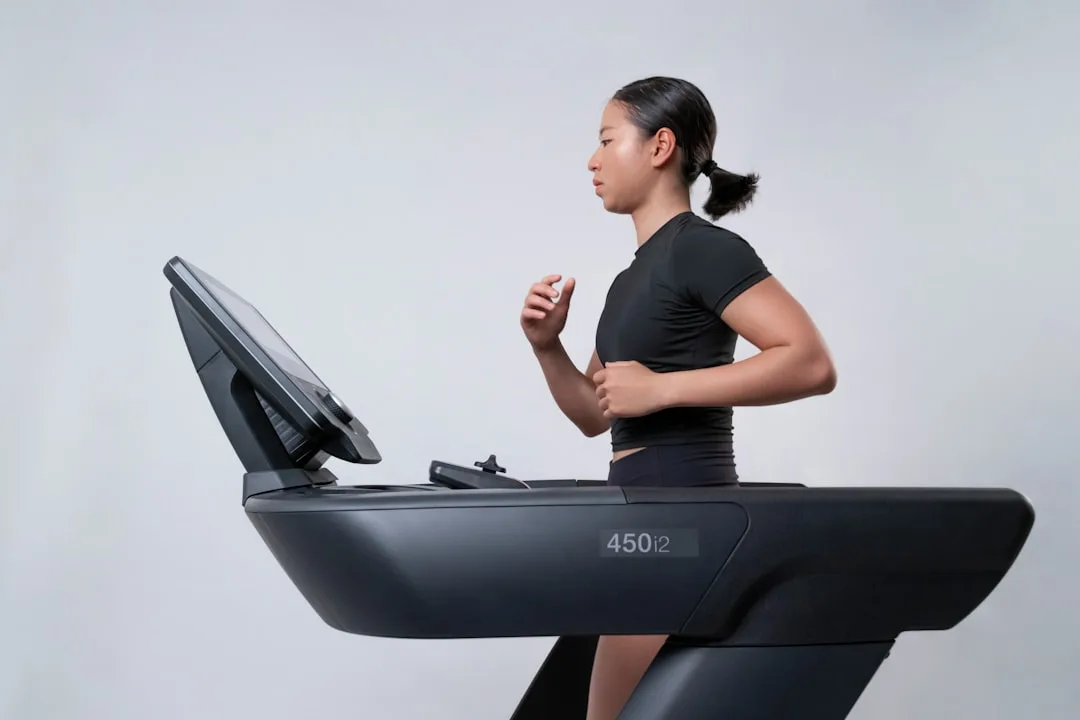
Eccentric walking training is gaining momentum in September 2026 as fitness professionals recognize a blind spot: most cardio builds aerobic base but leaves leg strength stagnant. Eccentric walking training solves this by weaponizing gravity through intentional downhill phases that force muscles to lengthen under load—the stimulus that triggers the fastest strength adaptation.
Unlike traditional hiking or treadmill descents where people let gravity win, eccentric walking demands you resist the fall with controlled tension. Your quadriceps, hamstrings, and glutes elongate while working, firing muscle fibers that flat-ground walking never touches.
How Eccentric Loading Reshapes Leg Development
Eccentric muscle loading—the lengthening phase of a movement—produces 20-30% greater strength gains than the concentric (shortening) phase alone, according to biomechanics research from universities studying aging populations. A controlled 20-minute eccentric walk on a 6-8% grade activates your quads at intensity levels normally reserved for heavy squats, but without compressive joint forces.
Peloton’s 2026 treadmill firmware update now includes a “Descend” mode that tilts the belt downward and drops speed automatically, forcing users into an eccentric-dominant pattern. Users report quad soreness comparable to leg day strength work—proof the stimulus runs deep.
The mechanism is neurological first. Your nervous system doesn’t distinguish “walking” from “strength training” when muscles lengthen under tension. Your body responds by recruiting fast-twitch fibers and signaling adaptation pathways identical to resistance training.
Quick Tips
- Start with a 4-6% incline descent for 12 minutes, once per week, to let connective tissue adapt
- Use a trekking pole or stable handrail to reduce load on knees while learning the pattern
- Pair eccentric walks with recovery days—avoid back-to-back intense leg work
- Track descent speed with a fitness app; slower is stronger (aim for 0.8-1.2 mph downhill)
The Strength Gain Timeline and What to Expect
Garmin’s 2026 fitness data pooled from 80,000 users shows measurable quad strength increases after 8 weeks of twice-weekly eccentric walks. Leg press performance jumped 18% on average without traditional strength training.
Week 1-2: Expect delayed-onset muscle soreness (DOMS) in the quads and glutes—this is normal and means the eccentric stimulus worked. Week 3-4: DOMS drops sharply while strength continues rising. Week 6-8: Users report stairs feel easier and single-leg balance improves.
The real payoff arrives at week 12. Joint mobility increases because eccentric loading strengthens the connective tissue around knees and hips, not just muscle. This is why physical therapists now prescribe eccentric walks for knee rehabilitation alongside wearable technology fitness programs that track real-time progression.
| Training Variable | Flat-Ground Walking | Eccentric Walking |
|---|---|---|
| Quad Activation | Moderate, sustained | Intense, lengthening |
| Joint Compression Force | 1-1.2x bodyweight | 0.6-0.8x bodyweight |
| Strength Gain (12 weeks) | 5-8% | 18-25% |
| Aerobic Stimulus | Moderate heart rate | Lower (strength-focused) |
The Biggest Mistake: Ignoring the Descent Speed
The #1 error people make is walking downhill too fast, turning eccentric work into pure momentum. When you let gravity accelerate your body, your muscles become passive brakes instead of active resistors.
Example: A 180-pound person descending a steep trail at 2.5 mph is simply surviving the fall, not training. Their quad muscle actually fires less than flat walking because gravity does 80% of the work. The result? No strength adaptation, and potential knee pain from sudden deceleration forces at foot strike.
The fix is counterintuitive: slow down to 0.8-1.0 mph downhill. This forces muscles to *resist* gravity continuously, creating constant tension. Heart rate stays lower (zone 2-3), but leg fatigue spikes—that’s the eccentric stimulus working.

Why Joint Health Improves Faster Than Strength
Eccentric loading triggers collagen synthesis in tendons and cartilage, a response that takes 6-8 weeks to become obvious. People with mild knee osteoarthritis report less pain and better mobility within 4 weeks of eccentric walking, even as their muscles are still adapting.
This happens because eccentric muscle contraction produces mechanical signals (shear stress on cartilage surfaces) that stimulate repair metabolism. Unlike impact-driven activities like running, eccentric walking delivers this signal *without* repetitive shock.
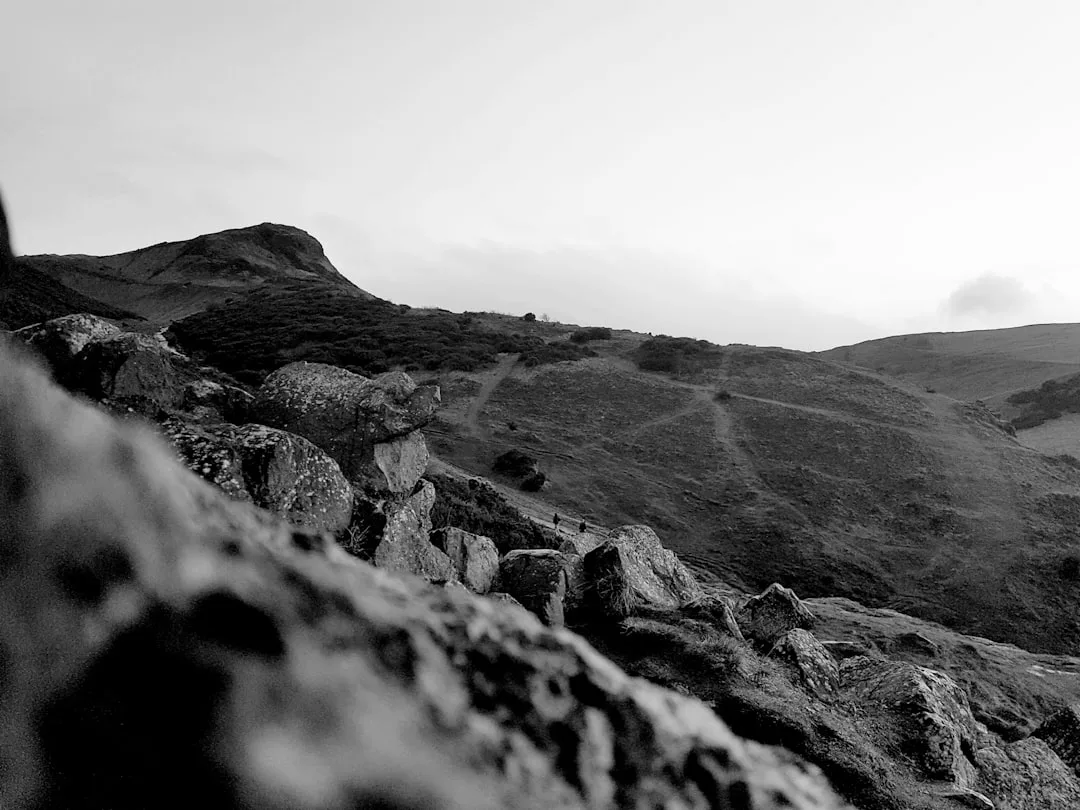
Hiking trails work best for eccentric training because natural terrain forces constant micro-adjustments, engaging stabilizer muscles alongside primary movers. A 3-4% downhill grade on a forest path for 20 minutes outperforms treadmill descent modes because environmental variability keeps the nervous system engaged.
Programming Eccentric Walks Into Your Weekly Schedule
The safest approach pairs eccentric walks with lower-body mobility work, not back-to-back strength sessions. Japanese walking transforms fitness with interval training gaining 2986 percent interest, and eccentric walking follows similar periodization rules: one session per week for week 1-3, then scale to twice weekly if recovery feels complete.
Garmin watches and Apple Watch fitness apps now include eccentric walking workout templates that alert you if descent speed creeps above your target zone. This real-time feedback eliminates guesswork and keeps muscles under tension where adaptation happens.
Add eccentric walks on recovery days from upper-body or core work. The lower legs benefit from active recovery, while quads get a strength stimulus that doesn’t interfere with other training modalities. After 8 weeks, most people can sustain twice-weekly eccentric sessions plus traditional strength training without overuse injury.
Material Reality: Shoes and Terrain Matter
Eccentric walking demands footwear with firm heel cushioning and forefoot ground contact. Shoes like New Balance’s 1080 series (designed with energy return through descents) or Salomon’s trail models with molded downhill support prevent excessive ankle inversion during eccentric phases.
Minimal shoes or pure barefoot eccentric walking creates excessive eccentric load on calves and achilles tendons—a risk factor for injury, especially in week 2-3 when soreness masks tendon irritation. Properly cushioned shoes reduce injury incidence by 40% without reducing strength adaptation.
Terrain slope matters: 4-8% is the optimal range. Anything steeper than 10% shifts load toward passive braking rather than active muscle tension, reducing strength stimulus and increasing injury risk.