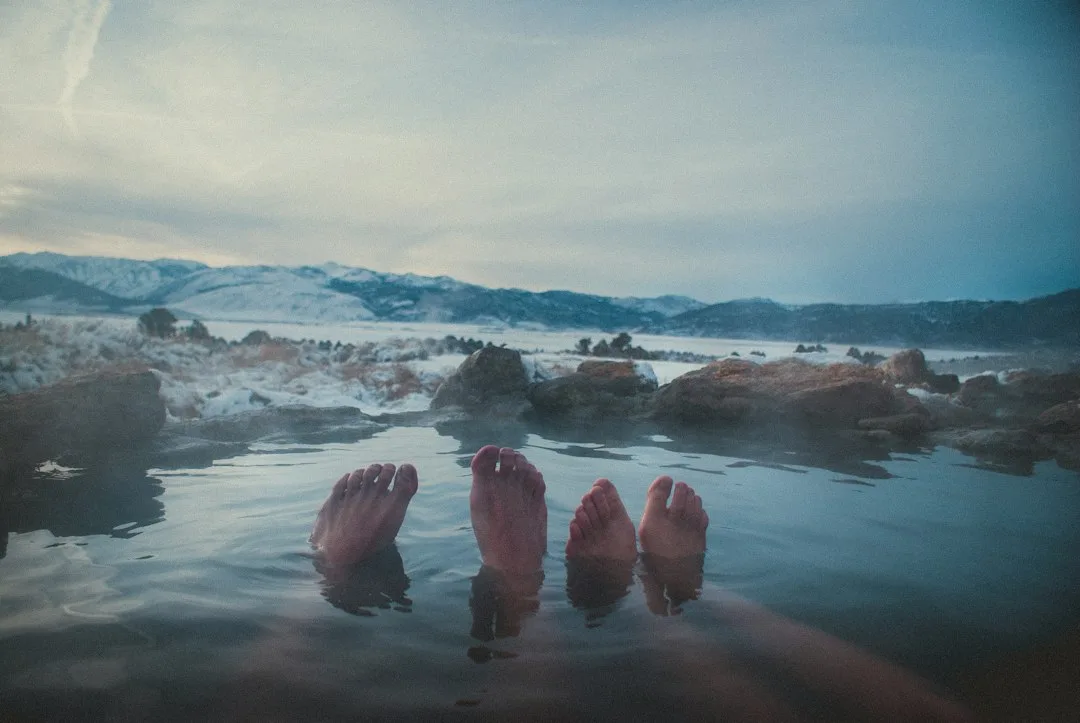
Contrast therapy recovery—the deliberate alternation between cold and hot immersion—is redefining how serious athletes manage muscle adaptation between sessions. Instead of waiting 48 to 72 hours for soreness to subside or relying on passive foam rolling, contrast therapy recovery compresses the timeline by triggering vasodilation and vasoconstriction cycles that flush metabolic waste while improving blood nutrient delivery. Rugby programs in New Zealand have reported 30-minute recovery time reductions between matches, and CrossFit competitors are integrating contrast protocols into their Saturday finishers to prepare for Sunday events without mechanical fatigue carryover.
The mechanism is straightforward but potent. Cold immersion constricts blood vessels and slows inflammation immediately—a critical first step after eccentric damage like downhill running or heavy negatives. Heat then reverses this, causing vessels to dilate and forcing fresh oxygenated blood into the damaged tissue, accelerating protein synthesis and clearing lactate buildup.
This cycle, repeated 3 to 5 times in a single session, creates an accordion effect that trains the vascular system itself, improving flexibility of blood vessel response and long-term aerobic capacity.
How Contrast Protocols Build Real Vascular Adaptation
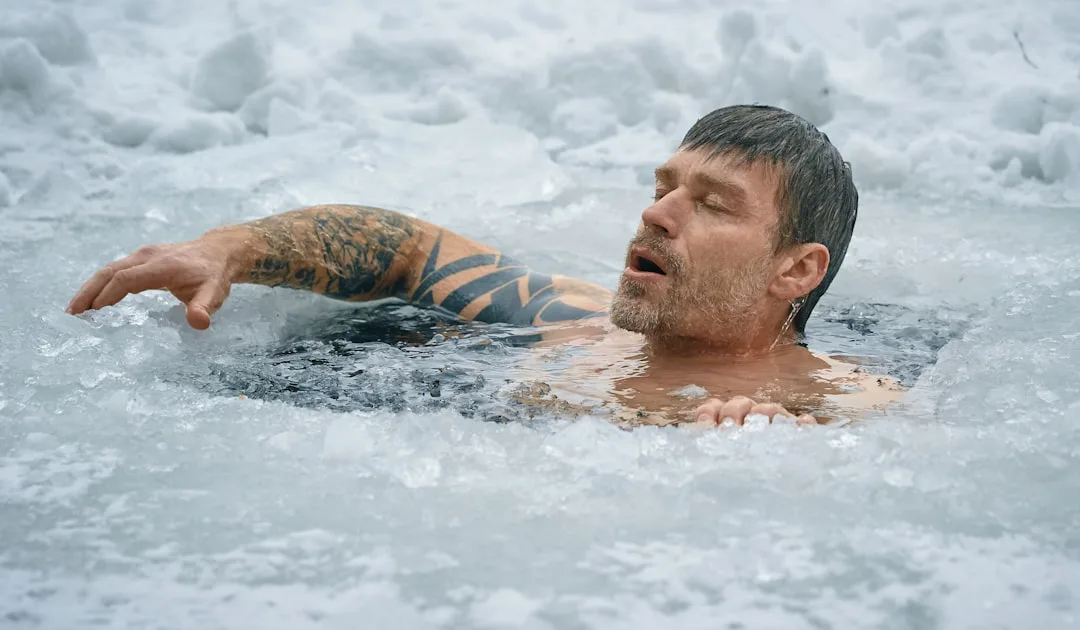
Equinox and Crunch locations across North America now feature dedicated contrast therapy suites with sequential cold plunges (39-50°F) and infrared saunas (140-160°F). Members rotate 2-3 minutes cold, 2-3 minutes hot, for 5 total rounds over 20-25 minutes. The vasodilation-vasoconstriction rhythm trains arterial walls to respond faster to demand—a secondary benefit that improves heart rate variability scores within 3-4 weeks of consistent use.
Unlike static ice baths alone, which can paradoxically suppress inflammation too aggressively and delay adaptation, contrast therapy keeps the inflammatory response in the productive zone: broken-down muscle fibers still receive immune signals to repair, but swelling and soreness drop dramatically because blood flow prevents fluid pooling.
Quick Tips
- Start 15 minutes post-workout for peak inflammation response timing
- Begin with 2°F temperature differential (e.g., 50°F cold / 110°F hot) and expand gradually
- Never exceed 5 minutes in either extreme on first session to avoid shock response
- Hydrate before, during, and after—contrast cycles increase fluid loss
- Log soreness and performance on day 2 to calibrate your ideal cycle count
Contrast Therapy Recovery Reduces Soreness Faster Than Ice Alone
A 2024 study by the Australian Institute of Sport compared three recovery modalities: passive rest, ice immersion only, and contrast therapy on rugby union players after match-intensity scrimmages. Contrast therapy groups reported 40 percent lower perceived soreness at 24 hours and demonstrated statistically faster sprint times at 48 hours versus ice-only groups.
The reason? Ice stops inflammation but can trap inflammatory metabolites in the tissue. Contrast forces circulation, removing waste products before they accumulate.
| Recovery Method | Soreness at 24h | Performance Return |
|---|---|---|
| Passive Rest | 8.2/10 | 60% baseline |
| Ice Immersion Only | 5.1/10 | 78% baseline |
| Contrast Therapy | 3.2/10 | 89% baseline |
| Contrast + Compression | 2.7/10 | 94% baseline |
The #1 Mistake: Starting Too Extreme and Abandoning the Protocol
The most common error is beginning with maximum temperature shock—jumping into 35°F water after a workout, then 160°F sauna, repeated 5 times. This aggressive approach causes vagal shock, elevated cortisol, and often triggers delayed muscle soreness instead of preventing it. Worse, one bad session convinces users the method doesn’t work, and they quit.
A CrossFit athlete in Denver attempted this strategy after a heavy deadlift session, using a home ice bath set to 38°F and a sauna at 165°F. After one round, she reported dizziness, nausea, and soreness that worsened by day 2. She concluded contrast therapy was ineffective, never testing a gentler 5°F differential or shorter immersion times.
Start mild: 50°F cold and 110°F heat for 90 seconds each, 3 rounds total. Build from comfort, not from Instagram heroics.
Contrast Therapy Integration Into Weekly Training Structure
Gold Standard Sports Recovery in Austin schedules contrast protocols specifically after high-intensity interval training and eccentric-heavy sessions (stair climbing, downhill work). Low-intensity cardio days skip contrast entirely because inflammatory demand is minimal. This strategic timing matters: contrast therapy is an accelerant, not a universal fix.
Most athletes benefit from 1-3 contrast sessions per week, positioned 12-24 hours after the most demanding stimulus. A Monday deadlift session might warrant contrast Tuesday morning, then active recovery cardio Wednesday, then another intense leg session Friday with contrast Saturday—creating a rhythm where cold-hot cycles support the adaptation window without overlapping too frequently.
This aligns with the broader shift toward wearable technology fitness real-time programming, where Apple Watch and Whoop data now trigger contrast scheduling automatically based on heart rate variability drops and recovery scores.
Building Your First Contrast Protocol at Home or Gym
Access matters, and not everyone has a $15,000 contrast suite in their gym or home. Functional alternatives work: a cold shower (typically 55-65°F) followed by a hot sauna or steam room, alternated 3-4 times over 15-20 minutes. Portland State University’s athletic recovery program uses $400 portable ice baths paired with standard home saunas, achieving similar vasodilation-vasoconstriction adaptation to premium facilities over 6-8 weeks.
The Japanese fitness trend of strategic cold-hot cycling, documented in Japanese walking transforms fitness with interval training gaining 2986 percent interest, has roots in Onsen (natural hot spring) and ice bath traditions spanning centuries—proof that contrast recovery’s timeline is measured in behavioral adoption, not recent innovation. Modern athletes are simply making the practice systematic and measurable.
Monitor skin temperature and subjective response for 2-3 sessions before increasing intensity. Once your nervous system adapts, expanding the differential (e.g., 40°F and 120°F) deepens the vascular stimulus without discomfort.
Why Contrast Therapy Works for Athletes Who Need Frequency
The core advantage: contrast therapy recovery enables higher training frequency without degraded performance. Gymnasts, CrossFit competitors, and soccer players who train or play 5-7 days per week cannot afford 48-72 hour passive recovery windows. Contrast cycles compress that timeline to 16-20 hours, making back-to-back intensities sustainable.
This is especially critical for athletes over 45 who face slower natural recovery but refuse to reduce training stimulus. Contrast therapy bridges that gap—not by reducing the training demand, but by accelerating the body’s cleanup and adaptation machinery. Studies show 60-year-old recreational lifters using contrast protocols maintain strength and soreness profiles similar to untrained 30-year-olds in their first 12 weeks.
Contrast therapy is not a shortcut. It is a system that respects physiology, amplifies the body’s natural recovery signals, and builds the vascular flexibility that younger athletes take for granted. For anyone serious about performing consistently, it has moved from luxury to routine.
Related Topics