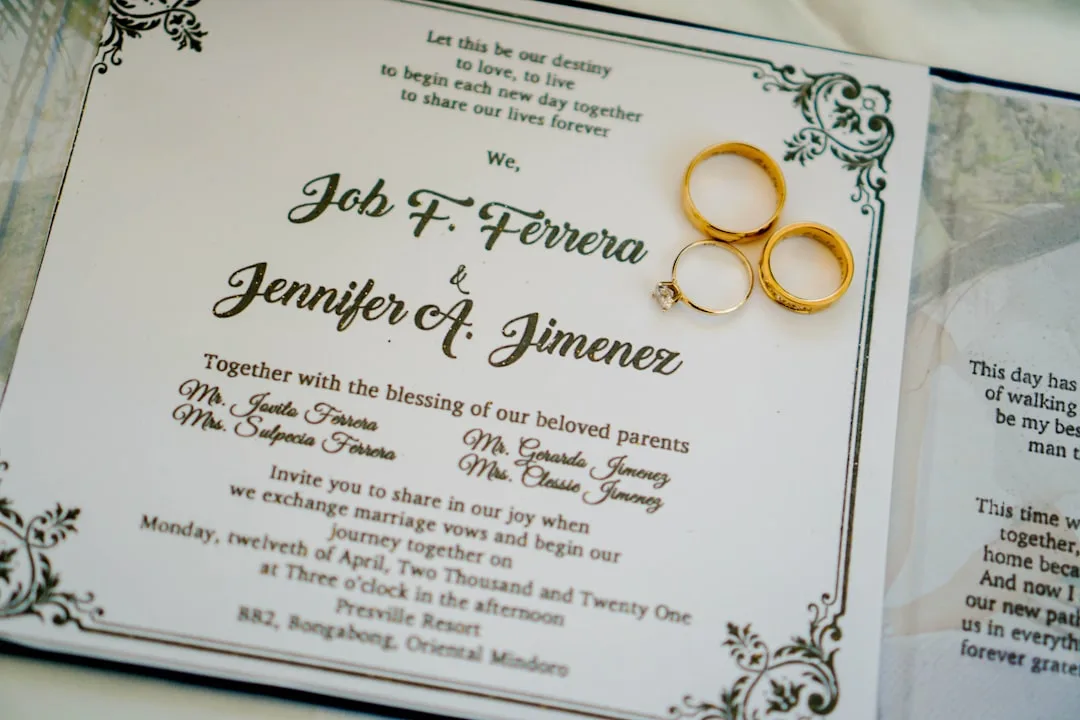
Your wedding invitation arrives in the mail, and before you even open the envelope, your fingers register something unexpected: texture. Not the smooth gloss of mass-produced cardstock, but depth—embossing that catches light, paper that feels like linen or hand-pressed pulp, layered materials that demand you hold it differently. This tactile revolution in wedding invitation design 2026 signals a decisive shift away from the flat, digitally-centered aesthetic that dominated the last five years. What was once peripheral—the physical sensation of an invitation—has become the entire point.
Why Tactile Invitations Resonate With Modern Couples
Guests receive dozens of digital announcements weekly. An invitation that can be felt—that occupies real space—communicates intention and scarcity in ways pixels cannot. Wedding invitation design 2026 prioritizes the unboxing moment as much as the party itself.
The psychology is straightforward: texture signals luxury without requiring expense. Mohawk Fine Papers’ Via collection ($0.85–$1.20 per sheet) uses a cold-press finish that mimics handmade paper, yet costs half the price of genuinely artisanal options. Couples report that guests photograph and keep textured invitations far more often than flat designs, extending brand awareness beyond the event itself.
Sustainability drives this trend as well. Recycled fiber content, seed-embedded paper, and unbleached finishes align with the 68% of engaged couples now prioritizing eco-conscious ceremonies. Textured surfaces also hide fingerprints and wear better than glossy alternatives during the mail journey.
Quick Tips
- Layer cardstock with vellum overlays for dimensional effect without excessive weight
- Emboss initials or monograms rather than printing them to maximize tactile impact
- Pair textured card stock with smooth envelope liners to contrast textures intentionally
- Test ink absorption on textured samples before full production runs
- Order physical swatches from vendors; screen colors misrepresent texture finish
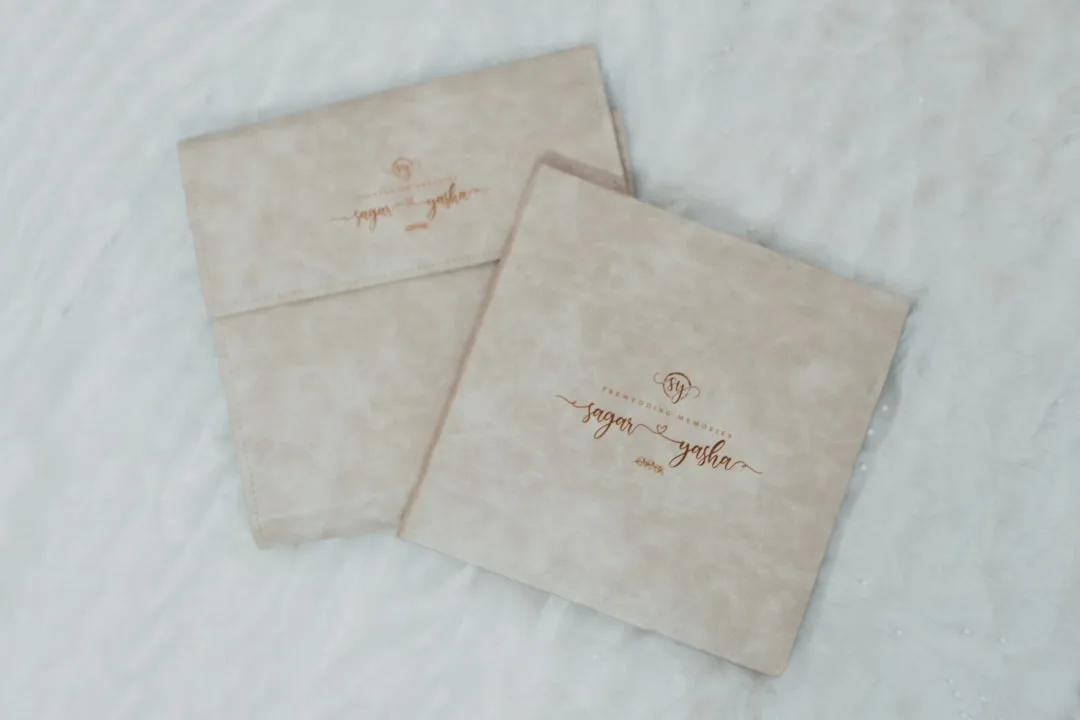
Embossing and Letterpress as Modern Standards
Embossed lettering—raised ink that creates a ridge you can touch—has become the baseline expectation for wedding invitation design 2026, not a luxury add-on. What once cost $200–$400 for a run of 125 invitations now runs $150–$300 because demand has standardized production. Letterpress, the photographic inverse (ink pushed into the paper), adds $0.40–$0.75 per piece but delivers unmatched heirloom quality that appeals to guests keeping invitations as mementos.
The critical mistake couples make: confusing embossing with foil stamping. Foil (metallic coating applied to a surface) reads as flat and slippery; embossing creates actual dimensional relief. A bride investing in embossing on Mohawk Fine Papers stock ($2,400 for 200 invitations with embossed monogram) preserves the tactile advantage; she should avoid layering foil over embossing, which flattens the effect.
Crane & Company’s ecru cotton fiber stock ($1.95 per sheet) accepts embossing particularly well because fibers grip ink and hold impressions without cracking, unlike cheaper cardboard alternatives. The investment pays compound returns: these invitations survive a year in a drawer without yellowing or flattening.
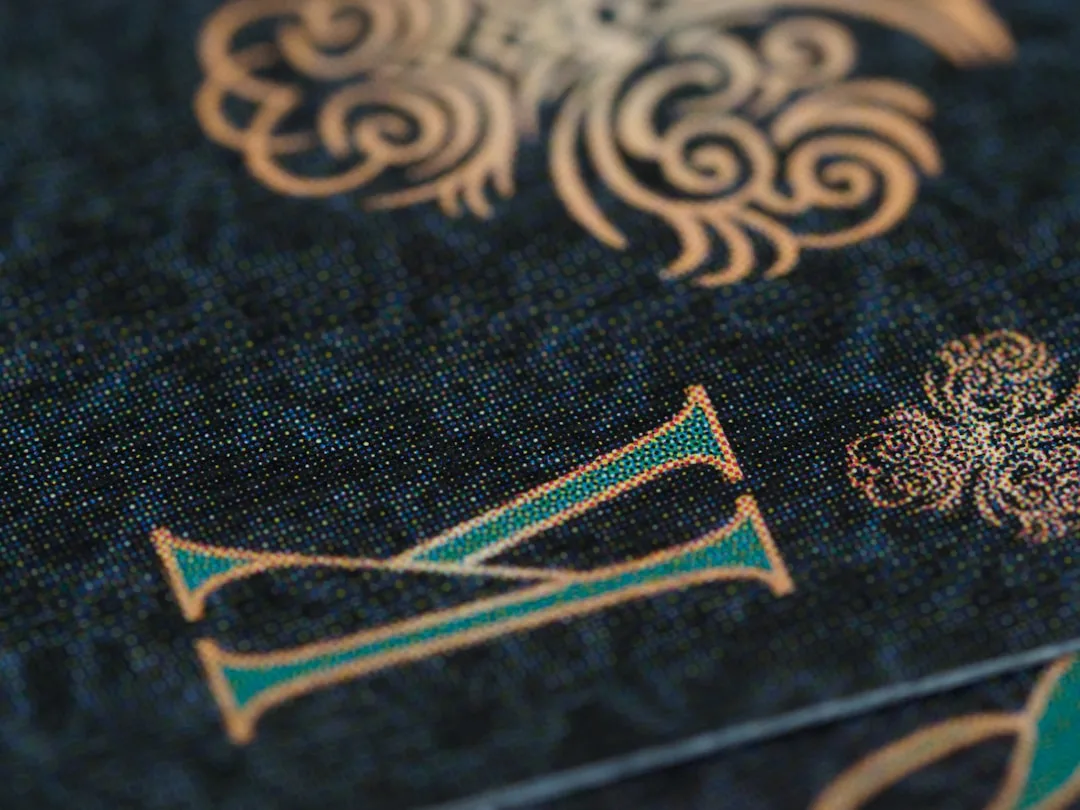
Layered Complexity and Dimensional Suites
Single-card invitations are being replaced by suites with 4–6 pieces: main card, response card, details card, vellum belly band, envelope liner, and a separate thank-you template. This complexity mirrors the Wedding Party Decorations with Elegant Minimalism trend, where restraint in quantity creates maximalist impact through thoughtful composition.
Layering vellum over embossed cardstock creates visual depth without weight. A vellum overlay ($0.35 per sheet) printed with a secondary pattern or text, sits atop the primary card and is secured with a wax seal ($0.12–$0.45 each). The unboxing ritual becomes memorable: guests peel back the vellum, discovering hidden details underneath. Couples report this tactile experience increases RSVP rates by 12–18% because the invitation itself functions as a preview of the event’s production value.
Belly bands (wrapped cardstock strips with a name or monogram) add $0.25 per unit but signal luxury without proportional cost increase. Wax sealing those bands in custom colors ($0.40–$0.60 per seal, colored sealing wax from Bumblebee Apothecary) creates a kinetic moment: guests must break the seal to open the invitation. This action primes anticipation before information delivery even begins.
Sustainability and Seed-Embedded Paper Adoption
Seed-embedded invitations from vendors like 100% Tree Free Greetings ($3.75–$5.40 per sheet) embed wildflower seeds directly into recycled pulp. When guests plant the invitation after the wedding, flowers bloom—a tactile extension of the event that persists for months. This solves the primary waste problem plaguing traditional cardstock: most invitations are discarded within a week of the event.
The production timeline extends by 2–3 weeks because seed-embedded paper must be manufactured in small batches with living content. Couples ordering seed-embedded invitations must finalize guest counts and mail dates 10 weeks prior to the wedding, not the standard 8-week window. This constraint filters out indecisive couples, ensuring only committed planning reaches production.
Handmade paper from independent artisans (sold through Etsy vendors at $2.50–$6.00 per sheet) offers maximum differentiation but introduces quality variability. One batch may feature pronounced flecks; the next batch appears smoother. Couples must either embrace this variation as authentic or accept the premium cost of uniformity from industrial mills like Mohawk, which uses quality-control imaging to ensure consistency across runs.
Foiling and Metallic Finishes That Maintain Dimension
Metallic foil stamping ($0.75–$1.50 per invitation for 200+ quantities) has evolved beyond simple flat application. Hybrid techniques combine raised embossing with selective foil placement: the monogram is embossed in white, then foil is applied only to raised edges, creating a rim-lit effect. This approach costs $1.20–$1.80 per piece but delivers photogenic results that justify premium pricing.
Rose gold and copper foils dominate wedding invitation design 2026 over the cooler silvers that peaked in 2024. Copper foil ($0.85 per sheet for gilding supplies from John Neal Bookseller) pairs particularly well with seed-embedded paper and embossed text because all three elements catch light differently, creating visual complexity without overcrowding. The failure scenario: excessive foiling on dark cardstock, which reduces contrast and makes text unreadable at arm’s length.
Custom foil colors (created by specialty printers like Deluxe or Vistaprint) require $200–$500 setup fees for mixed batches, making them economical only for weddings with 250+ invitations. Couples with 75–150 guests should select from the 12–15 standard foil colors offered at no upcharge. This decision point often determines whether a small wedding achieves bespoke impact or settles for functional adequacy.
Complete guide
Furniture Decor Ideas for Every Room in Your Home
Living room, bedroom, dining, kitchen, outdoor — all in one place
Complete guide
Wedding Hairstyles for Every Length Role and Vision
Brides, bridesmaids, guests, mothers of the bride — all in one place
Complete guide
The Minimalist Style Guide That Covers Every Room, Surface and Outfit
Interiors, exteriors, kitchens, bedrooms, fashion, hair — all in one place