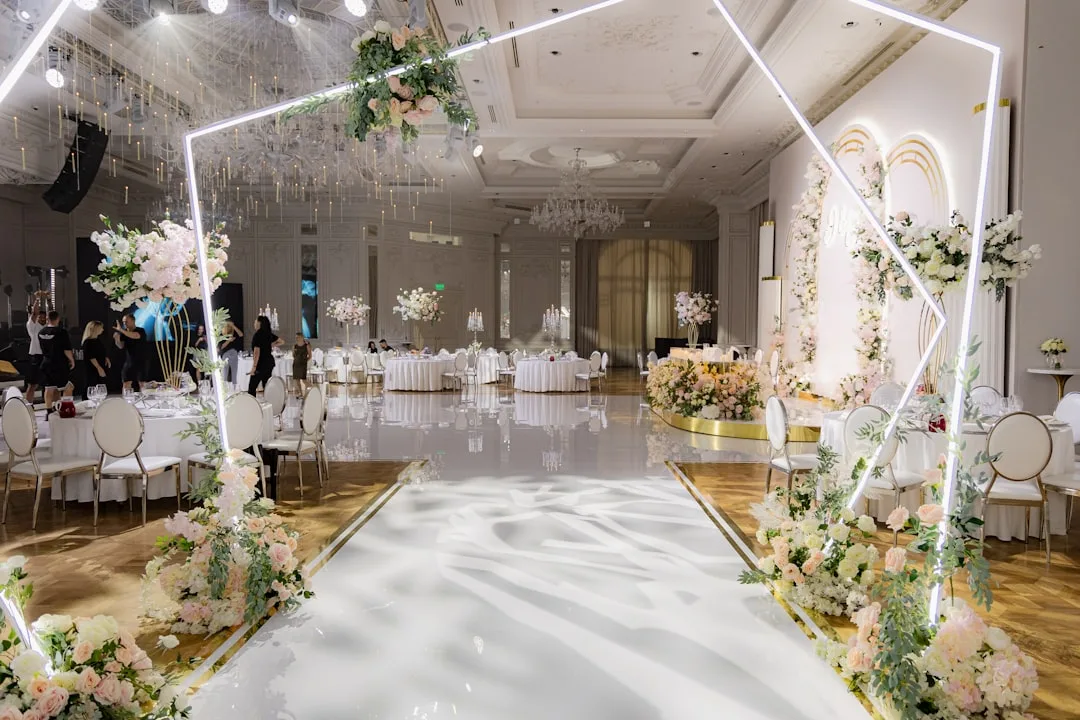
Wedding ceremony arches have become one of the most contested design decisions couples face—and in 2026, the pendulum has swung decisively away from traditional floral arrangements toward architectural presence. Rather than hiding structure beneath peonies and roses, today’s couples are embracing mixed-material arches that reflect their values, aesthetic, and the actual space they’re celebrating in.
This shift matters because it changes both the cost and permanence of the installation. A wedding ceremony arch dense with fresh florals requires daily conditioning, is limited to a single season’s blooming window, and often looks spent by the reception. Structural arches—those built from wood, metal, fabric, and greenery—live longer, photograph better under different light, and tell a more intentional story.
Reclaimed Wood Arches Define Narrative Strength
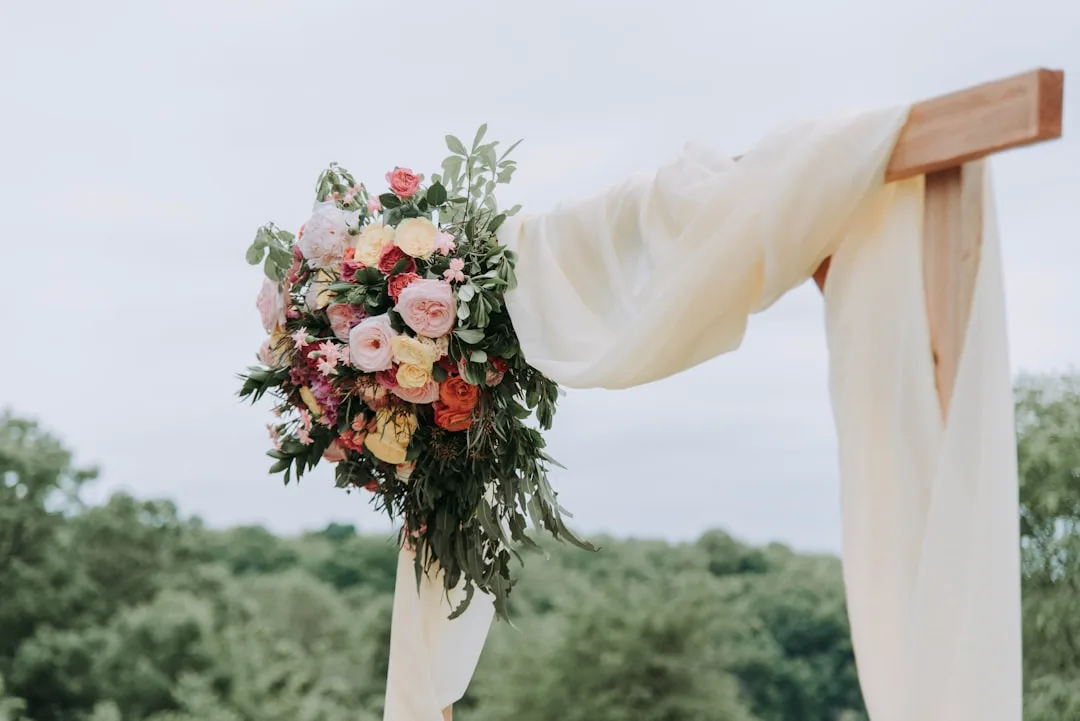
Venues like Terrain Cafe in Pennsylvania have driven adoption of wooden arches that feature natural grain, weathered texture, and asymmetrical dimensions. A reclaimed barn-wood arch, salvaged from 1920s agricultural buildings, brings authenticity that new materials cannot replicate. These arches typically stand between 8 and 12 feet tall, with crossbeams ranging from 6 to 10 inches wide, creating visual weight without requiring hundreds of cut flowers.
The cost calculus shifts dramatically here. A reclaimed-wood ceremony arch might run $800–1,500 for rental or $1,200–2,500 for custom construction—substantial, but a fraction of fresh florals that would cost $1,500–3,000 for three-hour use. The wood becomes an asset: it photographs authentically, requires zero daily maintenance, and many couples donate or resell the arch after the wedding.
Quick Tips
- Measure your venue ceiling or outdoor overhead clearance before committing to arch height—a 10-foot arch under an 8-foot tent overhang defeats the visual impact.
- Schedule your arch installation and decking at least 60 minutes before guest arrival to allow for lighting adjustments and final fabric smoothing.
- If using natural wood, apply a weather-protective sealant two weeks prior to your event—rain-dampened wood loses its visual definition.
- Position your arch to face late-afternoon or early-evening light if outdoor; backlighting creates silhouette drama that florals alone cannot achieve.
Metal Frameworks and Geometric Precision
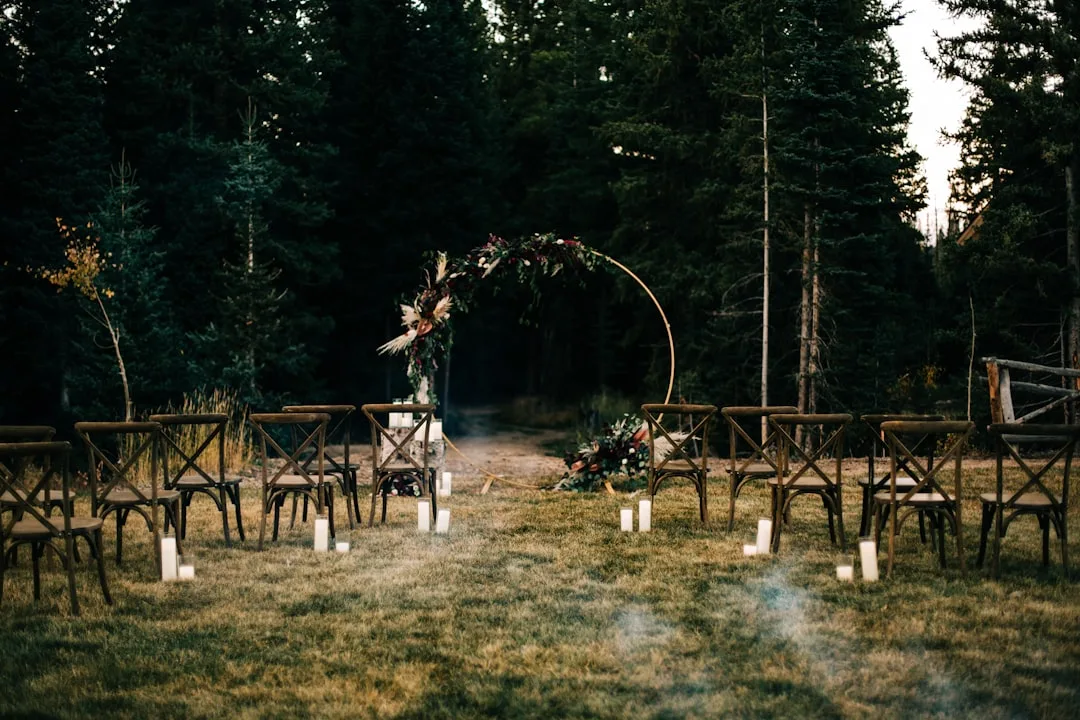
Brass, blackened steel, and copper have become the preferred materials for couples seeking modern minimalism. Studio Floral Design (Denver) and similar forward-thinking florists now position metal geometric arches as the structural backbone, adding only accent greenery or silk ribbon rather than full floral coverage. A typical geometric metal arch spans 8 feet wide by 9 feet tall, with angles ranging from 45-degree to 90-degree joints.
Why metal reads as more intentional? Precision geometry demands clarity. You cannot hide a poor proportion behind roses; every line must be right. Metal arches force designers to consider sightlines, camera angles, and how the arch frames the couple’s positioning.
| Arch Material | Durability | Reusability |
|---|---|---|
| Reclaimed Wood | 5–8 years with sealing | High—rental or personal resale |
| Blackened Steel | 20+ years with maintenance | Very High—architectural piece |
| Fresh Floral Arch | Single event only | None—compostable after |
| Linen Draping | 3–4 years (storage-dependent) | High—can be repurposed or dyed |
Fabric Draping Replaces Density
Creating Visual Impact Without Overwhelming the Space
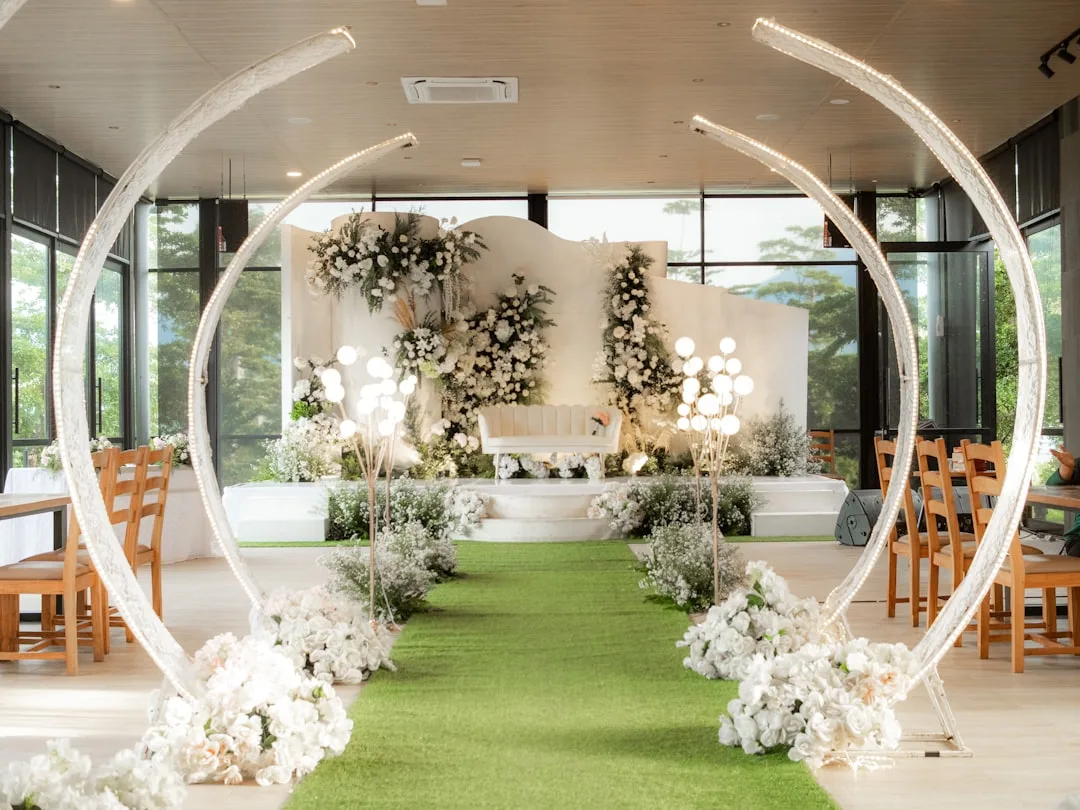
An arch’s impact comes from proportion and placement, not material cost. The key is understanding sight lines: guests view the arch from multiple angles during the ceremony, so every side matters. A minimalist frame with strategic draping can feel just as luxurious as an oversized floral installation when positioned correctly against your venue’s backdrop.
Consider the ceremony duration. If your vows last 20 minutes, guests will study every detail of your arch. A simple structure with layered textures—dried pampas grass, silk ribbon, and subtle greenery—creates dimension that keeps the eye engaged. For inspiration on keeping decor elegant yet simple, explore Wedding Party Decorations with Elegant Minimalism to see how restraint strengthens visual storytelling.
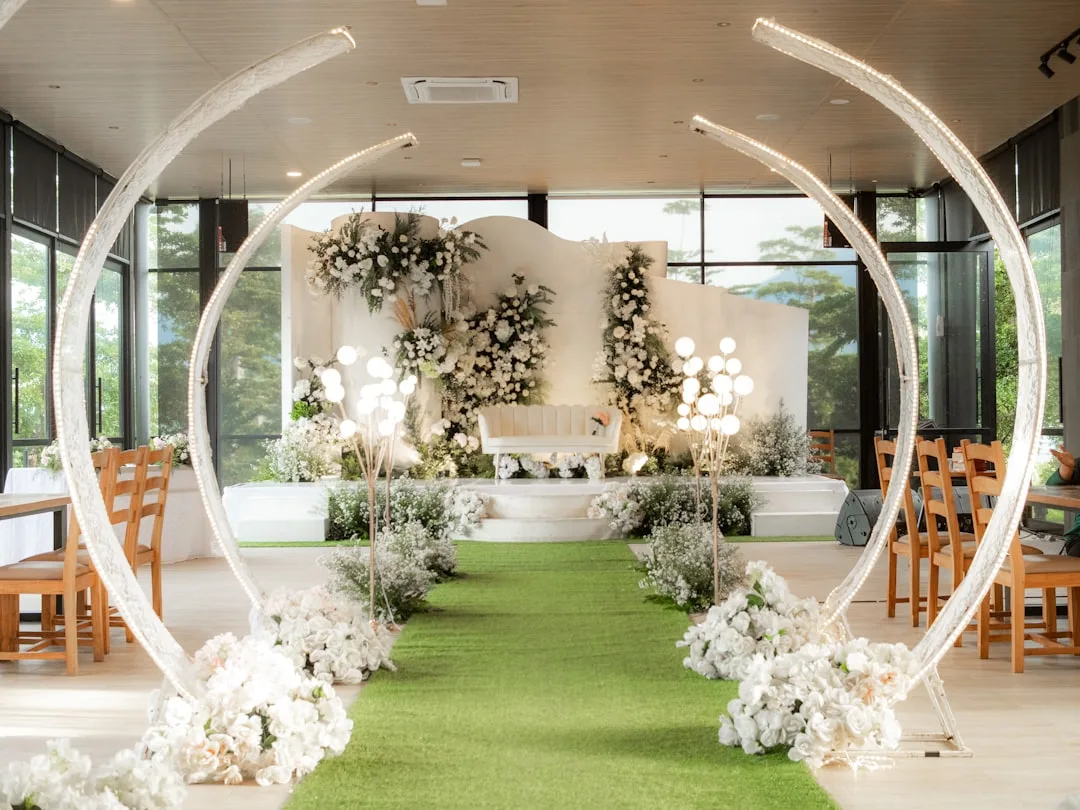
Lighting transforms an arch entirely. Sunset ceremonies cast warm, golden tones that make natural wood and metal glow. Indoor venues benefit from uplighting or subtle Edison bulbs strung along the frame. This layering of light and material creates atmosphere without adding physical bulk.
Seasonal and Thematic Arch Design
Your arch should echo your overall wedding aesthetic, not exist as an isolated centerpiece. Spring ceremonies suit fresh florals and delicate fabrics, while autumn events shine with textured branches, deep jewel tones, and metallic accents. Winter allows for dramatic evergreen installations or stark, sculptural designs. Summer opens possibilities for boho elements like macramé, woven details, and movement-friendly linens.
Boho and organic themes align naturally with arch design—think curved frames, natural fibers, and layered botanicals. If you’re drawn to this direction, 3+ Boho Wedding Decor Trends You’ll Love offers deeper insights into authentic bohemian styling that extends from arch to aisle to reception tables.
For industrial or modern weddings, reclaimed wood, bare metal, or geometric frameworks communicate the aesthetic powerfully. A minimalist arch with zero ornamentation can be more striking than an ornate one when it matches your venue and clothing. Consistency across all design elements—from invitations to florals to arch style—creates a cohesive experience that feels intentional and premium.