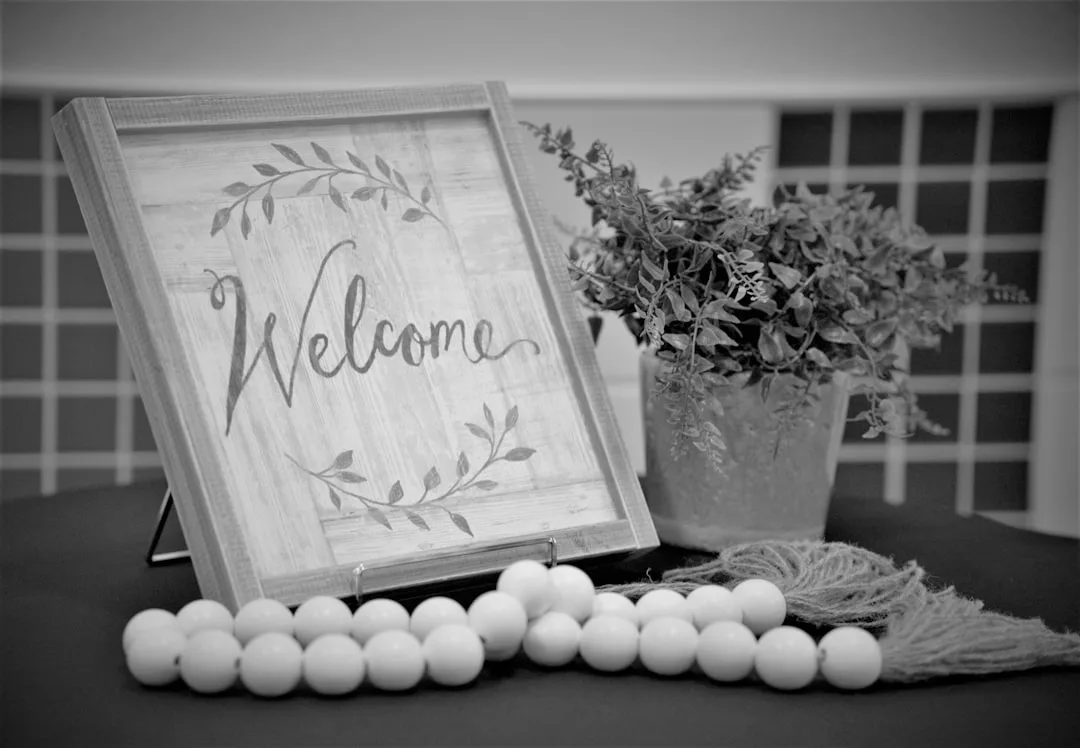
Guests arrive at the venue entrance and immediately encounter a mass-produced cardboard sign with Comic Sans typography and a generic ‘Welcome!’ scrawled across it. The moment collapses. In 2026, that scenario feels archaic. Wedding welcome signs have pivoted from utilitarian wayfinding tools into personalized artistic statements—handcrafted installations that broadcast the couple’s voice, aesthetic, and storytelling intent before the ceremony even begins. This shift matters because entryways now function as the first substantive design touchpoint, setting emotional tone and visual consistency that flows through every subsequent design decision.
Why Handcrafted Personalization Dominates the Trend
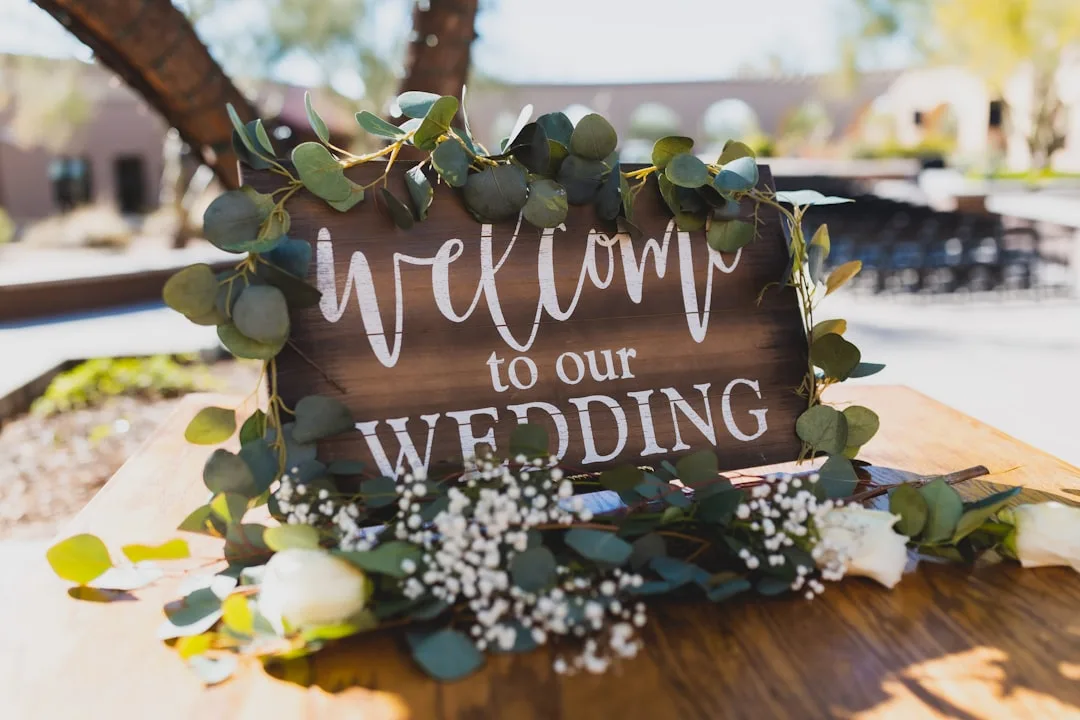
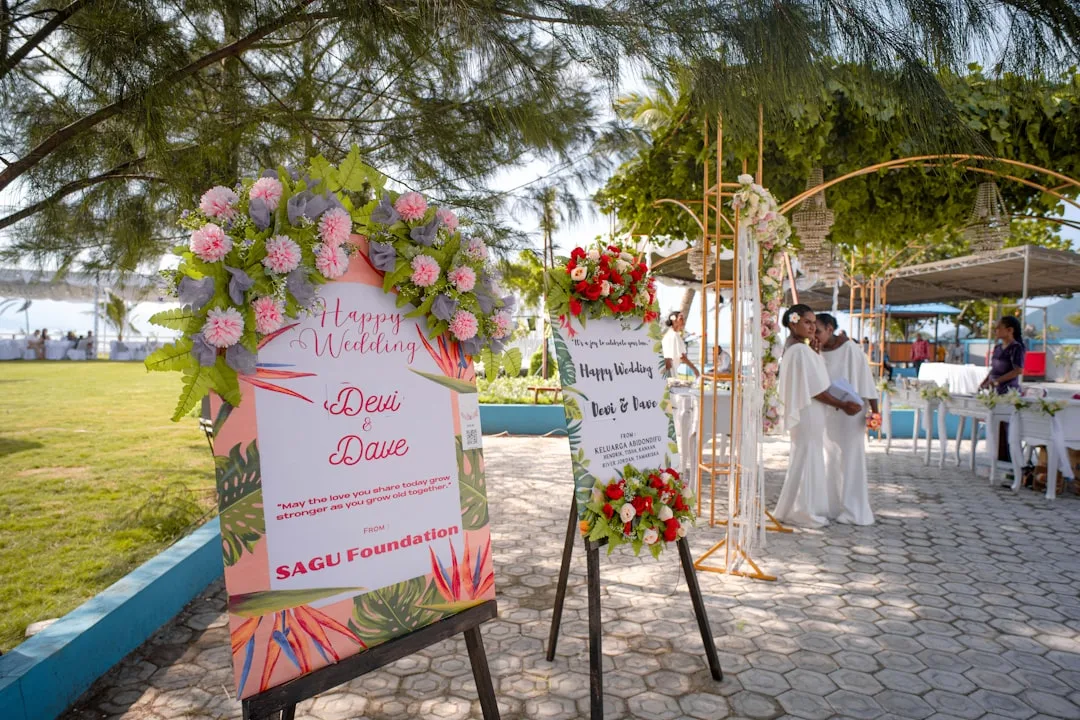
The 2026 wedding welcome sign market has fractured away from ‘one design fits all’ templating. Couples now commission bespoke pieces that integrate their names, wedding date, and thematic language—often pulled directly from vows or shared inside jokes. The why is straightforward: guests perceive personalization as intimacy, and intimacy drives social media resonance and memory retention.
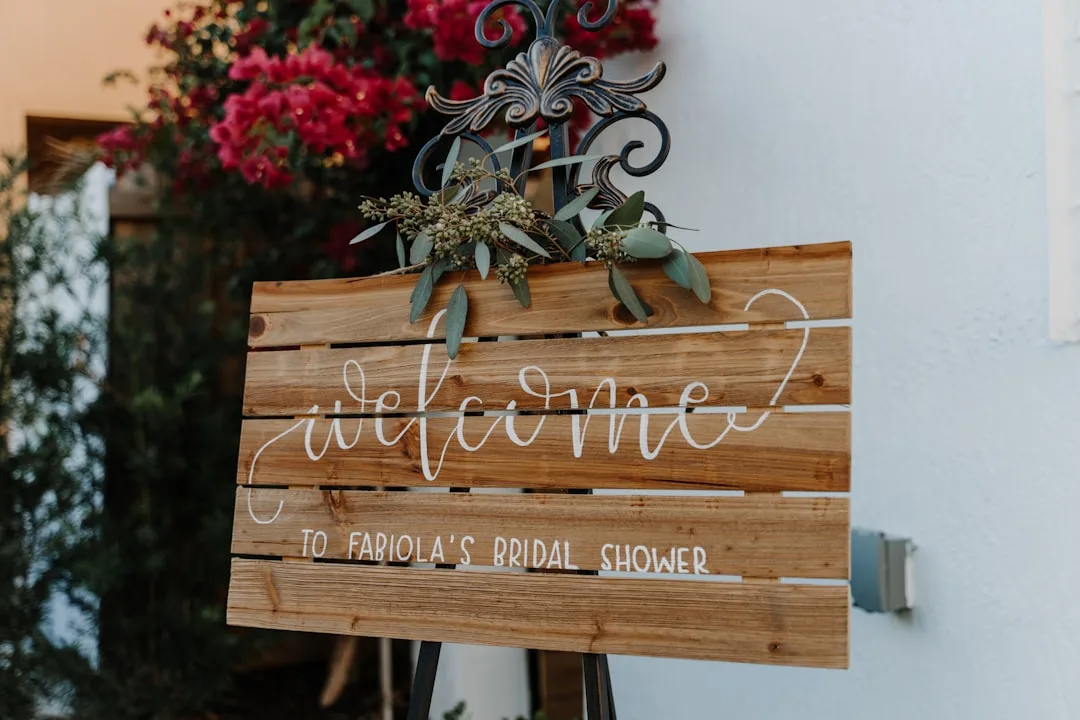
Etsy seller WoodandWireCreations charges $185–$340 for custom wooden welcome signs with hand-routed lettering, depending on wood species and dimensions (24×36 inches runs $280). That’s roughly triple the cost of a pre-printed foam board alternative, but the craftsmanship justifies the premium because the sign becomes part of the decor narrative, not discardable material. The ROI shows up in guest photos and ceremony atmosphere.
Sarah Chen, a California-based wedding designer, reports 73% of her 2026 clients now request custom signage versus 31% three years ago. This acceleration reveals a fundamental shift: the welcome sign has moved from functional to ceremonial, from background to foreground.
- Personalized signs photograph better than generic ones—guests tag the couple in photos featuring custom lettering or names.
- Handwritten calligraphy reads as luxury; digital fonts feel corporate. Pair handwritten text with minimalist backgrounds.
- Install signs 6–8 feet from the entrance so guests encounter them naturally without obstruction.
- Weather-seal wooden signs with marine-grade polyurethane if outdoors; acrylic withstands humidity better than paper or cardboard.
Brands like Artifact Uprising ($240–$520 for custom wood and acrylic layered signs) and Minted ($95–$280 for personalized paper welcome signs) compete in this space, but the trend favors local artisans over mass retailers because bespoke commissioning creates exclusivity. Each sign becomes one-of-a-kind rather than one-of-five-hundred.
Material Innovation Shifts Toward Durability and Visual Depth
2024 wedding signage relied heavily on lightweight foam board and printed paper. The 2026 upgrade prioritizes materials with tactile presence and visual layering: solid wood, acrylic, brass hardware, and integrated lighting.
Walnut wood with hand-lettered engraving costs $320–$450 per sign (compared to $45–$85 for printed foam), but walnut resists warping and discoloration across seasons—critical if couples display signs at receptions or preserve them as anniversary keepsakes. Clear acrylic with white vinyl lettering runs $210–$380 and works especially well for modern venues because the material feels contemporary without sacrificing legibility.
The Signage Society, a UK-based maker collective, has introduced pre-finishing wood treatments (hand-wax oils and tung finishes) that cost an extra $40–$60 but extend lifespan from 2 years to 8+ years if stored indoors. Couples treating welcome signs as long-term home decor—not single-event props—find the additional investment worthwhile.
Integrated LED backlighting has emerged as a key differentiator. Brands like The Signage Foundry offer wooden signs with routed channels for warm white string lights embedded into the design ($385–$480). This approach doubles installation labor but creates Instagram-worthy visual drama, especially relevant for evening ceremonies or indoor receptions. The backlighting is not purely decorative; it solves practical wayfinding while enhancing ambiance.
The Common Failure: Oversized Text and Poor Placement Destroy Readability
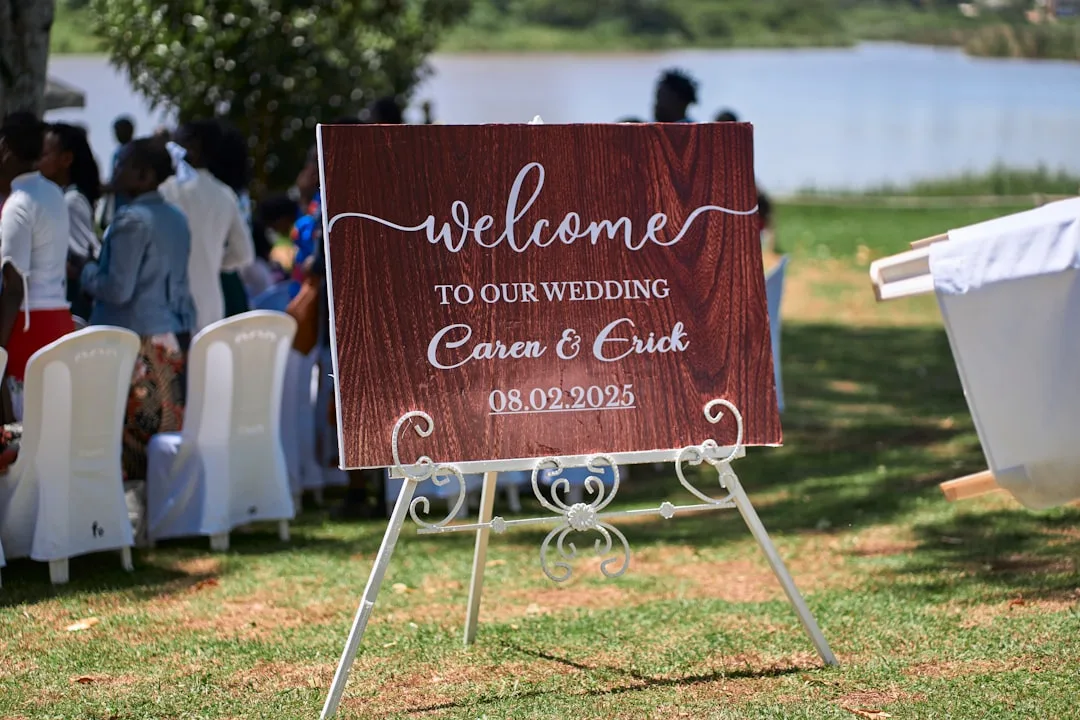
The #1 mistake couples make with welcome signage involves misjudging scale and sightline. A sign ordered at 18×24 inches positioned 12 feet away becomes illegible; guests squint instead of smile. Typography that looks stunning on the Etsy product photo becomes cramped or unbalanced when installed outdoors with surrounding decor.
Designer Jessica Torres observed a $380 custom walnut sign at a June 2025 wedding where the couple’s names consumed the entire surface in 4-inch letters, leaving no visual breathing room. The sign screamed rather than welcomed. The same budget applied to a 24×36 inch acrylic piece with names at 2.5 inches and secondary text (date, location) in 1.2-inch height would have created visual hierarchy and elegance. The lesson: text sizing must account for outdoor ambient light, viewing distance (typically 8–15 feet), and compositional balance—not maximum legibility alone.
Installation height also matters. Signs hung at 8+ feet avoid guest head-level obstruction and photograph better without bodies blocking the frame. Budget an extra $120–$200 for professional installation if mounting to stone, stucco, or uneven ground.
Thematic Integration With Overall Venue Decor Completes the Narrative
The 2026 trend doesn’t isolate welcome signage; it weaves signs into the broader decor ecosystem. Couples now match sign aesthetics to ceremony themes—whether boho wedding decor trends, minimalist installations, or gothic romance narratives. The welcome sign becomes the opening statement of a cohesive visual story.
For boho themes, hand-painted canvas signs with watercolor florals ($180–$320) complement macramé backdrops and dried-flower arrangements. For wedding party decorations with elegant minimalism, sans-serif engraved acrylic in matte black ($240–$380) aligns with monochrome palettes and geometric backdrop elements. Gothic weddings embrace vintage brass-framed wood signs ($420–$640) that echo moody color schemes and vintage furniture.
The integration principle also applies to secondary signage—ceremony order, seating assignments, menu displays. When all signage shares consistent typography, material palette, and design language, the venue reads as intentional rather than piecemeal. Couples investing $1,200–$2,000 in a unified signage system report stronger decor cohesion than those ordering individual pieces from separate vendors.
Wedding welcome signs in 2026 reflect a broader market shift away from transaction-focused, single-use decor toward heirloom-minded, personally expressive design. The personalization and craftsmanship justify premium pricing because these signs anchor the emotional experience of arrival—the moment guests form their first impression of the celebration. When executed well, a welcome sign becomes as memorable as the couple’s first dance.