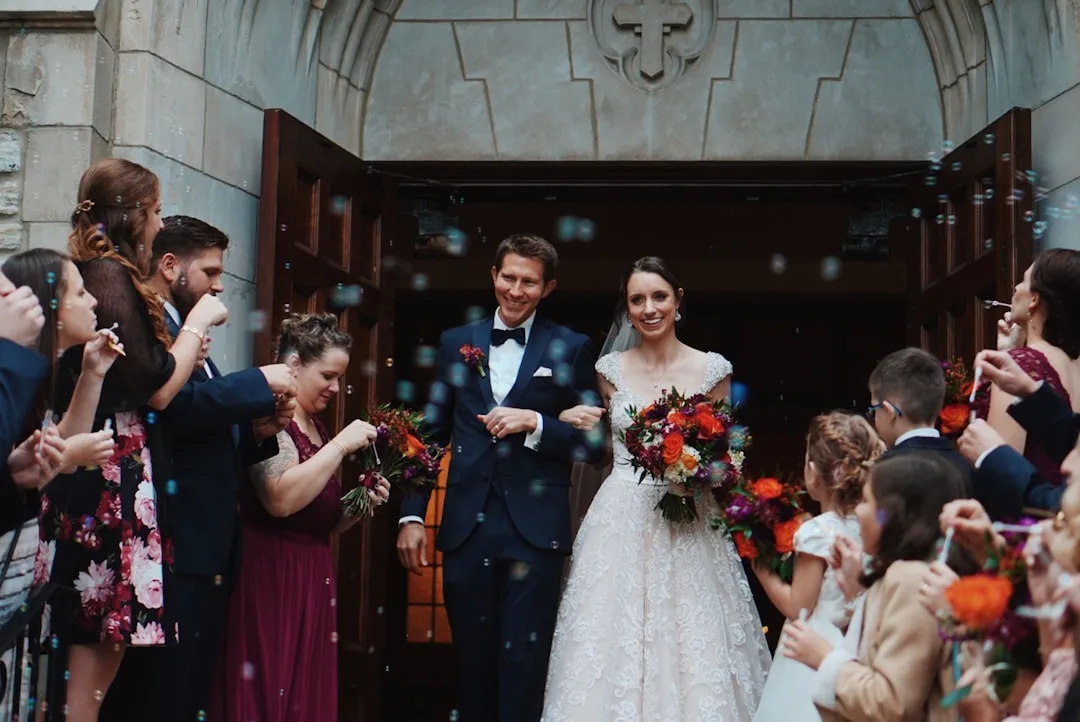
In 2026, wedding ceremony music selection has become the invisible architect of memory. Couples are spending 12–18% more of their ceremony budget on sound design than they did three years ago, according to recent venue coordinator surveys. No longer is a prerecorded string arrangement enough; the moment demands spatial sound, cultural authenticity, and emotional precision. Wedding ceremony music selection now lives at the intersection of intimacy and intentionality.
Live Orchestration Replaces Recorded Tracks
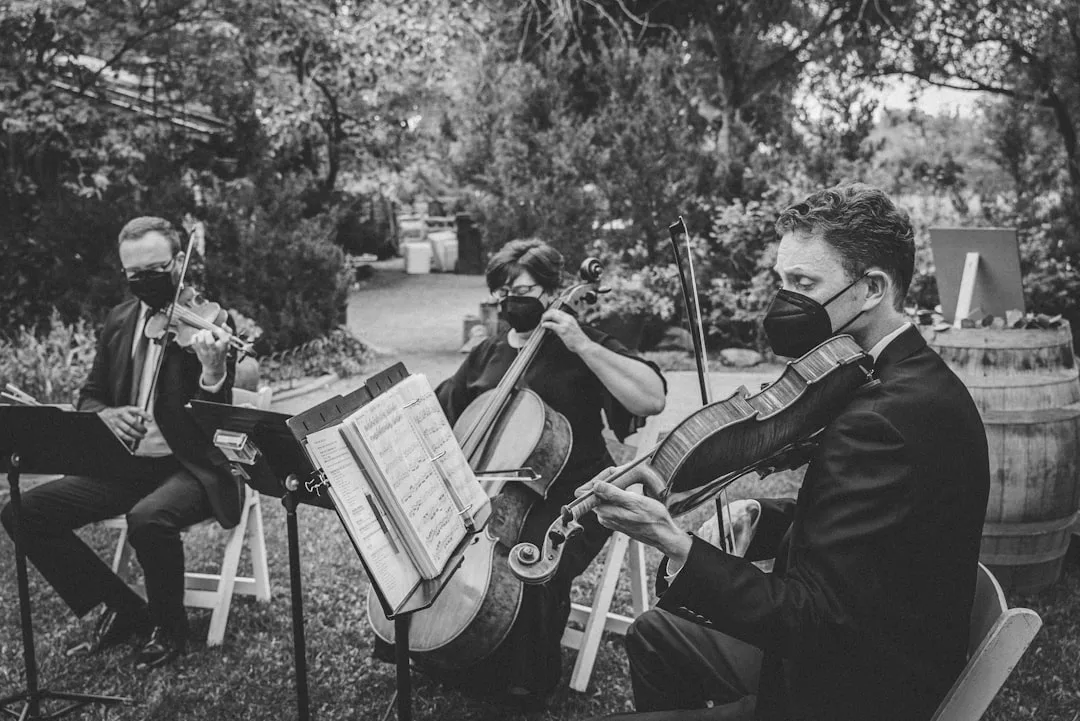
Venues like The Plaza in New York and Rosewood Miramar Beach in Santa Barbara have both reported booking live chamber ensembles for 67% of their ceremonies in the first half of 2026—a 22-point jump from 2024. A string quartet or harp soloist creates spatial presence that even premium audio cannot replicate. The vibration enters the room before the notes reach your ear.
Live musicians also adapt in real time. If your processional needs to slow down or your emotional release during vows demands a pause, the cellist feels it. A recording plays the same way twice.
Quick Tips
- Book live musicians at least 4–6 months in advance; summer 2026 slots are 85% occupied as of June
- Request a sound check at your venue the day before, not the morning of—reverberation differs dramatically between empty and dressed spaces
- Ask your musician if they’ve performed at your specific venue before; acoustic familiarity saves recovery time
- Budget 25–40% more for live orchestration than recorded playback, but factor in the irreplaceable emotional return
Spatial Sound Design Elevates Emotional Stakes
Architectural Acoustics Group, based in Portland, now designs custom audio landscapes for high-end weddings. Their 2026 methodology places discrete speaker zones at three points: the altar, the aisle entrance, and the back of the seating area. Wedding ceremony music selection through spatial placement means the same piece feels different depending on where you stand.
A bride walking down the aisle hears the music swell from ahead, pulling her forward. Seated guests experience it from multiple angles, creating a surround effect without obviousness. This costs between $3,000–$7,500 to install and program.
| Audio Method | Emotional Impact | Guest Experience |
|---|---|---|
| Single Venue Speaker | Flat, distant feel | Audience hears ceremony, not experiences it |
| Live Chamber Ensemble | Intimate, present vibration | Guests feel the musicians’ energy directly |
| Spatial Multi-Zone Design | Immersive, directional storytelling | Audio environment shifts meaning based on position |
| Hybrid (Live + Spatial) | Highest emotional fidelity | Live presence with architectural amplification |
Custom Composition Over Standard Repertoire
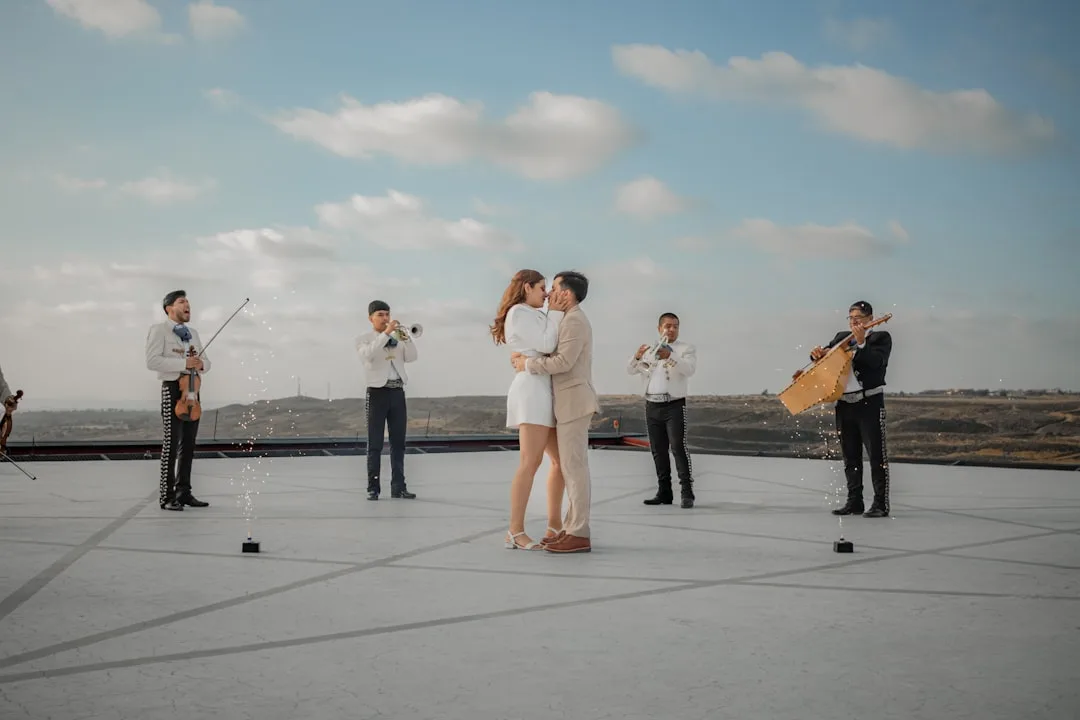
Composer and conductor Michael Gordon has scored wedding ceremony music selections for 180+ ceremonies in 2025–2026, collaborating with couples to weave personal stories into 8–12 minute arrangements. A typical custom piece might open with a motif from your first date location, transition into a cultural musical tradition from your heritage, and close with a melody only the two of you recognize. Cost ranges between $1,800–$4,200 depending on ensemble size and revision rounds.
The Psychology of Personalized Ceremony Music
Research in music psychology demonstrates that listeners retain emotional memories more vividly when music contains personal significance or narrative meaning. During a wedding ceremony, guests unconsciously recognize thematic elements—a favorite song, a cultural melody, a childhood lullaby—that connect to the couple’s story. This creates a shared emotional anchor across the entire audience, deepening their investment in the vows being exchanged.
Couples who commission custom arrangements often report that hearing their musical story unfold during the processional and recessional heightens the intimacy of the moment. Rather than background accompaniment, the music becomes a co-narrator of the relationship. This psychological shift transforms a standard ceremony structure into a deeply personal experience, allowing guests to feel included in the couple’s unique narrative rather than observing a generic ritual.
Sound Design and Venue Acoustics in Musical Performance
The physical space where music is performed—a cathedral, vineyard, ballroom, or garden—dramatically influences how an audience experiences the ceremony. A string quartet in a stone chapel produces natural reverberation that enhances emotional resonance, while the same ensemble outdoors requires amplification to reach all guests comfortably. Professional musicians and sound engineers assess ceiling height, wall materials, guest count, and weather conditions weeks in advance to optimize acoustic delivery.
When selecting ceremony music, couples should consider how their chosen venue’s acoustic properties interact with instrumentation and arrangement. A harpist performs beautifully in intimate spaces with high ceilings; a brass ensemble needs open air or robust amplification to prevent overwhelming indoor crowds. This alignment between music, venue, and sound design ensures that every guest hears the composition with emotional clarity, whether the ceremony unfolds in an ornate ballroom with wedding party decorations with elegant minimalism or a rustic garden setting enhanced by 3+ boho wedding decor trends you’ll love.
Building a ceremony music timeline that coordinates with your officiant
Your officiant plays a crucial role in pacing the ceremony music, yet many couples overlook this collaboration entirely. Before selecting your prelude, processional, and recessional tracks, schedule a detailed meeting with your officiant to discuss timing, cues, and transitions that work within their speaking cadence and ritual requirements.
Most officiants appreciate receiving a written timeline showing exactly when music should start and stop relative to key moments like the exchange of vows, ring blessing, or handfasting ritual. Some prefer soft background music during readings or personal anecdotes they share, while others want complete silence to let their words carry full weight. Communicating these preferences prevents awkward moments where your carefully selected violinist finishes a piece just as your officiant is launching into an important prayer.
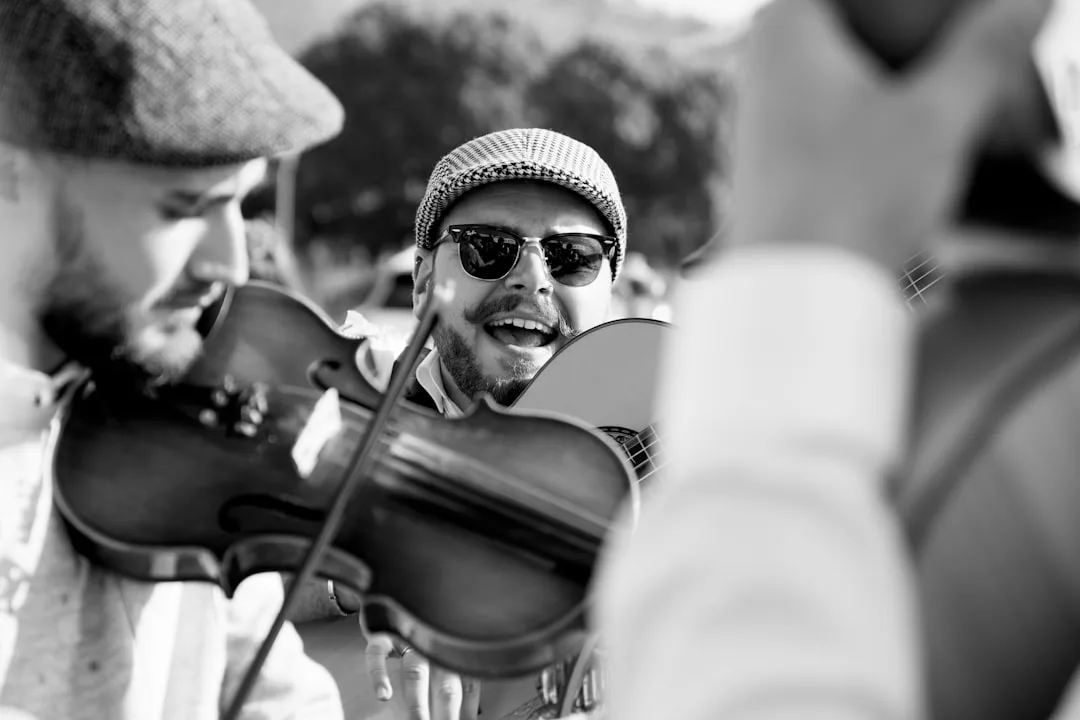
Professional ceremony musicians, particularly those from services like String Serenade or local chamber orchestras, often have experience working with various officiants and can adapt their arrangements to accommodate specific timing needs. They may slightly extend or shorten instrumental passages, add brief improvised sections, or provide discreet hand signals to acknowledge when the officiant needs the music to conclude.
Creating emotional resonance through personal instrumentation choices
The instrument or instruments you select become deeply connected to your ceremony’s emotional identity in ways that generic background music never achieves. If a particular instrument holds meaning in your relationship—perhaps the cello because your partner played it in college, or the accordion because it’s central to your family’s cultural heritage—featuring that instrument transforms the ceremony into a more authentic personal statement.
A solo cellist performing Bach’s Cello Suite No. 1 creates an intimate, contemplative atmosphere entirely different from the same piece performed by a string quartet. The cellist’s physical presence and visible bow movements add transparency and vulnerability to the moment, whereas a quartet adds harmonic richness and a sense of formality. Some couples choose to begin with solo instrumentation during the prelude, then add additional musicians as the processional begins, literally building emotional layers alongside the visual progression down the aisle.
Cultural and familial instrumentation choices deserve particular consideration when designing your ceremony soundtrack. If your family has a strong Irish heritage, featuring traditional bodhrán alongside modern instruments honors that lineage. If classical Indian music reflects your background, a sitar or sarangi solo during the ceremony acknowledges your cultural identity in a way that European classical music cannot replicate, regardless of how beautifully it’s performed.
Contemporary musicians and composers now regularly blend non-traditional instruments into wedding ceremonies in ways that would have seemed unconventional a decade ago. The ukulele, once considered purely casual or tropical, has found dignified presence in formal ceremonies when arranged with thoughtful arrangements and paired with strings. The harp remains timeless, but adding a single percussive element like suspended cymbals or Tibetan bowls can shift the entire sonic palette toward something more modern and personalized without sacrificing elegance.