
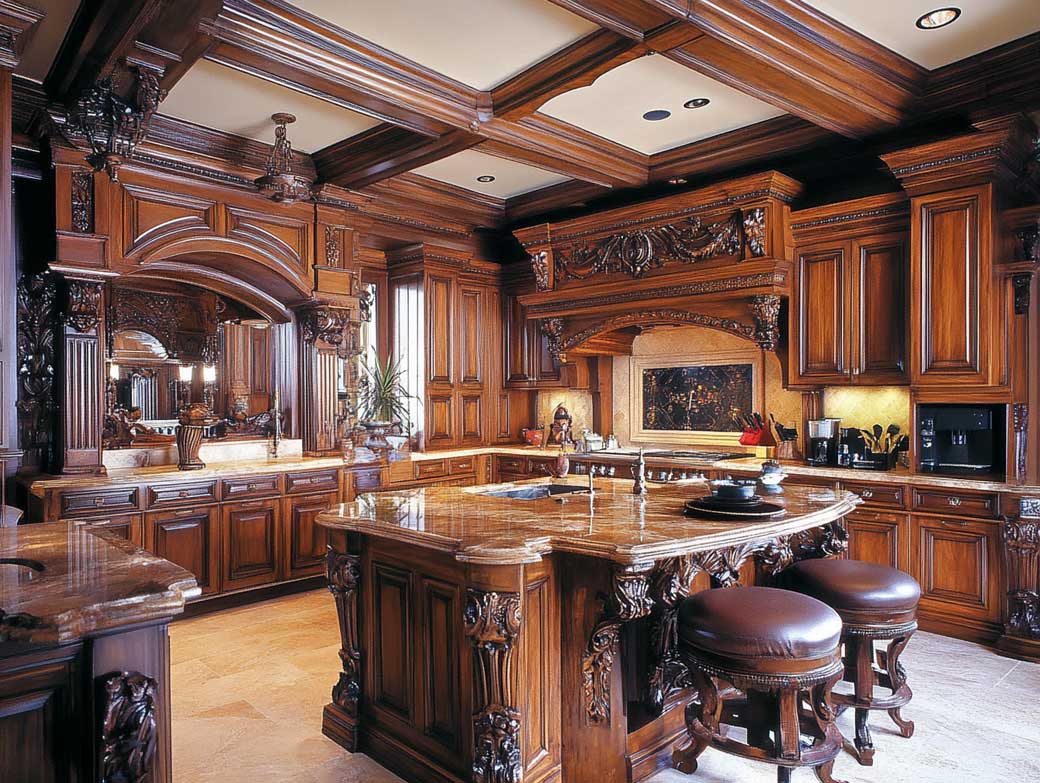
Custom cabinetry in Alabama offers homeowners personalised storage solutions with high-quality materials and craftsmanship. The market continues to grow, with rising demand for durable wood, smart features, and space-efficient designs.
Custom cabinetry has become a major investment for homeowners across Alabama. The US cabinetry market was valued at £66.5 billion ($83.9 billion) in 2023, with custom cabinets making up a significant portion. The surge in home renovations and demand for premium materials continues to fuel this growth.
In Alabama, kitchen and bathroom remodels account for over 75 percent of home improvement spending, with cabinetry being a key focus. Homeowners prioritise durability, storage efficiency, and modern aesthetics when selecting cabinets. A typical kitchen remodel in the US costs £17,850 ($22,500), with cabinetry making up nearly 40 percent of that expense.
As mass-produced options decline in popularity, more homeowners are turning to local craftsmen and specialised manufacturers for cabinetry that fits their space and style.
Understanding Custom Cabinetry
Custom vs Stock Cabinets
Custom cabinetry differs from stock and semi-custom options in several ways. Unlike pre-made cabinets, these are built to precise specifications, allowing homeowners to maximise storage and design flexibility.
The US cabinetry industry employs over 100,000 professionals, with a significant number specialising in custom builds. Solid wood remains the most common material, making up 64 percent of cabinetry production, followed by MDF and plywood. In Alabama, white oak, maple, and hickory are among the most requested materials due to their durability and classic appeal.
Popular Cabinet Styles
Design preferences vary by region. In Alabama, shaker-style doors, inset cabinetry, and distressed finishes remain in high demand. Nationally, neutral tones like white (47 percent), grey (26 percent), and natural wood finishes (22 percent) dominate modern kitchen designs.
High-Tech Features
Innovations in cabinetry hardware have led to an increase in soft-close hinges, pull-out shelving, and integrated lighting. Over 55 percent of newly remodelled kitchens feature at least one of these upgrades.
The Custom Cabinetry Process
Design and Consultation
Homeowners typically spend three to six weeks finalising cabinet designs. Factors such as layout, material selection, and hardware choices shape the final product. Over 70 percent of Alabama homeowners request additional storage solutions, including deep drawers, spice racks, and vertical dividers.
Material Selection and Manufacturing
Once designs are approved, fabrication begins. Production typically takes six to twelve weeks, depending on complexity. Hardwood accounts for 64 percent of all custom cabinetry, with painted, stained, or distressed finishes providing additional customisation.
Installation and Final Touches
The installation process usually takes three to five days, though larger projects may require additional time. Skilled professionals adjust for wall irregularities, plumbing, and electrical access. More than 60 percent of homeowners in Alabama opt for professional installation to avoid misalignment and functional issues.
Cost Factors in Custom Cabinetry
Average Price Breakdown
Several factors affect pricing. Custom cabinets typically cost between £430 and £1,100 per linear foot, compared to £150 to £300 per linear foot for stock options.
Material Costs
Wood type is a major cost driver. Hardwoods like oak, walnut, and cherry can increase pricing by 30 to 50 percent compared to MDF or plywood. In Alabama, white oak cabinets typically cost between £5,500 and £12,000 per kitchen, depending on size.
Design Complexity
Intricate carvings, glass inserts, and built-in organisers can drive up costs. Kitchens with custom moulding and soft-close hinges cost 20 to 35 percent more than simpler setups.
Labour and Installation
Professional installation in Alabama ranges from £3,000 to £8,500, varying by project size. Skilled cabinet makers typically charge £50 to £120 per hour, with complex designs requiring more labour hours.
Hidden Costs
Homeowners should budget an extra 10 to 15 percent for unexpected expenses, such as structural modifications, hardware upgrades, and finish customisation.
Choosing the Right Cabinet Maker in Alabama
Key Factors to Consider
Experience is crucial. Cabinet makers with over ten years of experience tend to deliver higher-quality workmanship. Licensing is also important, as Alabama requires certification for projects over £39,500 ($50,000).
Questions to Ask Before Hiring
- What materials do you use, and where are they sourced?
- Can you provide a detailed quote with breakdowns?
- How long will the project take from start to finish?
- Do you offer warranties or post-installation support?
Verifying Workmanship
Examining previous projects helps assess quality. Nearly 60 percent of homeowners review online portfolios before making a decision. Checking for dovetail joints, smooth finishes, and sturdy hinges indicates high-end craftsmanship.
Custom Cabinetry for Different Spaces
Kitchen Cabinets
These make up over 70 percent of all custom cabinetry projects. Pull-out shelves, soft-close drawers, and concealed storage are increasingly common, with 58 percent of homeowners incorporating built-in organisers.
Bathroom Vanities
Moisture resistance is critical. Over 65 percent of homeowners choose quartz countertops for added durability. Floating vanities have seen a 22 percent increase in demand due to their sleek look and easy cleaning.
Built-In Storage Solutions
Mudrooms, home offices, and entertainment centres now account for one in four cabinetry projects. Homeowners in Alabama frequently request built-in bookshelves, media walls, and walk-in closet systems to optimise space.
Laundry Room Cabinets
Storage for detergents, hampers, and ironing stations has increased by 30 percent over the past five years, with wall-mounted drying racks and deep utility sinks among the most popular additions.
Trends in Alabama Custom Cabinetry
Popular Colours and Finishes
Neutral tones lead the way, with white (47 percent) and grey (26 percent) being the most common choices. In Alabama, there has been a 19 percent rise in demand for deep blues, forest greens, and natural wood finishes.
Smart and Space-Saving Features
Soft-close drawers appear in over 80 percent of installations. Hidden charging stations, built-in LED lighting, and pull-out spice racks have gained popularity, with over 50 percent of homeowners incorporating at least one.
Sustainable and Locally Sourced Materials
Eco-conscious cabinetry has grown 35 percent in Alabama, with more homeowners opting for FSC-certified wood, low-VOC finishes, and recycled materials. Locally milled wood is also gaining traction due to rising transportation costs.
Maintenance and Care Tips
Cleaning and Preventative Care
Regular cleaning prevents dust and grease buildup. Over 60 percent of homeowners use vinegar-based cleaners, though excessive acidity can damage finishes.
Moisture and Heat Protection
Humidity exposure leads to warping. Placing cabinets at least 300 millimetres away from ovens reduces heat damage.
Refinishing vs Replacement
Refinishing costs 75 percent less than replacement. However, softened wood, persistent mould, or structural instability signal the need for new cabinetry.
Complete guide
Furniture Decor Ideas for Every Room in Your Home
Living room, bedroom, dining, kitchen, outdoor — all in one place
You Might Also Like

Related Topics