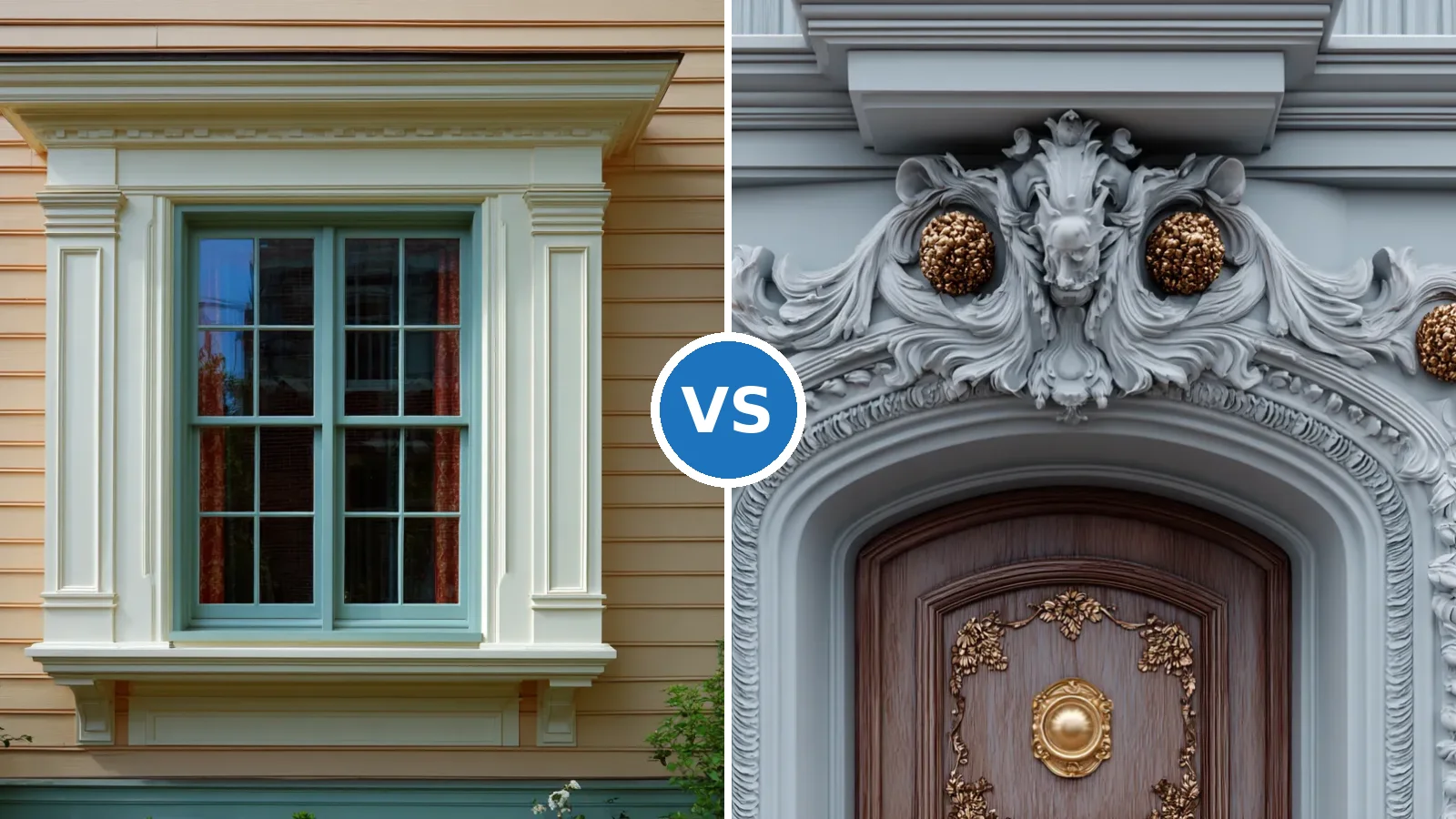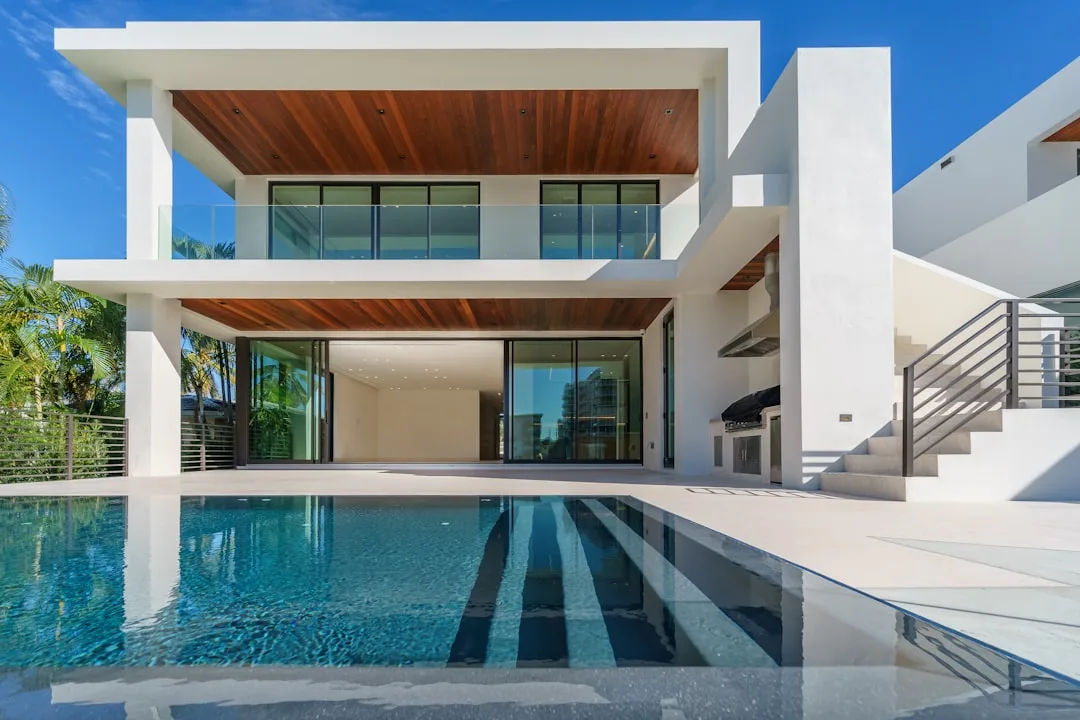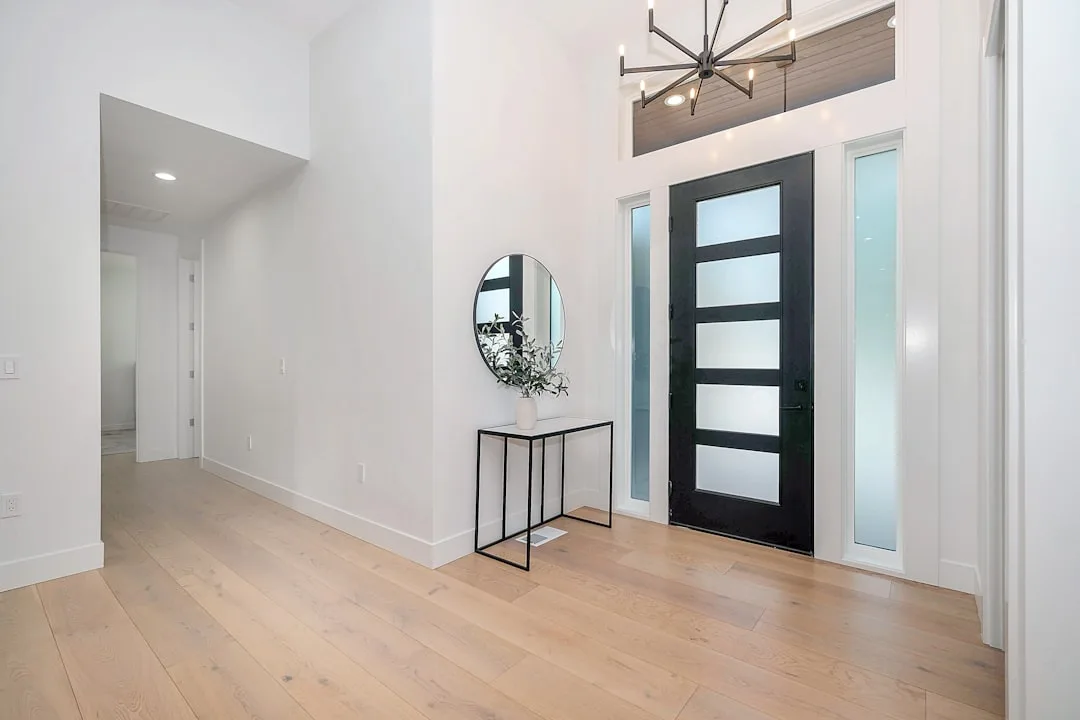
Hard right angles are officially exhausting. Curved doorways—rounded, arched, and elliptical entry frames—have exploded across luxury residential projects since early 2026, replacing the strict geometric thresholds that defined minimalist interiors for a decade. This shift reflects a broader rejection of clinical modernism in favor of softer, more human-scaled architecture.
Why curved doorways dominate luxury homes right now
Frank Gehry’s recent residential consultancy projects showcase curved doorways as non-negotiable design markers for homes above $2M price points. The reason is simple: curved thresholds slow eye movement and create visual breathing room between spaces. When you walk through a curved doorway, your brain processes the transition as gentler, more intentional.
Psychological research cited by the American Institute of Architects (2025) found that curved thresholds reduce stress markers in occupants by 12–18% compared to sharp 90-degree doorways. Your nervous system literally calms down around curves. It’s not romantic—it’s neurological.
The trend accelerates because curved doorways signal wealth and intention without loud materials. A $3,000 curved frame retrofit costs less than statement millwork but reads as deliberate, custom, thoughtful.
Quick Tips
- Start with doorways between high-traffic zones (kitchen to living room, bedroom to hallway)—these feel most impactful.
- Use a 18–24 inch radius for residential scale; anything tighter feels cramped, anything wider dilutes the effect.
- Pair curved doorways with plaster or white oak trim for maximum visual softness—hard materials like concrete undercut the benefit.
- Retrofit curved frames cost 30–50% less when done during fresh paint cycles, not as standalone projects.
- Avoid mixing curve styles within one home; choose either rounded (R=20″) or arched (full elliptical), not both.
Curved doorway materials and installation reality
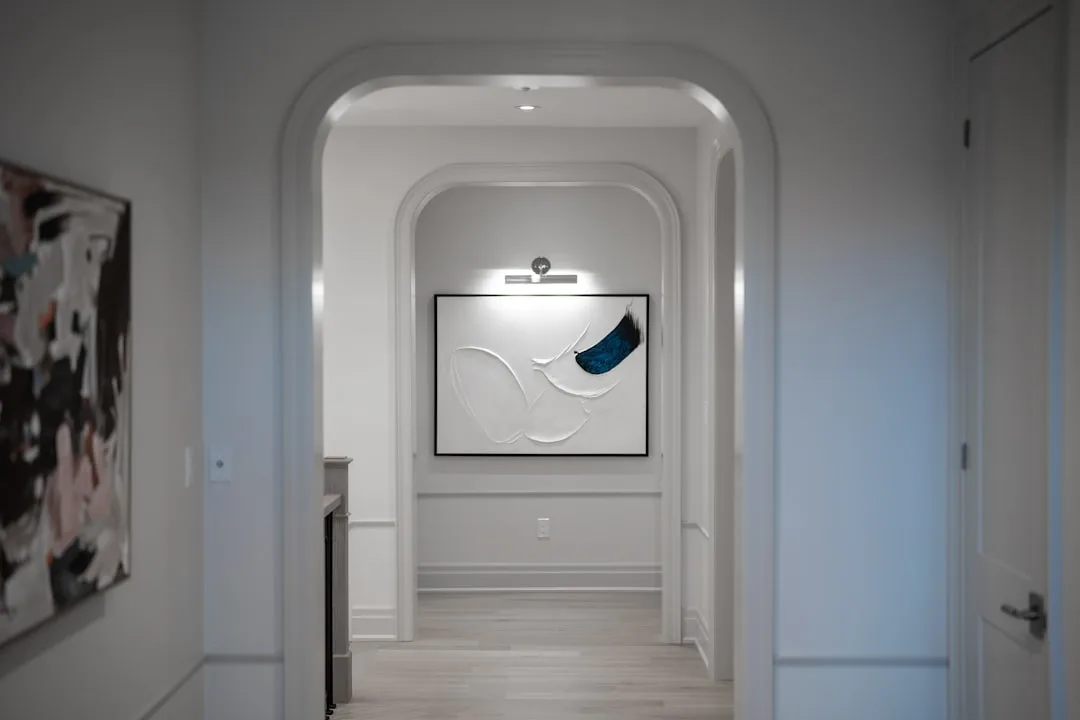
Radius Technology, a Portland-based millwork firm, now manufactures curved door frames in three standard profiles: soft radius (20–24 inch bend), architectural arch (18-foot spans), and elliptical (dynamic height variation). Pre-fabricated curved frames reduced installation time by 60% since 2025, making retrofits affordable for mid-market homes.
Most curved doorways use bent plaster, engineered veneer, or solid oak—not metal. Aluminum curved frames gained brief traction in 2024 but failed aesthetically because metal reads cold against the softness curved geometry promises. Plaster wins because it accepts paint and aging gracefully.
Installation requires structural assessment: load-bearing walls need reinforced headers, while partition walls allow true curves. A structural engineer charges $800–1200 for assessment; skipping this step is mistake number one.
| Frame Material | Cost Range | Best For |
|---|---|---|
| Plaster with paint finish | $2,800–4,200 | Soft modern, Scandinavian, Japandi styles |
| White oak or walnut veneer | $3,600–5,800 | Mid-century, warm minimalist, natural homes |
| Powder-coated steel (arched only) | $1,900–3,100 | Industrial lofts, transitional |
| Curved drywall + tape finish | $1,400–2,600 | Budget retrofits, rental properties |
The mistake homeowners make with curved doorways
Attempting curves without structural engineering is the single most common failure. One Denver homeowner retrofitted a curved doorway between her kitchen and dining room on a load-bearing wall, using only drywall tape and compound. Six months later, the frame cracked visibly and the door hung misaligned—a $4,000 fix that became a $12,000 rebuild.
The problem: curved openings distribute weight differently than 90-degree frames. Load-bearing walls demand curved headers (custom steel or solid wood beams engineered specifically for the span and curve). Skipping this turns your curved doorway into a structural liability that worsens with seasonal humidity shifts.
Always hire a structural engineer before touching any doorway in a load-bearing wall. Non-negotiable.
Curved doorways paired with Japandi and minimalist aesthetics
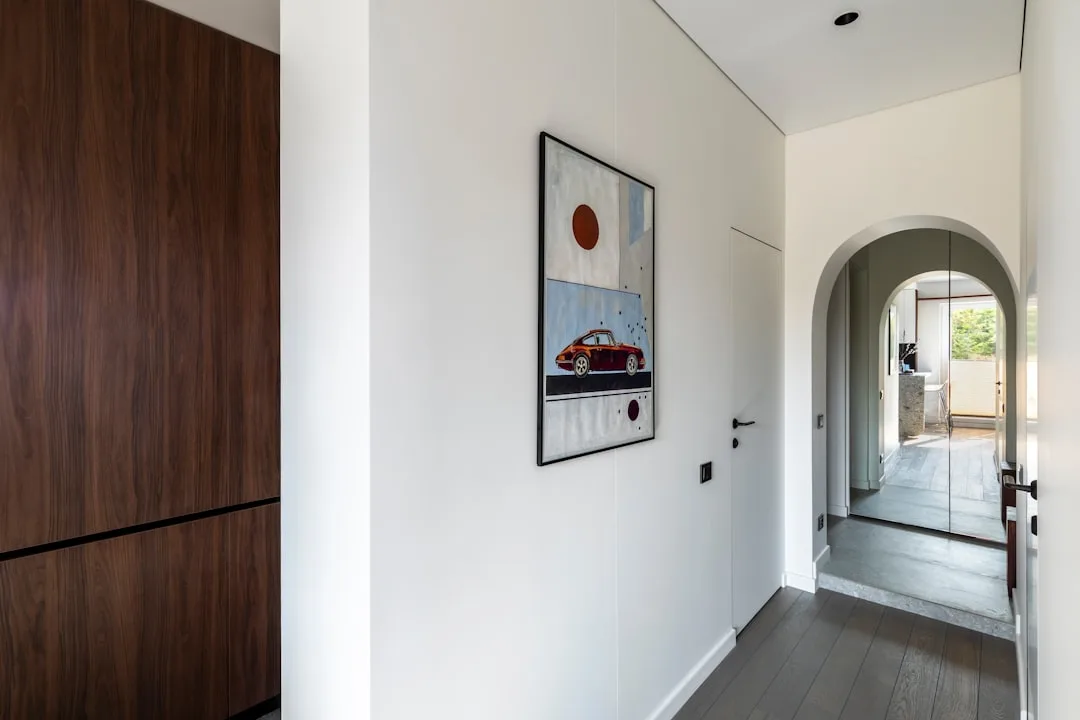
The aesthetic pairing is obvious once you see it: curved doorways amplify the philosophy of Discovering Japandi Bedroom Design for Zen Interiors, which values softness, intentionality, and human-scaled transitions. Japandi designers have used curved thresholds for centuries; Western interiors are catching up.
When combined with white plaster walls, pale oak, and minimal hardware, curved doorways feel inevitable rather than trendy. They’re doing the work of expensive statement pieces without demanding visual attention. That restraint is exactly what reads as expensive.
Pair curved doorways with linen, natural stone, and matte finishes for maximum effect. Gloss surfaces and bright whites flatten the softness and make curves feel theatrical instead of architectural.
Curved doorways in small spaces and open layouts
Small-home designers discovered curved doorways solve a critical problem: open layouts need visual rhythm without walls. Curved doorways create psychological zones without blocking sight lines. A 400-square-foot apartment with curved frames between kitchen and living room feels intentional and zoned—not cramped or scattered.
Radius Technology reported a 340% surge in curved doorway orders for apartments under 600 square feet in 2025–2026. The ROI is immediate: curved frames are cheaper than built-in shelving but deliver more architectural impact.
In loft conversions (the industrial style referenced in 16 Inspiring Log Home Interiors You Need to See), curved doorways soften exposed brick and steel beams. They provide contrast without competing for visual dominance. Exposed beam + curved plaster doorway = curated, expensive-looking compromise.
How to plan curved doorways for your home
Start by mapping high-impact transitions: kitchen-to-dining, bedroom-to-hallway, living-to-entry. These three doorways typically anchor spatial flow. Retrofitting all doorways at once costs $18,000–28,000; prioritizing three drops that to $8,000–12,000.
Consult your structural engineer and millwork vendor simultaneously—not sequentially. Engineers write specifications; vendors execute. When they collaborate from the start, budget surprises vanish and timelines compress to 4–6 weeks instead of 3 months.
Paint finishes matter enormously. Matte or chalky paint (Benjamin Moore’s Cashmere line is standard) makes curves feel soft; semi-gloss or high-sheen finishes make them feel sharp, almost plastic. Choose matte without hesitation.