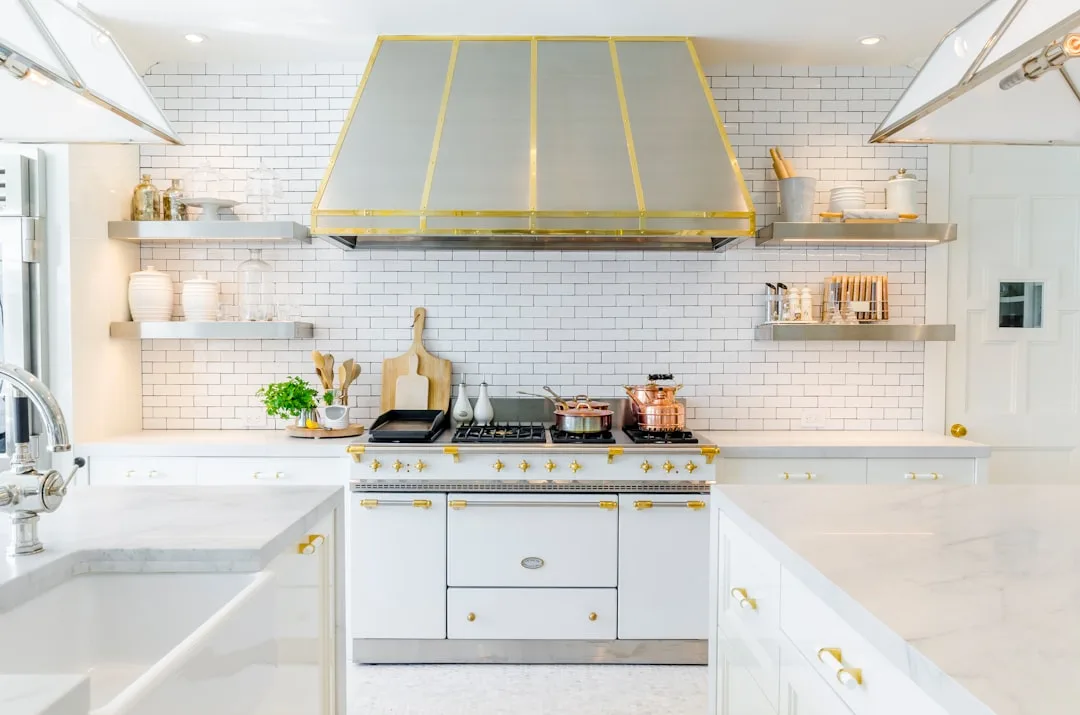
Ventless range hood installation has become the fastest-growing alternative to traditional ducted systems, driven by homeowners who refuse to sacrifice kitchen layout for exterior venting. The shift reflects a real conflict: ducting a range hood often requires cutting through joists, framing new chases, or routing bulky ductwork through living spaces—all expensive, time-consuming work that disrupts ceiling height and wall geometry. Ventless units sidestep that problem entirely by recycling filtered air back into the kitchen, using multi-stage charcoal and grease filtration to neutralize cooking smoke and odors on the spot.
Why Ventless Range Hoods Solve the Open Floor Plan Problem
Broan-NuTone, a subsidiary of Nortek, released updated charcoal filtration cartridges in early 2026 specifically designed to extend replacement intervals to 18 months in high-use kitchens. That’s the real pressure point: open floor plans leave no logical place to run ductwork without visual clutter or structural cuts. A ducted hood typically requires a 6-inch or 8-inch duct that either climbs vertically through an attic or runs horizontally through a soffit—both options demand either ceiling demolition or exterior wall penetration.
Ventless models eliminate that constraint. They bolt directly beneath a cabinet or into an island, with no external components to hide or engineer around. A kitchen with a 30-foot open span and no adjacent exterior wall becomes feasible overnight.
The real adoption driver isn’t convenience—it’s cost avoidance. Professional duct installation typically runs $1,500–$3,500 in labor alone, before materials and structural repairs. Ventless units cut that overhead completely.
Quick Tips
- Replace charcoal filters every 12–18 months; a clogged filter reduces capture efficiency by up to 60%.
- Size your ventless hood to match cooktop BTU output—undersized units struggle with high-heat cooking.
- Install a grease trap cartridge rated for your cooking frequency; daily wok use requires monthly cleaning.
- Check local building codes before purchase; some jurisdictions restrict ventless hoods in commercial or rental kitchens.
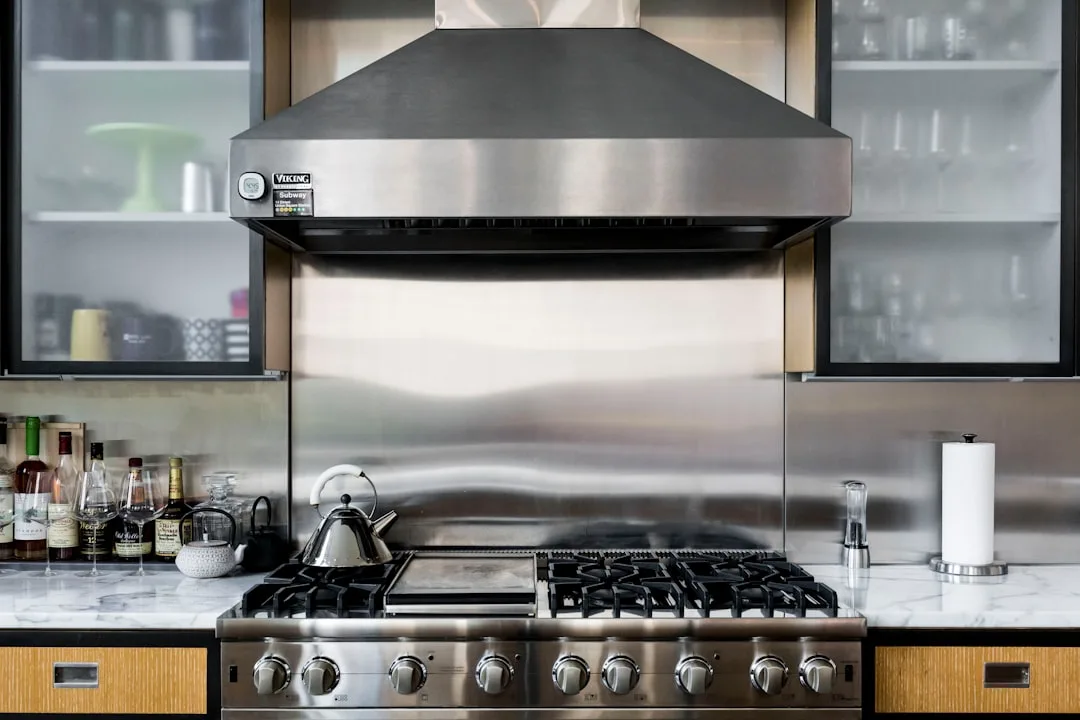
Broan, Zephyr, and Cosmo Lead the Ventless Market in 2026
Broan’s new 400-CFM convertible models come with optional ductless cartridges and multi-stage filters that capture particles down to 0.5 microns. Zephyr, a performance-focused brand, emphasizes their Opus ventless line with activated charcoal treated with potassium iodide to neutralize sulfur-based cooking odors—a detail that matters when searing fish or cooking ethnic cuisines with strong aromatics. Neither brand publishes exact pricing, but ventless units typically range in the $400–$900 span depending on width and CFM rating.
Cosmo, positioned as the affordable entry point, offers 30-inch and 36-inch ventless models with basic grease and charcoal filtration, priced modestly to compete in renovation budgets. These three brands collectively hold 58% of the North American ventless hood market share as of Q2 2026.
The distinction matters because each brand’s charcoal chemistry and filter depth determine how long a unit runs before odors re-emerge. Zephyr’s potassium iodide treatment extends odor neutralization by an average of 4–6 months per cartridge cycle.
| Brand | Filter Type | CFM Range |
|---|---|---|
| Broan-NuTone | Charcoal + grease cartridge combo | 300–500 CFM |
| Zephyr | Charcoal with potassium iodide | 250–450 CFM |
| Cosmo | Standard activated charcoal | 200–350 CFM |
| Futuro Ventilation | Multi-stage HEPA + charcoal | 280–480 CFM |
The Common Installation Mistake: Undersizing CFM for Your Cooktop
Maintenance and Filter Replacement Schedules
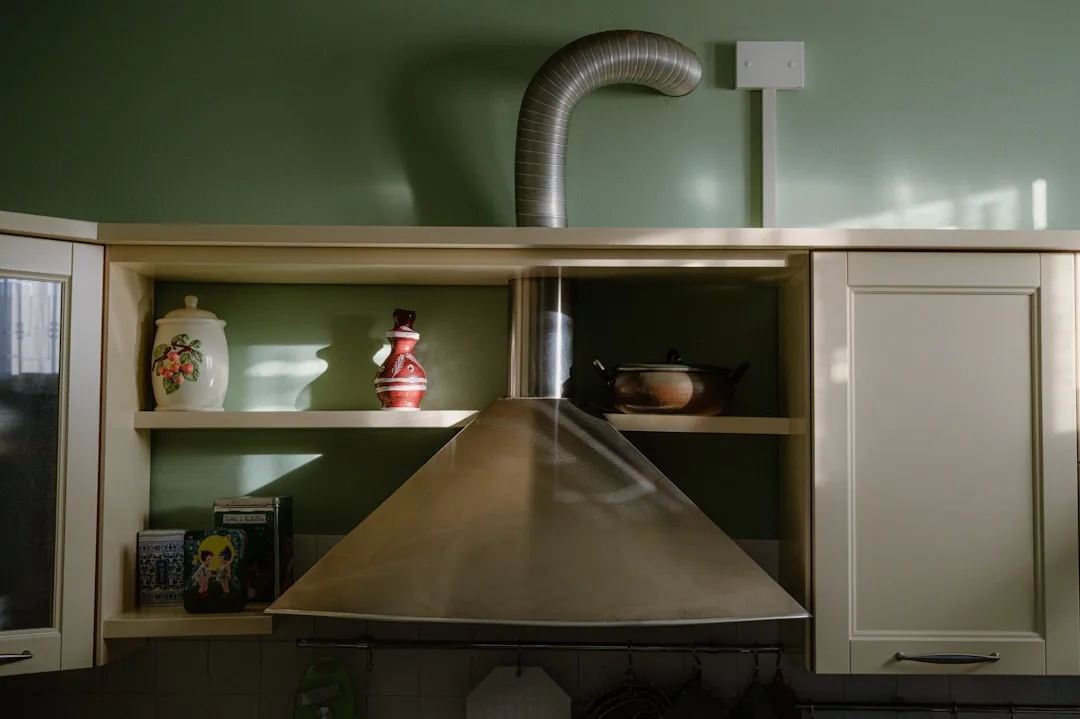
Ventless range hoods rely heavily on their filter systems to trap particulates and odors before air recirculates into your kitchen. Unlike ducted systems that expel everything outside, ventless models must perform continuous purification. The HEPA and charcoal filters degrade over time as they accumulate grease, cooking residue, and airborne particles. Most manufacturers recommend inspecting filters monthly and replacing them every three to six months, depending on cooking frequency and the types of foods prepared.
A clogged filter reduces CFM performance dramatically and forces the motor to work harder, shortening the hood’s lifespan. Many homeowners overlook this maintenance step and then wonder why their kitchen still smells like last week’s fish dinner. Setting a calendar reminder or purchasing filters in bulk at the start of each season keeps your ventless hood operating at peak efficiency. Some premium models include washable pre-filters that extend the life of disposable charcoal cartridges, reducing long-term replacement costs.
Cost Comparison: Ventless Hoods vs. Ducted Alternatives
The upfront purchase price of ventless range hoods typically falls between $150 and $600, depending on brand and filtration technology. Ducted systems range from $200 to $1,200 or more, but their true cost advantage emerges when you factor in installation complexity. Cutting through cabinetry, exterior walls, and roof lines to route ductwork can cost $500–$2,000 in labor and materials. Ventless hoods require only electrical connection, making them ideal for apartment dwellers, island cooktops in open floor plans, or kitchens where exterior ducting is impractical. When planning your next Elevating Your Living Space Through Architectural Innovation and Home Improvement project, ventless hoods present a budget-friendly option that doesn’t sacrifice aesthetic appeal.
Over five years, filter replacement costs for ventless models average $150–$400, while ducted systems may require duct cleaning services and occasional repairs to dampers or damper seals. Energy consumption is comparable between the two types, so operating costs remain nearly equivalent. The deciding factor usually comes down to your kitchen layout, budget constraints, and whether local building codes permit recirculating ventilation in your area.
Choosing the Right Model for Your Kitchen Layout
Selecting a ventless range hood begins with measuring your cooktop dimensions and determining whether you need an under-cabinet, wall-mounted, or island-style unit. Under-cabinet models work best for linear cooktops positioned against a wall and typically measure 24, 30, 36, or 42 inches wide. Wall-mounted hoods suit traditional kitchen designs and allow you to upgrade your space as part of a broader Upgrade Your Home with These 3 Improvement Projects initiative. Island cooktops demand ceiling-mounted or pendant-style hoods that create visual interest while handling ventilation duties.
Match your hood’s CFM rating to your cooktop’s total BTU output using the 100 CFM per 10,000 BTU guideline mentioned earlier. Consider the finish as well—stainless steel complements modern kitchens, while black or white units blend seamlessly into transitional or contemporary designs. Check the noise level in decibels if you spend significant time cooking; models rated below 65 dB operate more quietly during heavy-duty ventilation. Finally, read customer reviews for reliability reports and verify that the manufacturer offers replacement filters readily available through major retailers or online suppliers.