Walk into any design-forward home in 2026 and you’ll notice one unmistable shift: lighting has stopped hiding. Statement lighting fixtures—oversized pendants, sculptural chandeliers, and architectural floor lamps—now anchor rooms the way art, furniture, and color once did alone. This isn’t about brightness. It’s about presence.
The reason statement lighting fixtures trend now is practical and psychological. After years of minimalist, recessed ceiling grids that flattened room perception, homeowners crave visual weight and vertical drama. A single sculptural light doesn’t require renovation, rewiring the whole room, or committing to permanent wall color.
Statement lighting works because it solves three real problems at once: it defines focal points in open-plan spaces, it draws the eye upward to underused ceiling area, and it signals intentional design without screaming expense.
Oversized Pendant Lights Anchor Kitchen Islands and Dining Zones
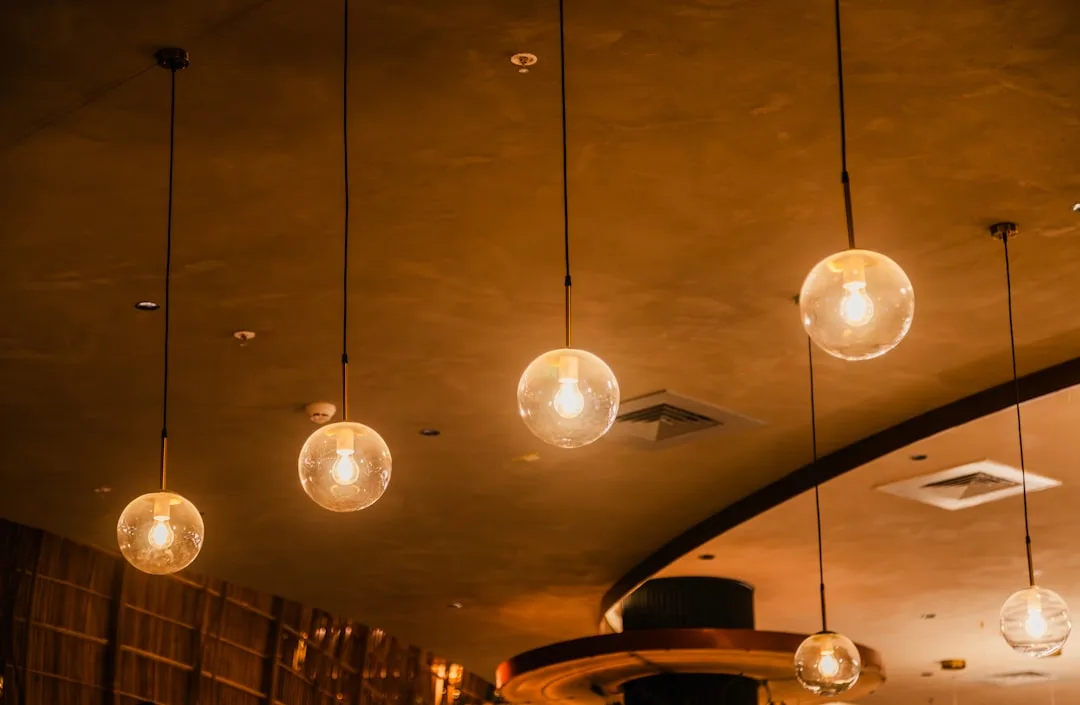
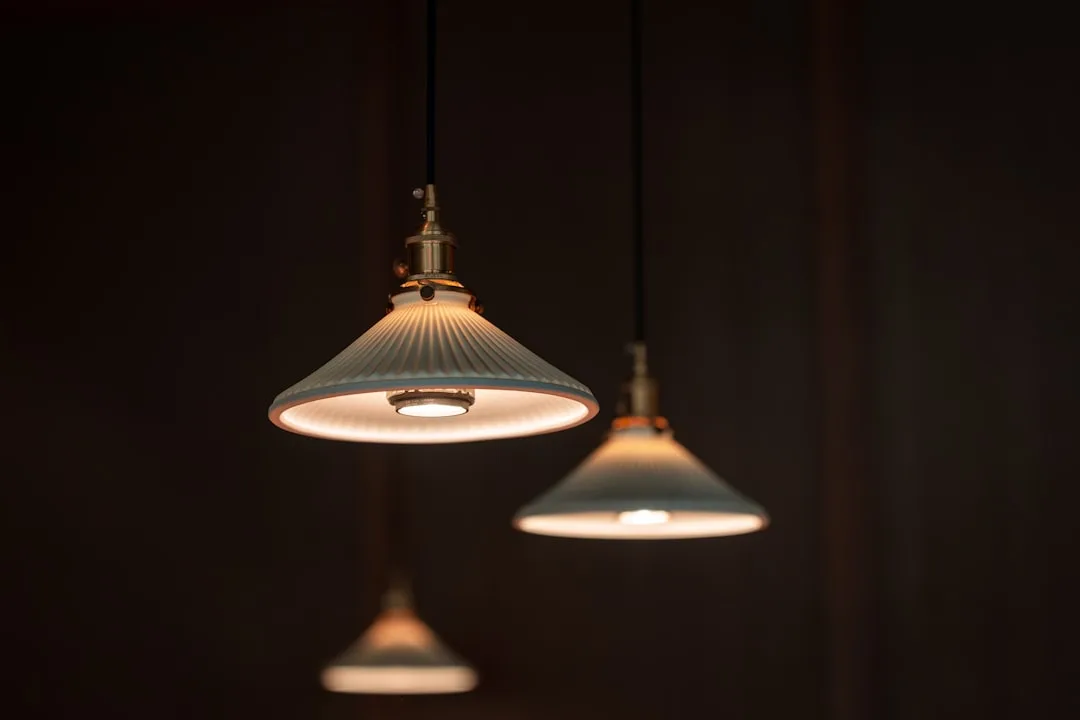
Tom Dixon’s Beat Light collection—handspun brass vessels that look like something between a gong and a lantern—defined the sculptural pendant category in 2024. In 2026, oversized single-drop pendants in the 16-20 inch diameter range dominate kitchen islands and dining tables.
Here’s why: a standard 12-inch pendant disappears above a 36-inch island. A 20-inch diameter pendant creates actual visual weight. The shadow cast becomes part of the room’s architecture.
Replica or original, brass pendants in this scale run $200–$800 depending on materials and finish (brushed versus polished surfaces affect light diffusion dramatically). What gets replaced: four or five recessed ceiling lights that cost less upfront but created a flat, institutional ceiling plane. One sculptural pendant costs more but renders those five lights obsolete.
Quick Tips
- Mount statement pendants 30–36 inches above dining tables; 28–32 inches above islands. Too high and it becomes a ceiling detail. Too low and it crowds the visual space.
- Pair a single oversized pendant with wall sconces flanking the space—one focal light plus supporting light prevents a top-heavy, single-bright-spot effect.
- In small kitchens under 10 feet wide, skip double pendants. One sculptural piece over a 24-inch section of island reads intentional. Two reads cramped.
- Test finish first: brushed brass diffuses warm light softly. Polished brass throws sharp, directional shadows. Choose based on whether you want atmosphere or drama.
Geometric Brass Chandeliers Redefine Entryway First Impressions
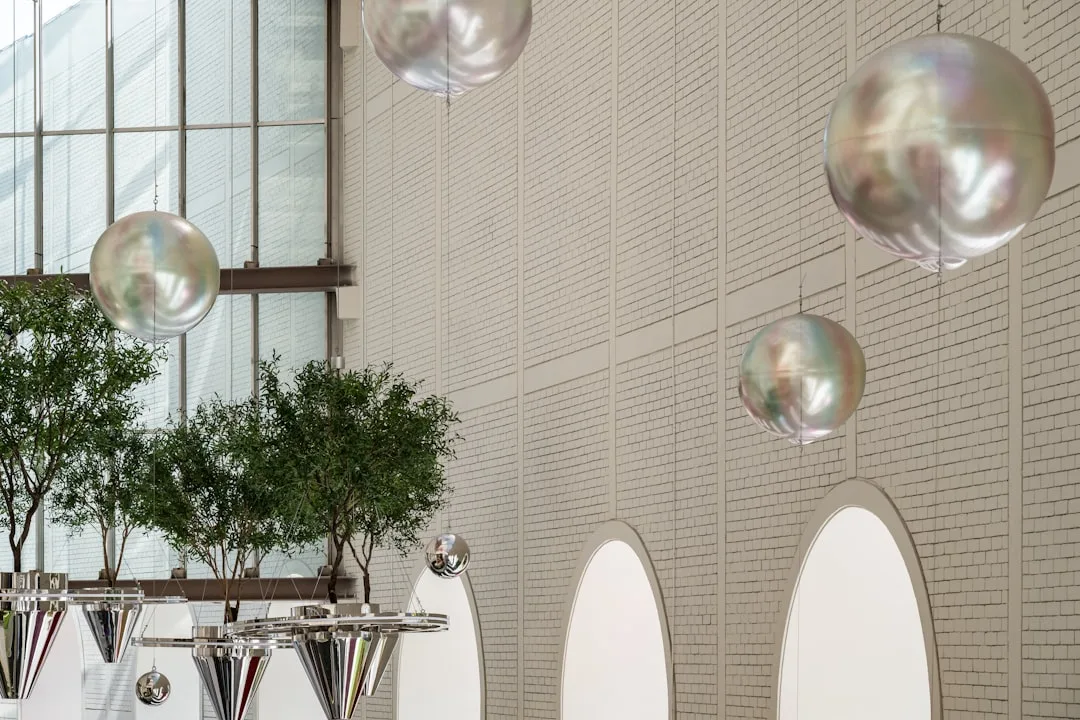
Apparatus Studio’s geometric chandeliers—structures of articulated brass rods and minimal glass—set the 2026 sculptural standard. These aren’t crystal. They’re line and void, engineered to catch light and throw deliberate shadow patterns across walls and ceilings below.
Entryways benefit most because that space has no furniture to anchor it. A small hallway with cream walls and basic overhead fixture feels transitional and empty. That same hallway with a 24-inch geometric brass chandelier becomes a statement of intentionality the moment someone enters.
| Fixture Type | Best Room | Visual Impact |
|---|---|---|
| Oversized pendant (16–20 in) | Kitchen island, dining | Warm pools of light; shadow clarity |
| Geometric brass chandelier | Entryway, living room center | Sculptural shadow play; architectural |
| Sculptural floor lamp (60+ in) | Reading corner, dark bedroom wall | Vertical drama; task and ambient |
| Articulated wall sconce | Bedroom bedside, living room seating | Directional; adjustable mood control |
The Mistake Homeowners Make With Statement Lighting
The single biggest error: choosing a statement fixture in isolation without considering ceiling height and room scale. A 30-inch diameter pendant in a 9-foot ceiling feels like it’s floating in your face. That same fixture in a 12-foot ceiling reads as proportionate architecture.
One client spent $650 on a stunning Hans Wegner-inspired pendant because it looked perfect in a design magazine. Installed in her 8.5-foot kitchen, it created visual claustrophobia—the fixture itself was beautiful but dominated the space wrongly. What she needed was a 14-inch diameter version or a different room altogether.
Measure ceiling height first. Fixture diameter should be roughly 1 inch per foot of ceiling height. A 10-foot ceiling suits a 10-inch diameter light. A 12-foot ceiling suits a 12-inch diameter or larger. This isn’t a rule—it’s physics translated into perception.
Sculptural Floor Lamps Define Reading Corners and Dark Walls
Layered Lighting Creates Depth and Eliminates Harsh Shadows
A single overhead fixture, no matter how beautiful, casts shadows that flatten a room. Layered lighting—combining ambient, task, and accent sources—transforms spatial perception. This principle applies whether you’re designing a living room or working on how to build a beautiful home with stylish interiors by designing with a purpose.
Pair your pendant or chandelier with wall sconces flanking artwork, under-cabinet strips above kitchen counters, and a floor lamp positioned to wash a textured wall. Each layer operates independently. Your pendant handles general illumination. Sconces accent focal points. Task lighting enables function. Accent lighting reveals material depth—wood grain, plaster texture, fabric weave. Together, these sources prevent the visual monotony of single-source lighting.
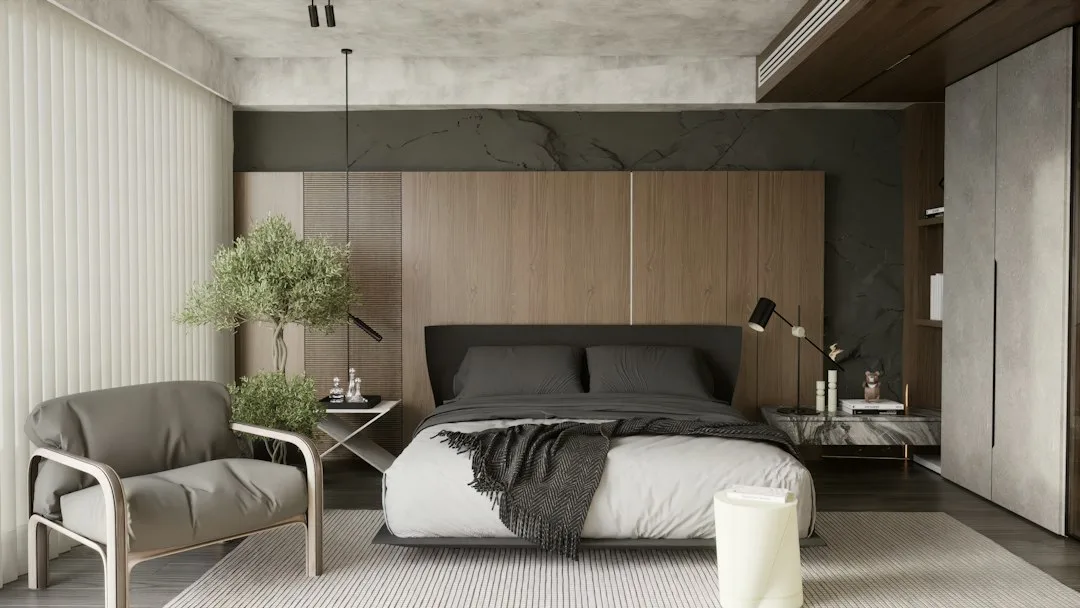
The bedroom deserves particular attention to layered schemes. Bedside table lamps provide reading light without disturbing a partner. A ceiling fixture offers ambient coverage. Wall-mounted reading lights angle toward the bed. If you’re pursuing discovering Japandi bedroom design for zen interiors, soft layering becomes essential—paper pendant + warm-toned sconces + low-level floor accent creates the calm, intentional atmosphere that defines the style.
Dimmer switches amplify layering’s power. Install dimmers on every circuit possible. A pendant set to 30 percent brightness plus floor lamp at full strength reads entirely different from the same pendant at 100 percent alone. Dimmers cost $15–40 per switch and return that investment in flexibility and ambiance control.