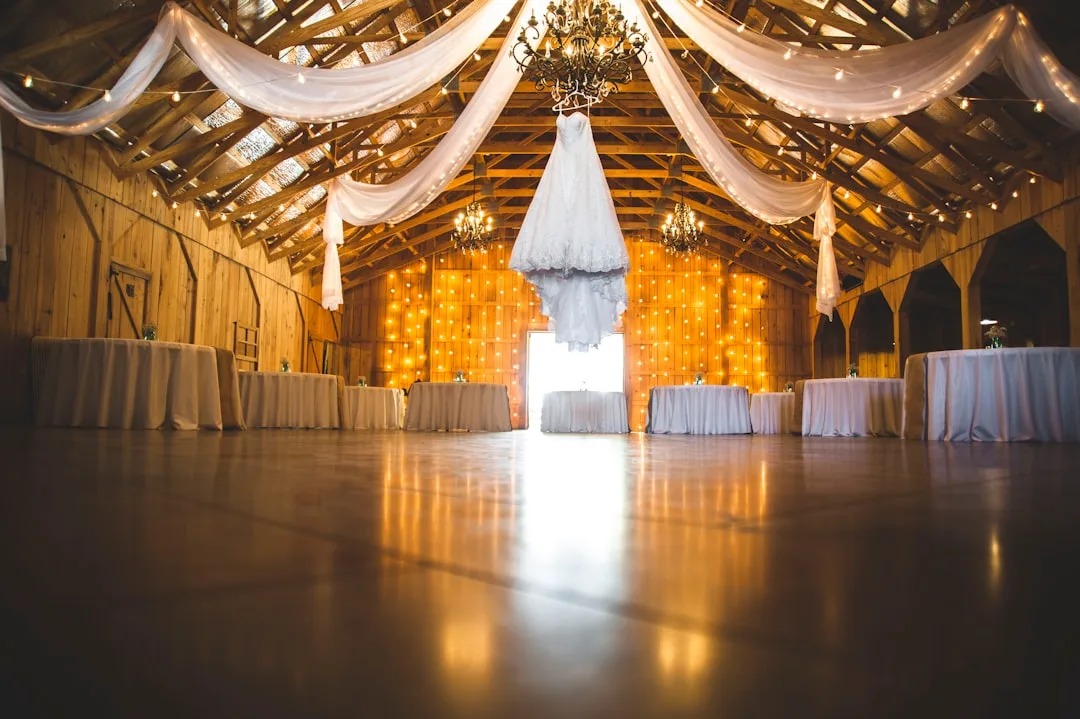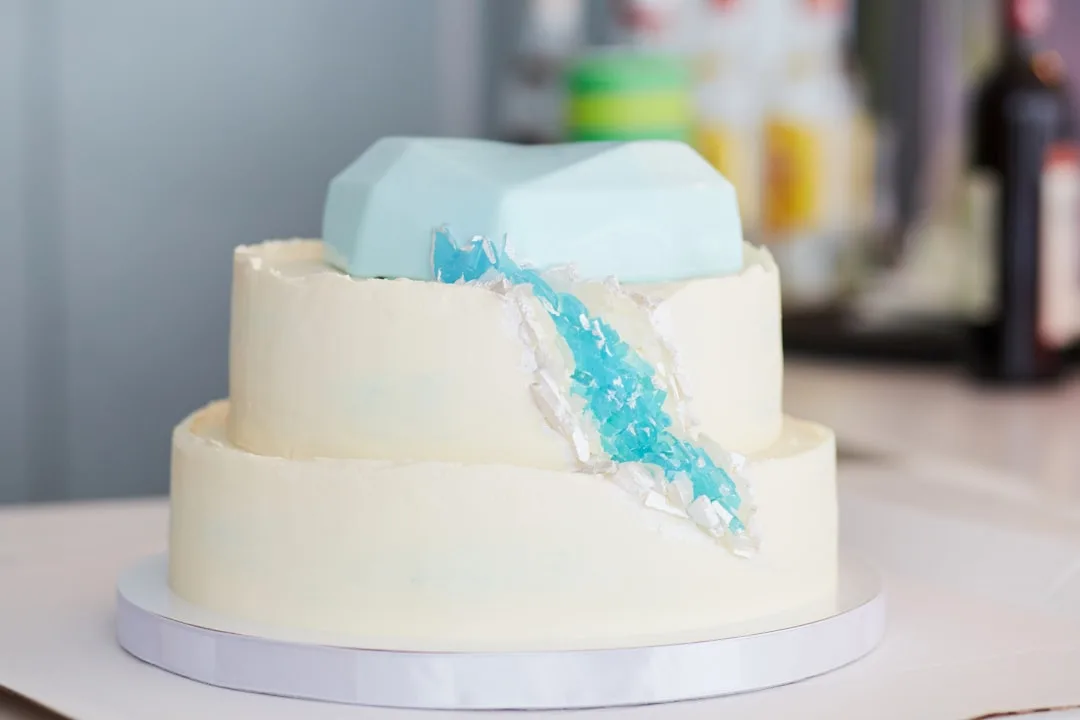
The tiered wedding cake sits in the corner of every reception, yet 2026 has quietly killed the symmetrical sponge tower. What replaced it? Architectural structures that read like interior design installations. Couples are commissioning cakes that resemble brutalist sculpture, with negative space, cantilevered layers, and finishes that mimic stone, concrete, or metal rather than frosting. This isn’t decoration. It’s structural statement.
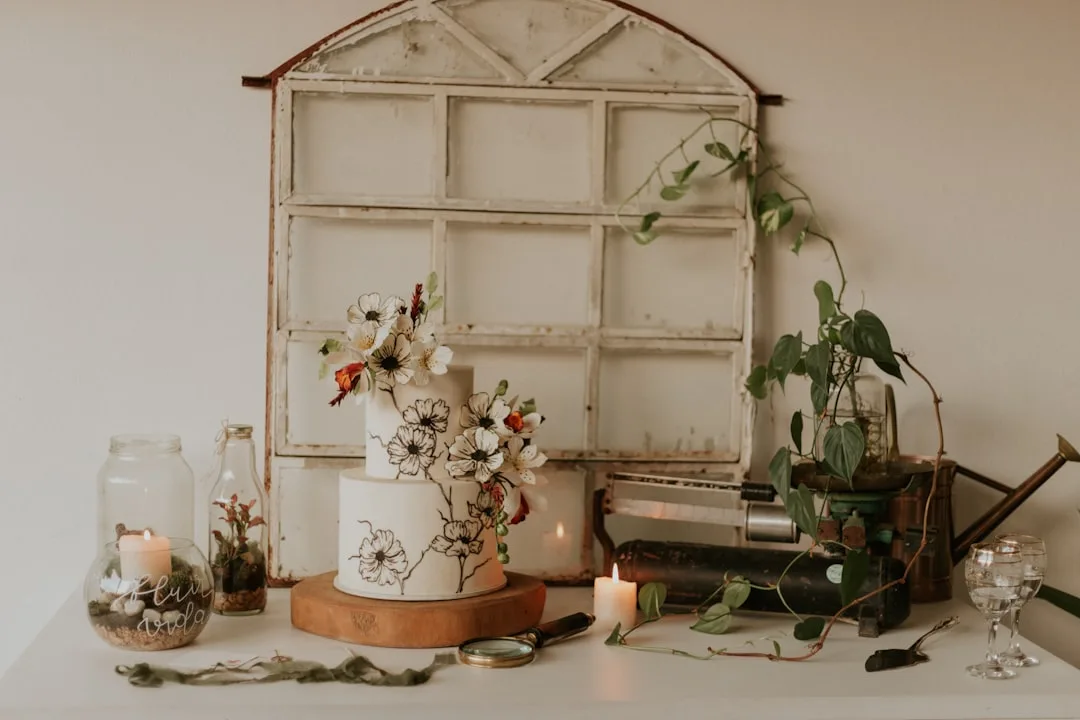
Geometric Asymmetry Dominates Cake Architecture in 2026
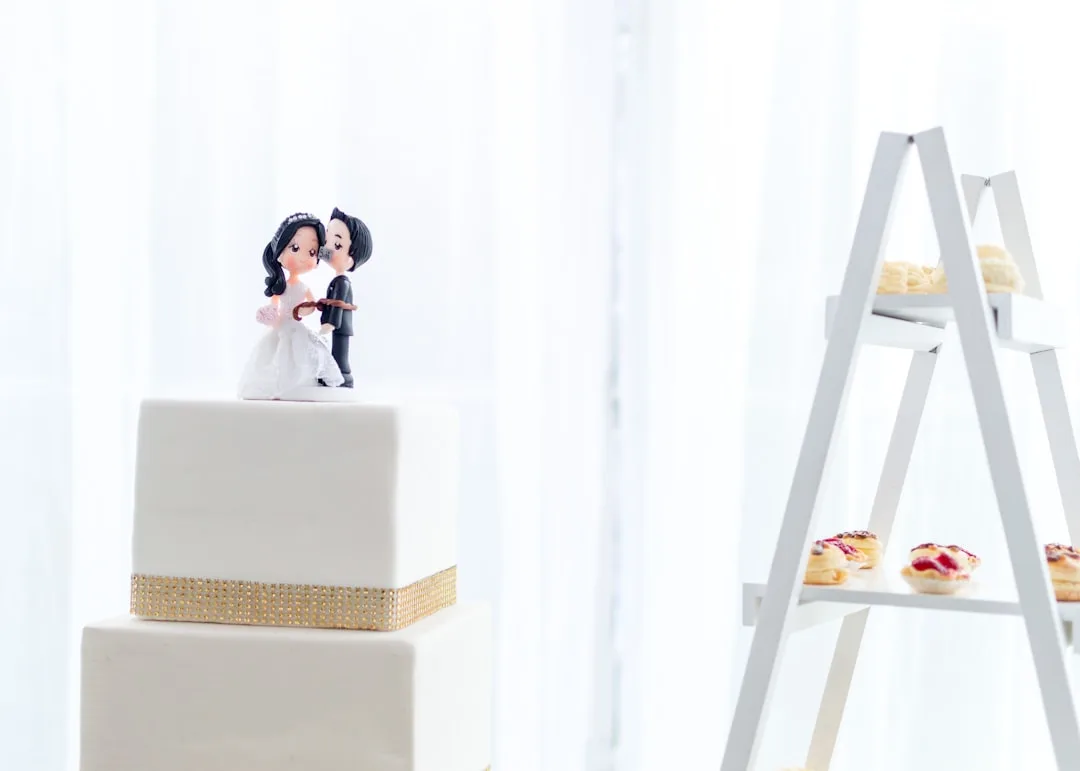
The symmetrical three-tier round cake is functionally extinct. Modern wedding cakes now feature offset rectangular blocks, staggered heights, and intentional void space—design language borrowed directly from contemporary architecture and minimalist home decor. Bakers like those at Goldbelly (tier pricing $85–$350 per serving) now offer configurations where the second tier sits slightly off-center, or the top cake floats independently on an invisible acrylic rod. This creates visual tension and photographs dramatically on social media, justifying the engineering investment.
Why this shift? Couples see their wedding cake as a sculptural anchor point for the reception space, not a dessert afterthought. Symmetry reads as dated now. Asymmetry reads as intentional, costly, and designed. A Goldbelly geometric black-and-white tiered cake (serving 75–100 guests) costs $450–$650, roughly $30 more per serving than traditional designs—but that premium buys Instagram momentum and a focal point that elevates the entire venue aesthetic.
Concrete and Stone Texture Finishes Replace Buttercream Piping
The buttercream rosette—for two decades a wedding cake staple—is vanishing. In its place: textured finishes that mimic raw materials. Cakes now wear concrete dust finishes, marble veining, oxidized copper leaf, or raw cement-like surfaces that deliberately reference industrial design. The Flour & Fancy bakery in Portland ($48–$65 per serving for textured custom cakes) uses food-grade mineral dust and edible metallic powders to create finishes indistinguishable from actual stone at distance.
A concrete-textured five-tier cake serving 120 guests costs approximately $2,400–$3,200 total. That’s identical to or slightly below a heavily decorated traditional cake, yet the visual read is exponentially more sophisticated. The texture also serves a functional advantage: it hides minor surface imperfections and seams that piped designs expose ruthlessly.
Why texture over piping? Piping is associative—it reads as “wedding” immediately, which ties the cake to tradition. Texture is ambiguous. It makes guests pause. They initially perceive it as architectural material, and the delayed recognition that it’s edible creates a memorable cognitive shift. That moment is what drives conversation and social sharing.
Floating Tier Engineering Drives Premium Pricing in 2026
June 2026 has normalized something previously considered excessive: invisible structural support systems that make cake tiers appear to levitate. Clear acrylic rods, custom-engineered cake boards, and internal doweling configurations now cost $200–$500 for a six-tier structure. This engineering investment is non-negotiable for asymmetrical or offset designs, where gravity demands professional support architecture.
Charm City Cakes in Baltimore ($55–$75 per serving, with structural engineering included) builds custom support systems for each design. A 100-guest cake with three floating offset tiers costs $4,500–$6,500 total—significantly higher than symmetrical equivalents, but the baker absorbs the engineering complexity into the per-serving rate. This transparency prevents sticker shock and positions the premium as justified investment rather than luxury markup.
Common mistake: couples order floating tiers from Instagram photos without confirming weight distribution with their actual baker. A design that works structurally for 80 guests may collapse under 150. Always request a structural load assessment and written guarantee of stability before deposit. One viral incident in April 2026 showed a five-tier floating cake destabilizing mid-reception—a preventable disaster that cost the couple $8,000 in replacement and photographer reshoot fees.
Monochromatic Palettes and Metallic Accents Anchor Cake Aesthetics
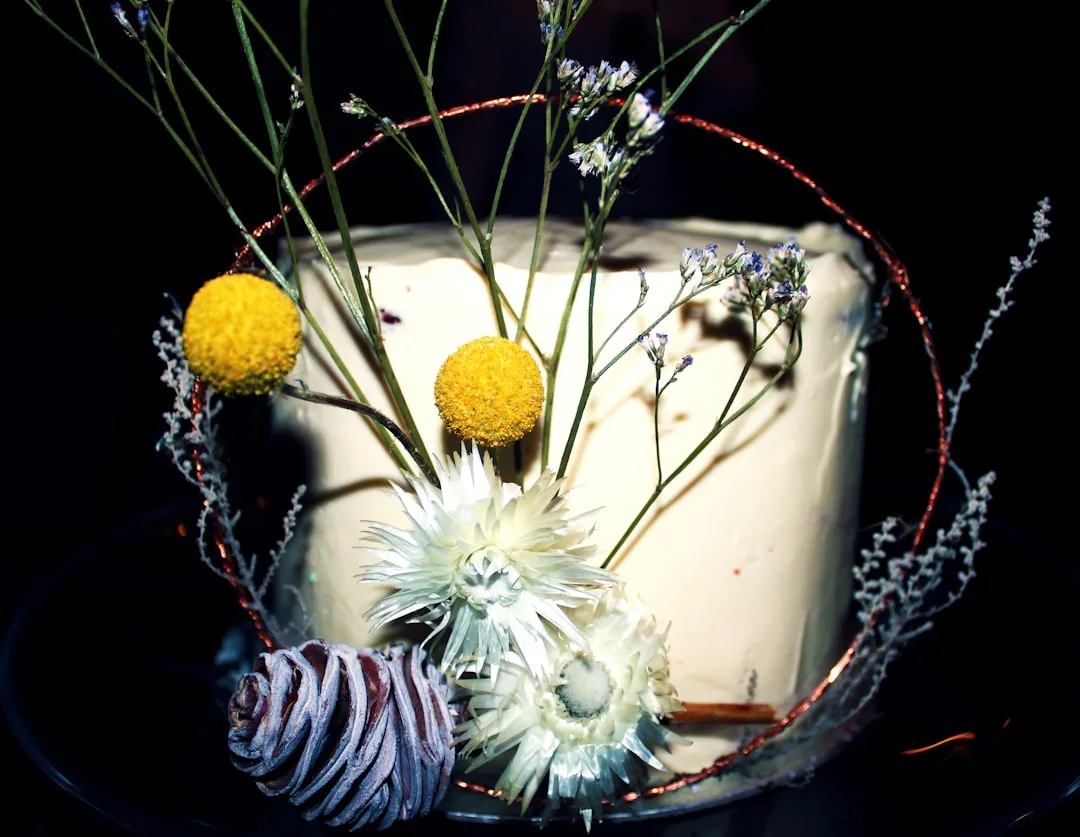
Colorful tiered cakes peaked in 2023. Wedding cake design in June 2026 defaults to monochromatic schemes—black and white, off-white and gray, charcoal and bronze. These palettes complement 3+ Boho Wedding Decor Trends You’ll Love and minimalist reception settings equally well, making them safe for diverse venue aesthetics. Metallic leaf—gold, copper, rose gold, or oxidized silver—provides the only color accent, applied selectively as brushstrokes or geometric shapes rather than full coverage.
Flour Pot Bakery in Charleston charges $3,800 for a 120-guest monochromatic black-and-white architectural cake with copper leaf details and a structural floating tier. That same guest count in full-color buttercream piped design would cost $2,900–$3,200. The $600 premium is driven by the structural engineering required for the offset tier and the precision finishing that minimal color palettes demand—any imperfection shows immediately.
Why this restraint? Maximalist cake design competes for attention with florals, linens, and lighting. Monochromatic sculptural cakes read as confident and curated without visual noise. They also age better in photos; vibrant colors become dated faster than neutral palettes. A couple viewing their wedding photos in 2030 will perceive a monochromatic architectural cake as timeless, while pastel gradient buttercream will read as distinctly mid-2020s trend decoration.
Complete guide
Furniture Decor Ideas for Every Room in Your Home
Living room, bedroom, dining, kitchen, outdoor — all in one place
Complete guide
The Minimalist Style Guide That Covers Every Room, Surface and Outfit
Interiors, exteriors, kitchens, bedrooms, fashion, hair — all in one place
Complete guide
Party Fashion Outfits That Turn Every Room Into a Runway
Disco, holiday, pool, white party, themed dress codes — all in one place