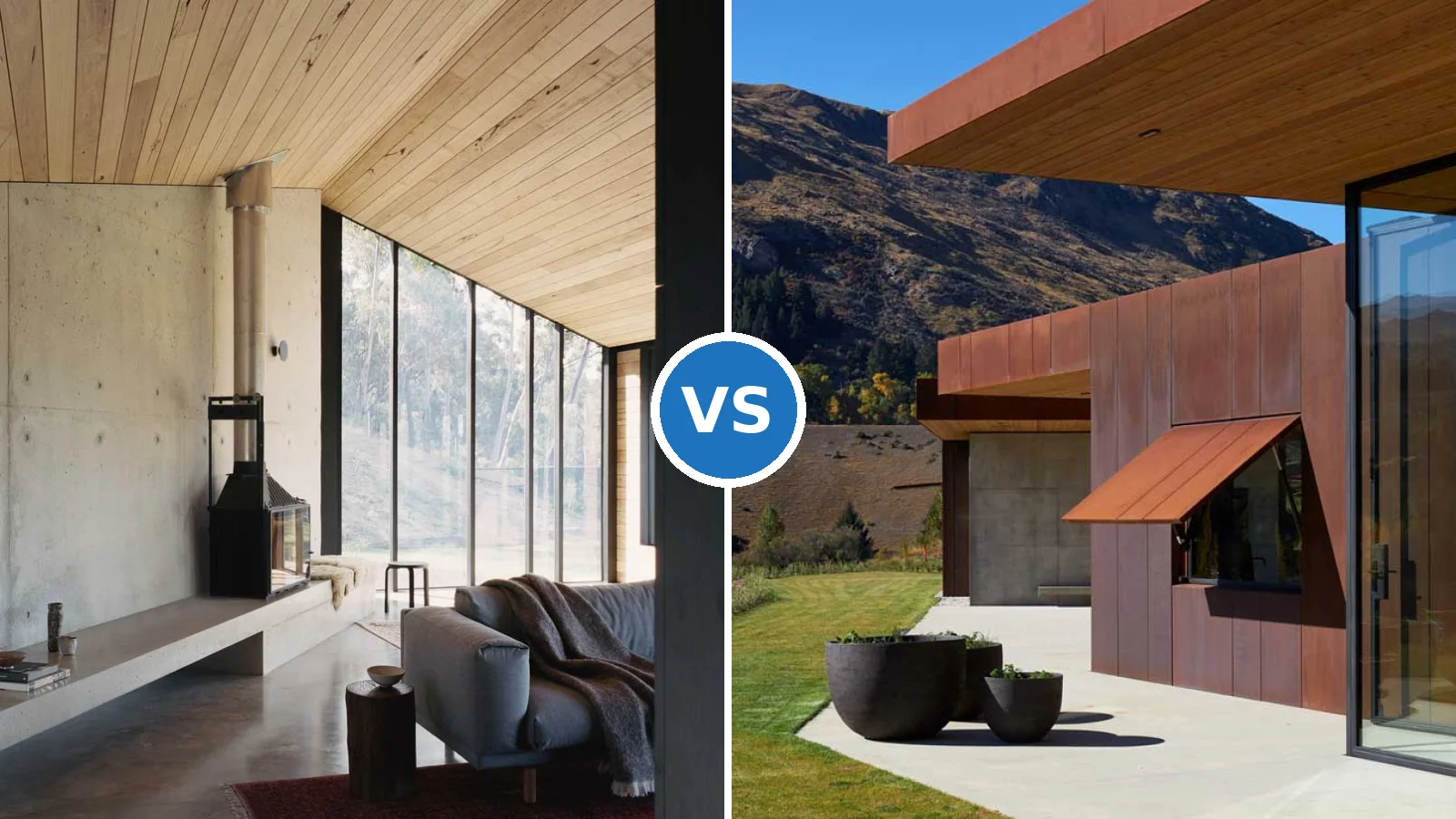
You’re standing in front of your house wondering if the aging facade needs a complete overhaul. The choice between wood cladding and a metal sheet façade isn’t trivial—it shapes how your home feels, performs through seasons, and looks for decades. Wood cladding vs metal sheet façade represents two entirely different philosophies: one rooted in natural integration with the landscape, the other in modern efficiency and weather resistance.

What wood cladding and metal sheet façade actually are
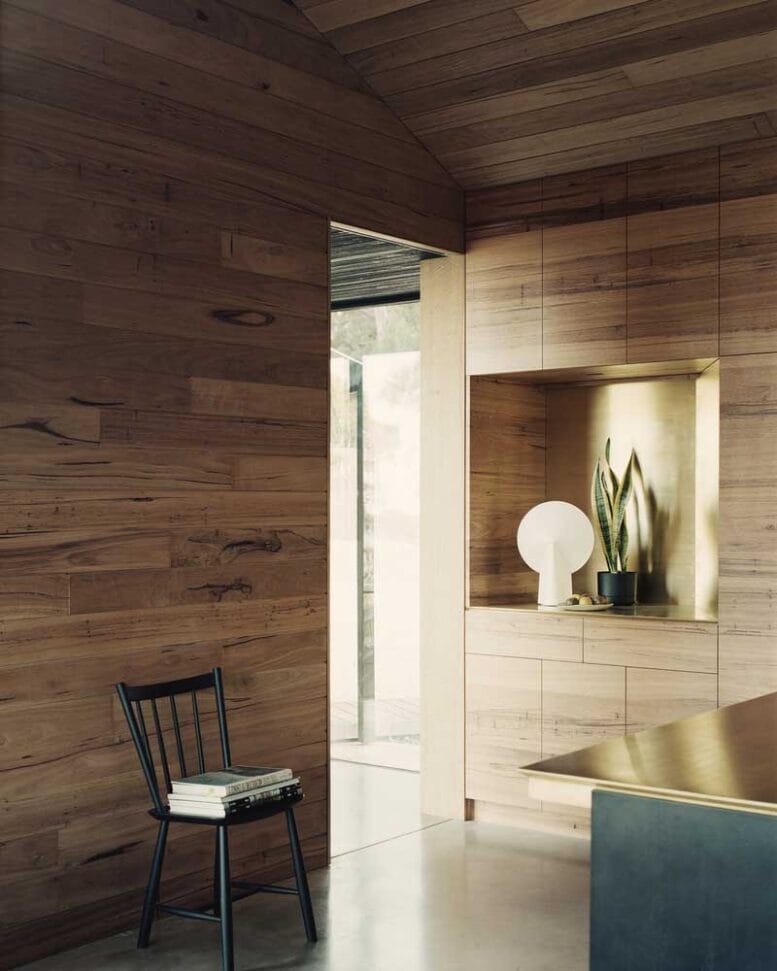
Wood cladding involves applying horizontal or vertical boards of real wood to your exterior walls, creating a finished surface that weathers naturally over time. Horizontal wood cladding projects showcase how timber transforms a house into something that belongs within its natural surroundings, blending rather than commanding attention. The material carries texture, grain variation, and an organic quality that changes subtly as it ages.
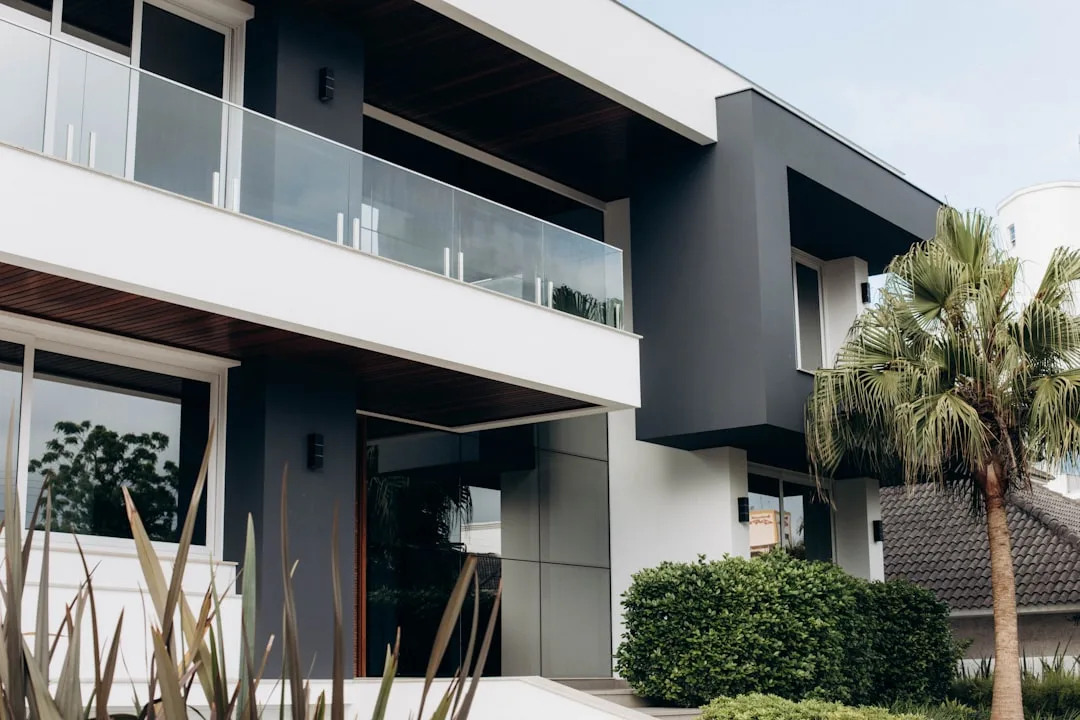
Metal sheet façades, by contrast, use engineered metal panels—typically steel or aluminum—mounted as a protective skin over your structure. Metal sheet façade design has evolved to become a trending choice in modern residential architecture, offering a uniform, contemporary aesthetic that reflects light differently depending on finish and angle. These panels are factory-produced and installed in a standardized process.


Style, durability, and maintenance: head-to-head comparison
Wood cladding delivers warmth and organic beauty that appeals to homeowners seeking connection with nature. It ages visibly—weathering to silver-gray or warm honey tones depending on exposure and wood species. This visible aging is either a feature or a drawback, depending on your taste.
Metal sheet façades project contemporary minimalism and industrial precision. They maintain consistent appearance year after year, with finishes available in matte, brushed, or painted options. The visual language is modern, sleek, and unambiguous.
Durability differs sharply. Metal panels, when properly treated, can last more than 100 years without significant degradation. Wood requires regular maintenance—sealing, staining, or painting every 3–7 years to prevent rot, insect damage, and weathering. Metal is lower-maintenance but less forgiving if damaged; wood can be repaired or replaced in sections more easily.
| Criteria | Wood Cladding | Metal Sheet Façade |
|---|---|---|
| Aesthetic | Natural, warm, organic texture | Modern, uniform, industrial |
| Lifespan | 20–40 years with proper care | 100+ years when treated |
| Maintenance | Every 3–7 years required | Minimal, occasional cleaning |
| Thermal Performance | Good insulation value naturally | Excellent heat rejection |
| Installation Speed | Moderate, skilled labor needed | Quick, standardized process |
| Weather Resistance | Susceptible to rot and insects | Superior in harsh climates |
Quick Verdict
- Choose wood cladding if you value natural aesthetics, live in a moderate climate, and commit to regular maintenance.
- Choose metal sheet façade if you prioritize longevity, live in extreme weather, and want minimal upkeep.
- Choose wood if your property sits within forests, meadows, or rural settings where natural materials enhance the landscape.
- Choose metal if you’re building in mountainous regions, coastal areas with high winds, or industrial zones.

Where wood cladding wins decisively
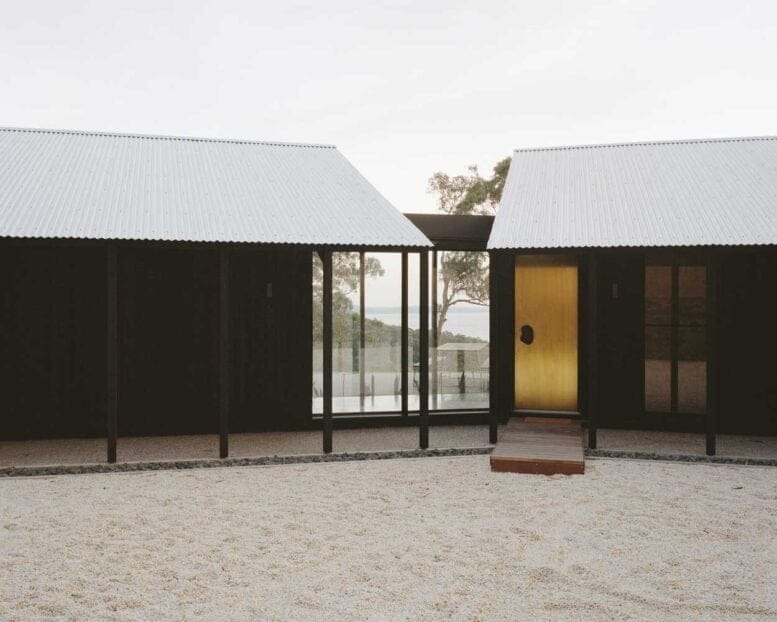
Wood cladding excels at creating a sense of place. A house wrapped in horizontal timber boards doesn’t announce itself loudly—instead, it settles into its environment as though it’s always belonged there. This integration is almost impossible to achieve with metal.
Cost of initial installation is typically lower for wood than for high-quality metal systems. Homeowners can also undertake partial repairs themselves, replacing a few damaged boards without removing the entire façade. Wood’s breathability also allows moisture to move naturally through the wall assembly, which can prevent trapped condensation in certain climates.
The tactile, living quality of wood—its ability to weather, patina, and age visibly—appeals deeply to those seeking authenticity. No two sections of aged wood look identical, creating subtle visual richness that metal cannot replicate.

Where metal sheet façade wins decisively
Metal’s longevity is unmatched. A properly installed and maintained metal façade can serve for generations without structural failure, whereas wood will eventually need replacement. In regions with relentless weather—mountainous areas, coastal zones with salt spray, or climates with extreme temperature swings—metal is the rational choice.
Installation speed favors metal significantly. Standardized panels mount quickly using proven processes, reducing labor time and project duration. This efficiency translates into cost savings despite higher material expense in some cases.
Metal’s thermal performance is superior. These panels actively reject heat, maintaining passive solar control that reduces cooling loads in warm seasons. Metal is also impervious to rot, insect damage, and biological degradation. Once installed, it demands almost no preventative maintenance—occasional washing removes dirt, but no sealing, staining, or painting cycles are required.


The biggest mistake people make choosing between them
Most homeowners assume wood cladding requires only occasional touch-ups and fail to budget for comprehensive maintenance over 20 years. They install beautiful horizontal boards, ignore weathering for 5–6 years, then discover soft spots, rot pockets, and insect galleries requiring expensive repair or full replacement. One family invested in premium cedar cladding without establishing a maintenance schedule; within eight years, sections had deteriorated enough to compromise water resistance, leading to interior wall damage costing far more than regular sealing would have prevented.
The parallel mistake with metal is underestimating the importance of proper installation and quality. Cheap metal panels, poorly sealed seams, or installation by inexperienced crews can result in water infiltration, fastener corrosion, and premature failure—negating metal’s theoretical longevity advantage. A premium system installed by competent professionals will deliver its promised lifespan; cut corners, and you’re paying for a 100-year material that fails in 15.
Matching your choice to your situation
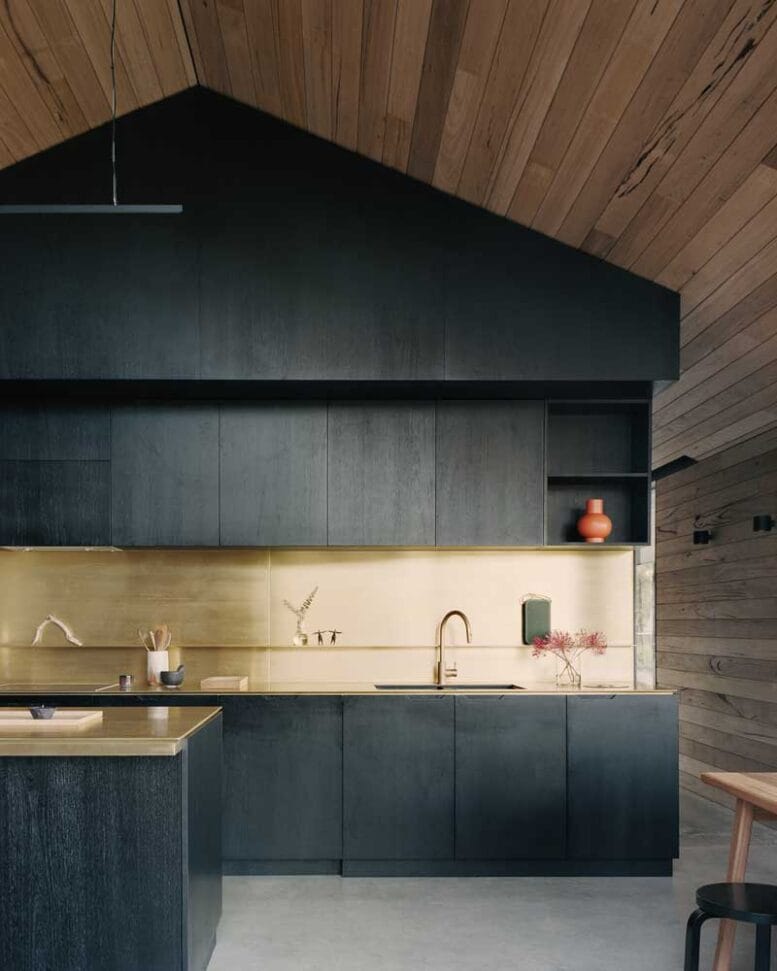
If your property sits within a landscape of natural elements—surrounded by forest, meadows, or rural terrain—wood cladding harmonizes in ways metal cannot match. You’re buying into a philosophy of blending rather than contrasting. Accept that maintenance is part of ownership; budget for it and embrace the material’s aging as a feature.
If you live where weather is harsh, your schedule is packed, or you plan to own the home for 30+ years, metal sheet façade offers peace of mind. You’re prioritizing durability and reliability over the romantic appeal of organic materials. The industrial aesthetic may take time to appreciate, but it won’t demand your attention.
Climate matters enormously. Temperate zones forgive wood; harsh regions punish it. A wood façade in a dry, mild climate might thrive; the same material in a wet coastal area or freeze-thaw zone will struggle.

Final verdict: which should you choose
There is no universal winner between wood cladding and metal sheet façade. Wood cladding belongs on homes where natural integration and tactile warmth matter more than convenience, where owners commit to stewardship, and where the climate isn’t actively hostile. Metal sheet façade belongs where performance trumps nostalgia, where weather is unforgiving, and where you value certainty over character.
The real question isn’t which material is objectively better. It’s which aligns with your vision, your climate, your maintenance tolerance, and your timeline. A wood-clad cottage in a forest glen and a metal-clad mountain residence aren’t in competition—they’re solving fundamentally different problems. Choose the one that solves yours.