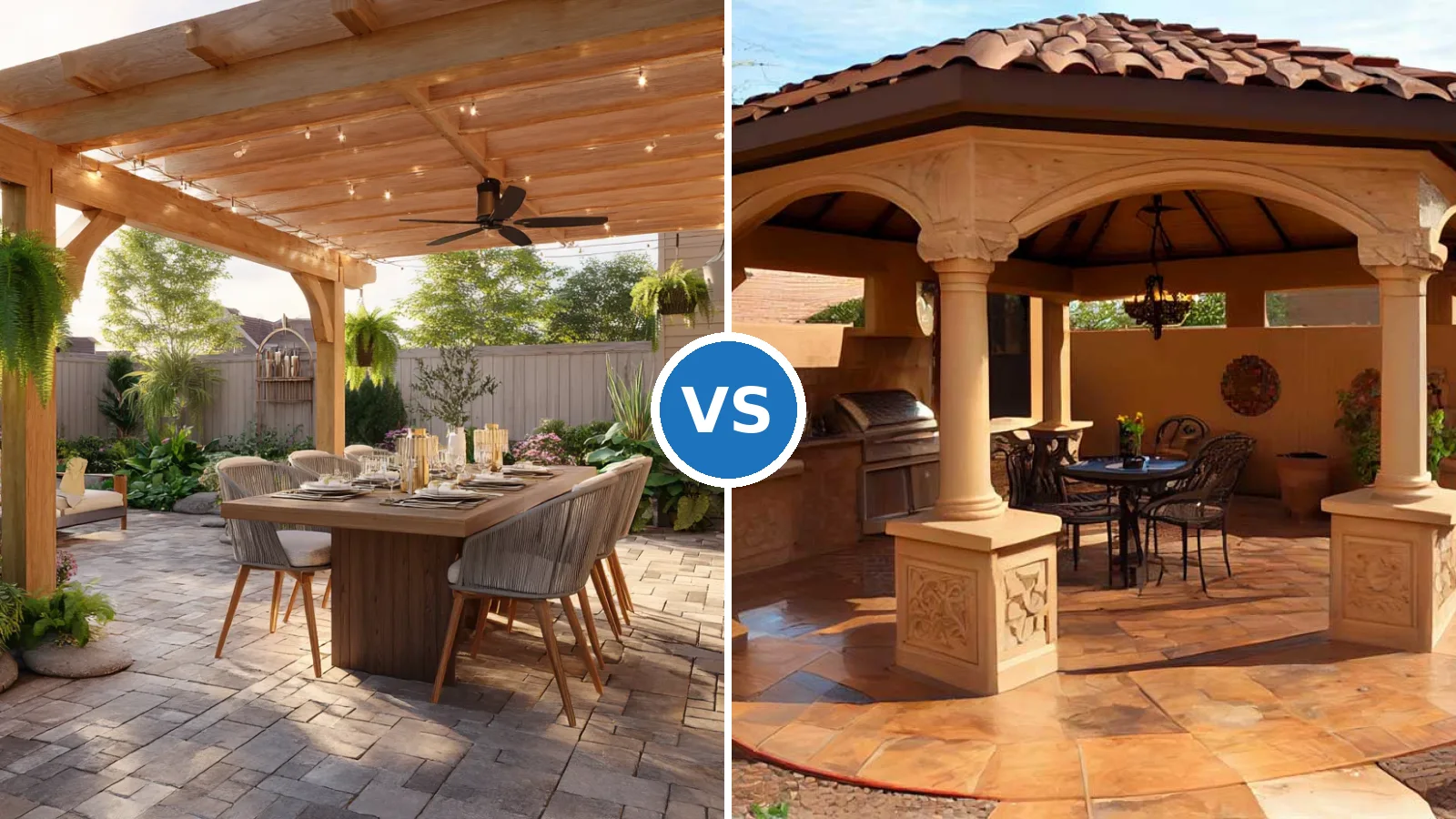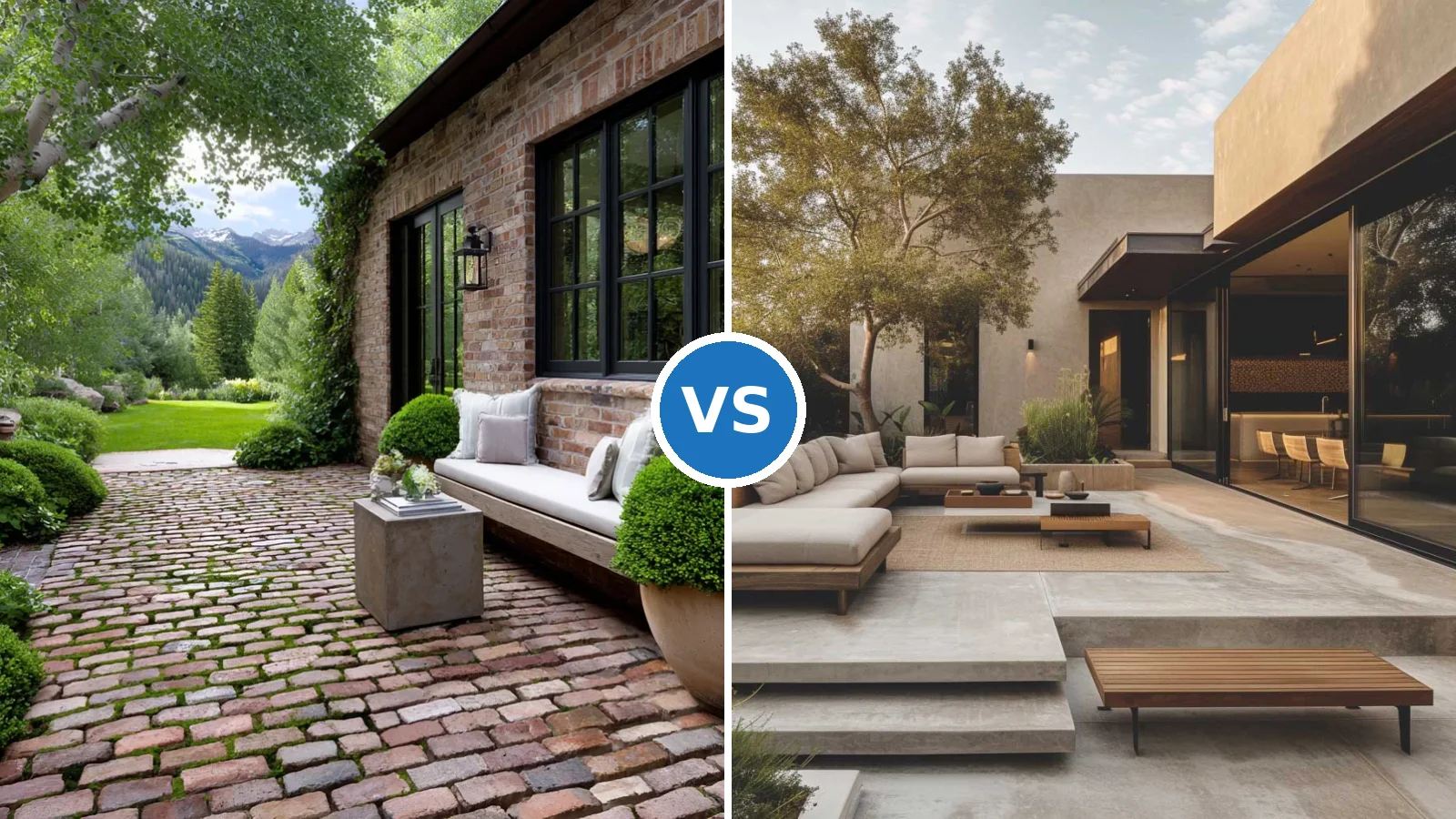
You’re standing in your backyard deciding between two materials that will anchor your outdoor life for the next decade. Brick patio vs concrete slab patio—both work, both last, but they demand different commitments and reward different design choices. A brick patio reads warm and settled; a concrete slab gives you a neutral canvas and a larger budget for the landscaping and furniture that actually shape how the space feels. Red brick suits homeowners who want their patio to whisper heritage and coziness. Concrete works best for those chasing clean lines, minimalist styling, or the flexibility to restyle without replacing the foundation.
What brick patio and concrete slab actually deliver
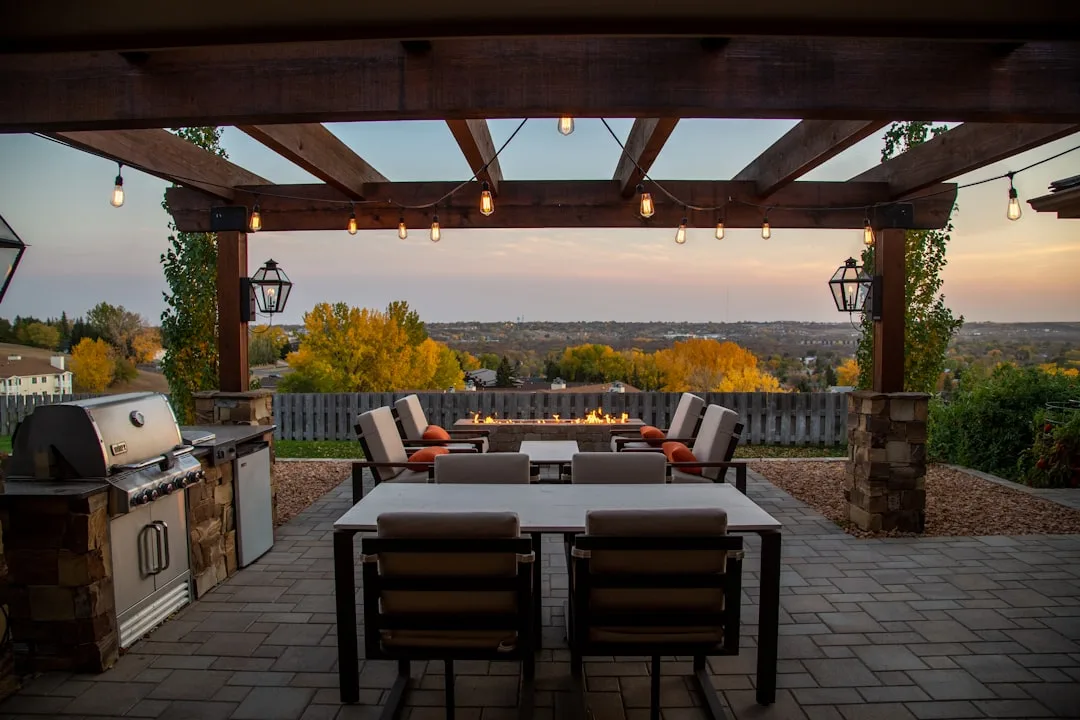
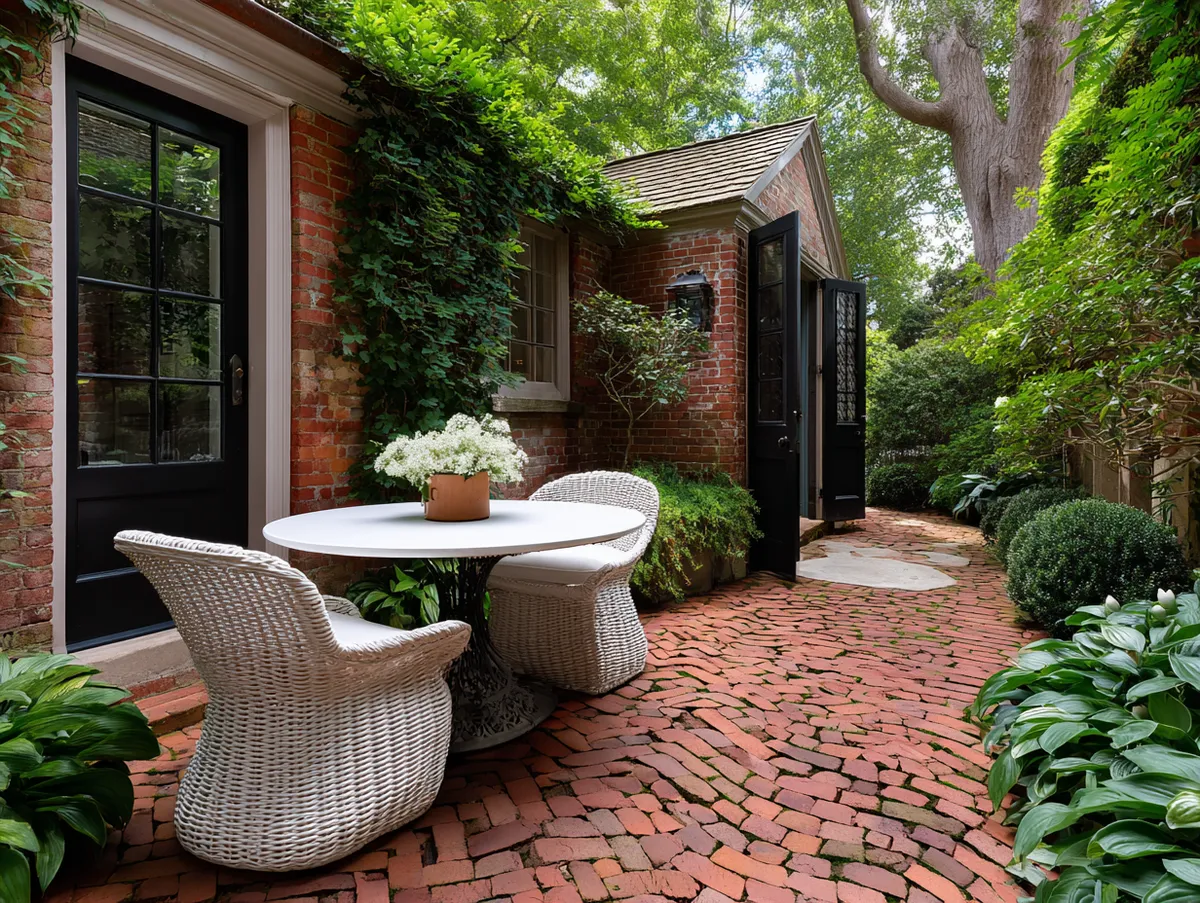
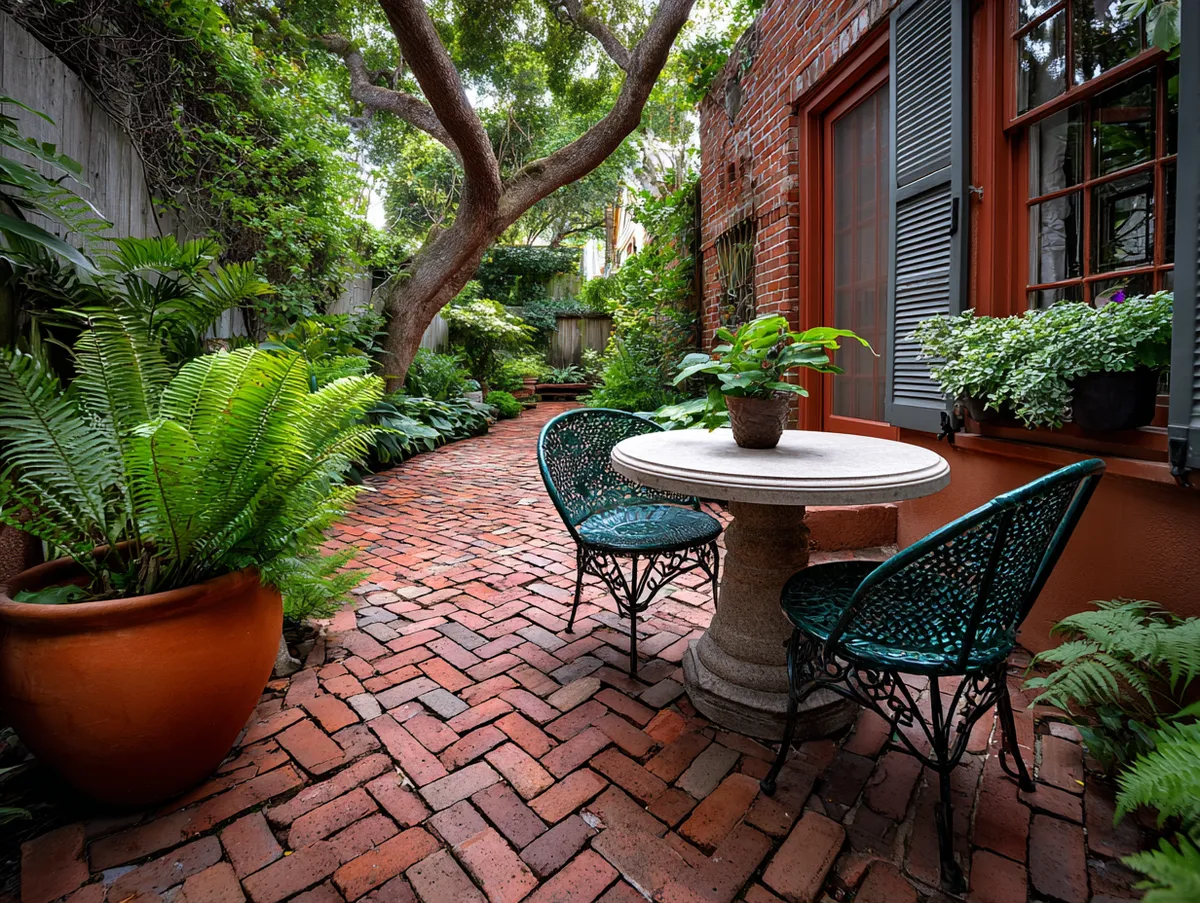
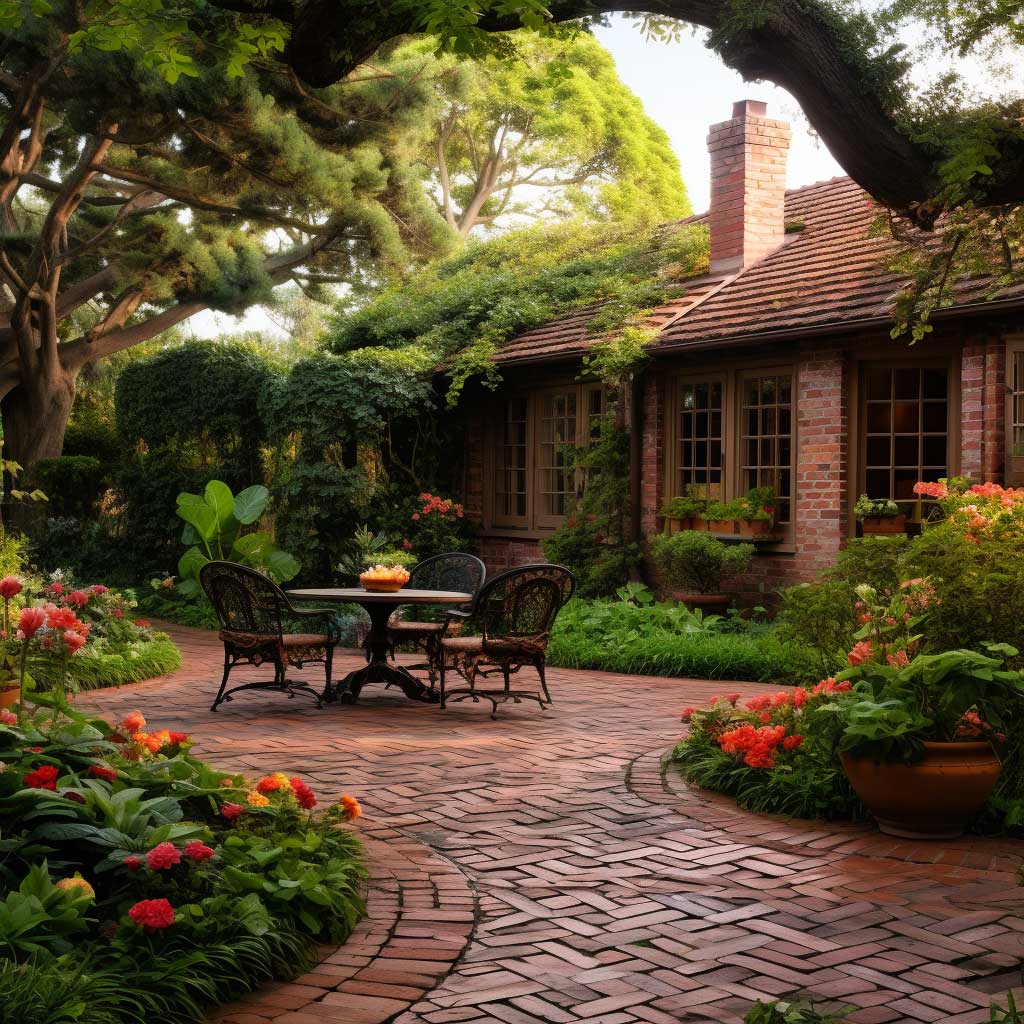
Brick is fired clay cut into uniform units and laid one at a time in a pattern—herringbone, running bond, or circular arrangements all work if built on a proper gravel base. Each brick ages visibly, developing moss in the joints and a weathered patina that deepens character over years. You see the individual units; the material announces itself.
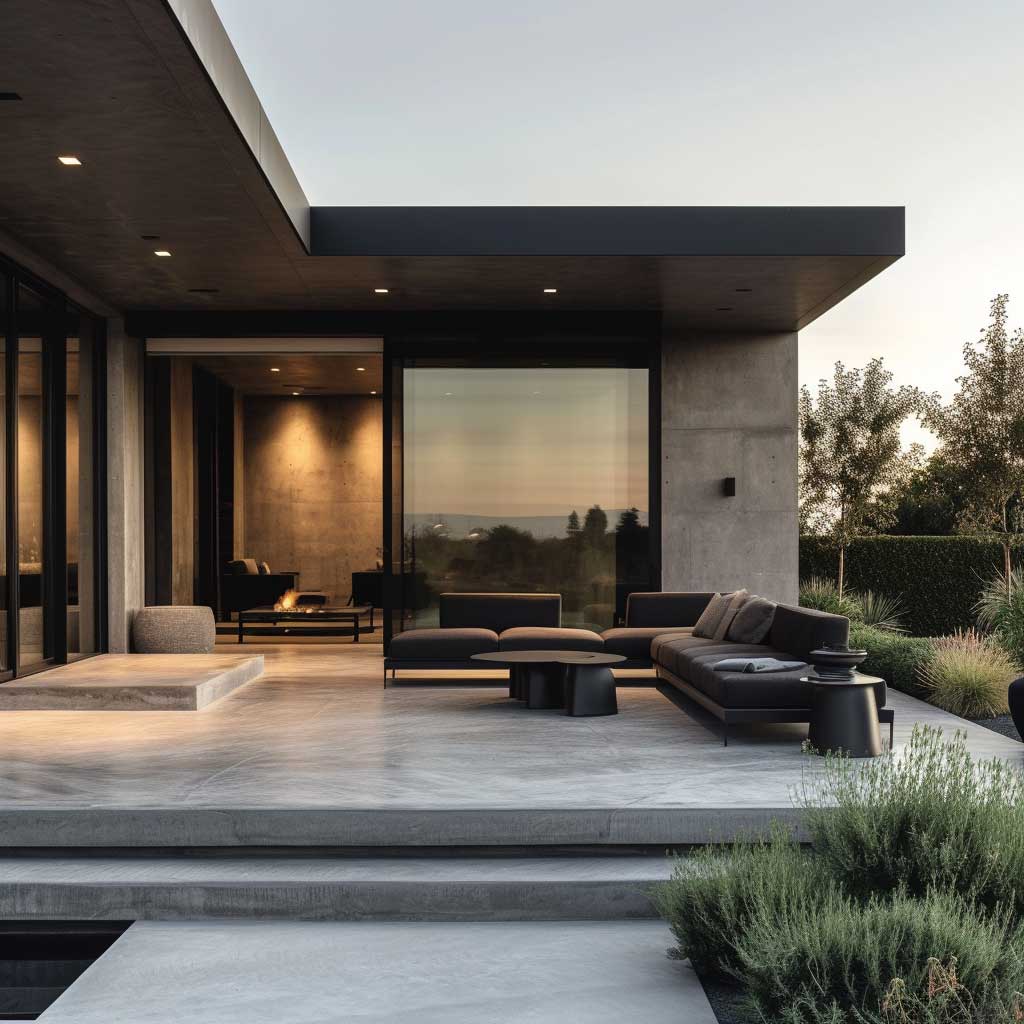
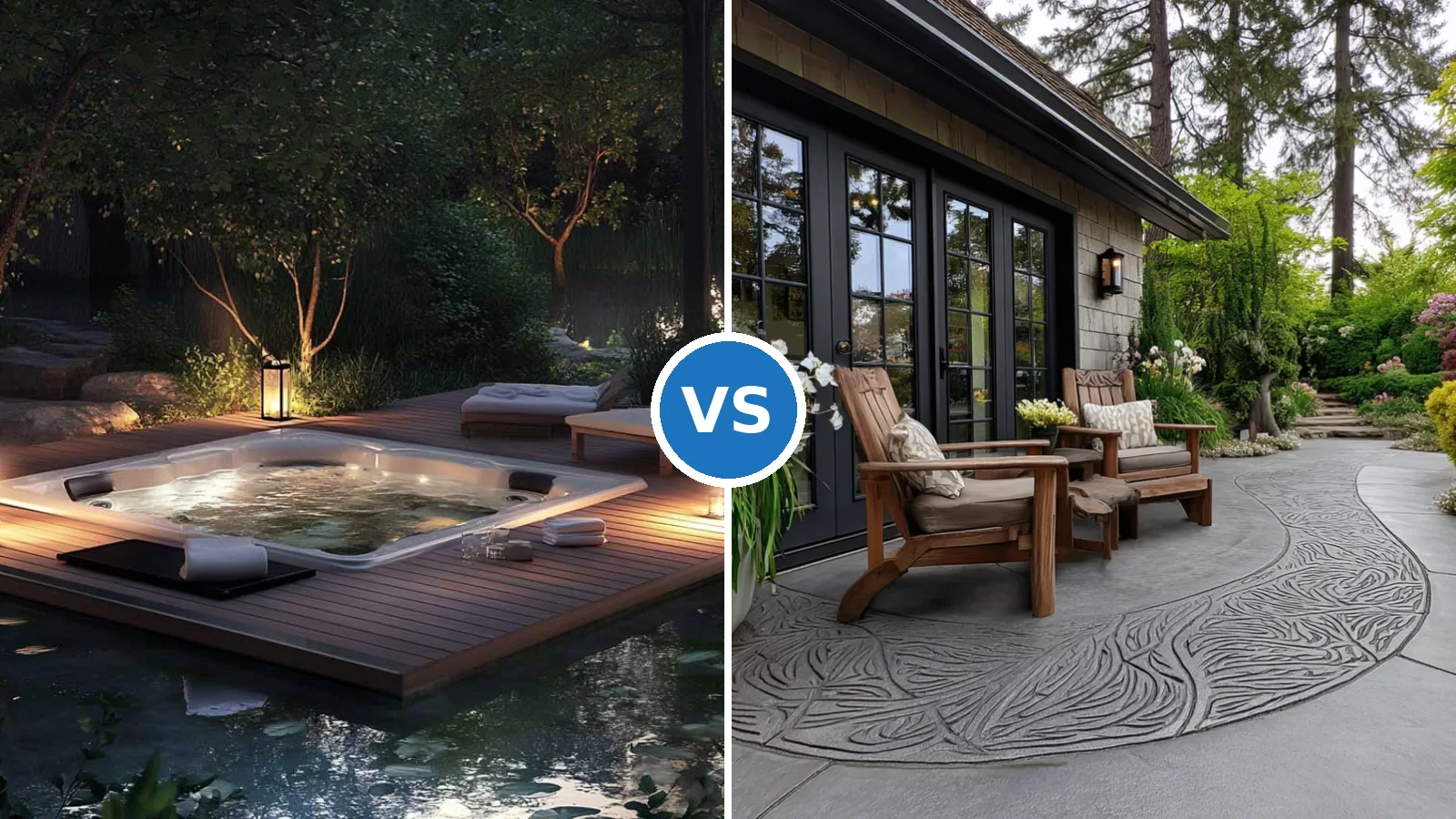
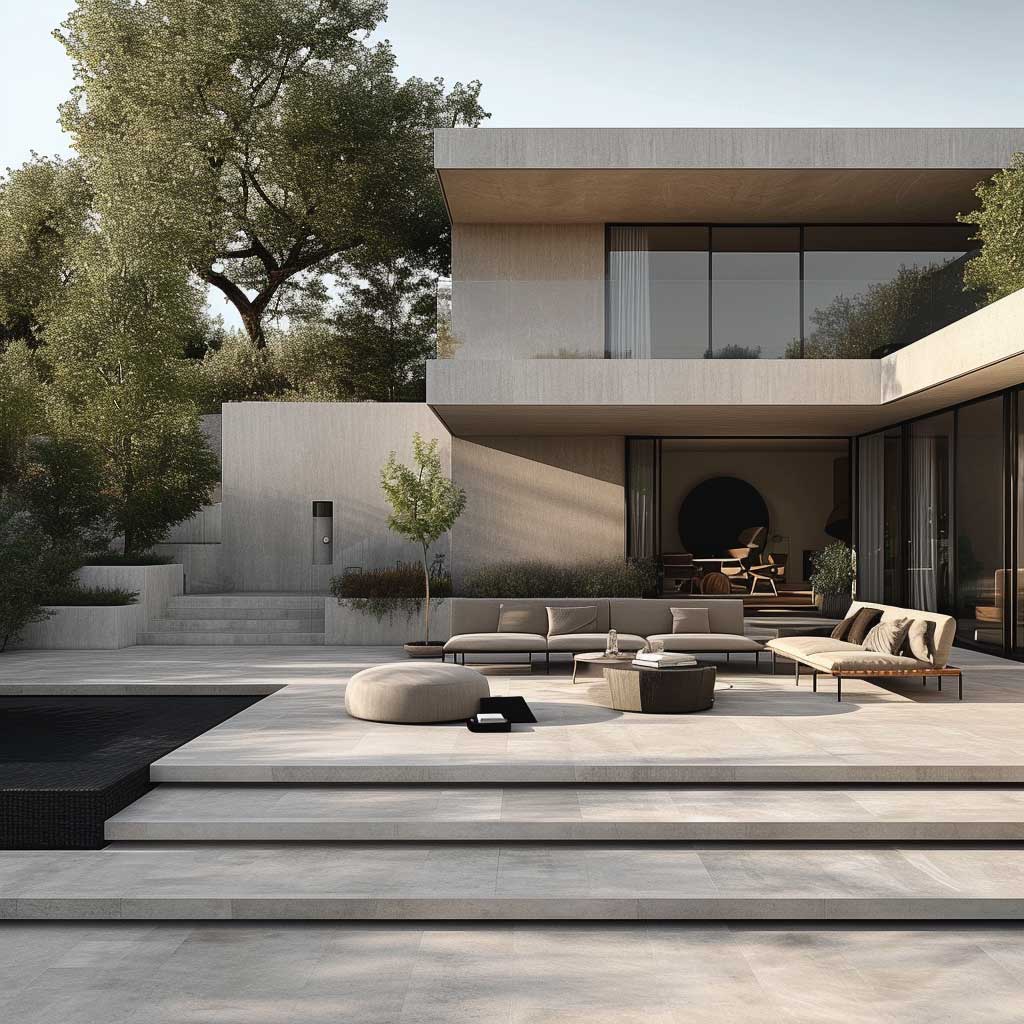
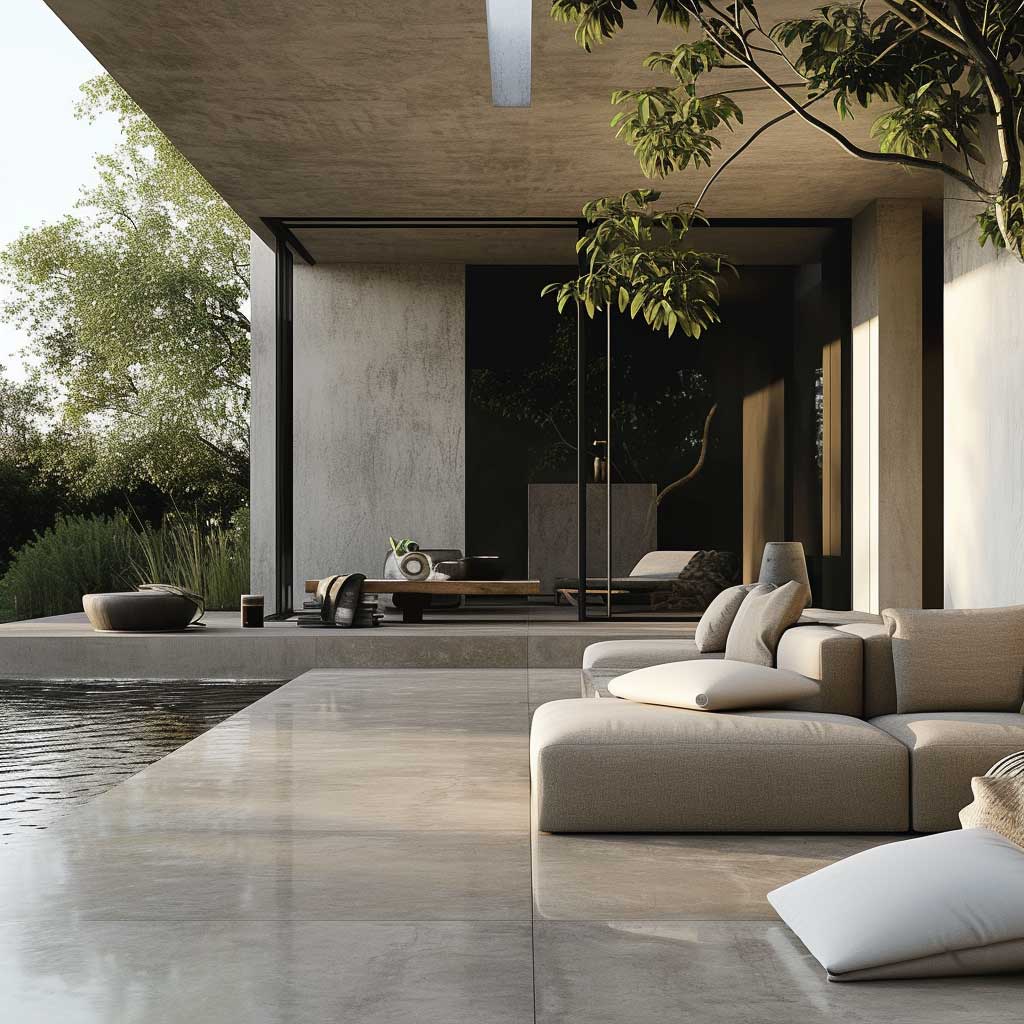
Concrete is a single continuous pour—one slab that cures as one surface. It can be stamped, stained, polished, or left rough-brushed, but it reads as unified and monolithic. The finish you choose at pour time largely determines the aesthetic and maintenance profile for the next fifteen years. Visit the brick patio design guide and the concrete slab patio ideas article to see specific installations side by side.
Quick Verdict
- Choose brick if your home is colonial, cottage, or has existing red brick—and you love the rustic look.
- Choose brick if you’re willing to spend time on maintenance and prefer visible, textured aging.
- Choose concrete if you want design freedom and a budget buffer for furniture and landscaping.
- Choose concrete if you prefer minimal upkeep and a modern, minimal aesthetic.
Cost, durability, and maintenance for brick patio vs concrete slab patio
Brick costs more upfront to install—individual units require skilled labor, a solid gravel base, and precision setting. The payoff comes from visual warmth and longevity; a well-laid brick patio doesn’t crack from ground movement the way concrete can. Concrete runs cheaper to pour but demands a flawless gravel base or it heaves and fractures within 12–18 months. Both materials last decades if installed correctly.
Maintenance diverges sharply. Brick tolerates neglect better—moss in the joints is a feature, not a flaw. A stiff broom and water is all it needs; power washing strips color over time. Concrete requires more precision: sealing must happen at exactly 28 days after pour (too early and it traps moisture), and acid-stained colors vary wildly by slab batch and aggregate composition. A new slab should get a 12×12 test patch before committing to full-surface staining.
| Criteria | Brick patio | Concrete slab |
|---|---|---|
| Installation cost | Higher per sq ft | Lower base cost |
| Visual aging | Becomes more beautiful | Shows stains and marks |
| Design flexibility | Fixed after installation | Soft finishes allow restyle |
| Seasonal heaving | Resists frost movement | Cracks if base insufficient |
| Sealing needs | Matte sealer optional | Requires 28-day cure + seal |
| Landscape pairing | Needs dense greenery | Works with minimal plants |
Where brick patio design wins
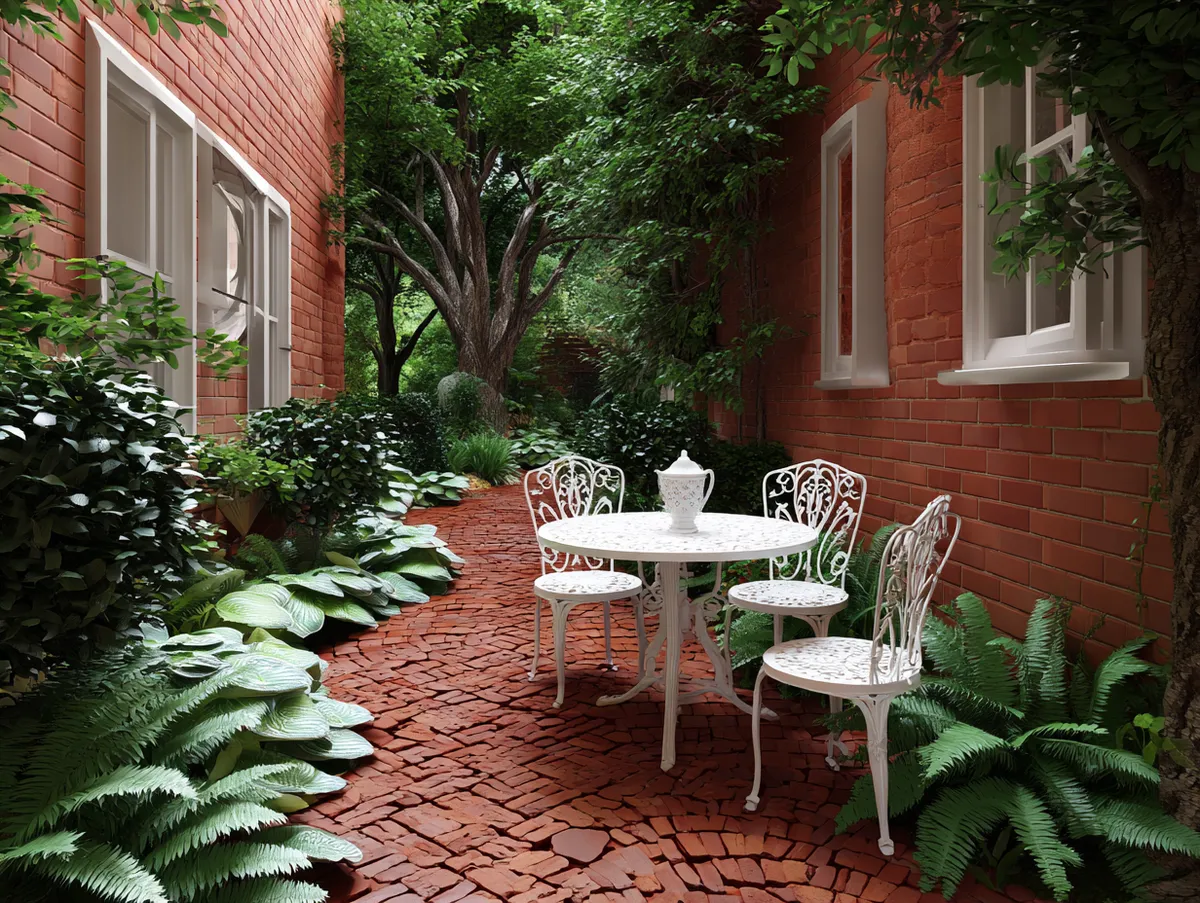
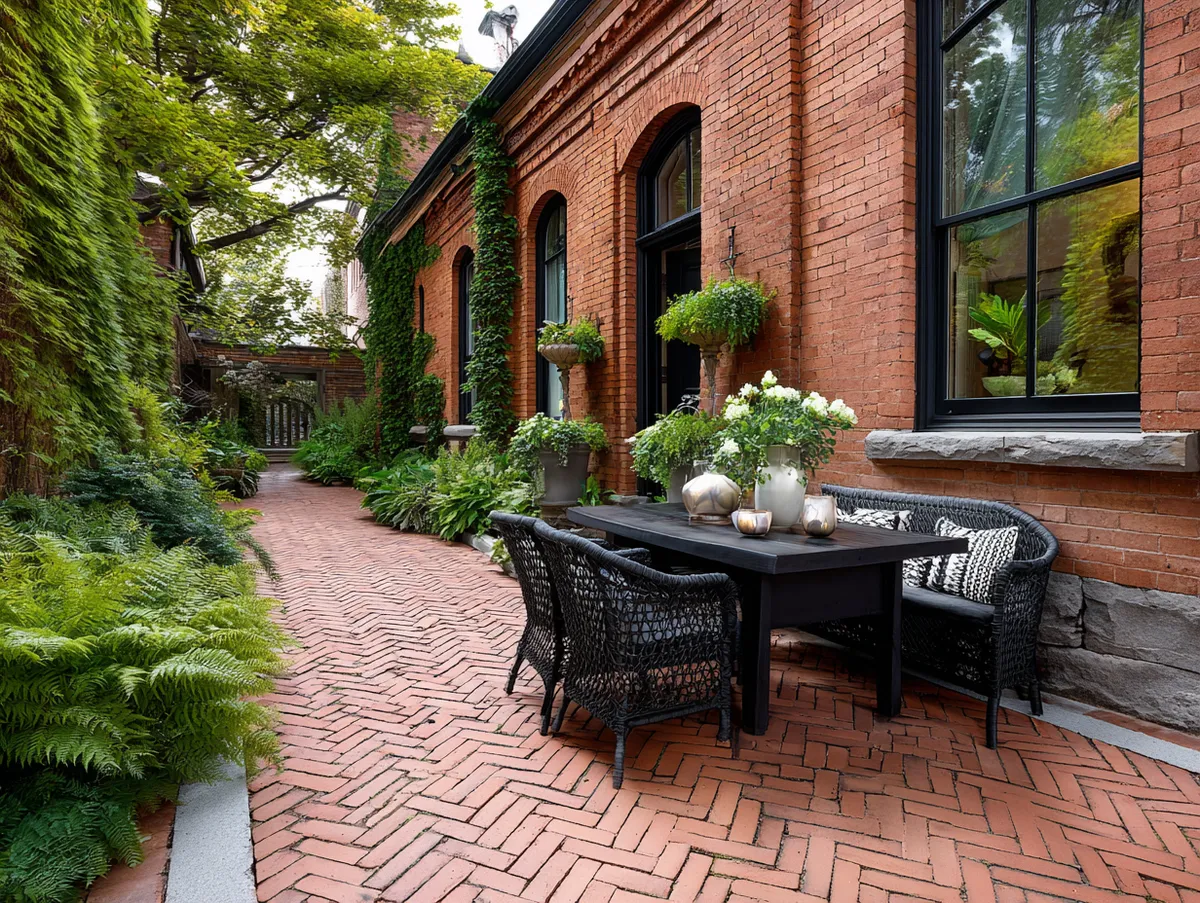
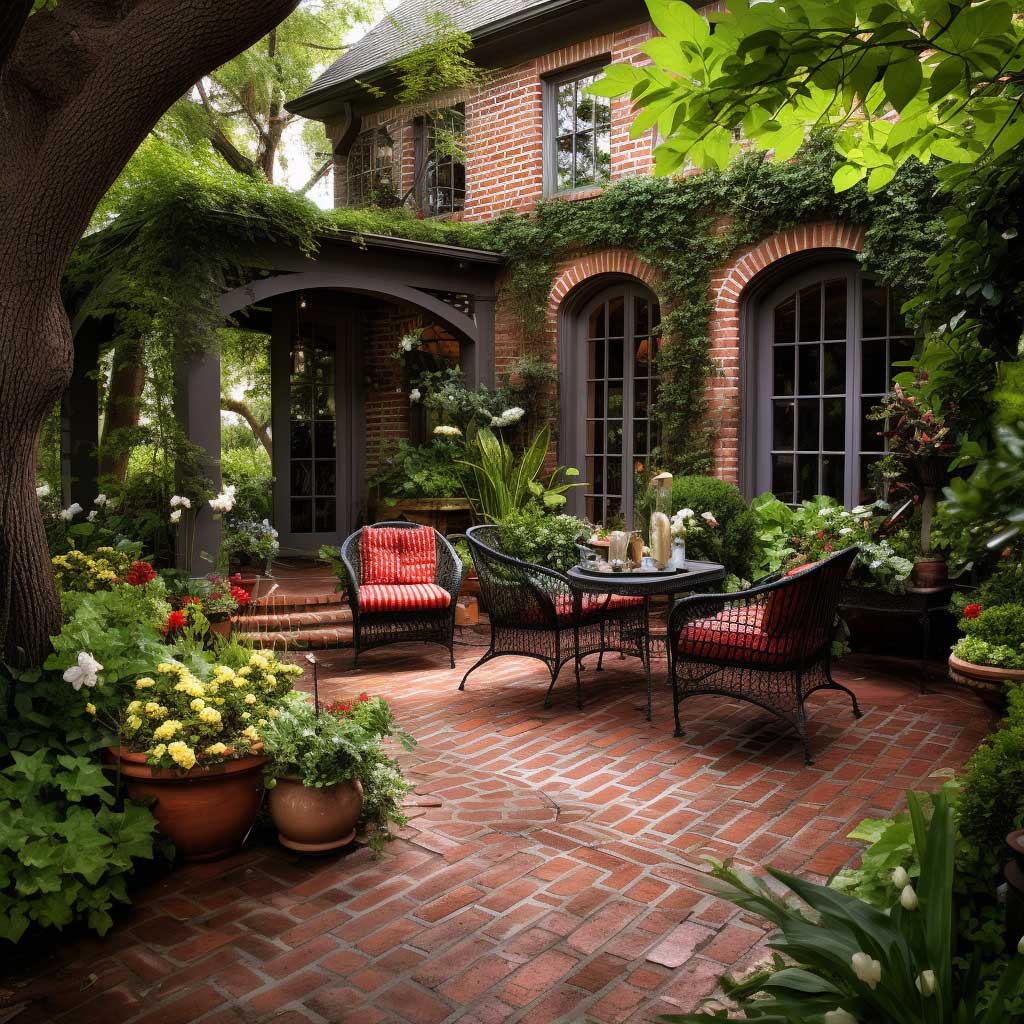
Brick wins on warmth. A red brick patio absorbs and radiates heat; in October when morning coffee happens on the patio, the surface stays warm underfoot in ways concrete can’t match. This matters for comfort and for the emotional experience of the space.
Brick also wins on matching existing architecture. If your home is brick—whether red colonial or deep charcoal—a brick patio reads as an extension rather than an addition. It feels inevitable. The landscape designer trick of using slightly darker clay brick against orange-red 1970s brick, or dark grey brick with white houses and black trim, creates visual continuity that concrete struggles to replicate.
Visible texture and age are assets, not liabilities. Moss in brick joints isn’t decay; it’s evidence of a living, breathing surface. This aesthetic suits cottage, farmhouse, and rustic styles inherently. A herringbone pattern on brick reads as invested craftsmanship in ways stamped concrete cannot.
Where concrete slab patio wins
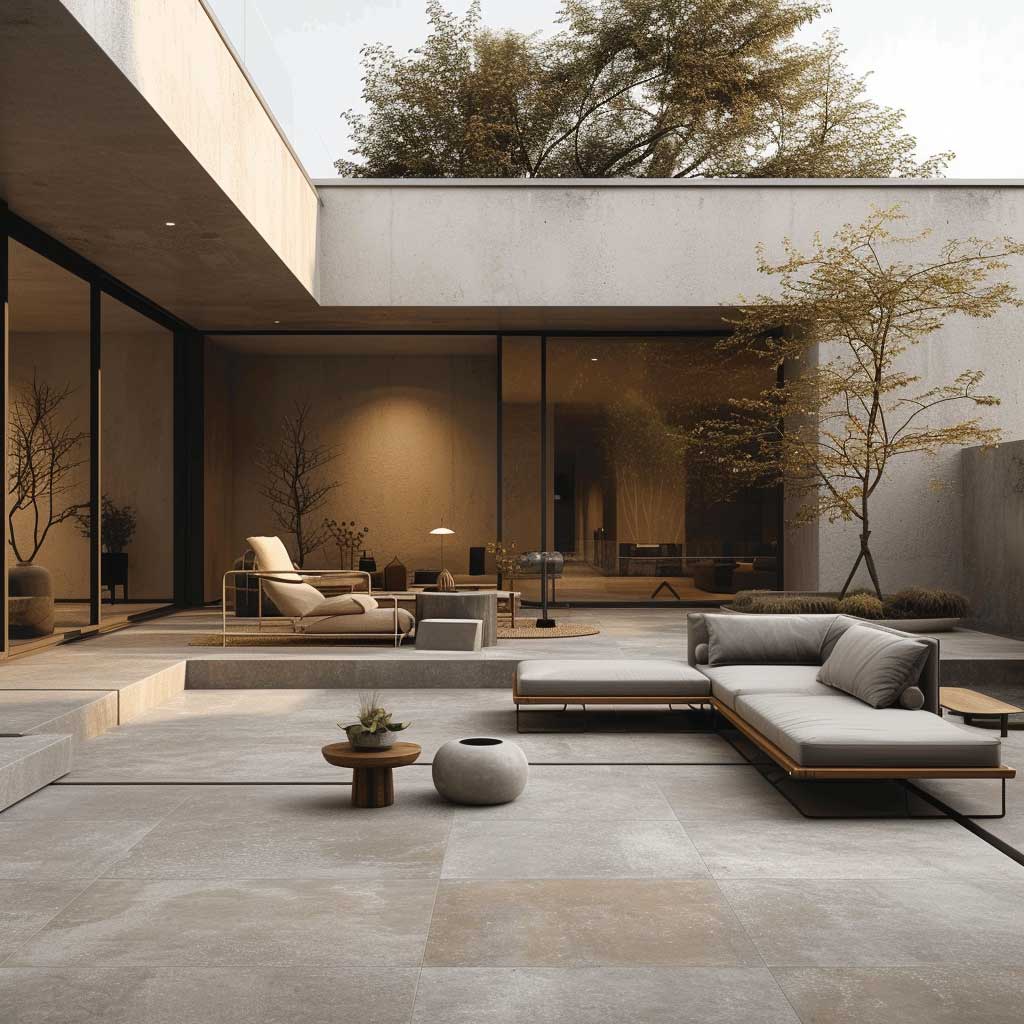
Concrete wins on budget flexibility. A basic pour costs roughly half what brick installation demands. That savings extends directly to furniture, lighting, and landscaping—the elements that actually shape how people use the space. A minimalist concrete slab pairs beautifully with a single statement furniture piece like a KETTLER Advantage Pro set, leaving money for recessed LED edge lighting that makes the patio feel intentional rather than functional.
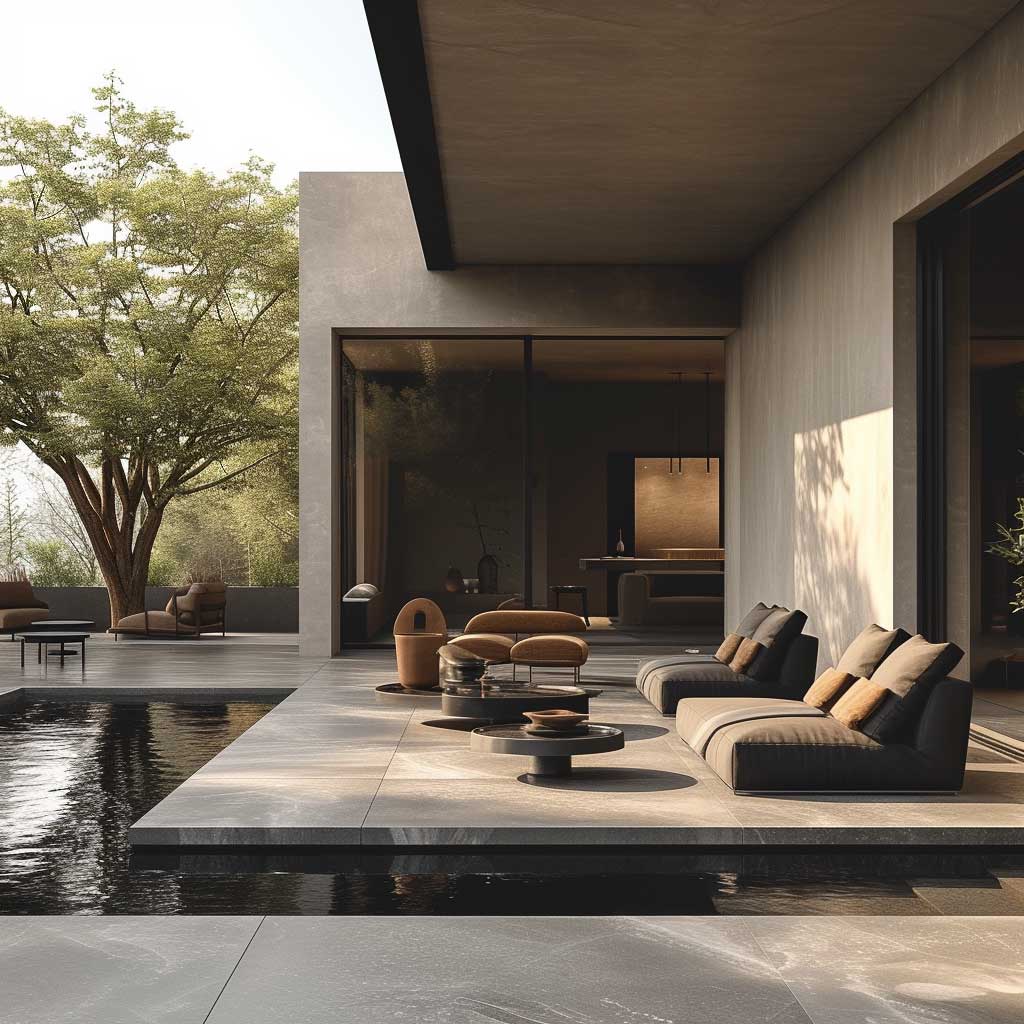
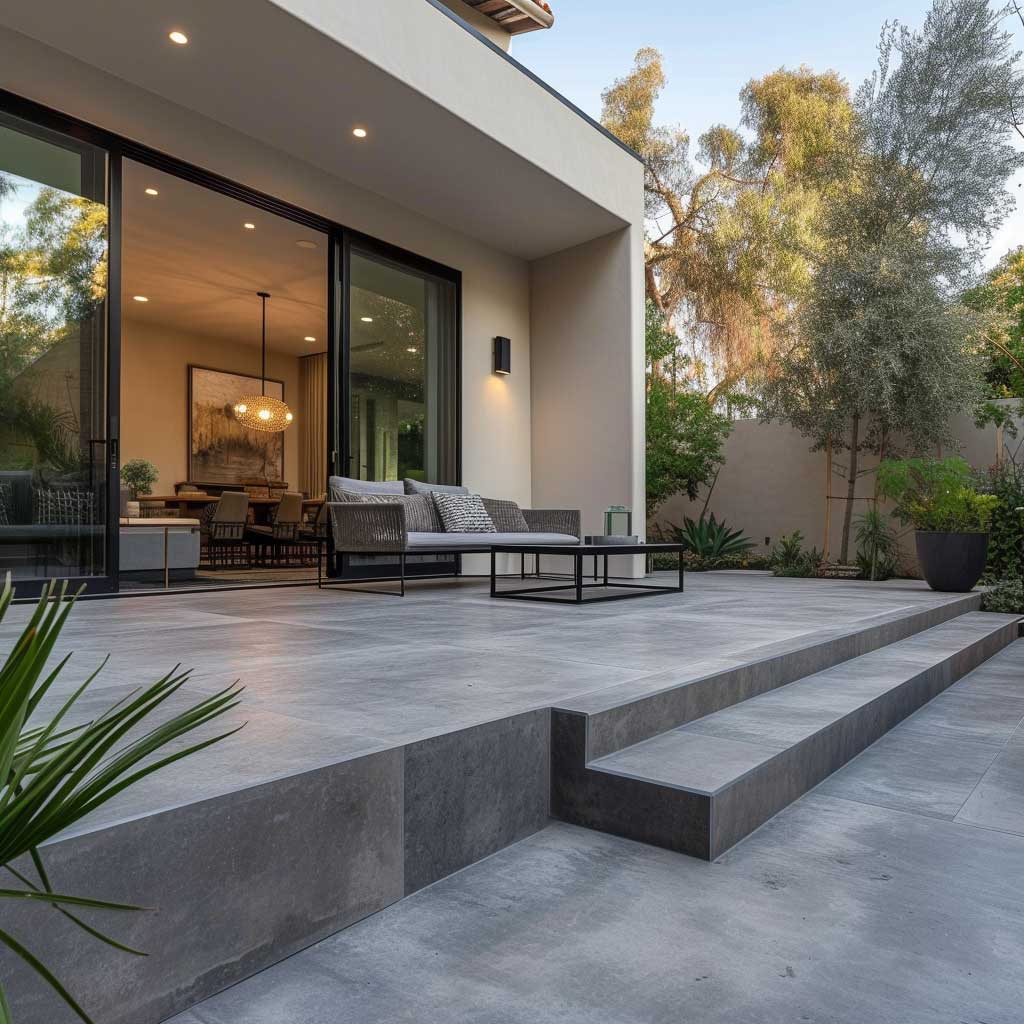
Concrete also wins on design evolution. Broom-finish in warm ivory reads different from polished charcoal, which reads different from acid-stained earth tones. You choose the finish at pour time, but that choice doesn’t lock you into a single aesthetic the way brick does. A rustic-styled concrete patio welcomes weathered teak and wrought iron furniture; a minimalist concrete slab demands tonal alignment but offers clean-line freedom.
For tight backyards and modern homes, concrete is less visually heavy. It doesn’t announce the material; it announces the composition—the furniture, the plantings, the lighting. This works especially well with Japanese and Zen styles, contemporary design, and loft-inspired industrial themes where the surface should retreat and the arrangement should advance.
The mistake that costs thousands with both materials
Skipping the compacted gravel base destroys both options equally. For brick, a foundation on bare soil heaves with frost; by spring the patio tilts like a carnival funhouse. For concrete, the same mistake causes cracks within 12–18 months, appearing after your furniture is already arranged and the cost of repair balloons to hundreds of dollars minimum.
A 4-inch compacted gravel base costs roughly $150–$300 for a 12×16 slab and is the single most important line item. No contractor who skips it is saving you money; they’re deferring your problem. Ask directly whether gravel preparation is included and watch the timeline. Concrete needs 28 days to cure before sealing; concrete sealed too early traps moisture and flakes within a season.
The other fatal error: choosing finishes from small samples. Acid-stained concrete varies dramatically by slab batch, aggregate type, and moisture level. A 12×12 test patch on your actual slab before committing to the full surface is non-negotiable. Brick color is more stable, but mixing three colors trying for rustic charm reads confused rather than intentional—keep to two tones maximum, one dominant and one accent.
Final verdict: choose based on your home and your style commitment
Brick patio design wins if your home already speaks that language—colonial, cottage, red-brick farmhouse. It wins if you’re willing to let the surface age visibly and you embrace moss in the joints as character. The material pairs effortlessly with layered greenery, creates natural warmth that extends comfort into cooler months, and requires only a stiff broom and hose water for maintenance. This is the choice for homeowners who want their patio to feel established and rooted within five years.
Concrete slab patio wins if you want design freedom, if your home is modern or vinyl-clad, or if you’re unsure what style you’ll want in five years. It wins if the idea of sealing surfaces and managing curing timelines appeals to your maintenance tolerance. The flexibility to restyle furniture and lighting without replacing the foundation, combined with the budget savings on installation, makes concrete the smarter financial choice for most backyards under 300 square feet.
The real question isn’t which material is better—it’s which one matches your home’s existing materials and which aesthetic you’re genuinely committed to maintaining. Brick demands that you like brick. Concrete asks only that you commit to a finish at pour time and let everything else follow from there.