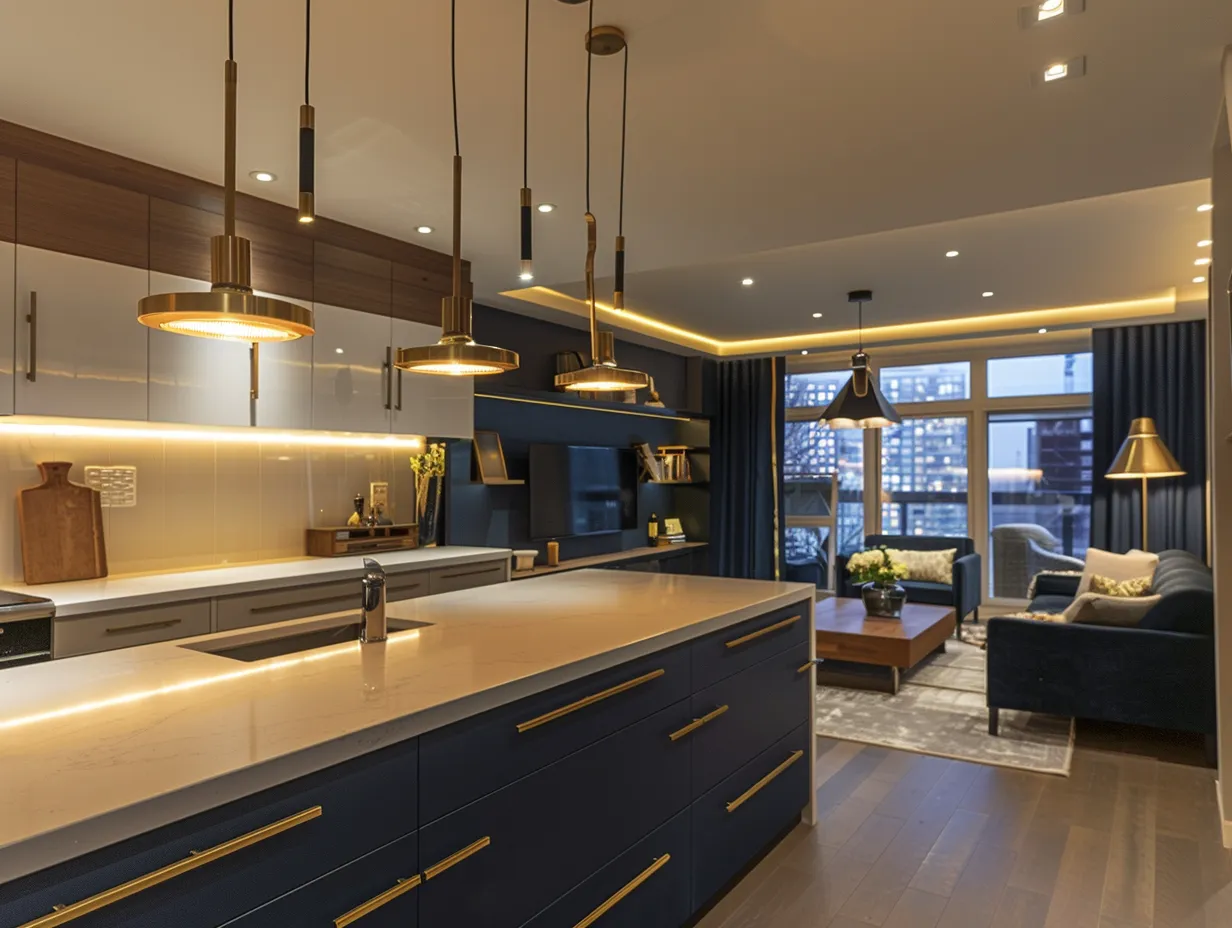
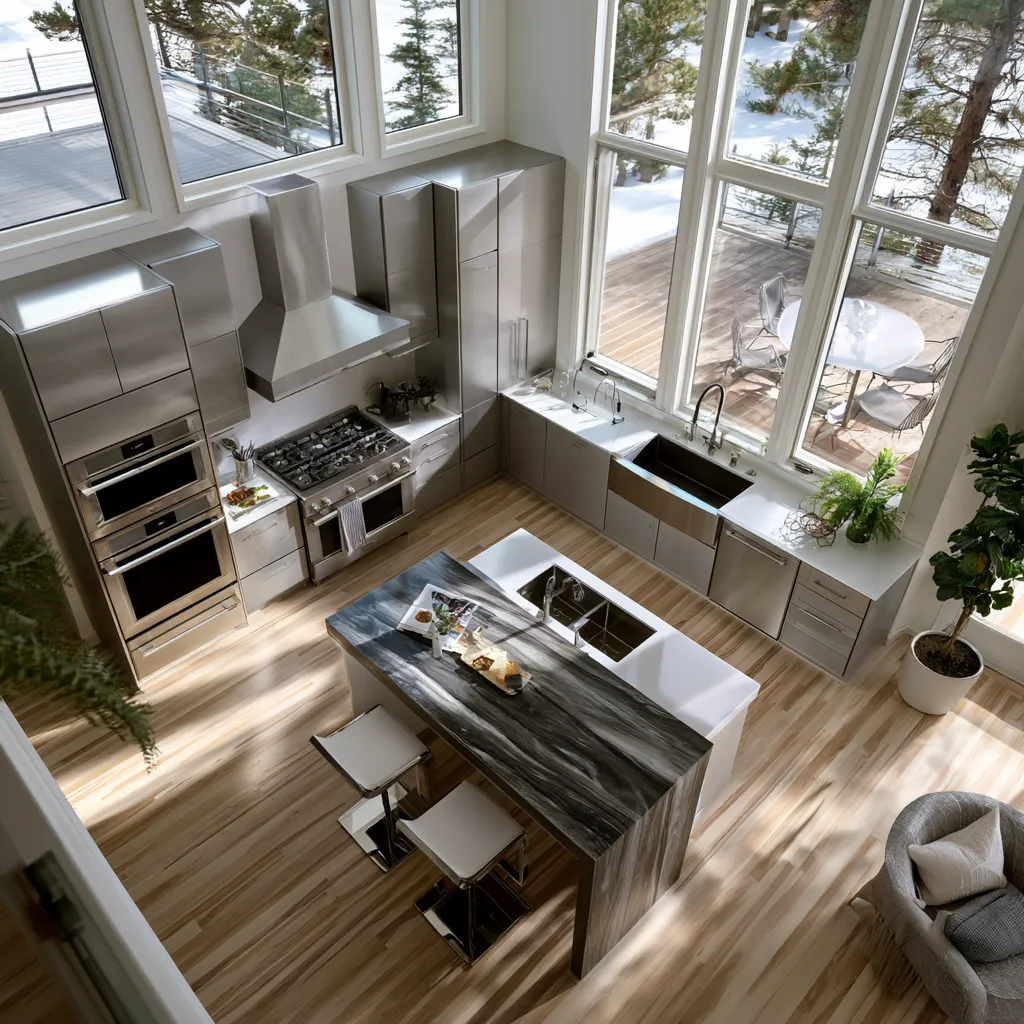
Modern European kitchen designs turn tight urban rooms into calm, efficient hubs by prioritizing continuous surfaces, hidden storage and light. They work because frameless cabinetry and integrated appliances remove visual clutter while adding roughly 10–15 percent more usable interior volume compared with traditional framed units. Homeowners gain both a quieter look and practical daily flow without needing extra square meters.
Three core moves drive the shift: handleless cabinetry that stretches the eye, open layouts that fold the kitchen into living areas, and neutral palettes flooded with daylight. Together they make a 10-square-meter kitchen feel closer to 15. The approach suits apartments and open-plan houses equally well when storage is planned first.
Average mid-range European-style projects land between $25,000 and $50,000 in the US market according to supplier breakdowns, while full German-brand systems often start higher once integrated appliances are included. The investment pays off in longevity and reduced visual noise rather than decorative detail.
- Frameless cabinets deliver 10–15 % more accessible storage than framed equivalents.
- Handleless fronts and panel-ready appliances erase visual breaks in open-plan rooms.
- Large windows plus soft neutrals keep compact kitchens bright and cool.
- Pull-out drawers and tall pantry walls replace deep shelves that waste space.
- Mid-range European kitchens typically cost $25k–$50k fully fitted.
- Avoid mixing open shelves and closed fronts on the same wall unless daily styling is realistic.
Sleek Cabinetry Shapes Modern European Kitchen Character


Sleek cabinetry defines the modern European kitchen more than any single color or material. Frameless construction removes the face frame that traditionally narrows openings, giving drawers full width and roughly 10–15 percent extra usable volume. The result looks like one continuous surface rather than a collection of boxes. Why does this matter in a small footprint? Every extra centimeter of drawer space reduces counter clutter.
Handleless systems—push-to-open or recessed channels—keep the eye moving along uninterrupted planes. Soft-close hardware from brands common in German and Italian ranges ensures quiet operation for decades. Think of the cabinetry as a calm wall rather than a piece of furniture: it recedes so light and circulation take the lead. Average mid-range runs using high-quality laminate or lacquer start around the $10,000–$30,000 range for cabinetry alone in US installations.
Storage solutions hide inside: multi-level drawers, corner pull-outs and tall pantry units replace fixed shelves that bury items at the back. The same volume that once felt sparse now holds everyday tools without visual noise. Pairing this approach with simple modern kitchen storage strategies keeps the aesthetic consistent across open-plan zones.
Anti-advice: never install chunky traditional knobs on frameless fronts. The hardware fights the clean geometry and instantly dates the room. Choose slim bar pulls or full handleless systems instead. The last observation is practical—measure appliance panel thickness early so the continuous line stays true after installation.
Open Layouts and Integrated Appliances in European Kitchen Spaces
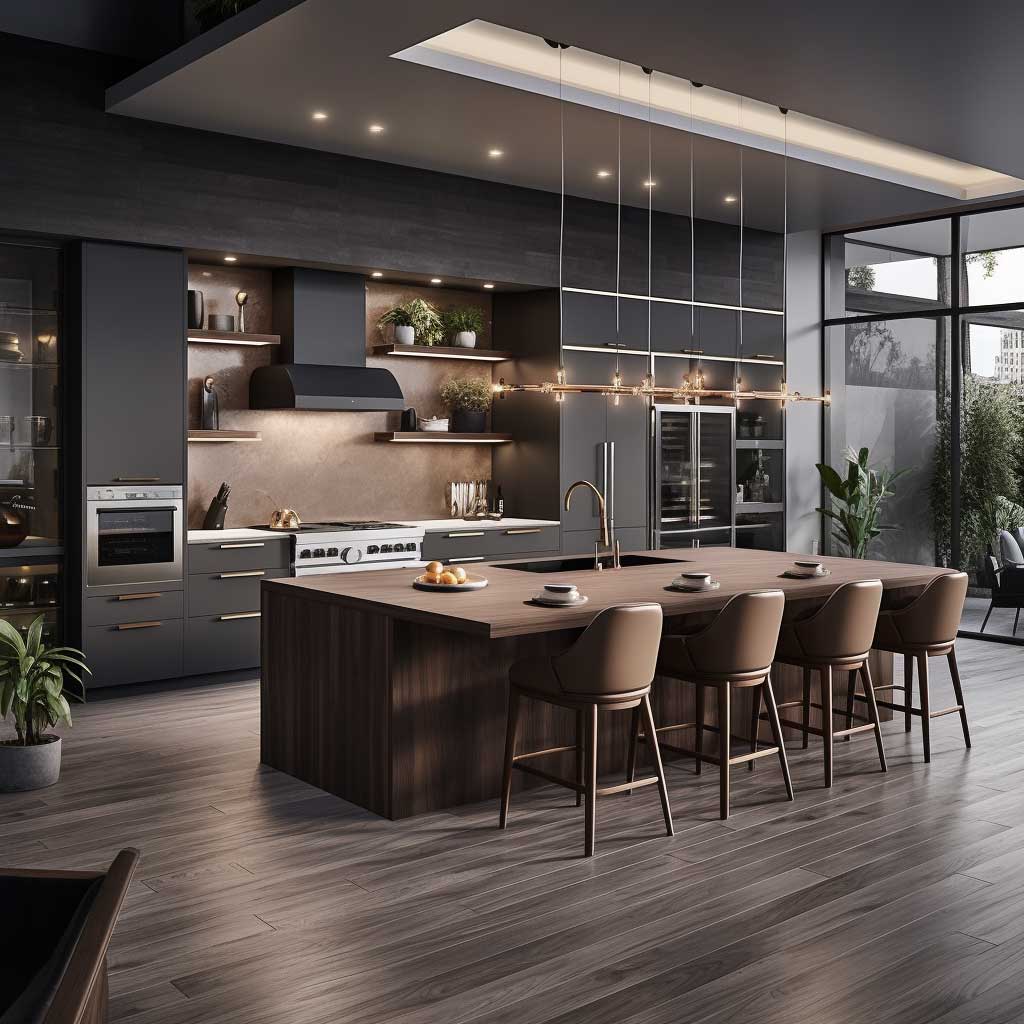


Open layouts and integrated appliances form the second pillar of modern European kitchen design. Removing non-structural walls turns the kitchen into an extension of the living area, promoting conversation and shared light. The trade-off is that every appliance becomes visible from the sofa unless it is panel-ready. Integration solves that: refrigerators, dishwashers and even extractors sit behind matching fronts so the run of cabinetry remains unbroken.
How much difference does full integration make? In open-plan homes the visual quiet can feel like gaining an extra room. Panel-ready models from major European brands typically add 15–30 percent to appliance cost compared with free-standing versions, yet they preserve the continuous surface that defines the style. Plan electrical and ventilation clearances before cabinets are ordered; late changes break the clean geometry.
Think of the kitchen as a stage set that must disappear when the performance ends. Tall storage walls absorb pantry items and small appliances, leaving counters free. The same principle appears in high-end German systems where modular units can be reconfigured over time. Avoid the common mistake of placing a freestanding range as the focal point—it fights the quiet European approach.
Practical note: keep the classic work triangle distances under three steps even after walls come down. Open layouts fail when the fridge ends up across the room from the prep zone. Measure twice, open once.
Natural Light and Neutral Tones Shape European Kitchen Ambiance


Natural light and neutral tones complete the modern European kitchen equation. Floor-to-ceiling or generous windows become primary materials, bouncing daylight across matte surfaces so the room stays bright without glare. Soft beiges, warm greiges and muted grays reflect rather than absorb, keeping temperatures comfortable even in south-facing spaces. The palette acts like a blank canvas that accepts wood or stone accents without visual competition.
Why choose neutrals over bold color? They hide minor wear and let the architecture of the cabinetry remain the star. Designers often specify under-cabinet LEDs at 2700–3000 K to reinforce the daylight feel after sunset. In practice a well-lit neutral kitchen can make a 12-square-meter footprint feel closer to 18. Pair this lighting strategy with contemporary oak kitchen grain details when warmth is needed without losing the European calm.
Anti-advice: skip pure cool-white walls under strong northern light—they can read clinical. Introduce one warmer neutral on the lower run or island to ground the space. The final observation is simple—place the sink under the window whenever possible; the daily ritual of rinsing vegetables becomes a connection to outdoors rather than a chore.
Don’t Do This
Never mix open shelving and closed frameless fronts on the same wall unless you are prepared to style those shelves like a magazine set every single day. The contrast turns the open section into a clutter magnet and undermines the continuous European surface that makes the style work.
Comparing European and Traditional Kitchen Approaches
| Feature | Modern European Kitchen | Traditional Approach |
|---|---|---|
| Cabinet construction | Frameless, full-access | Framed, face-frame limited |
| Storage gain | 10–15 % more usable volume | Standard interior access |
| Appliances | Panel-ready, integrated | Often freestanding or exposed |
| Hardware | Handleless or slim pulls | Visible knobs and pulls |
| Visual effect | Continuous, calm planes | More decorative breaks |
| Typical mid-range cost | $25,000–$50,000 | Wide range, often lower entry |
The table highlights why the modern European kitchen suits compact or open-plan homes. Frameless construction and integration deliver measurable storage and visual quiet. Traditional framed kitchens still excel when ornate detail or lower entry budgets are priorities. Choose according to how the room is used daily rather than pure aesthetics.
For deeper technical comparison of cabinetry systems, the overview at Corner Renovation’s European kitchen guide provides clear side-by-side notes on planning sequences and material durability.
Quiet Surfaces That Last
Modern European kitchen designs succeed when every surface serves both eye and hand. Frameless cabinetry, integrated appliances and daylight-driven neutrals together expand the usable feel of limited square meters. The style rewards precise planning more than decorative flourish.
Start with storage mapping and appliance specifications before finishes. Measure the work triangle after any wall removal. Select handleless or slim-pull hardware that matches the continuous geometry. Keep the palette restrained so light does the heavy lifting.
Mid-range projects in the $25,000–$50,000 band already deliver the core benefits when cabinets and panels are coordinated early. Higher budgets buy finer materials and full custom German or Italian systems, yet the principles remain identical.
The practical takeaway is straightforward: treat the kitchen as architecture rather than furniture. Continuous lines, hidden function and balanced light turn ordinary rooms into spaces that feel larger and calmer every day.
Complete guide
Every Modern Kitchen Design Idea Worth Stealing Right Now
Layout, cabinets, islands, materials, color, lighting — all in one place