A mid century modern small kitchen works when every surface and line earns its keep. Clean planes, warm wood, and deliberate open sightlines turn limited square footage into a space that feels intentional rather than cramped.
The style thrives on restraint. Flat-front cabinets, low-profile hardware, and a tight work triangle keep movement efficient while the palette of walnut, white, and soft earth tones stops the room from reading as sparse.
What follows shows how three practical moves—space use, simplicity, and circulation—translate the era’s principles into kitchens under 120 square feet without losing the visual punch that made the original designs memorable.
Quick Scan
- Standard base cabinets sit at 34.5 inches high and 24 inches deep—build upward, not outward.
- Small remodel averages $9,000–$30,000 or $150–$250 per square foot when layout stays put.
- Work-triangle legs stay between 4 and 9 feet; total perimeter 13–26 feet keeps cooking fluid.
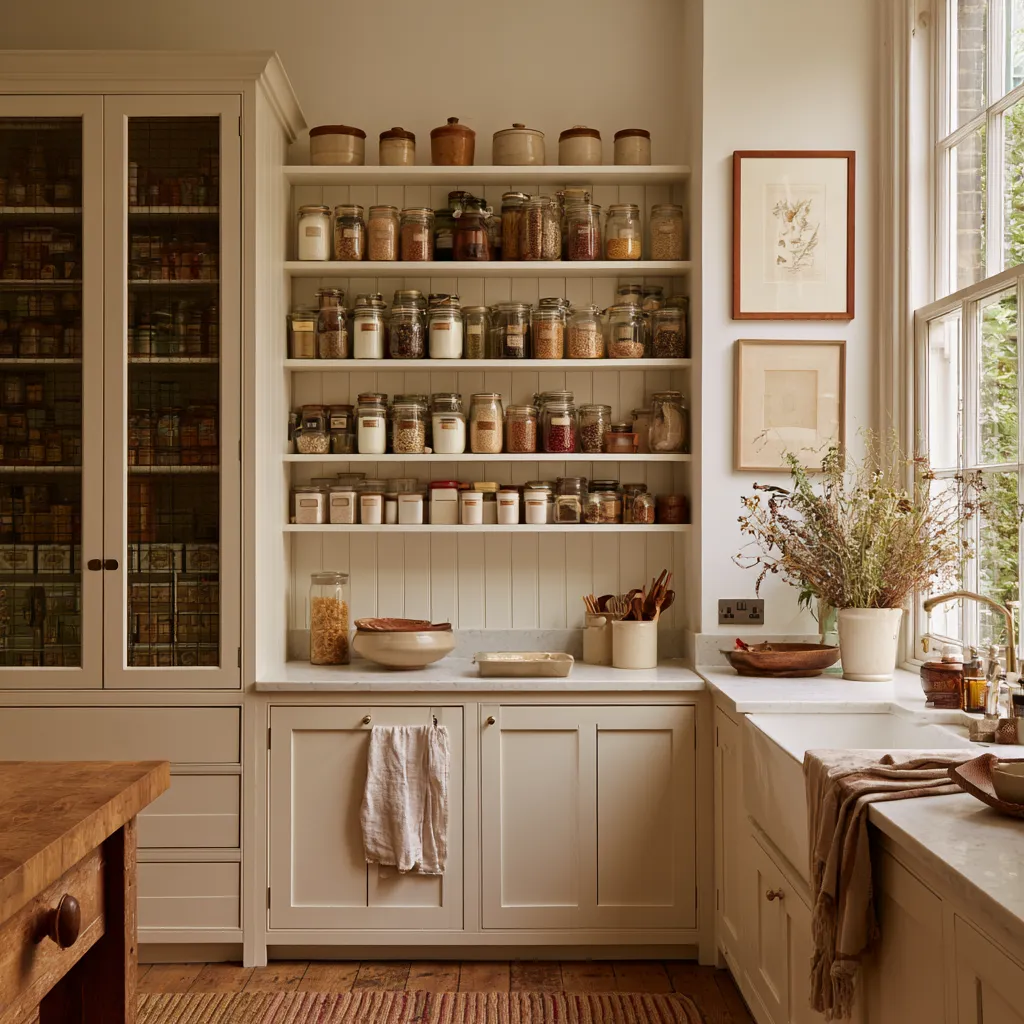
- Open shelves replace upper cabinets only when daily items stay curated; otherwise dust wins.
- One statement pendant and warm wood accents do more than extra decorative objects.
Vertical Runs Beat Horizontal Clutter in a Mid Century Modern Small Kitchen


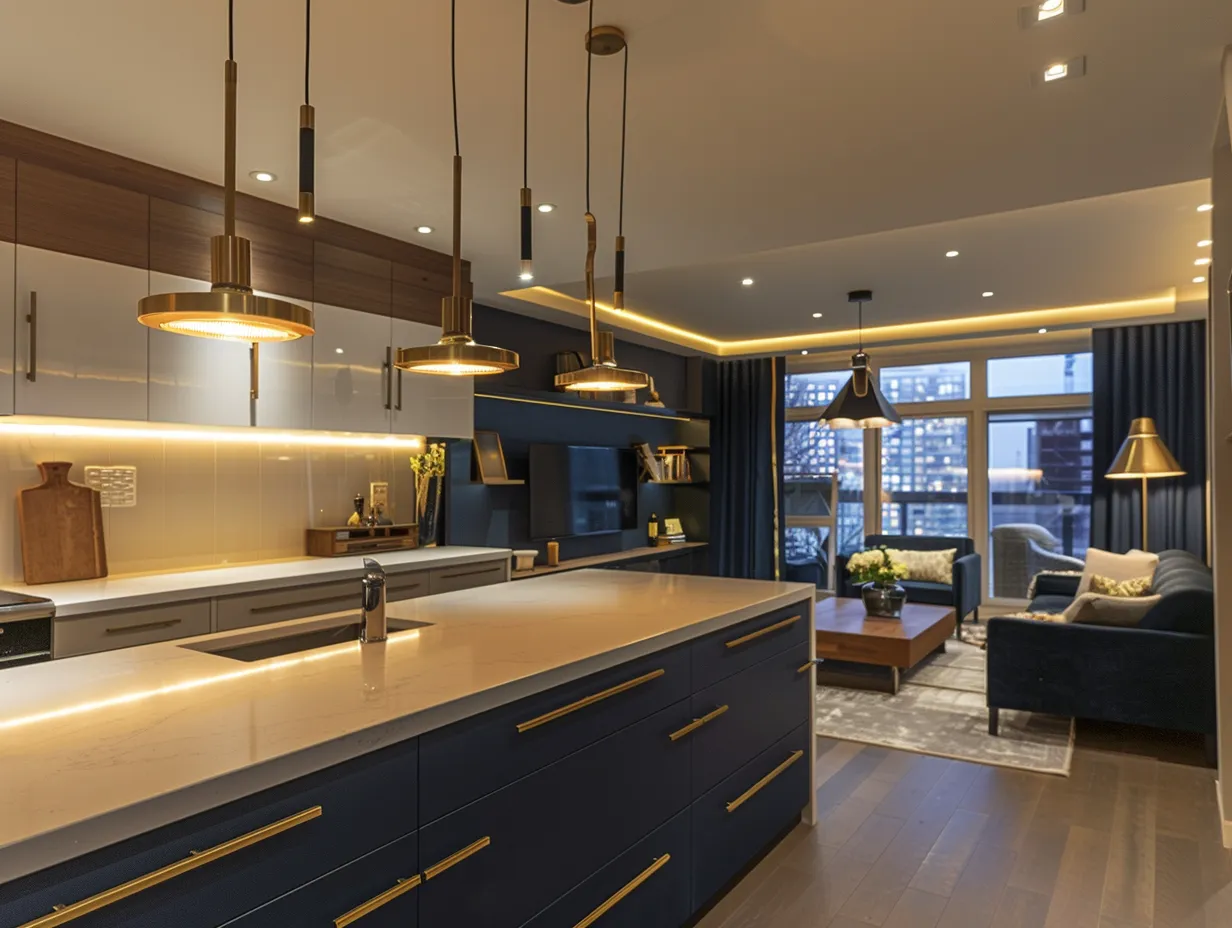
Base cabinets measure a standard 34.5 inches high and 24 inches deep; once the counter lands the work surface sits at 36 inches. Pushing wall units to the ceiling removes the dead zone that makes a small mid century modern kitchen feel shorter. A central island scaled to the room adds prep surface without blocking the classic work triangle of sink, stove, and fridge.
Large windows do double duty: they flood the space with light and extend the visual plane outdoors. The contrast of stainless appliances against warm wood keeps the room from tipping into pure nostalgia. Skip the urge to fill every wall with upper cabinets—those solid fronts create a visual lid that compresses the volume.
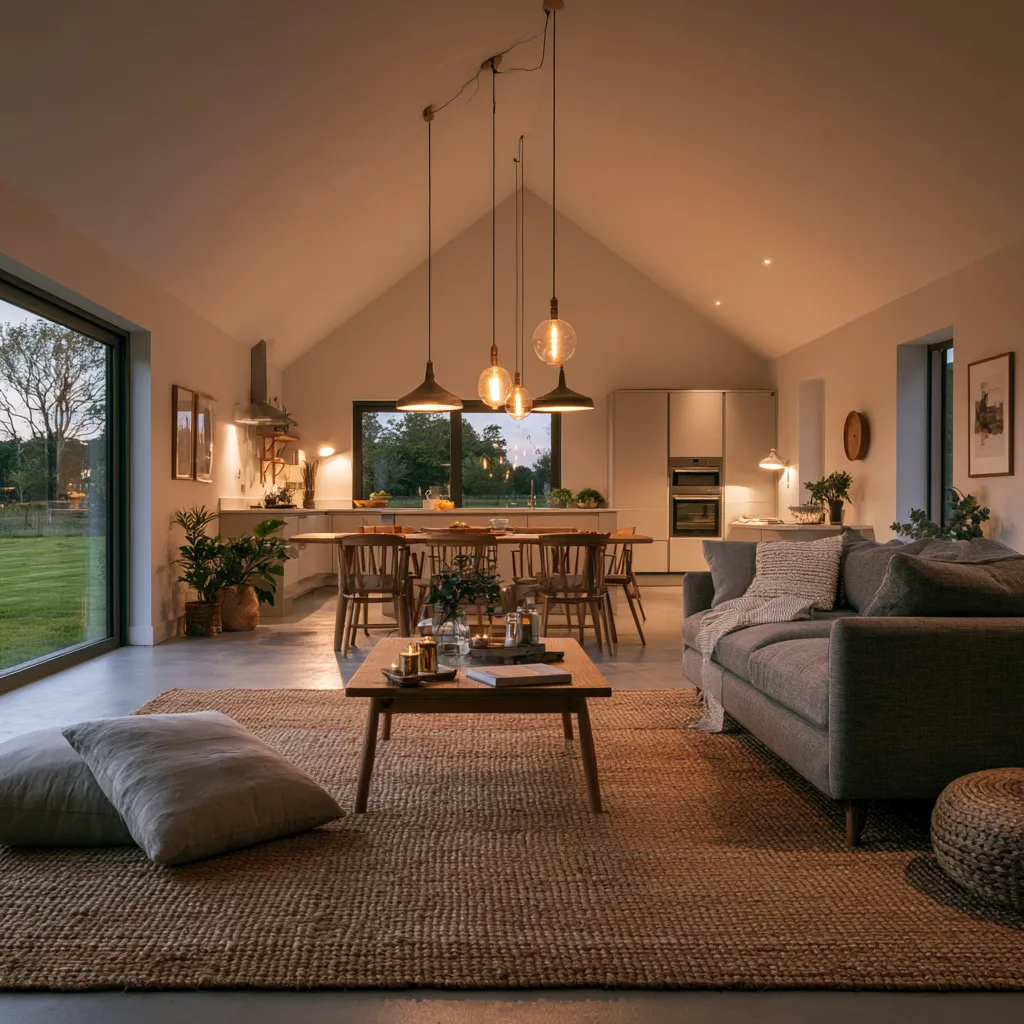
Why does a scaled-down island still work? Because the extra linear inches of counter and the storage below it replace the need for a full dining table in a tight footprint. Pair it with a single geometric pendant and the room gains a focal point without extra clutter. Keep the palette earthy so the light bounces rather than absorbs.
Don’t do this
Avoid packing open shelves with mismatched everyday dishes and then adding decorative objects on top. The visual noise cancels the clean lines that define the style and turns a calm mid century modern small kitchen into a storage closet on display.
Neutral Fields and One Strong Accent Keep the Room Calm


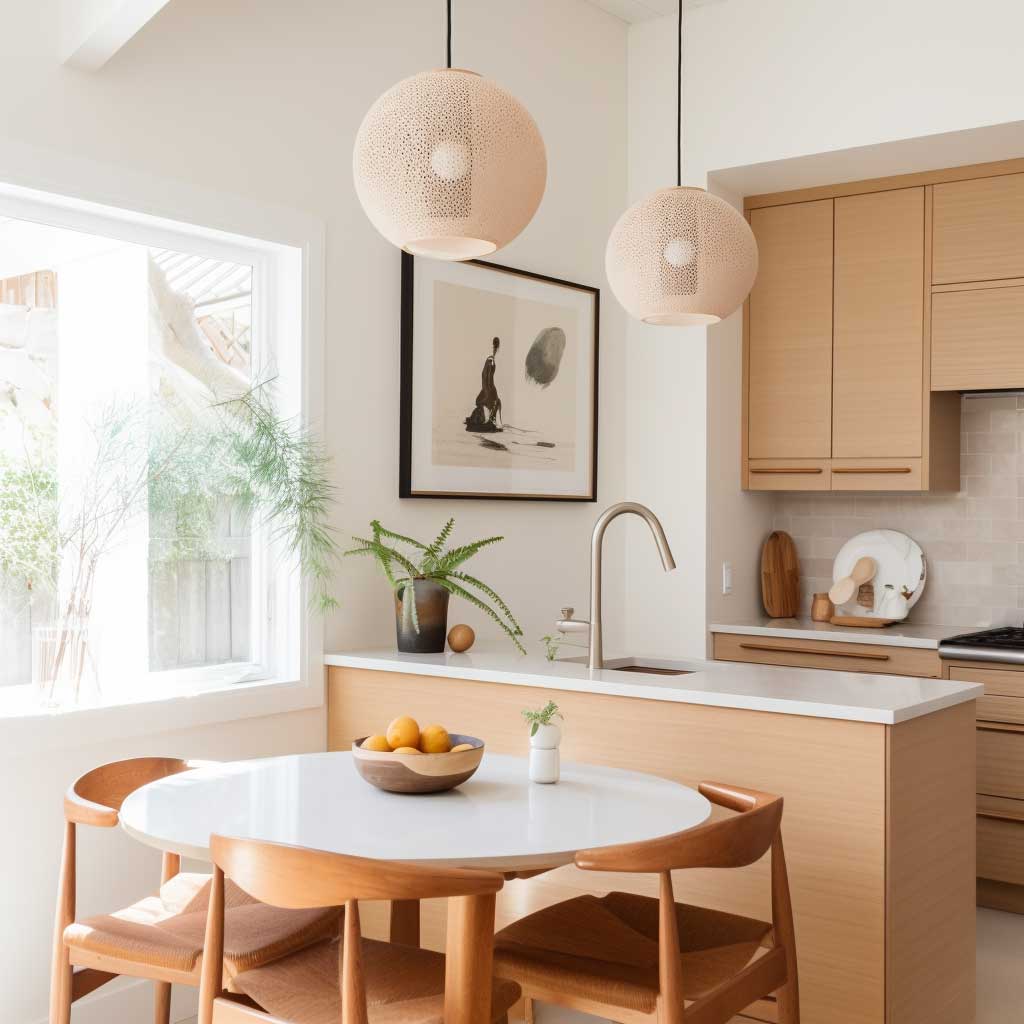
Beiges, soft whites, and warm wood create the quiet backdrop mid-century rooms rely on. A single geometric pendant becomes the visual anchor while flat-panel doors keep lines unbroken. Integrated stainless appliances supply the necessary modern contrast without competing for attention.
Wood grain interrupts the monochrome field the way a single bold brushstroke finishes a painting. The material references the era’s love of natural surfaces and stops the space from feeling cold. For color direction that stays true to the period, see the mid century modern kitchen color palette approaches that balance turquoise accents against neutrals or lean into soft pastels.
What happens when every surface shouts? The room loses the calm that makes small kitchens livable. Limit accents to one or two objects—perhaps a retro-inspired appliance or a single bold stool—and let the rest of the palette stay restrained. The result reads intentional rather than staged.
Open Sightlines Turn Circulation into Quiet Efficiency
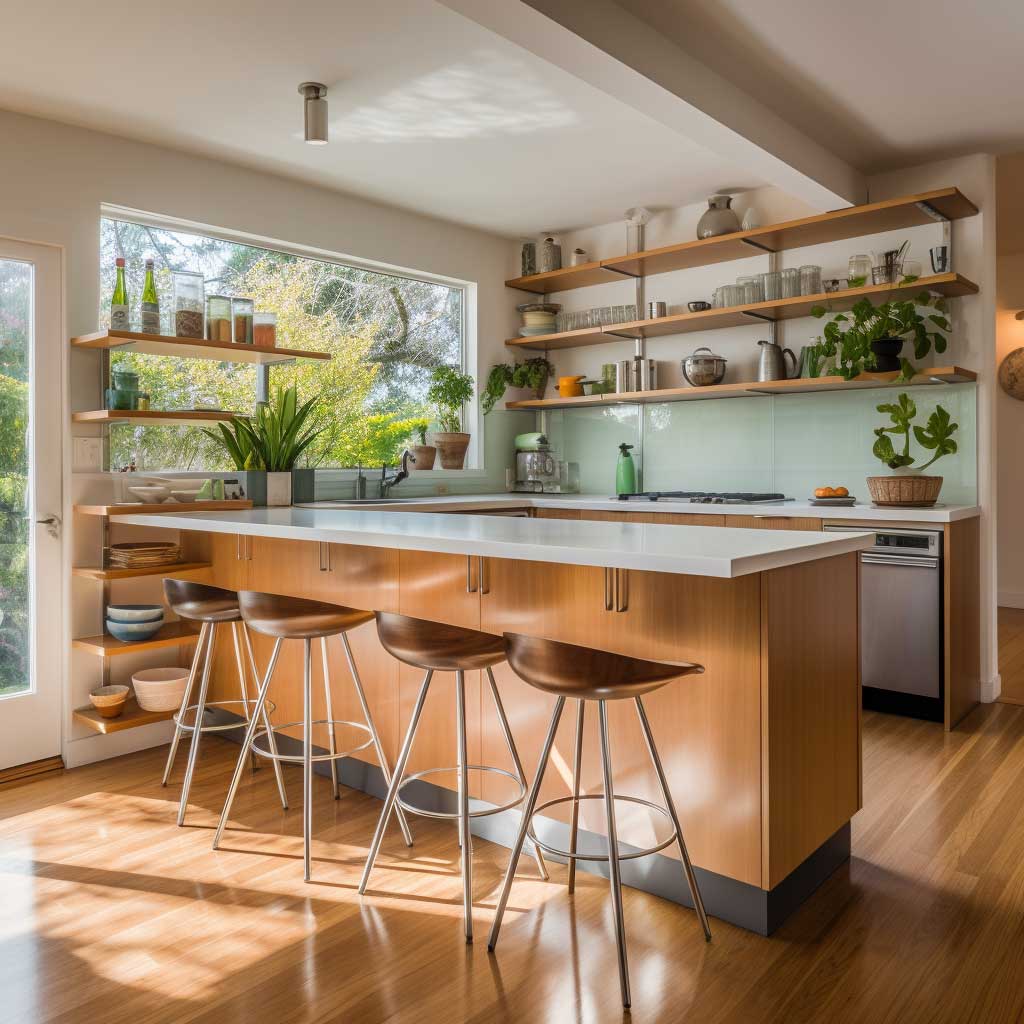


Open shelving and a narrow breakfast bar keep sightlines continuous so the mid century modern small kitchen feels larger than its footprint. Each leg of the work triangle should fall between 4 and 9 feet; the total perimeter stays between 13 and 26 feet so the cook never takes wasted steps. Stainless surfaces cool the warm wood and prevent the room from tipping into pure retro pastiche.
Floor-to-ceiling glass dissolves the boundary between indoor and outdoor planes. The continuous visual field tricks the eye into reading more volume. A slim bar with two stools adds casual seating without the bulk of a full table. For broader examples of how the style scales, the collection of mid-century modern kitchen designs shows layouts that protect flow while still delivering the period’s signature materials.
Does open shelving always enlarge a room? Only when the displayed pieces stay curated. Weekly dusting is the real cost of the airy look; if that maintenance feels unrealistic, closed flat-front uppers preserve the clean elevation without the daily upkeep. The choice is practical, not purely aesthetic.
A small remodel that keeps the existing layout typically runs $9,000 to $30,000, or roughly $150–$250 per square foot, according to current industry averages. That range covers new cabinets, counters, and appliances without structural moves—enough to lock in the mid-century lines without overbuilding.
Takeaway
Tight kitchens still carry full mid-century weight when every choice is deliberate.
Vertical storage and a correctly sized work triangle do more for daily use than decorative extras.
One strong pendant, warm wood, and restrained neutrals keep the room calm instead of busy.
Open sightlines only work when the objects on display stay intentional. Save this post