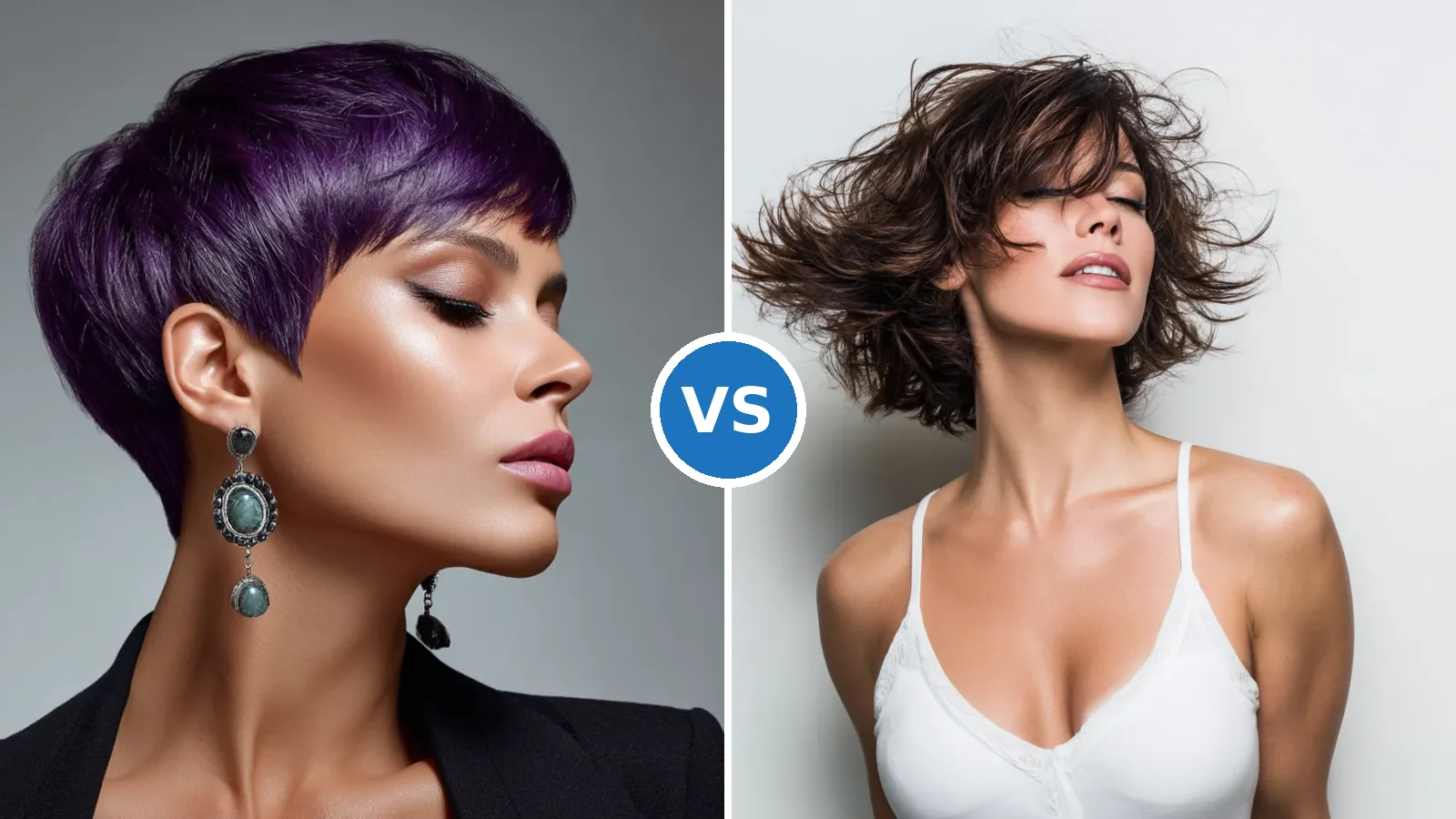
Long spiky hair and short spiky cuts both flatter a long face, but only when the spikes push out to the sides and a fringe covers part of the forehead. Tall, straight-up spikes do the opposite: they add height and make an oblong face look even longer. Does a spiky haircut work for a long face, then? Yes, if the top stays around 1–3 inches long and the volume sits at temple and cheekbone level rather than only at the crown.
Upkeep is the real decision. Hair grows roughly half an inch a month, so a short spiky cut loses its outline in 4–6 weeks, and bright color adds a second clock. Vivid semi-permanent shades typically hold 10–20 washes, while a honey blonde toner usually needs a refresh every 6–8 weeks. Pick the color by how often you can book the salon, not by the photo alone.
The three looks below compare a loud electric blue, a warm sunlit honey and a matte smoky lavender. Each one uses choppy spikes and a side fringe to break the vertical line of the face, the way a horizontal stripe makes a tall vase look shorter. Match the finish to your daily routine before you sit in the chair.
Quick scan
- Side volume and a fringe shorten a long face; tall crown spikes with flat sides make it longer.
- Keep the top about 1–3 inches long and the sides at 1 inch or more, not shaved to the skin.
- Short spiky cuts need a trim every 4–6 weeks vs 6–8 weeks for a bob.
- Electric blue on a level 8–10 base lasts about 10–20 washes; pastel blues can fade in 4–8.
- Smoky lavender needs a level 10 base and typically lasts 10–12 washes.
- Honey blonde is the low-effort pick, with a toner refresh roughly every 6–8 weeks.
- Wash 2–3 times a week at most to stretch any bright shade.
How Spikes Flatter a Long Face When Volume Goes Sideways
Short spiky haircuts for long faces work by adding width at the temples and hiding part of the forehead, which shrinks the visible length of the face. A long face is noticeably taller than it is wide, with forehead, cheekbones and jaw at similar widths. Spikes that flick outward at ear level draw a horizontal line, while spikes aimed straight up stretch the outline further. Which direction should the spikes point? Sideways and slightly forward, so the silhouette reads closer to a square than a rectangle.
Think of the haircut as a picture frame: a wide frame makes a tall portrait look balanced, a narrow one makes it look stretched. A textured crop with a 2-inch side-swept fringe softens the forehead, while a skin-faded cut with 3-inch vertical spikes sharpens every bit of length. For the opposite strategy on a wider jaw, see these short spiky haircuts for square faces in pink, auburn and teal, where height is the goal. Ask for weight at cheekbone level, not only at the crown.
- A choppy or side-swept fringe that reaches the brow line shortens the forehead.
- Spikes flicked outward at the temples add width exactly where a long face needs it.
- Sides kept at 1 inch or longer avoid a narrow, pencil-like outline.
- Avoid crown spikes taller than 3 inches paired with flat sides.
Electric Blue Spikes With a Fringe That Breaks the Length
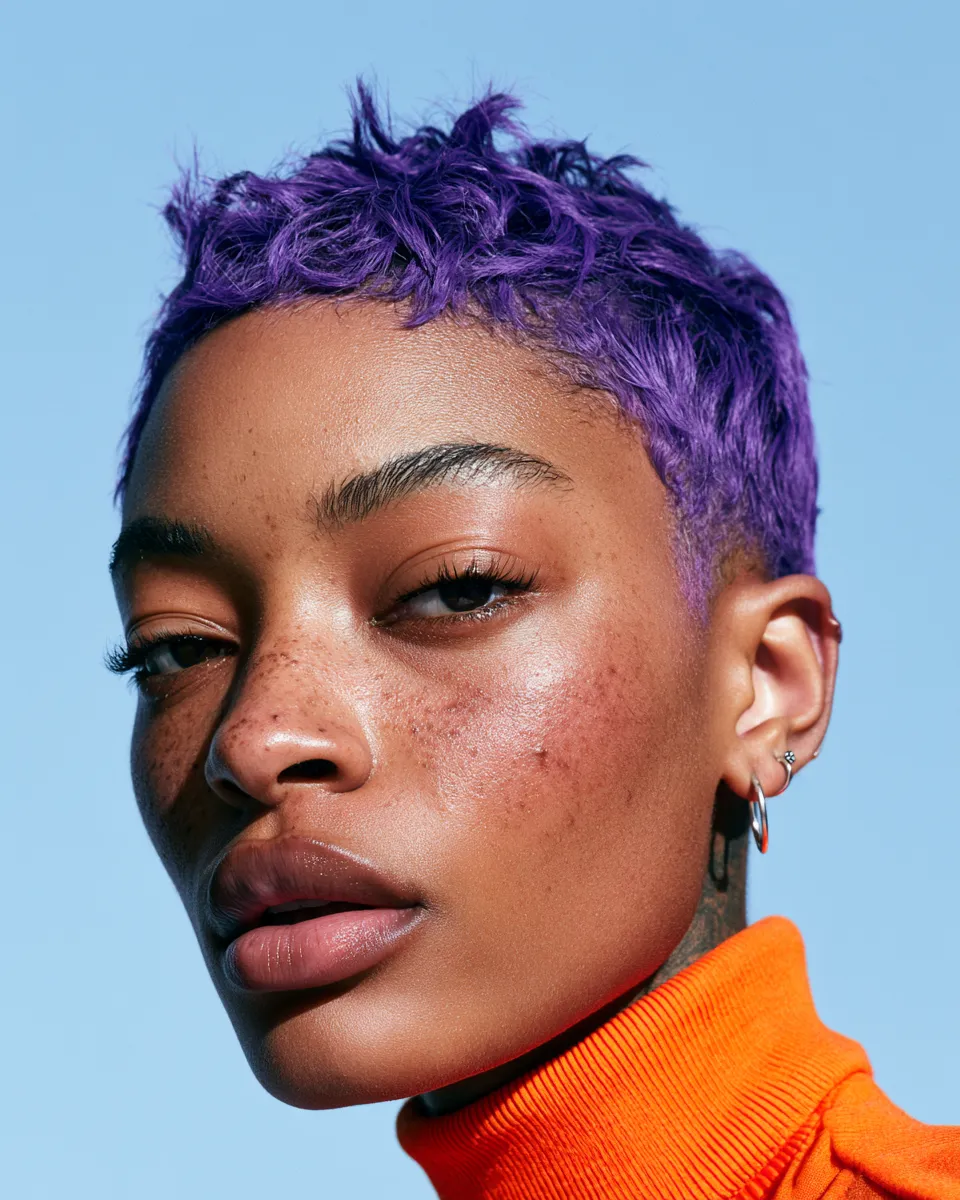
Electric blue short spiky hair with long bangs is the loudest way to wear spikes on a long face, because the saturated color pulls the eye across the forehead instead of up and down. The jagged fringe sits at or just below the brow, hiding the upper forehead from view. Crown spikes stay short, around 1–2 inches, so the cut gains texture without gaining height. Choose this one if you want your hair noticed before anything else.


Vivid blue needs a pale base to read as electric rather than navy. Dye makers recommend lightening to around level 8–10, and a bright blue on that base usually lasts about 10–20 washes, while a pastel blue can fade after as few as 4–8. How do you keep it bright? Wash two or three times a week at most, rinse in cool water and use dry shampoo in between. Sleep on a dark pillowcase for the first week, since fresh blue pigment tends to transfer.
Styling takes a strong-hold gel worked through damp hair, then pinched into points angled toward the temples. Glossy vs matte is the main choice: shine makes electric blue look sleek and futuristic, while a dry paste turns it chalky. A pea-size amount covers a cut this short; double it and the spikes droop by midday like a soaked paintbrush. Never gel the fringe straight up, because that erases the one feature balancing the face.
Sunlit Honey Turns Long Spiky Hair Soft and Wearable
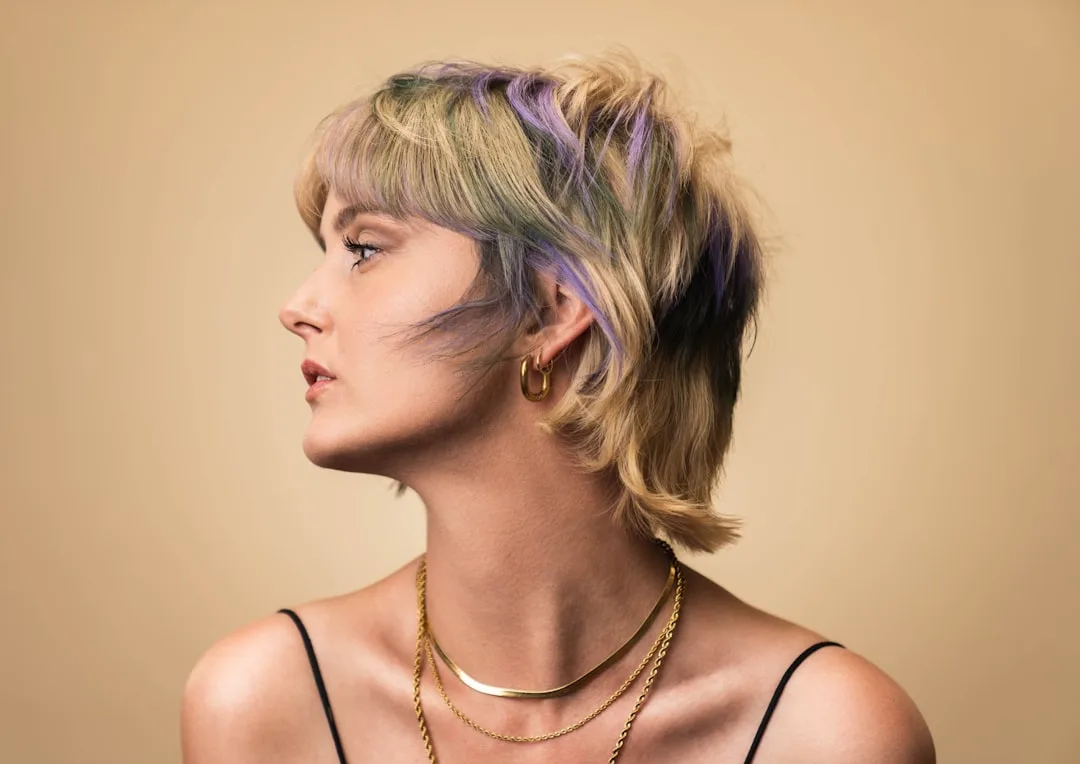
Sunlit honey is the most wearable take on long spiky hair, with feathered spikes left 2–3 inches long so they bend sideways instead of standing upright. The golden tone warms the skin and brightens the cheekbone area, which is exactly where a long face benefits from extra width. Spiky hairstyles for women often miss because every layer is cut to one length; here the pieces are staggered so the outline stays rounded. Ask for feathered layers that end near the ear, not at the crown.


Honey blonde fades gently compared with fashion shades, which makes it the low-effort option of the three. Colorists typically suggest a toner refresh about 6–8 weeks after lightening, against roughly 10–20 washes for a vivid blue. Is honey realistic on very dark hair? It is, but lifting a deep brunette base can take more than one session, so plan a gradual change rather than a single appointment. Book the trim and toner together to keep both on one calendar.
Styling relies on mousse at the roots and a light texture spray on the ends, shaped with fingers instead of a comb. Soft feathered spikes vs stiff gel points is the deciding comparison: the first keeps the look relaxed and wide, the second turns it sharp and vertical. The finish should feel like brushed suede rather than lacquered wood. Keep the flat iron away from the top section, since it kills the lift that makes the spikes bend outward.
Smoky Lavender Gives Choppy Spikes a Matte Edge
Smoky lavender suits short spiky haircuts for thick hair especially well, because dense hair holds choppy, uneven spikes without heavy product. The muted purple reads artistic rather than loud, and the deliberately uneven tips scatter the outline so the face looks less narrow. A choppy top of about 2 inches, with longer pieces falling toward the cheekbones, is the shape to request. Thick hair also needs thinning at the sides, or the cut balloons into a helmet.


Lavender is one of the fussiest colors to get right. The maker of this Crazy Color Lavender semi-permanent dye recommends lifting hair to level 10, the lightest blonde, and lists a lifespan of around 10–12 washes. Short hair needs one bottle for a top-up but 2 bottles for full saturation of a pale shade. What happens on a yellow base? The purple turns muddy or grey-beige, so tone out brassiness before the color goes on.
A matte paste or dry wax gives choppy spikes their grip and keeps the smoky tone soft. Matte lavender vs glossy electric blue shows how finish changes mood: one looks like dusty velvet, the other like wet enamel. Warm a small amount between your palms, then twist sections outward from the crown toward the temples. Skip shine sprays here, since gloss makes a smoky pastel look flat and synthetic.
Blue, Honey and Lavender Spikes Compared on Upkeep
Choosing between these spiky haircut styles comes down to three clocks: how fast the shade fades, how often the shape needs a trim and what base the color demands. The table puts typical figures from dye makers and colorists side by side. All three share one trim cycle, since hair grows about half an inch a month and spikes lose their outline after 4–6 weeks. Which one is cheapest to keep? Honey, because a single toner visit covers six weeks or more.
| Look | Base level needed | Typical color life | Color refresh | Trim interval | Styling product |
|---|---|---|---|---|---|
| Electric blue spikes | Level 8–10 | 10–20 washes | Every 3–6 weeks | 4–6 weeks | Strong-hold gel |
| Sunlit honey spikes | Varies by starting shade | Fades gently | Toner every 6–8 weeks | 4–6 weeks | Mousse and texture spray |
| Smoky lavender spikes | Level 10 | 10–12 washes | Every 3–4 weeks | 4–6 weeks | Matte paste or dry wax |
Electric blue vs lavender is the closest race on fade time, yet lavender is far stricter about its base and shows brassiness sooner. Honey wins on low effort, while blue delivers the most impact per appointment. Don’t book color and cut weeks apart; a fresh shade on an overgrown shape looks like new paint on a sagging fence.
Don’t Do This
- Don’t stack crown spikes taller than 3 inches over flat sides; it adds length to a face that already has plenty.
- Don’t shave the sides to a skin fade; under 1 inch of side hair makes a long face look narrower.
- Don’t stretch trims past 8 weeks: at half an inch of growth a month, spikes collapse into a shapeless crop.
- Don’t wash vivid or pastel shades daily; that cuts a 10–12 wash color down to under two weeks.
- Don’t apply lavender over a yellow base; anything darker than level 10 turns it muddy.
How to Ask Your Stylist for Long Spiky Hair That Suits Your Face
What is the spiky haircut called in a salon? Most stylists file it under a textured pixie or spiky crop, and a longer version with 2–3 inch layers on top often gets booked as a choppy pixie or short shag. A pixie typically runs 1–3 inches on top with shorter back and sides, so naming a length in inches removes guesswork. Bring two photos you like and one you dislike, which narrows the request faster than any description.
Short spiky hair in back, long in front is the most flattering split for a long face, since the fringe does the shortening and the tapered nape keeps the cut light. The reverse, longer at the back and cropped at the front, exposes the full forehead and adds visual height. For round faces the logic flips, and crown spikes of 2–3 inches become an asset. Tell the stylist your face shape first and the color second.
- State the length: about 1–3 inches on top and at least 1 inch at the sides.
- Ask for a side-swept or choppy fringe that reaches the brow line.
- Request texturizing at the temples so the spikes flick outward.
- Book the next trim 4–6 weeks out before you leave the salon.
If you are still torn between a cropped and a chin-length shape, this bob haircut vs pixie cut comparison by face shape lays out styling time and upkeep for both. A textured pixie usually takes 5–10 minutes to style each morning, while a waved bob needs closer to 10–15. Don’t ask for the shortest version on day one. Treat the first cut like a test drive, then go shorter at the second appointment once you see how the spikes sit.
Width Beats Height on a Long Face
A spiky cut flatters a long face when the volume moves to the sides and a fringe covers part of the forehead, while 3-inch crown spikes over flat sides do the opposite. All three looks share that structure and the same 4–6 week trim cycle.
Choose electric blue for maximum impact on a level 8–10 base, and expect roughly 10–20 washes before it fades.
Choose sunlit honey for the easiest routine, with feathered 2–3 inch spikes and a toner refresh every 6–8 weeks.
Choose smoky lavender for thick hair and a matte finish, but plan on a level 10 base and a top-up after 10–12 washes.