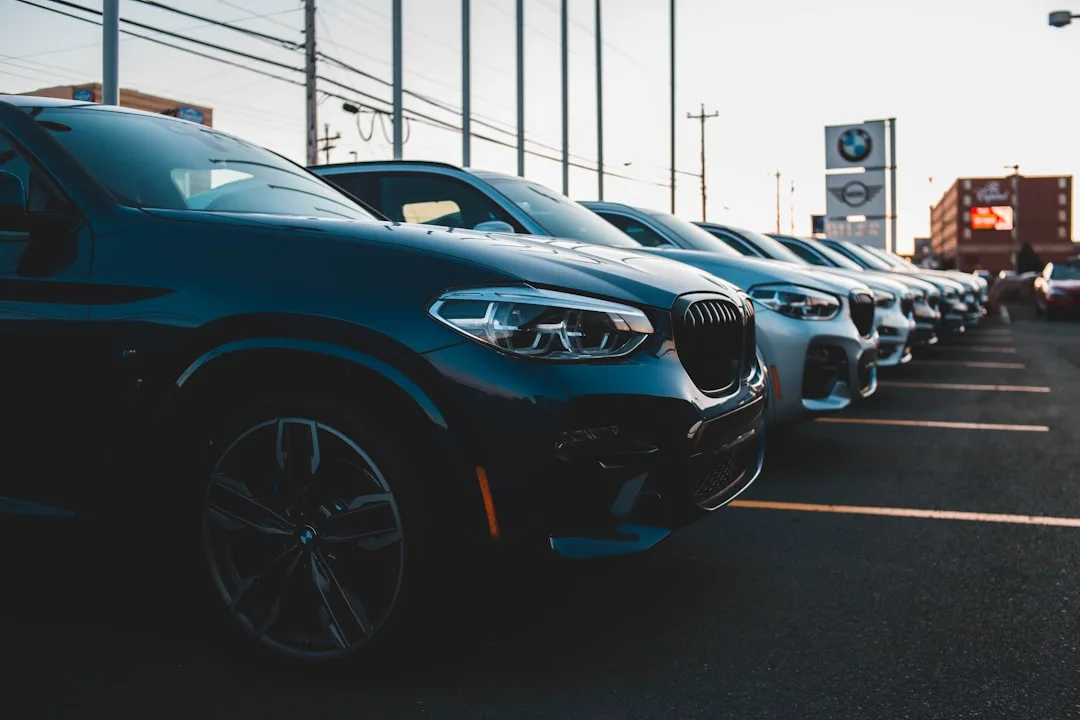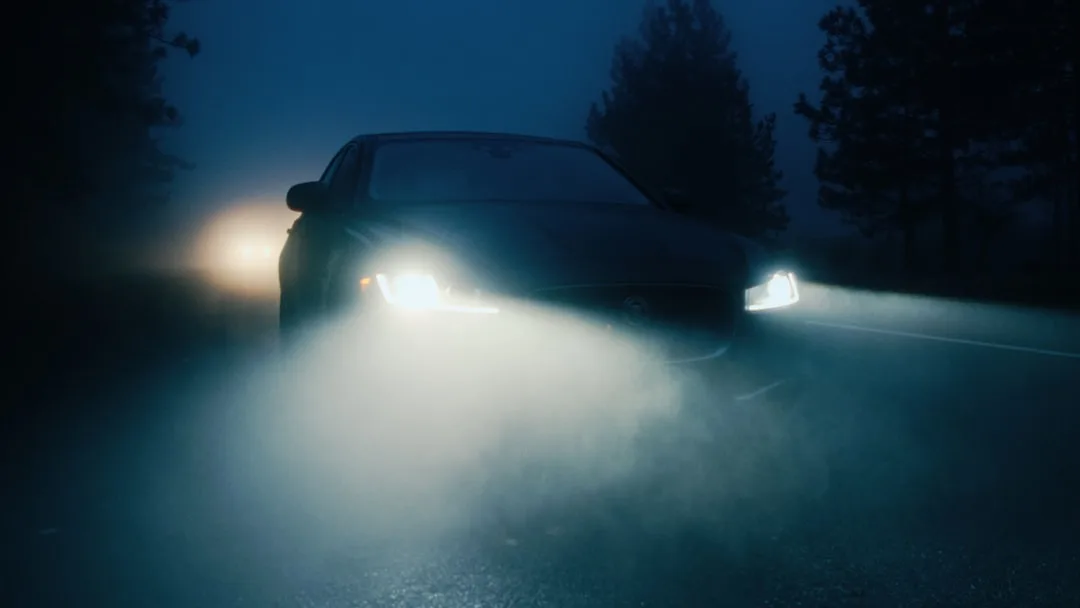
BMW introduced adaptive LED headlights in 2012, but in 2026, the technology has finally become the industry standard rather than a luxury novelty. Adaptive headlight technology automatically adjusts beam intensity, width, and direction based on vehicle speed, steering angle, weather conditions, and oncoming traffic detection. This shift matters because nighttime accidents account for roughly 50% of fatal crashes despite representing only 25% of total driving time. Buyers now actively seek this feature when purchasing vehicles.
How Adaptive Beam Systems Work in Real Conditions
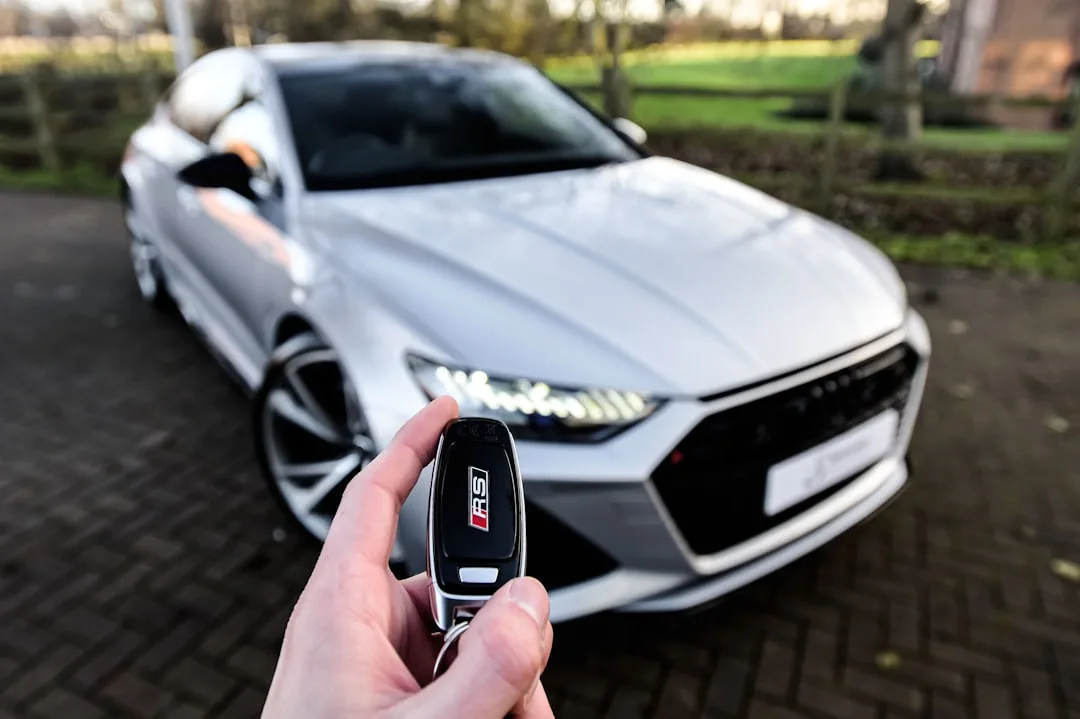
Audi’s Matrix LED system uses over 1.3 million micro-mirrors to reshape the light beam up to 100 times per second. When turning a corner at night, the system brightens the outer edge of the curve while dimming the center to avoid blinding oncoming drivers. The sensor array monitors road markers, GPS data, and vehicle dynamics simultaneously.
Mercedes-Benz’s Multibeam LED technology operates through a grid of individual LED elements that can turn on and off independently. At highway speeds above 80 km/h, the system widens the beam to illuminate more peripheral area. Below that threshold, it narrows focus for urban driving.
This responsiveness creates measurable safety gains. Drivers using adaptive headlights detect obstacles 200 meters ahead instead of 150 meters—a critical difference at 100 km/h.
Quick Tips
- Test adaptive headlights during evening test drives—request a route with curves and intersections
- Check whether the system includes glare-free high-beam mode to prevent blinding oncoming traffic
- Verify the vehicle’s sensor calibration schedule, as misaligned cameras reduce beam accuracy
- Ask if replacement costs are covered under warranty, as individual LED modules can be expensive
Why Adaptive Technology Dominates Mid-Range Purchases
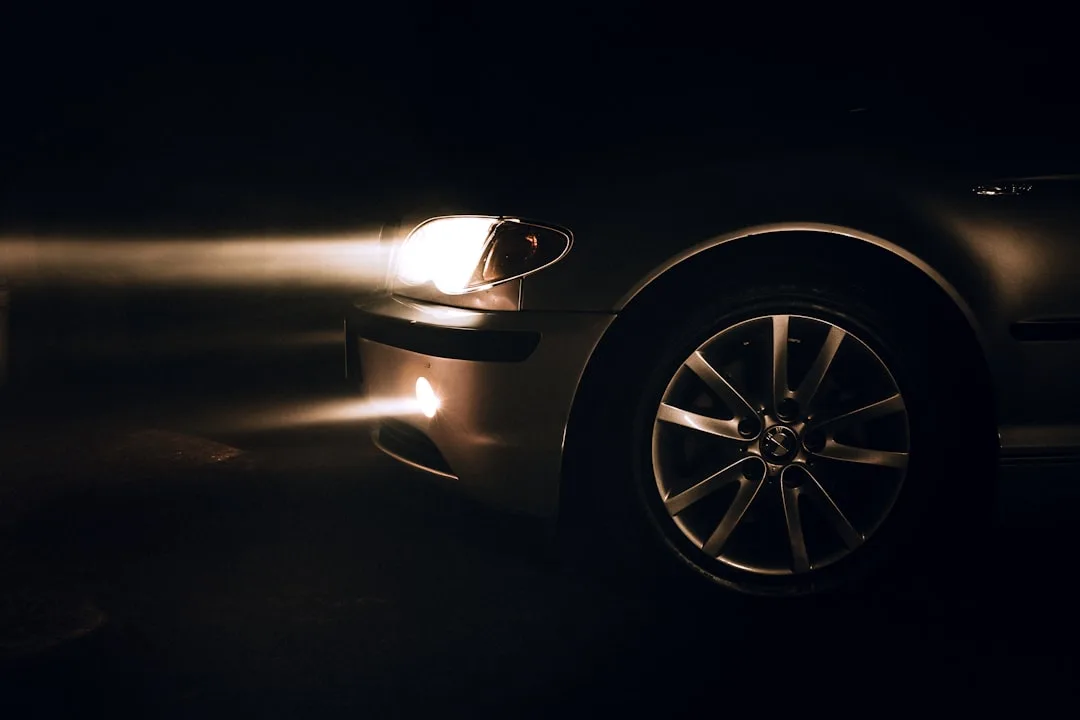
Five years ago, adaptive headlights appeared only on vehicles priced above $50,000. Today, Hyundai, Kia, and Volkswagen Group vehicles in the $28,000–$35,000 range include versions of this technology as standard or near-standard equipment. The cost barrier has collapsed because LED manufacturing has become commodity production.
Insurance companies have begun recognizing the safety benefit. Some insurers now offer 5–10% premium reductions for vehicles equipped with active safety systems including adaptive lighting. That modest monthly savings compounds over a vehicle’s ownership period.
| Manufacturer | System Name | Price Range Entry |
|---|---|---|
| BMW | Adaptive LED | Standard on 3-Series |
| Volkswagen | IQ.Light | Available on Passat |
| Hyundai | LED Beam Switching | Standard on Ioniq |
| Toyota | Adaptive High-Beam | Available on Camry |
The Common Mistake: Ignoring Sensor Maintenance
The #1 failure point for adaptive headlight systems isn’t the LED modules themselves—it’s the sensor network. Cameras, radar units, and infrared sensors mounted on the windshield and bumpers require precise calibration. Drivers who ignore warning lights or skip recommended sensor checks end up with systems that don’t adapt properly, creating a false sense of security.
One owner of a 2024 Mercedes-Benz had their front bumper repaired after a minor accident but didn’t recalibrate the integrated radar and camera system. For six months, the adaptive high-beam function didn’t activate on dark highways because the system couldn’t detect oncoming vehicles. The fix required a dealer visit and calibration tools—costs not covered under standard accident repair coverage.
After any front-end collision or windshield replacement, request sensor recalibration explicitly. Don’t assume the body shop includes it in their estimate.
Integration with Autonomous and Semi-Autonomous Systems
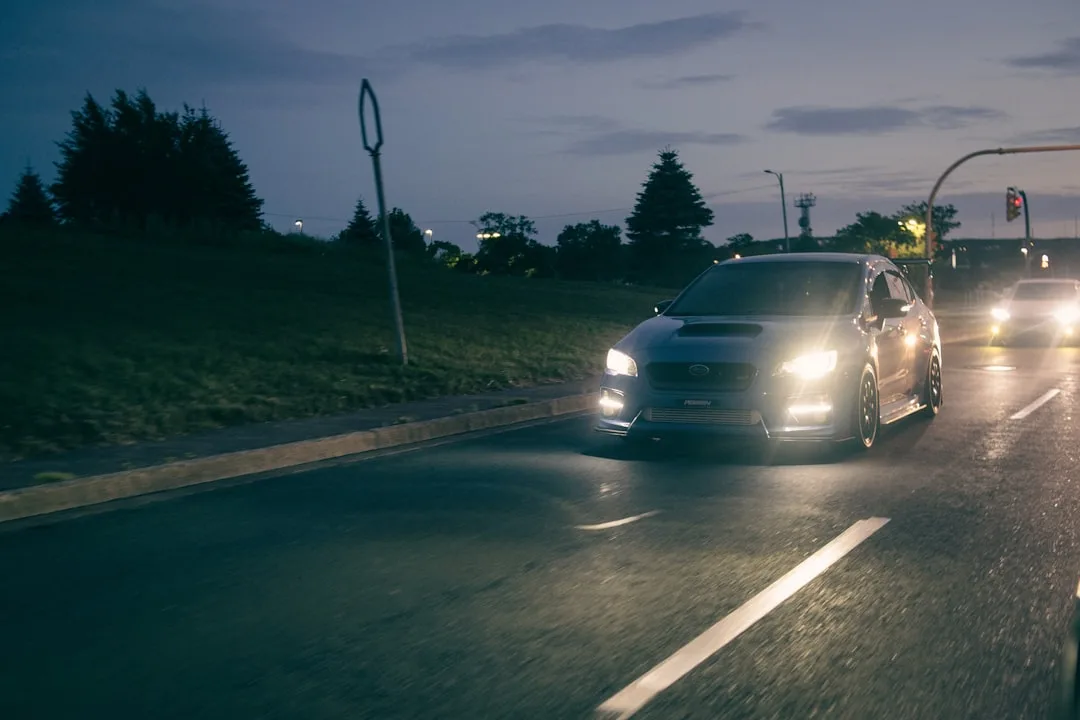
Adaptive headlights now feed real-time data into autonomous vehicle adoption reshaping how families plan daily commutes. The headlight camera system provides scene recognition and lane detection input that informs the vehicle’s decision-making algorithms. On Tesla vehicles with Autopilot, for example, the forward-facing camera embedded in the adaptive beam assembly helps the system understand road geometry and obstacle positions.
This convergence matters for buyers evaluating future-proofing. A vehicle with integrated adaptive lighting is receiving more real-time environment data than one with standalone systems. Over the vehicle’s lifecycle, this architecture supports incremental software updates for semi-autonomous capability without additional hardware installation.
Resale Value and Market Competition
Adaptive headlight presence now influences certified pre-owned vehicle pricing. A 2023 model with this feature commands 3–5% higher resale value than an equivalent vehicle without it. As we explore why the certified pre-owned vehicle market dominates 2026 auto purchases, used-car buyers increasingly view adaptive technology as a concrete safety investment rather than optional luxury.
Dealers have noticed this shift. Inventory vehicles without adaptive headlights sit 10–14 days longer on lots compared to equipped competitors. The psychology has changed: buyers now expect this technology to be present, not impressed by its presence.
This market pressure explains why even budget-conscious manufacturers have accelerated adoption timelines. What was a three- to five-year rollout plan has compressed to 18–24 months in most segments.
Implementation Challenges and Regional Variations
Not all adaptive headlight systems work identically across markets. European models use stricter glare-limiting algorithms to comply with EU visibility standards, while North American versions prioritize raw illumination distance. This creates a slight visibility trade-off: European adaptive systems reduce the chance of blinding oncoming traffic by up to 60%, but illuminate approximately 5% less total road surface at highway speeds.
Software updates have begun addressing this gap. Manufacturers now offer regional firmware versions that buyers can update through dealer service, particularly for owners relocating across continents or purchasing vehicles in different markets.
Cold climate performance remains uneven across brands. Systems that rely on infrared detection can underperform during heavy snowfall because snow-covered lenses reduce sensor accuracy. Winter-focused markets like Canada and Scandinavia are pushing manufacturers toward mechanical lens-cleaning systems paired with improved heating elements.