Why Vehicle Interior Air Quality Matters More in 2026
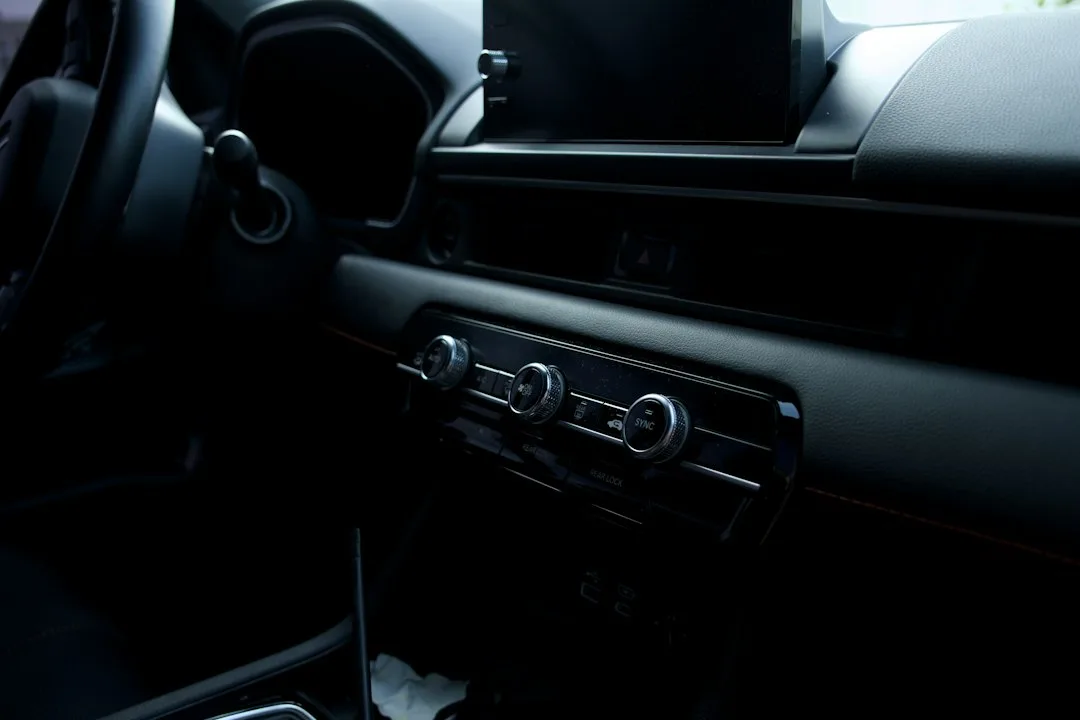
As commute times stretch and cabin time increases, drivers are prioritizing what they breathe. Vehicle interior air quality has evolved from luxury feature to health necessity.
333k+ Lifestyle & Design Ideas

As commute times stretch and cabin time increases, drivers are prioritizing what they breathe. Vehicle interior air quality has evolved from luxury feature to health necessity.

Blind spot mirrors have become the most practical safety investment for 2026 drivers. These affordable, easy-to-install devices eliminate the visibility gaps that cause thousands of lane-change accidents annually.

Vehicle cargo systems have become the quiet force reshaping how owners use their cars daily. From modular roof racks to intelligent floor organizers, practical storage solutions now influence purchase decisions as much as fuel efficiency.
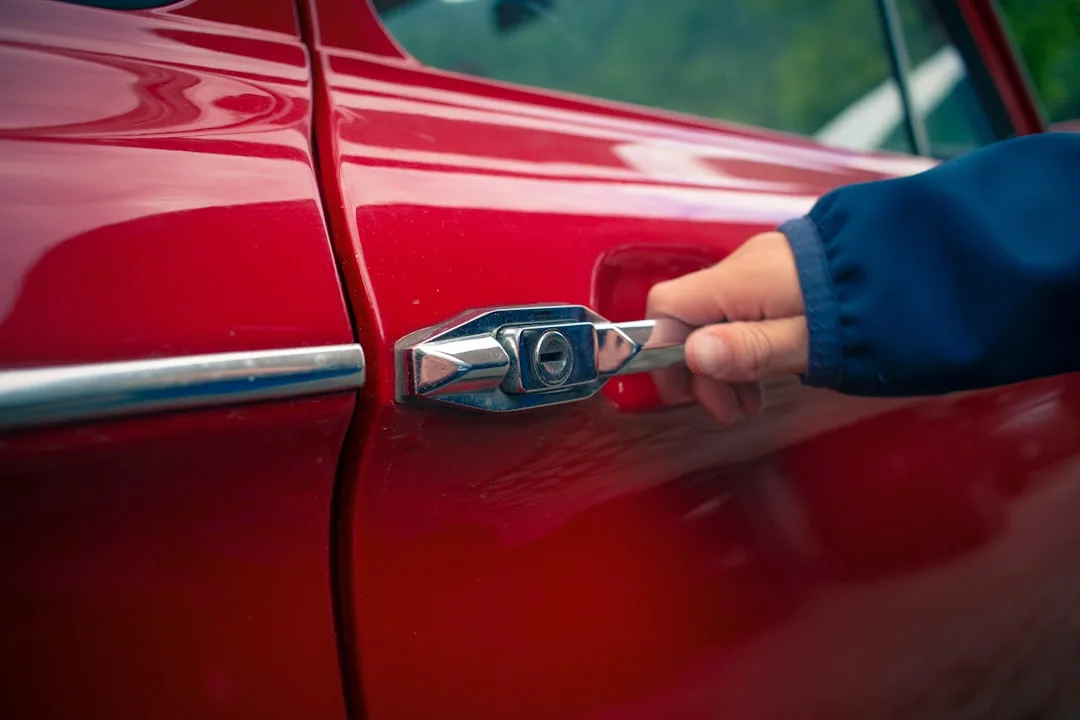
Smart door lock systems are reshaping how owners secure and access their vehicles, moving beyond traditional keys to biometric and app-based authentication. This shift reflects a broader demand for integrated vehicle security that works seamlessly with daily digital life.
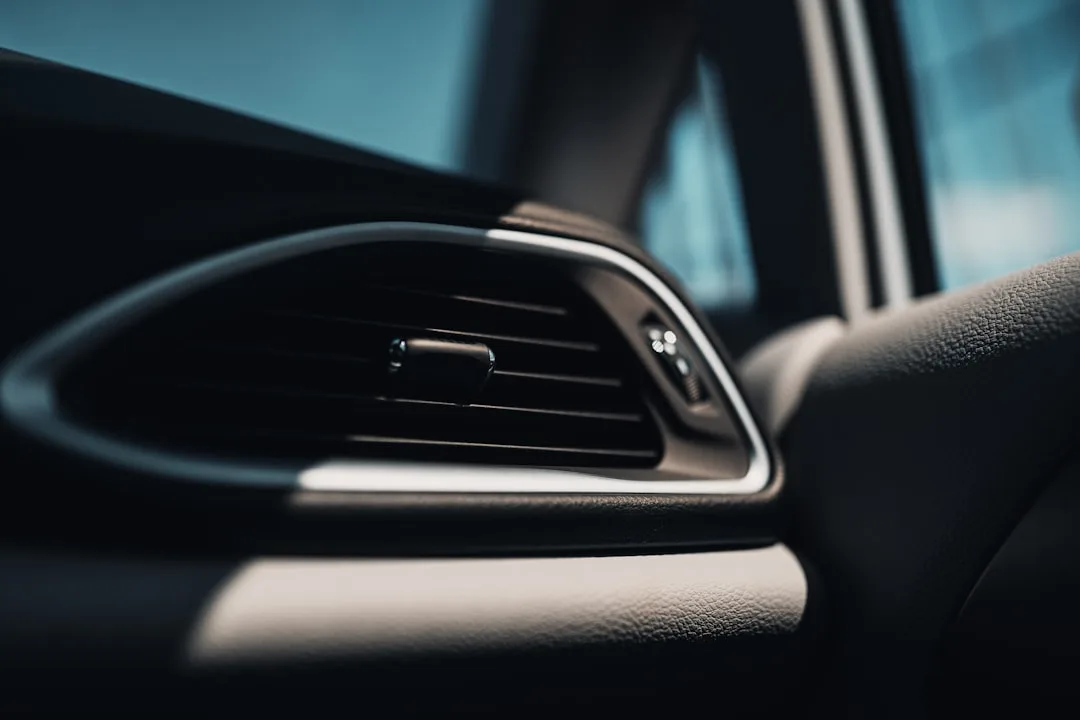
Vehicle air purification systems have moved from luxury add-on to purchase-deciding feature in 2026. Buyers now evaluate air quality technology as critically as fuel efficiency, driven by post-pandemic health awareness and measurable air quality data.

Adaptive headlight technology has moved from luxury feature to mainstream safety standard in 2026, with systems that automatically adjust beam intensity and direction based on road conditions, speed, and steering angle. This shift is reshaping how buyers evaluate vehicle safety and nighttime visibility.
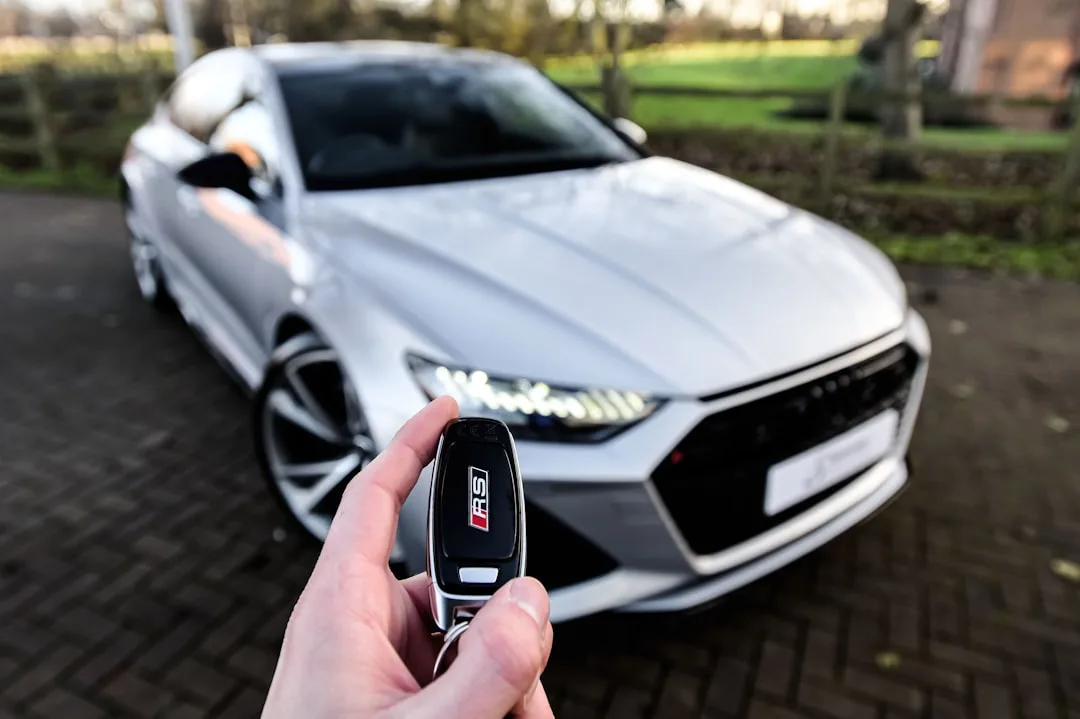
Remote start technology has shifted from luxury novelty to daily necessity as drivers demand engine preheating, climate control, and security from their phones. In 2026, this feature influences purchase decisions across budget tiers, with retrofits and factory systems reshaping the aftermarket landscape.
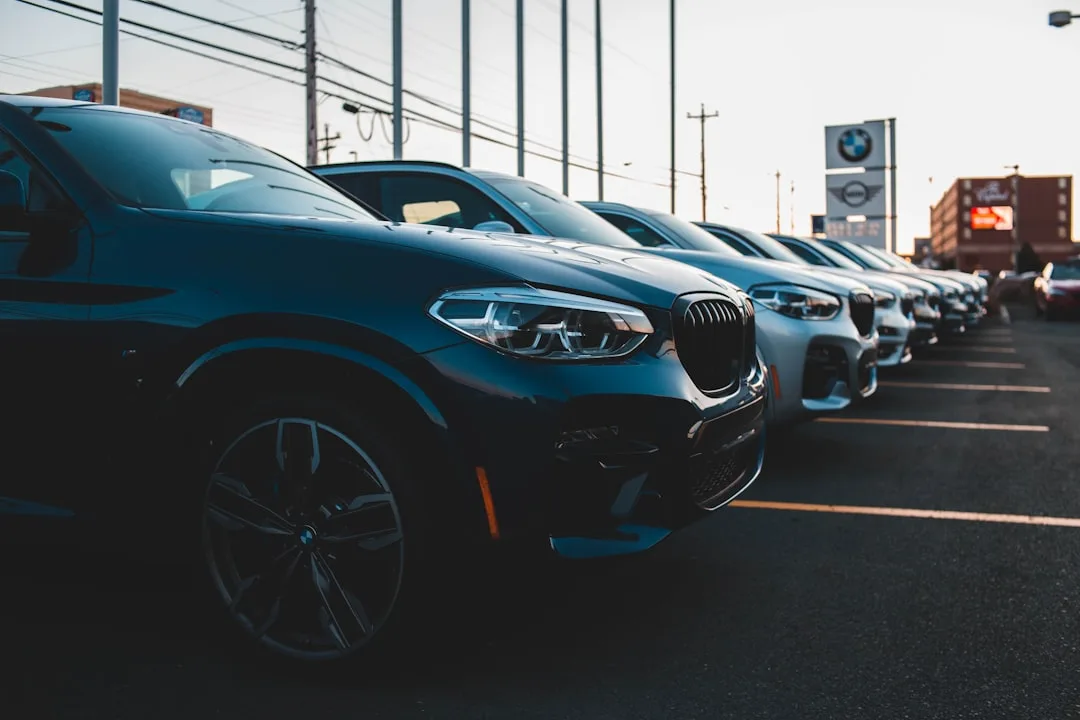
Vehicle depreciation protection plans have become the fastest-growing add-on in automotive retail, with dealerships reporting a 34% adoption rate among new-car buyers in 2026. These plans directly address the single largest cost driver in vehicle ownership: the moment your car leaves the lot, it loses value—and smart buyers are now fighting back with contractual guarantees.
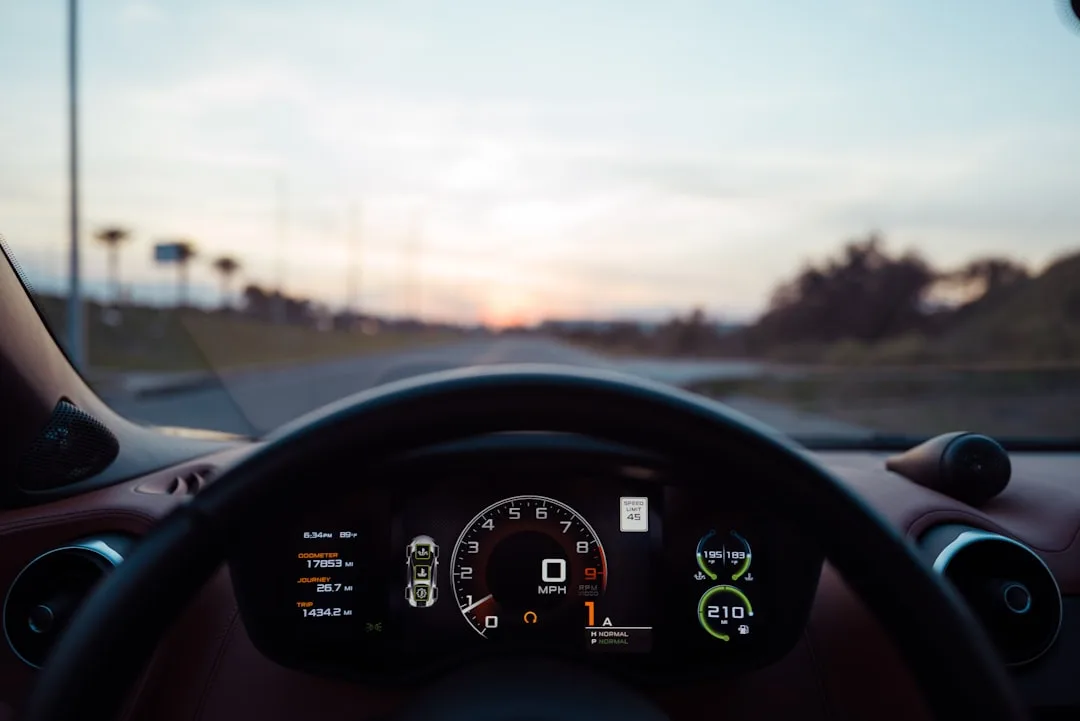
In August 2026, buyers are evaluating vehicles not by engine power alone but by their digital nervous systems. Connectivity—seamless smartphone integration, real-time diagnostics, and cloud-backed software updates—has become the silent dealbreaker that separates a car you own from a car that owns your life.
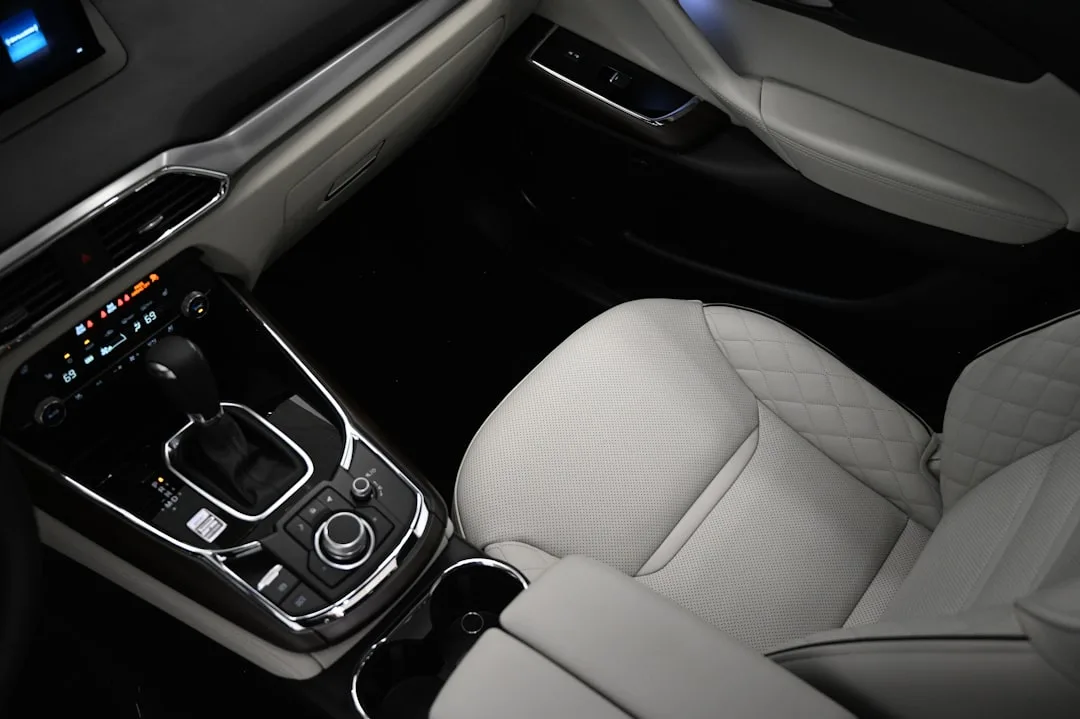
Heated seats are no longer a premium luxury feature—they’re becoming the baseline expectation across mid-range and economy vehicles. Manufacturers are competing on heat distribution quality and energy efficiency, not just presence.
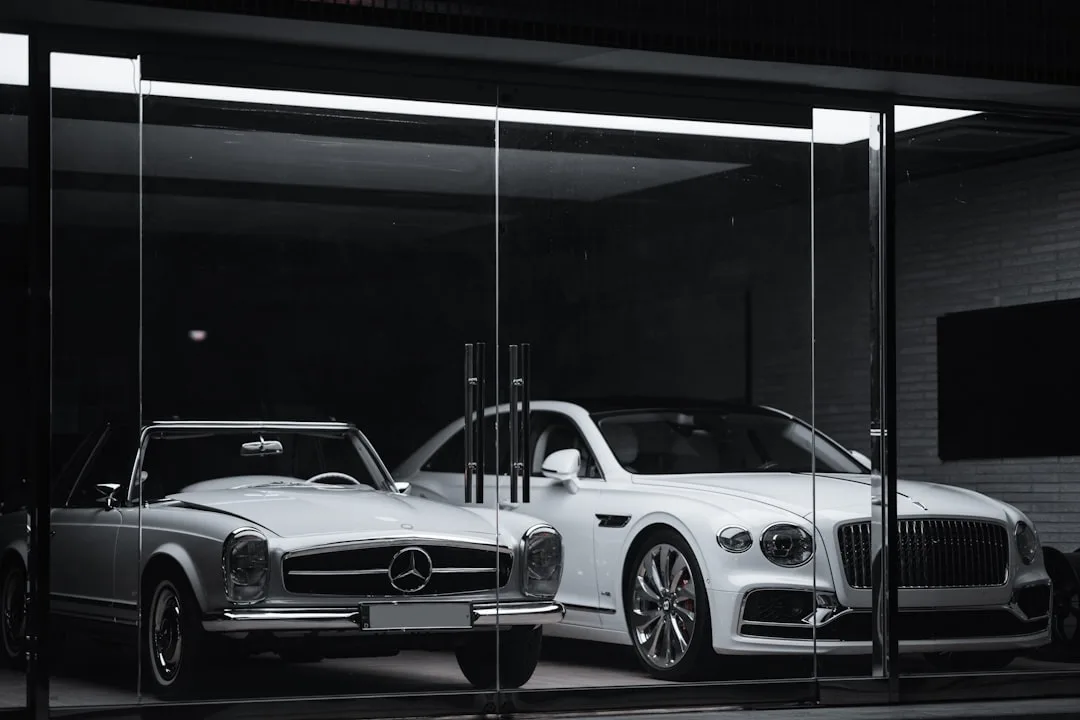
Vehicle subscription services eliminate the commitment friction that has defined car ownership for over a century. By August 2026, subscription fleets have grown into a serious alternative for buyers who want predictability without permanence.
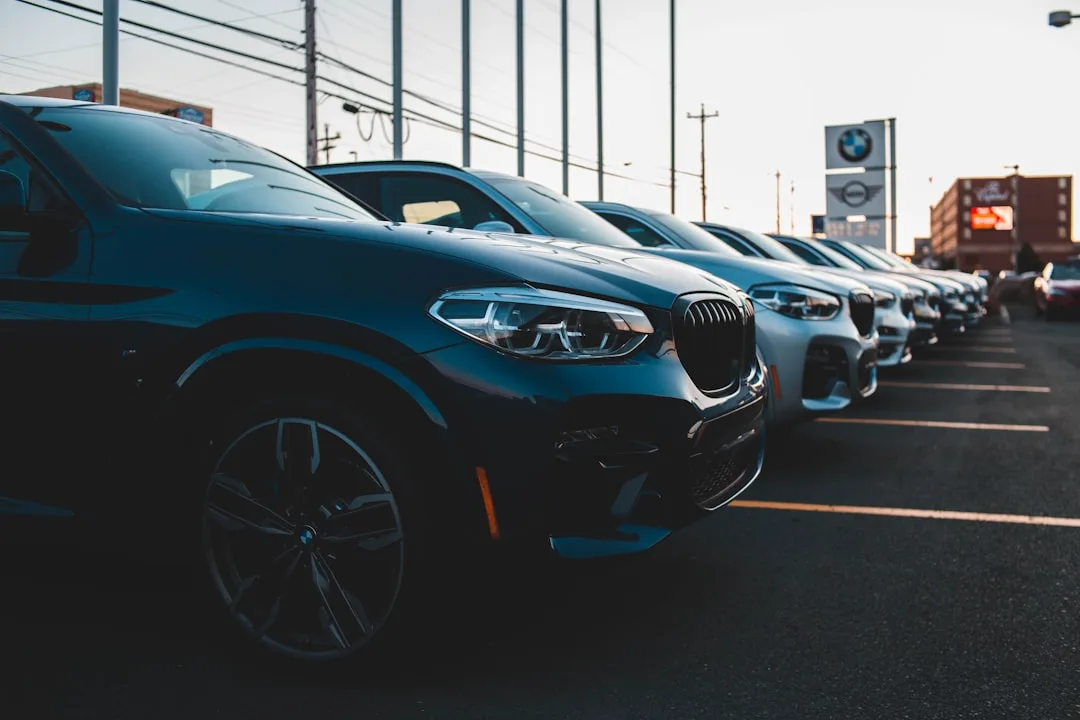
As vehicle prices remain elevated and fuel costs fluctuate unpredictably, buyers are prioritizing ownership models and maintenance strategies that demonstrably cut total cost of ownership. August 2026 data reveals a decisive shift away from traditional purchase-and-own patterns toward flexible alternatives that reduce financial risk.

Extended warranty and protection plans have become central to how buyers evaluate vehicle purchases in 2026, shifting focus from price alone to lifetime value and peace of mind. We break down why coverage options matter, which plans actually protect your investment, and what dealers won’t tell you upfront.
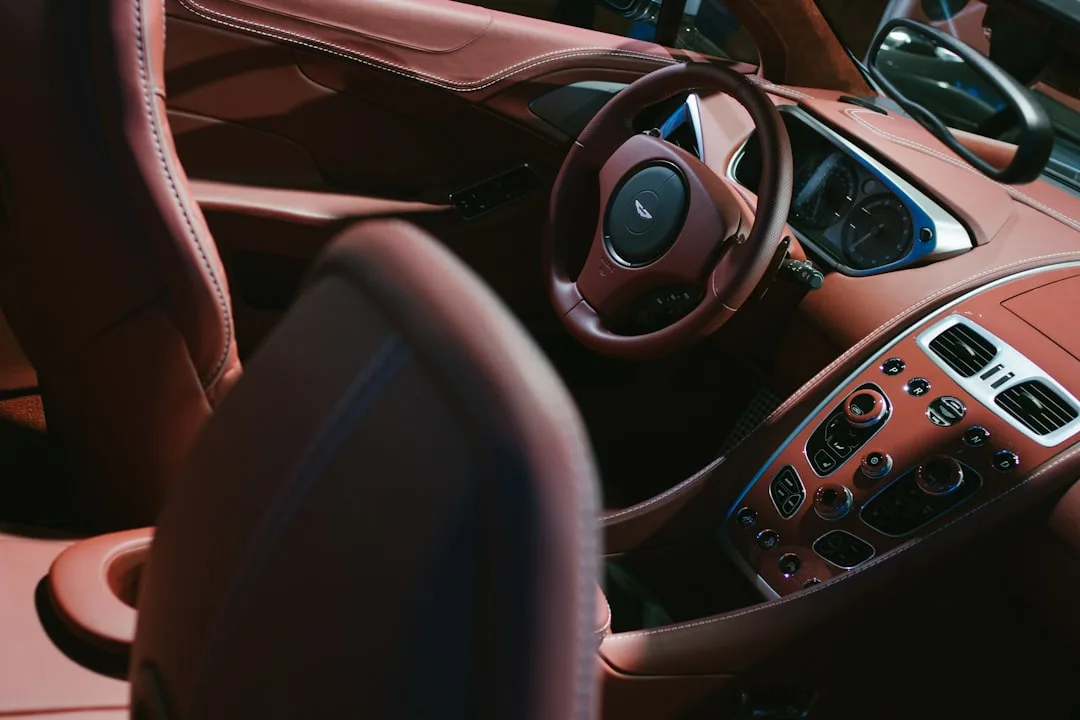
Affluent car buyers are abandoning one-size-fits-all cabins for radical interior customization. From hand-stitched leather to modular infotainment systems, personalization has become the defining purchase driver for 2026 luxury vehicles.
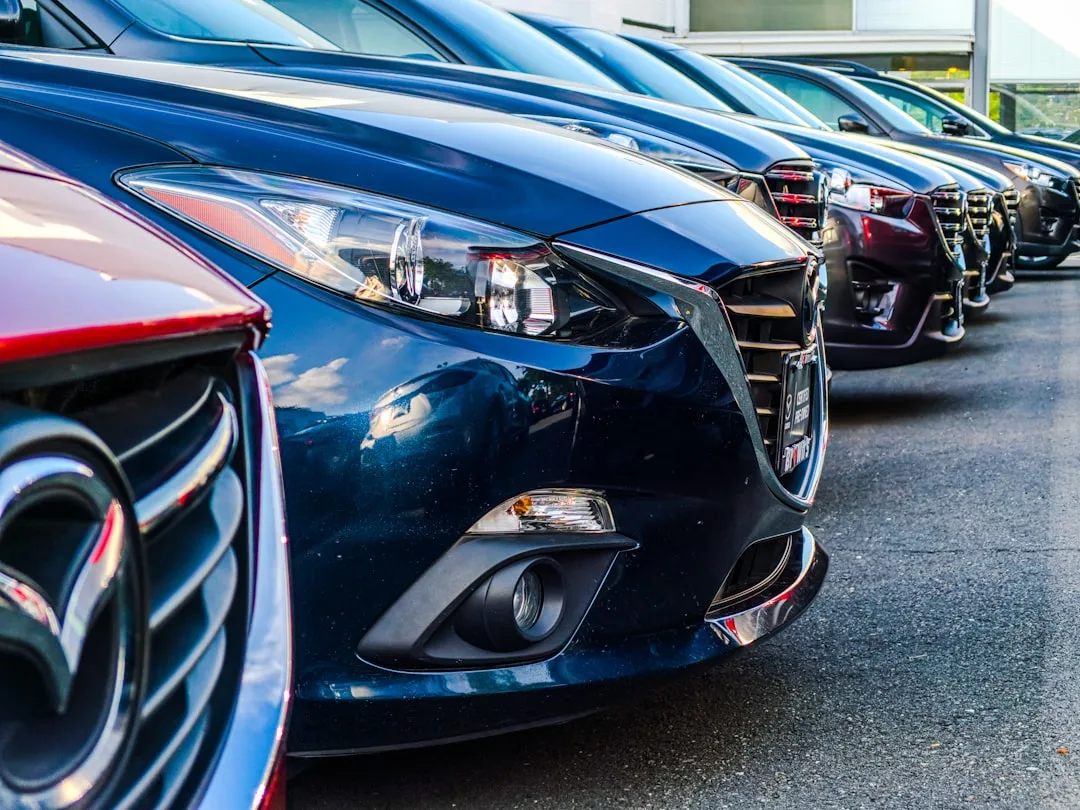
As new-car prices stabilize, buyers are shifting focus from financing deals to long-term value preservation. Vehicle resale value protection has become the decisive factor separating smart purchases from money-losing ones.
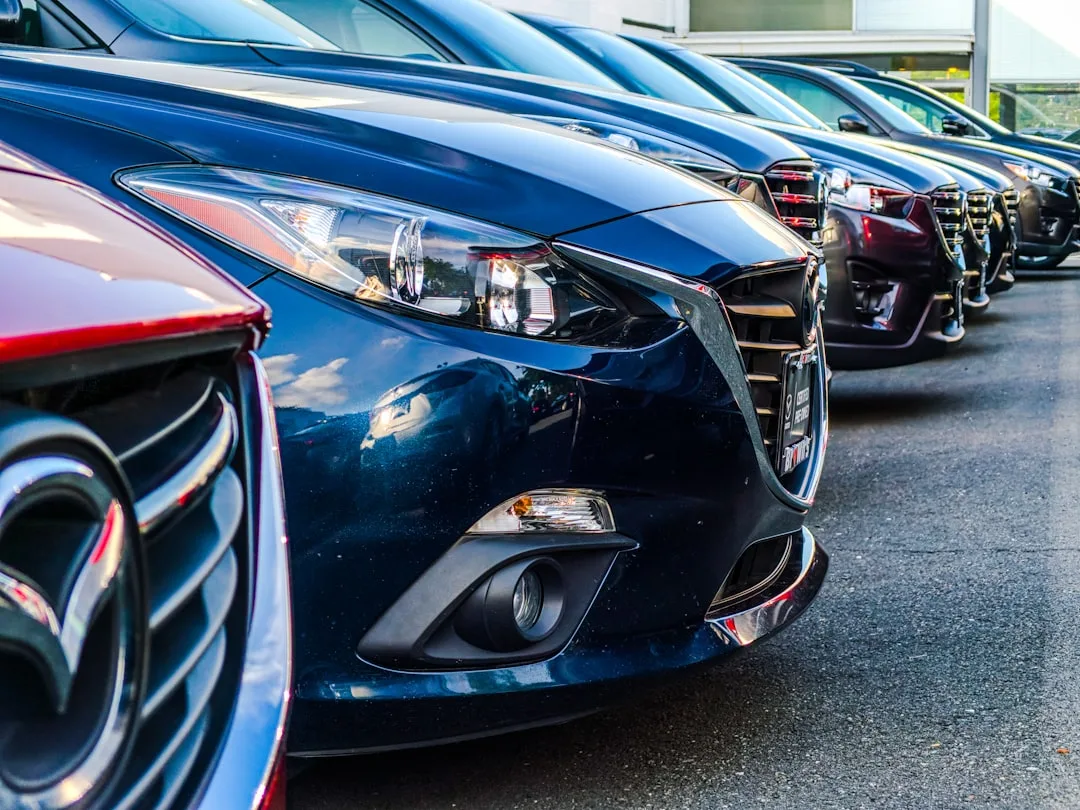
Buyers in 2026 aren’t choosing cars the way they did five years ago—they’re choosing how they pay for them. Automotive financing flexibility now ranks as the #1 decision factor, reshaping loan structures, lease options, and ownership models entirely.
The certified pre-owned vehicle market has become the primary engine of automotive sales in 2026, driven by warranty protection and transparent pricing that new-car dealerships can no longer offer. Buyers across income brackets now view CPO purchases as smarter economics rather than compromise.
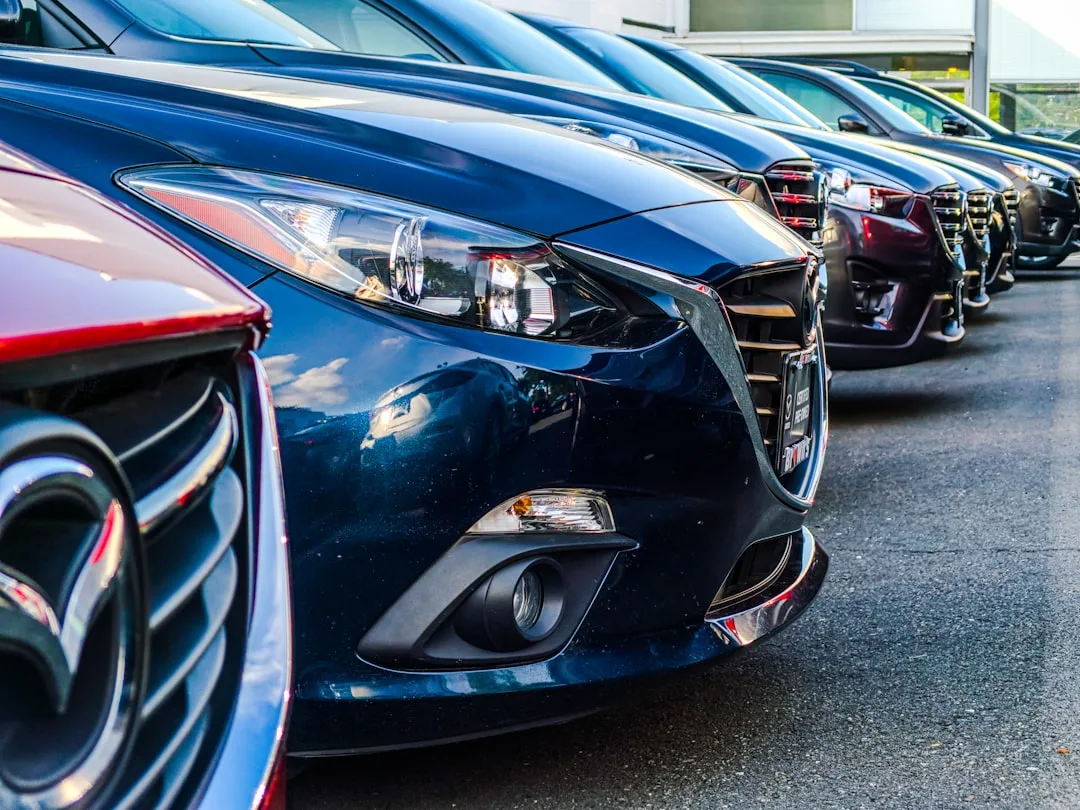
Subscription vehicle ownership—where drivers pay monthly for cars they swap seasonally—has become the fastest-growing segment in automotive retail. Monthly fees now include insurance, maintenance, and roadside support, fundamentally shifting the calculus away from traditional six-year financing.
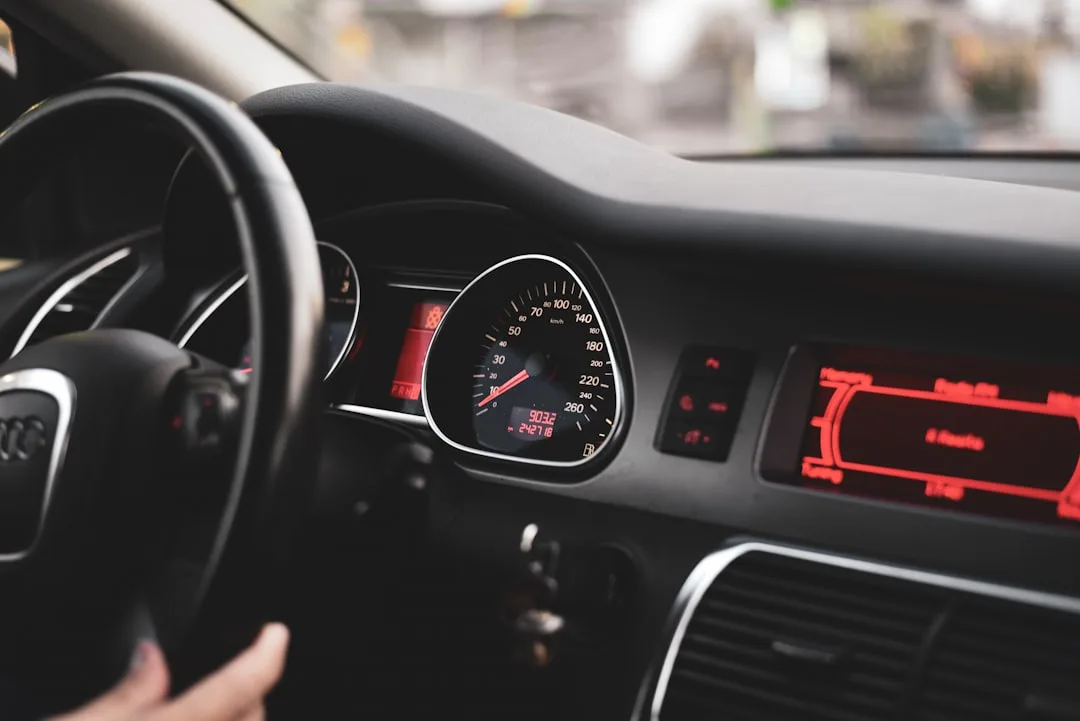
Autonomous vehicle adoption has reached a critical threshold in mid-2026, with major manufacturers rolling out Level 3 and Level 4 systems that fundamentally change how households approach transportation. Families are reshaping daily routines around hands-free driving, longer commute tolerance, and new in-car productivity expectations.
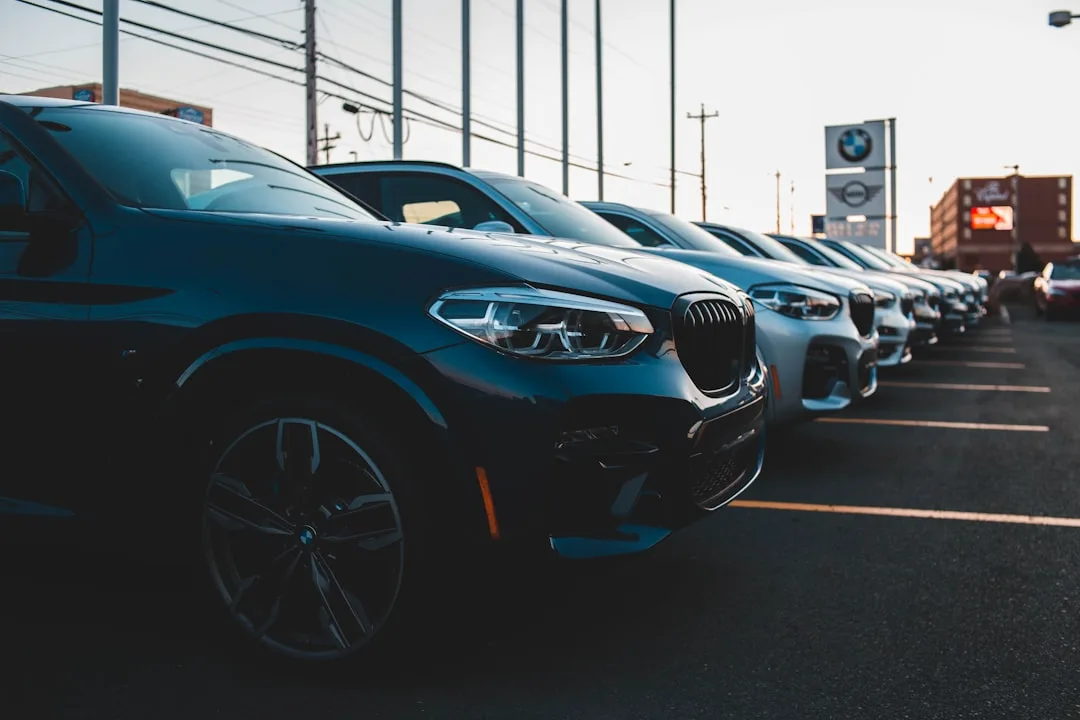
The used car market resurgence is fundamentally changing how consumers approach vehicle purchases, with used vehicles now outpacing new-car consideration. Depreciation curves, certified pre-owned programs, and market inventory gluts have created a decisive advantage for savvy buyers willing to shift their strategy.
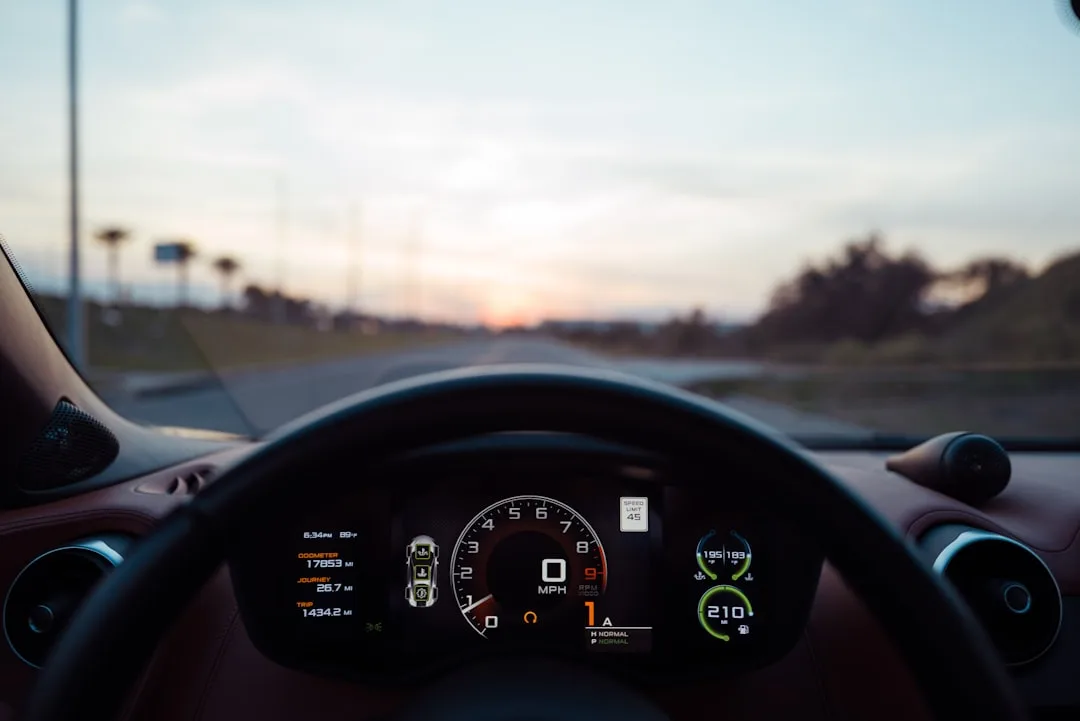
As federal EV incentives ended and charging infrastructure lags, hybrid vehicles are surging past pure electric cars. Consumer preference has fundamentally shifted toward flexibility, affordability, and real-world practicality.