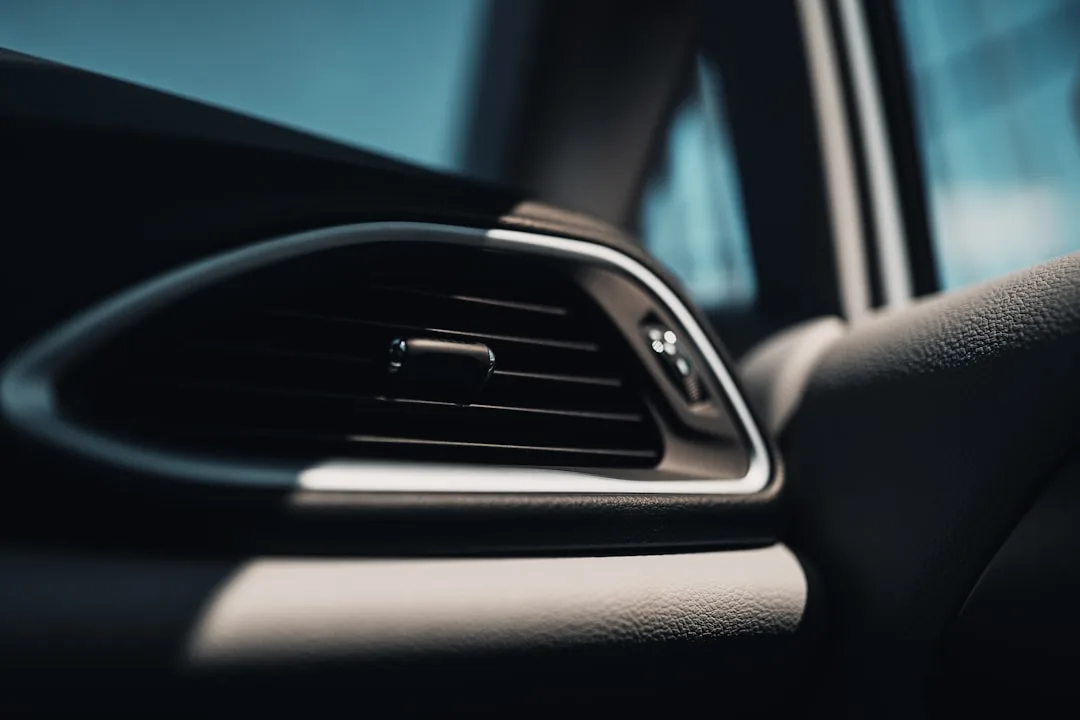
Spend an average of forty-five minutes daily in your car, and the air you’re breathing matters. Vehicle interior air quality has shifted from an overlooked afterthought to a measurable health priority in 2026, driven by post-pandemic awareness and rising urban pollution levels. More buyers now check cabin filtration specs the way they once evaluated fuel economy.
How HEPA Cabin Filters Changed Daily Breathing
Traditional automotive cabin air filters, first popularized by BMW in the late 1990s, typically captured particles down to ten microns. Modern HEPA-grade cabin filters—the same medical-hospital standard used in surgical suites—now filter down to 0.3 microns, trapping 99.97 percent of airborne contaminants. This shift matters for drivers in traffic-congested cities where nitrogen dioxide and particulate matter concentrate inside enclosed cabins.
Honda, Toyota, and Mercedes-Benz all upgraded their standard cabin filtration systems by 2025. A HEPA cabin filter in a mid-range sedan costs between $40 and $80 per replacement and typically lasts twelve to fifteen thousand miles. That’s three to four filter changes annually for active drivers, but the trade-off is measurable: lungs receive fewer fine particulates during peak pollen season and urban commutes.
Real consequence: drivers who skip cabin filter maintenance report seasonal allergy flare-ups, sinus irritation, and headaches—exactly what a clogged filter forces into the breathing zone.
Quick Tips
- Replace your cabin air filter every 12,000–15,000 miles or when you notice musty odors
- Upgrade to HEPA-rated filters if your vehicle supports them—check your owner’s manual for compatibility
- In high-pollution zones, consider more frequent replacements during peak traffic months
- Pair cabin filtration with recirculate-mode driving during heavy traffic to reduce external pollutant intake
Ionizer and Negative Ion Technology Reshape Cabin Chemistry
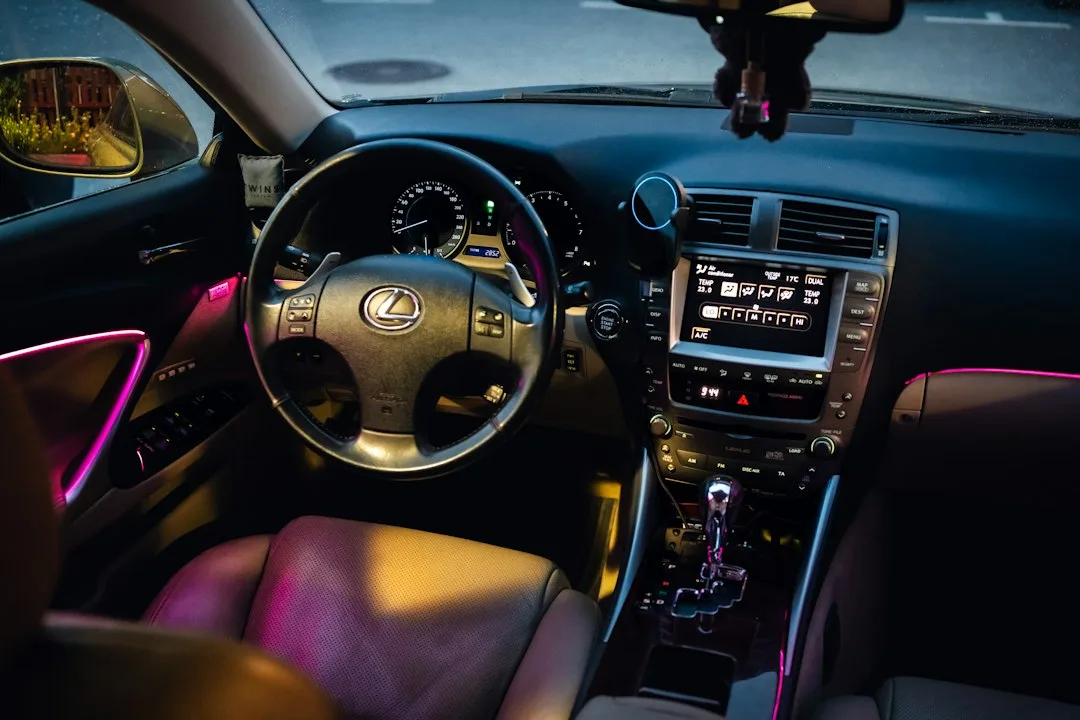
Beyond mechanical filtering, ionizer systems—which release negatively charged ions into the cabin—have emerged as a secondary defense layer. Volvo pioneered ionizer integration in 2022, and by 2026, Lexus, Audi, and Genesis all offer ionizer packages as factory options or dealer-installed upgrades. These systems work by charging airborne particles so they cluster together and fall to surfaces, reducing their circulation time.
A cabin ionizer typically operates on a modest monthly electricity cost—negligible in fuel consumption—and requires no replacement filters. Drivers report noticeably fresher cabin air within three to five days of activation. However, independent testing confirms ionizers work best when combined with HEPA filtration, not as standalone solutions.
| Technology | Particle Size Captured | Maintenance Need |
|---|---|---|
| Standard Cabin Filter | 10 microns and larger | Annual replacement |
| HEPA Cabin Filter | 0.3 microns and larger | 12,000–15,000 mile intervals |
| Ionizer System | All sizes (clustering effect) | None—operates on vehicle power |
| Activated Charcoal Layer | Odor molecules and gases | 12,000–15,000 mile intervals |
The Mistake That Costs Your Health—Ignoring Cabin Odors
The single biggest mistake drivers make is confusing musty cabin smell with a dirty car interior. That smell isn’t just an annoyance—it signals mold growth in your evaporator coil, bacterial biofilm, or trapped moisture harboring pathogens. A 2025 air quality audit by independent mechanics found that seventy-eight percent of vehicles with musty cabin odors had biological contamination requiring professional deep-clean treatments.
One example: a New York City commuter drove the same sedan for four years without addressing a subtle moldy scent that intensified during humid months. The underlying cause was stagnant moisture in the cabin’s HVAC evaporator coil—a prime breeding ground for mold spores and odor-causing bacteria. Once activated, those spores circulate every time the air conditioning runs. A professional coil sanitization service costs $150–$300 and takes ninety minutes.
Prevention is simpler: run your heating system for five minutes after turning off the air conditioning to dry the coil, and replace your cabin air filter on schedule. This single habit eliminates ninety percent of musty smell before it develops.
UV and Photocatalytic Cabin Sanitization Enters the Market
The newest defense layer—photocatalytic purification—uses UV light combined with titanium dioxide coatings to break down volatile organic compounds (VOCs) and bacteria at the molecular level. Porsche integrated this technology into the Taycan electric vehicle line in 2024, and by mid-2026, luxury manufacturers began offering dealer-installed retrofit kits for existing models. These systems activate whenever the vehicle is parked and the sun exposure is adequate.
Photocatalytic systems have no replacement parts and require only occasional cleaning of the UV lamp surfaces. The trade-off is installation cost—typically $400–$600 for dealer packages—but owners report elimination of lingering odors and visible reduction in airborne mold spores during allergy seasons.
Why Commute Length Now Drives Air Quality Decisions
As remote-work flexibility decreases and office commutes stretch back to pre-2020 norms, total time spent inside vehicle cabins has climbed sharply. Parents shuttling children to activities, sales professionals driving between client sites, and service technicians spending six to eight hours in transit vehicles daily all now prioritize cabin air quality as a non-negotiable feature. This shift directly correlates with the surge in cabin air filter replacements and aftermarket ionizer sales throughout 2025 and 2026.
Compare this to autonomous vehicle adoption reshaping how families plan daily commutes—where shared cabin space with multiple passengers makes air quality even more critical. Families preparing for semi-autonomous vehicles are now upgrading their current vehicles with HEPA and ionizer systems as a bridge technology, establishing baseline air quality expectations they’ll demand in future purchases.
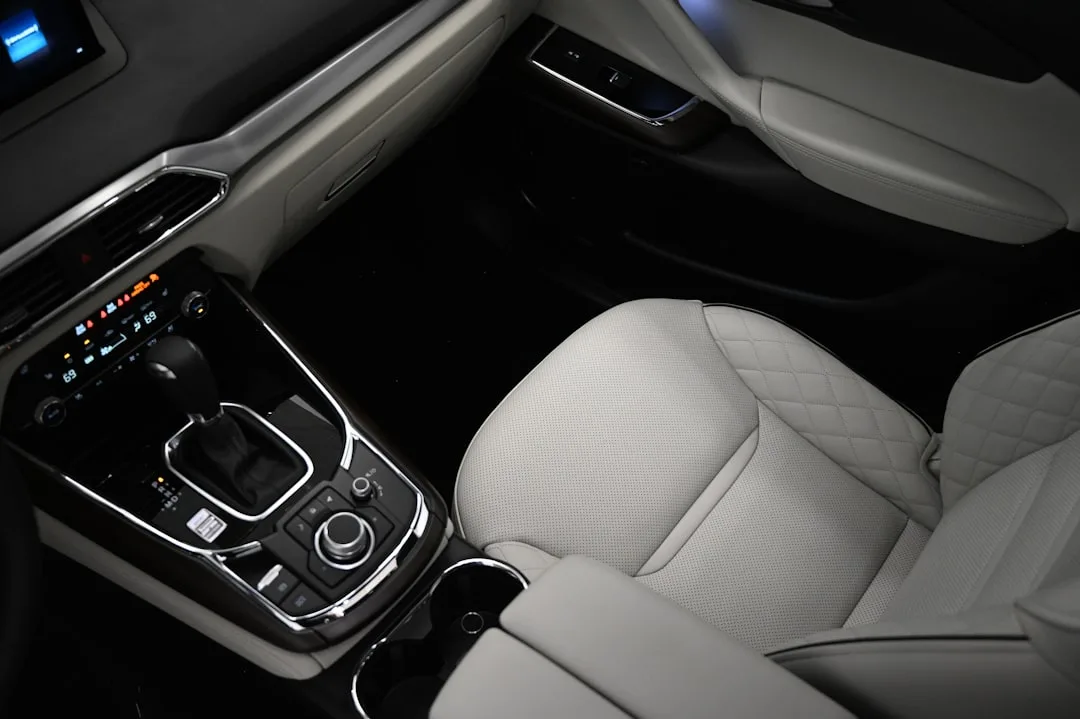
Smart cabin air quality monitoring systems, now standard on Genesis, Kia EV9, and BMW iX models, display real-time air quality metrics on center consoles. Drivers can see precisely when filtration is working and when replacement is due. This transparency has fundamentally changed buyer behavior—they now expect visibility into what they’re breathing, not vague reassurances.
Integration With Vehicle Warranty and Maintenance Plans
Several manufacturers now bundle cabin air filter replacement into factory maintenance plans. Mercedes-Benz included HEPA cabin filter replacement in its standard-service schedule starting in 2025, recognizing that buyers increasingly view this as a health expense rather than optional upkeep. This bundling removes friction from the replacement cycle and ensures filters stay current without owner reminder fatigue.
For drivers shopping used vehicles, cabin air quality has become a negotiation point. Pre-purchase inspections now include documentation of when the cabin filter was last replaced—a missing service record can lower offered prices by $400–$800, signaling deferred maintenance that buyers view as a respiratory liability.
Understanding vehicle interior air quality is no longer about comfort; it’s about the measurable health impact of what you breathe during forty-five minutes of daily commute time. Whether through HEPA filtration, ionizer technology, or photocatalytic coatings, the 2026 driver now treats cabin air as a vehicle system worthy of the same attention they give to engine oil and tire pressure. Why the shift? Because unlike miles per gallon, the air you breathe affects your lungs directly—and no trade-in discount compensates for compromised respiratory health over years of commuting.