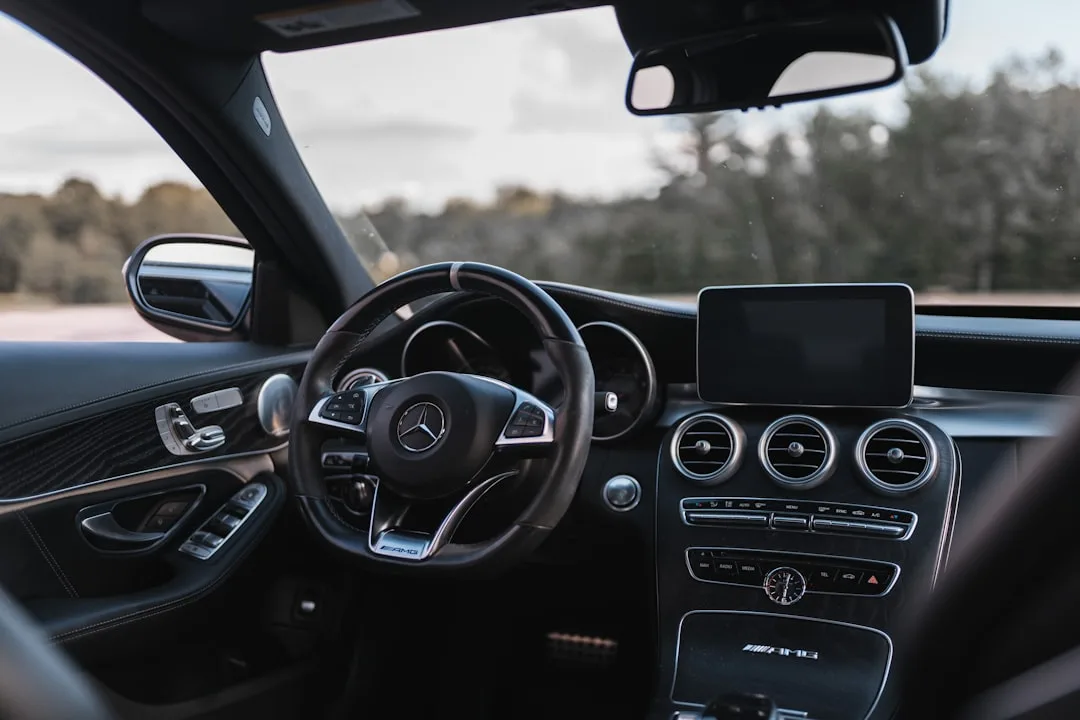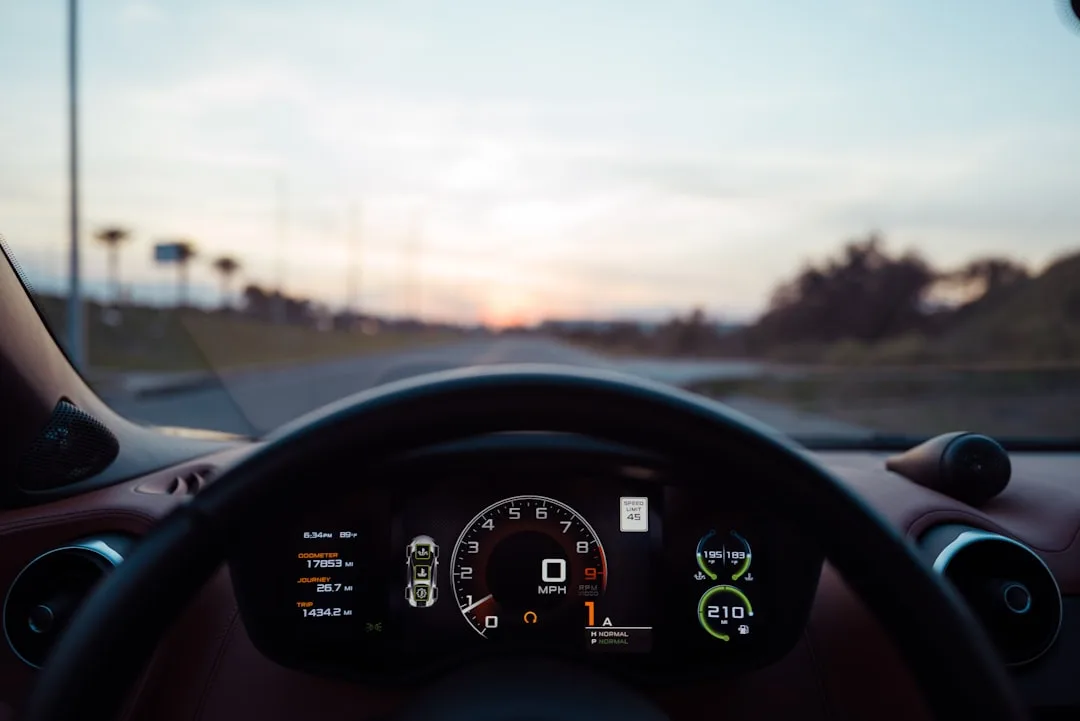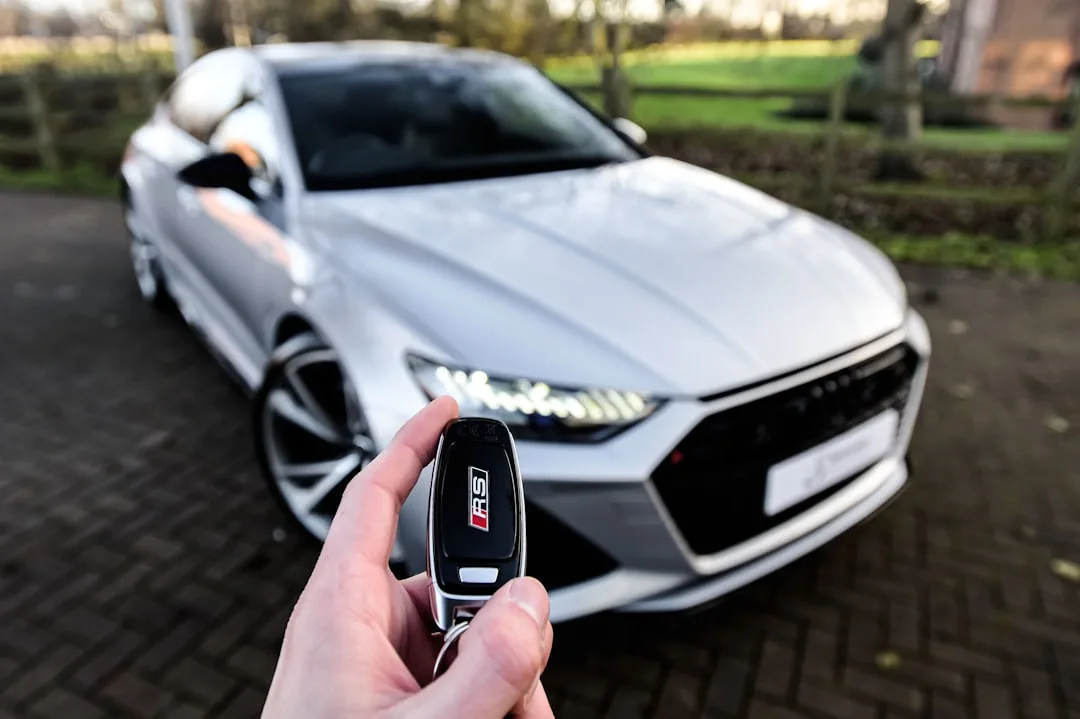
A Minnesota driver sits at her kitchen table on a January morning while the temperature outside hovers at minus twelve degrees. Before stepping into the garage, she taps her phone. Her 2024 sedan’s engine turns over three hundred miles away—well, three houses down the street. The cabin reaches a comfortable seventy-two degrees by the time she arrives. This scenario, once reserved for luxury vehicles costing six figures, now defines how millions approach cold-weather mornings, hot commutes, and everyday convenience. Vehicle remote start systems have become the feature separating practical from premium in 2026’s automotive market.
Remote start technology existed in luxury segments for years. Today it reshapes buyer priorities across all price points and ownership models.
Why Drivers Demand Remote Start Beyond Comfort
Tesla began bundling remote climate control with its mobile app ecosystem in 2015, and traditional automakers watched buyer response data climb steadily. By 2024, BMW, Mercedes-Benz, and Audi refined their smartphone integration to include not just engine start but cabin temperature, seat heating, and door unlock—all verifiable through manufacturer apps. The shift reflects a deeper consumer psychology: control over your environment translates to peace of mind.
Ford’s integrated FordPass system reached over four million active users by mid-2026, tracking precise start sequences, fuel levels, and maintenance alerts. Real convenience. A working parent in Phoenix no longer dreads returning to a vehicle that’s been baking for eight hours; the AC runs for five minutes before arrival.
Winter climates prove the technology’s practical value. Engine block heaters became obsolete in many regions once manufacturers bundled remote start as standard. Battery conditioning, cabin defrost, and lubricant warming happen simultaneously—all without the driver burning fuel or stepping outside.
Quick Tips
- Verify your insurance covers remote-start usage; some policies require manual confirmation.
- Test the range indoors first—walls and steel structures reduce smartphone signal reach by thirty to fifty percent.
- Enable geofencing if available; prevents accidental remote starts when family members borrow your car.
- Check battery drain monthly, especially in cold climates where remote commands cycle more frequently.
- Update the manufacturer app quarterly to ensure security patches and feature improvements sync correctly.
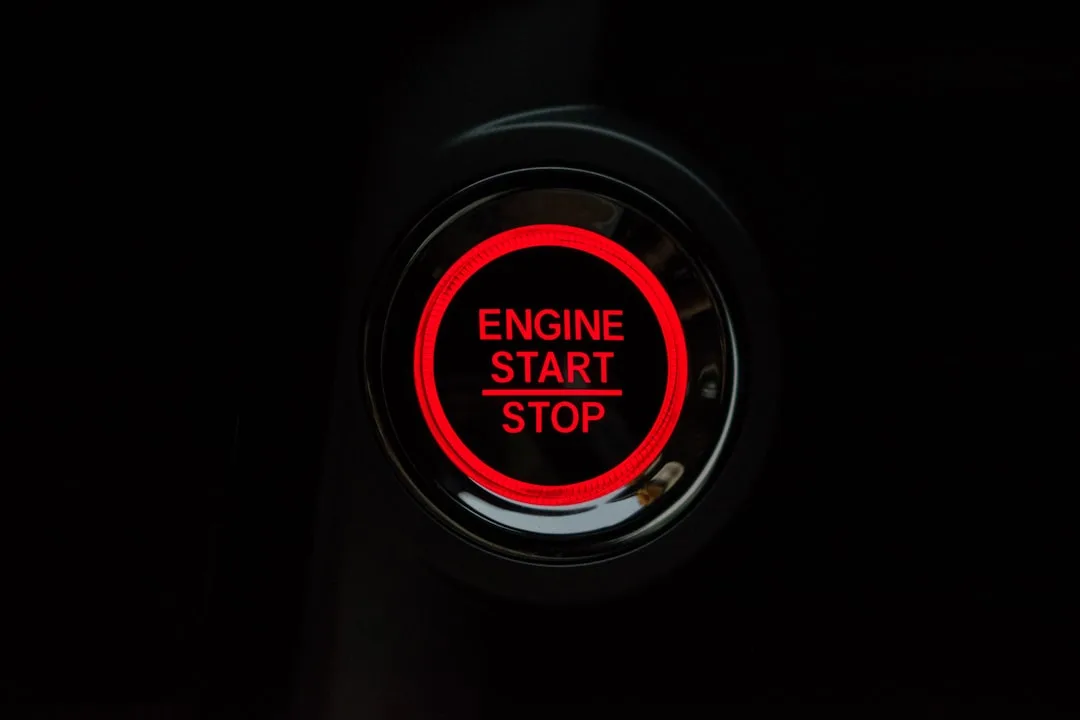
Factory Integration Versus Aftermarket Remote Start Solutions
| Solution Type | Integration Level | Cost Range |
|---|---|---|
| Factory OEM System | Full vehicle integration, warranty covered | $500–$1,200 option |
| Aftermarket Two-Way Pager | Basic start/stop, limited diagnostics | $300–$600 install |
| Smartphone-Compatible Retrofit | Phone app control, partial diagnostics | $400–$800 install |
| OBD-II Adapter Module | Minimal hardware, requires aftermarket installation | $200–$400 install |
| Luxury Brand Native Integration | Deep API sync with vehicle electronics | $800–$1,500 option |
Viper and Python dominated the aftermarket remote start category for decades, offering two-way pager systems that showed engine status through dashboard lights. These devices still work, but smartphone integration changed buyer expectations entirely.
Hyundai and Kia bundled smartphone remote start across their 2025–2026 lineups, including base models, shifting the feature from premium to standard faster than anyone predicted. Buyers comparing vehicles now ask which app works better, not whether remote start exists.
The mistake most owners make happens before purchase. They assume any remote start retrofit will integrate seamlessly with newer vehicle architectures—it won’t. Older OBD-II tap methods fail silently on modern vehicles using CAN-bus encrypted networks. One Colorado dealer reported retrofitting thirty vehicles with aftermarket systems that lost signal within a year, requiring complete removal and factory-authorized reinstallation at double cost.
Security and Authentication Standards Reshape Remote Start Design
General Motors rolled out a multi-factor authentication layer across OnStar-enabled vehicles in 2025, requiring fingerprint or PIN confirmation before any remote command executes. This addresses the real vulnerability: smartphone theft.
A stolen phone should never start your vehicle. Hyundai learned this the hard way in early 2025 when a security researcher demonstrated that certain remote start apps lacked proper token rotation, allowing a cached app session to persist indefinitely. The company pushed a firmware update within weeks, but the incident changed how manufacturers approach remote access.
Two-factor authentication now appears across all major platforms. Your phone sends a start request; the vehicle responds with an OTP that your phone must acknowledge. This three-way handshake happens in milliseconds, completely invisible to the driver.
Why Certified Pre-Owned Buyers Prioritize Remote Start Availability
Dealerships now market remote start as a differentiator when selling certified pre-owned vehicles. A 2023 Chevrolet Silverado with factory remote start commands a markup of approximately $800–$1,200 compared to an identical truck without it, according to multiple regional dealer networks tracking market data throughout 2026.
This premium reflects buyer psychology more than technology cost. Buyers perceive remote start as proof that the previous owner maintained the vehicle carefully—a faulty system indicates neglect. Certification badges matter less when buyers can literally test the app before signing paperwork.
Rental car companies discovered this trend too. Enterprise and Hertz began promoting “smartphone remote start included” across their economy segments, converting the feature into a customer retention lever that costs them almost nothing but drives measurable returns on loyalty programs.
Integration With Vehicle Autonomy and Future Ownership Models
Remote start systems form the foundation for autonomous vehicle adoption in daily commutes. A self-parking car needs to start remotely when the owner approaches the parking garage. Climate conditioning must activate before autonomous mode begins.
Subscription-based vehicle ownership, growing throughout 2026, treats remote start as a baseline feature—not optional. Carvana and Vroom bundled the technology into every inventory vehicle, simplifying handoff ceremonies and reducing friction for renters who expect modern convenience.
The technology creates data trails that manufacturers monetize. Battery health, engine diagnostics, climate usage patterns—all flow back to factory servers. Buyers trading privacy for convenience accept this trade-off, but transparency about data sharing remains inconsistent across brands.
Remote start capabilities will expand to include semi-autonomous features: vehicles that start when you approach the driveway’s edge, precondition themselves based on weather APIs, and warm the engine according to commute distance algorithms. Today’s simple start button becomes tomorrow’s predictive climate interface.