Why Vehicle Interior Air Quality Matters More in 2026
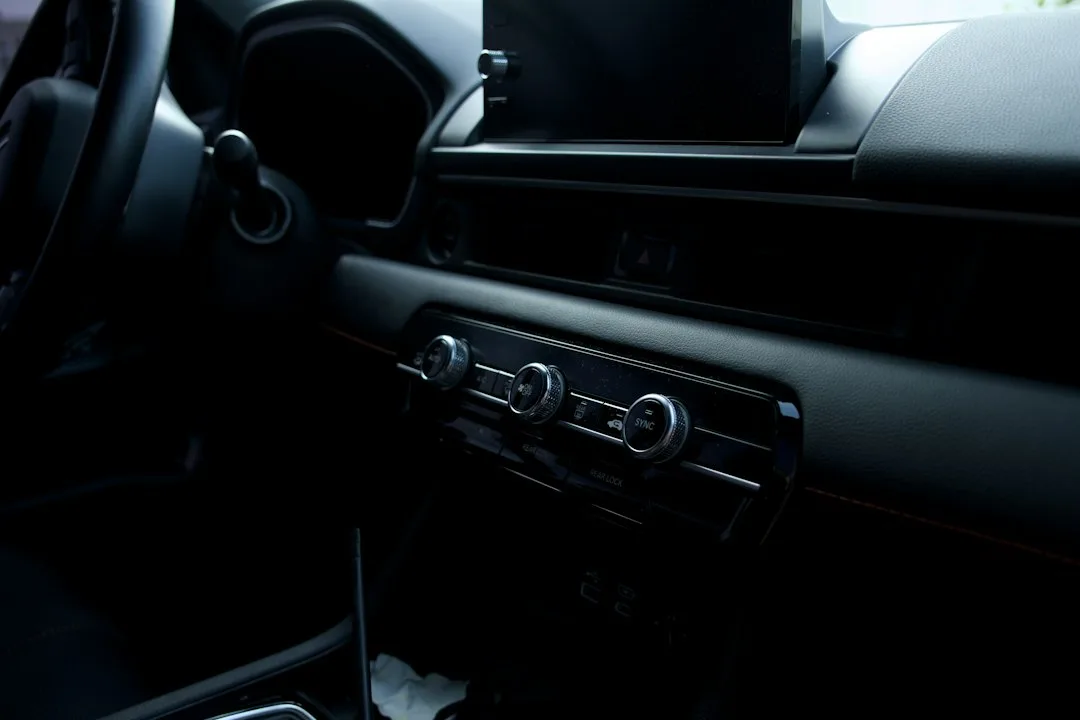
As commute times stretch and cabin time increases, drivers are prioritizing what they breathe. Vehicle interior air quality has evolved from luxury feature to health necessity.
333k+ Lifestyle & Design Ideas

As commute times stretch and cabin time increases, drivers are prioritizing what they breathe. Vehicle interior air quality has evolved from luxury feature to health necessity.
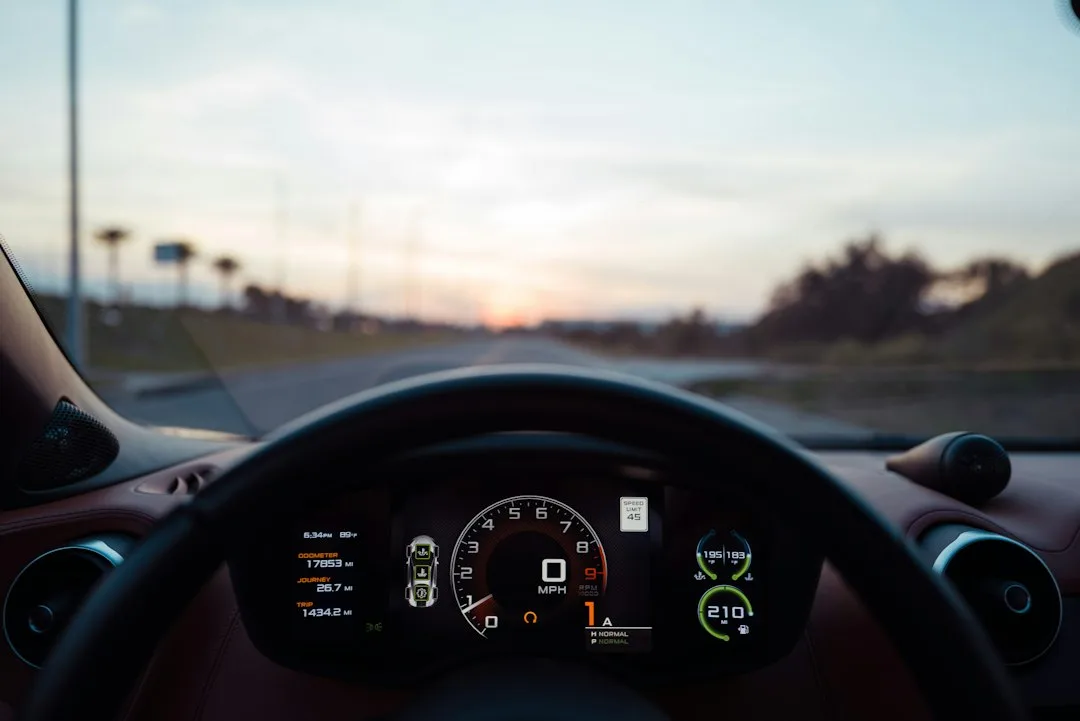
Advanced tire monitoring systems have evolved from luxury add-ons to practical safety essentials that track pressure, temperature, and tread wear in real time. In September 2026, drivers who embrace these systems report fewer roadside emergencies and dramatically extended tire lifespan.
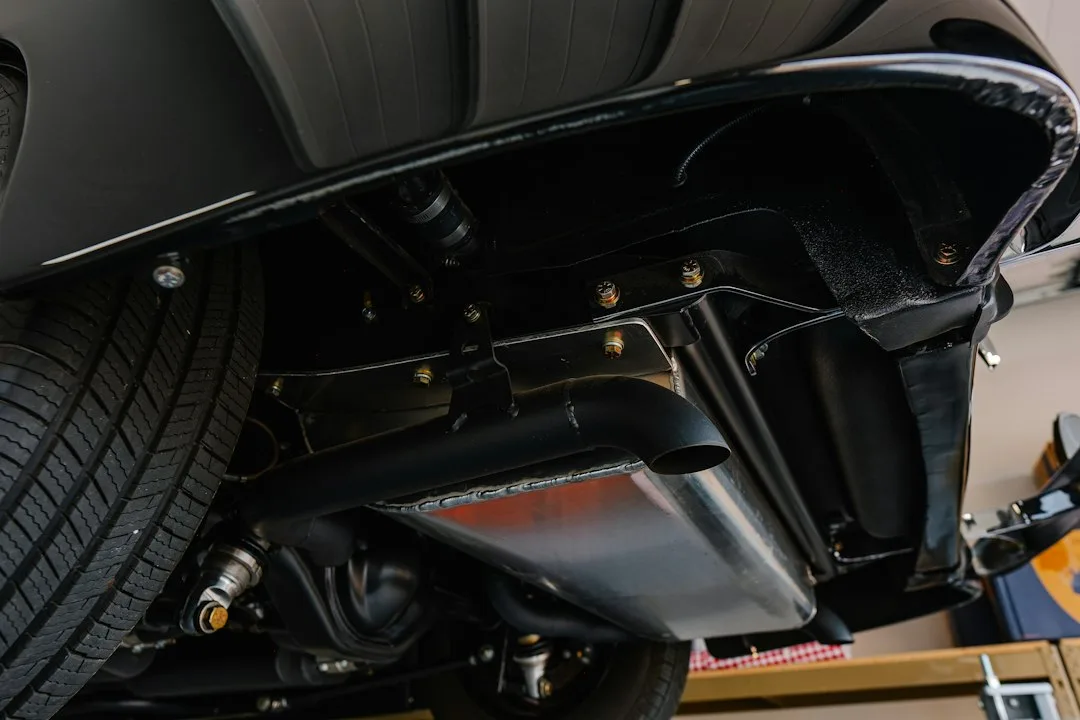
Vehicle undercarriage protection has shifted from optional luxury to essential maintenance as roads grow saltier and vehicle lifespans extend. Learn why mechanics and dealers now prioritize it as a core ownership strategy.
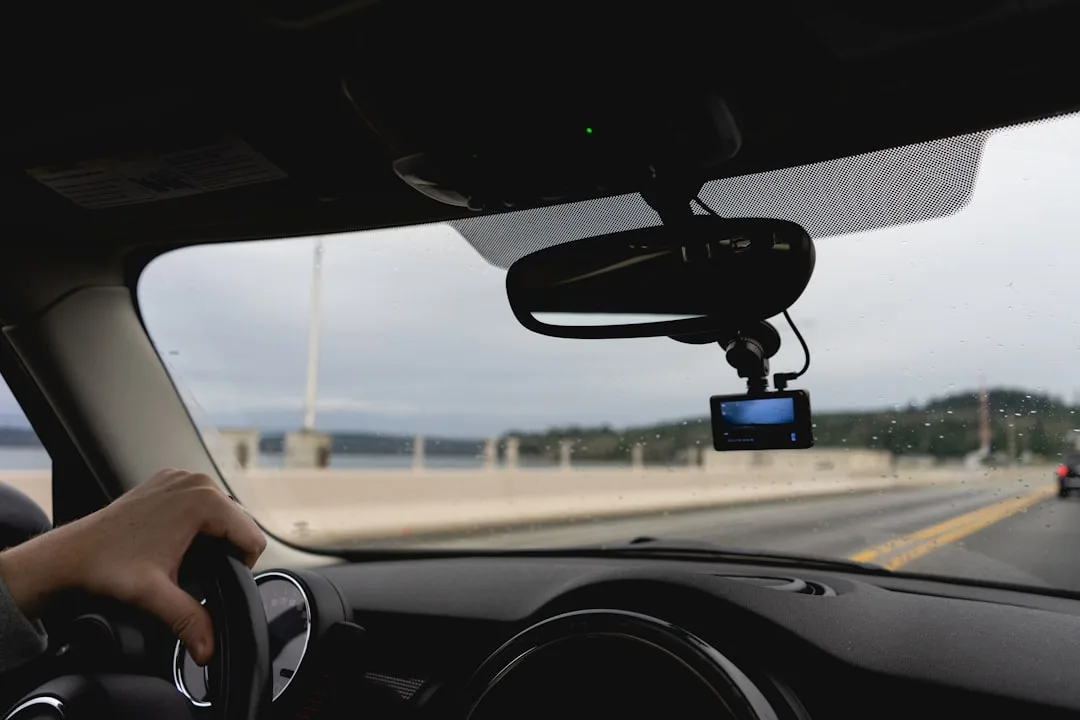
Vehicle occupant monitoring systems represent the fastest-growing interior safety category in 2026, moving beyond basic seatbelt sensors to track driver fatigue, posture, distraction, and passenger positioning in real-time. This shift reflects a fundamental market pivot: automakers now invest in systems that observe human behavior, not just vehicle performance.

Lane-keeping assist has moved from luxury feature to industry standard in 2026, fundamentally changing how drivers navigate highways and congested roads. This article explains why automakers prioritize this technology and how it integrates with your daily driving behavior.

Blind spot mirrors have become the most practical safety investment for 2026 drivers. These affordable, easy-to-install devices eliminate the visibility gaps that cause thousands of lane-change accidents annually.
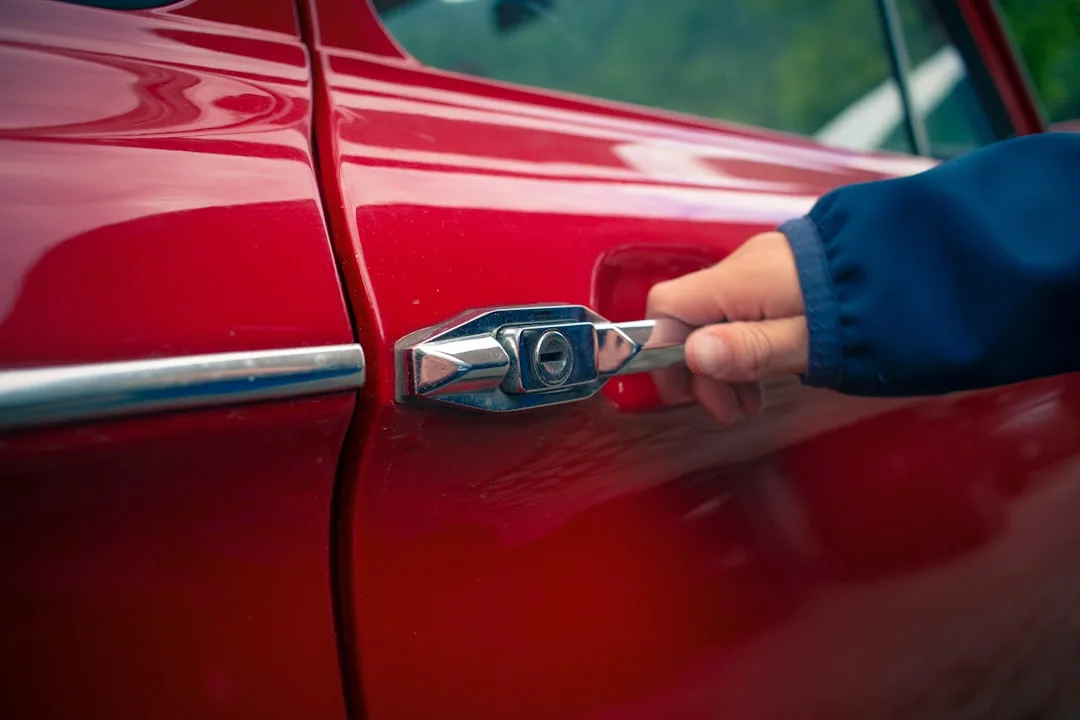
Smart door lock systems are reshaping how owners secure and access their vehicles, moving beyond traditional keys to biometric and app-based authentication. This shift reflects a broader demand for integrated vehicle security that works seamlessly with daily digital life.
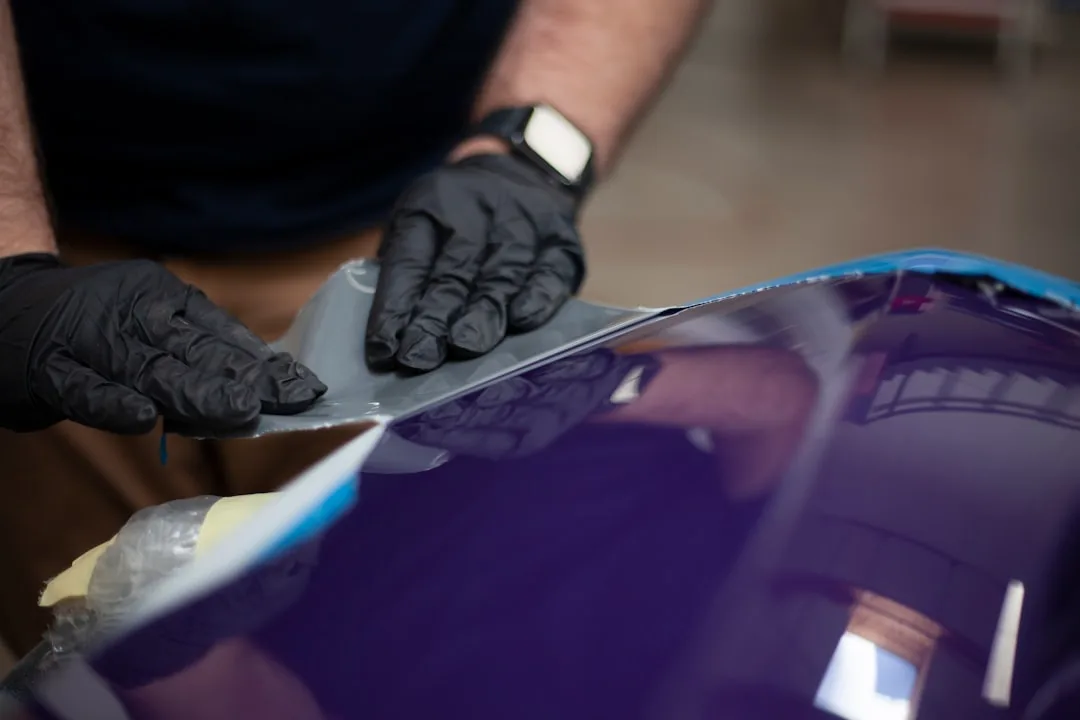
Paint protection film has shifted from a luxury aftermarket option to a practical investment that preserves vehicle finish against daily road damage. By September 2026, owners across all price tiers recognize it as a cost-effective alternative to frequent repainting.
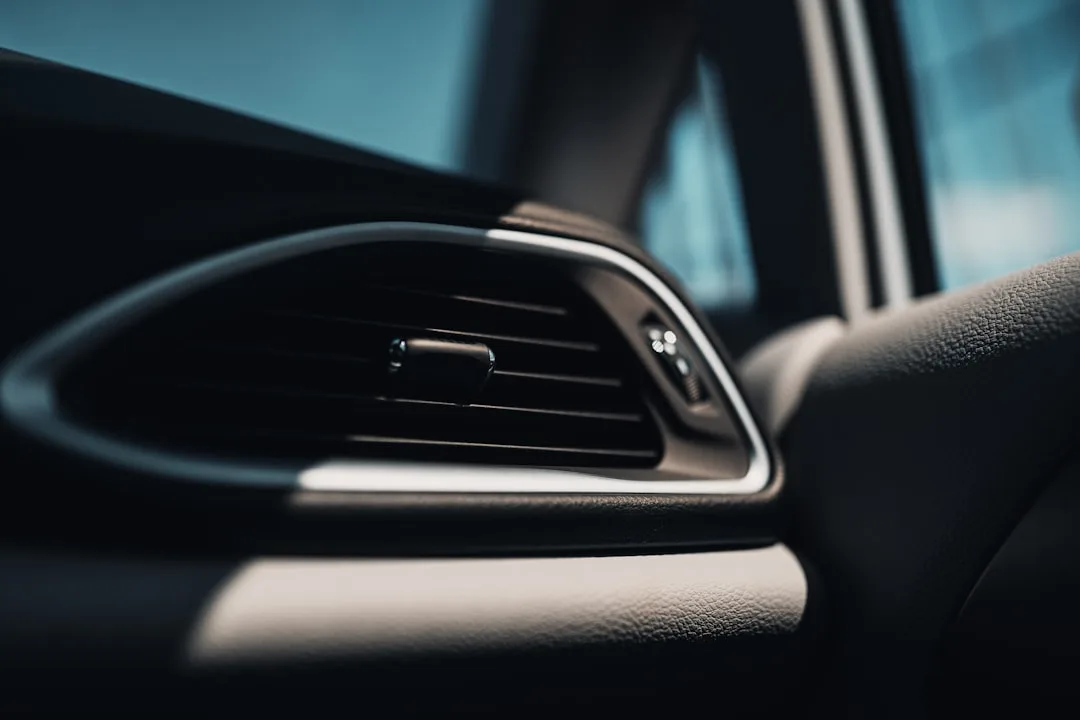
Vehicle air purification systems have moved from luxury add-on to purchase-deciding feature in 2026. Buyers now evaluate air quality technology as critically as fuel efficiency, driven by post-pandemic health awareness and measurable air quality data.
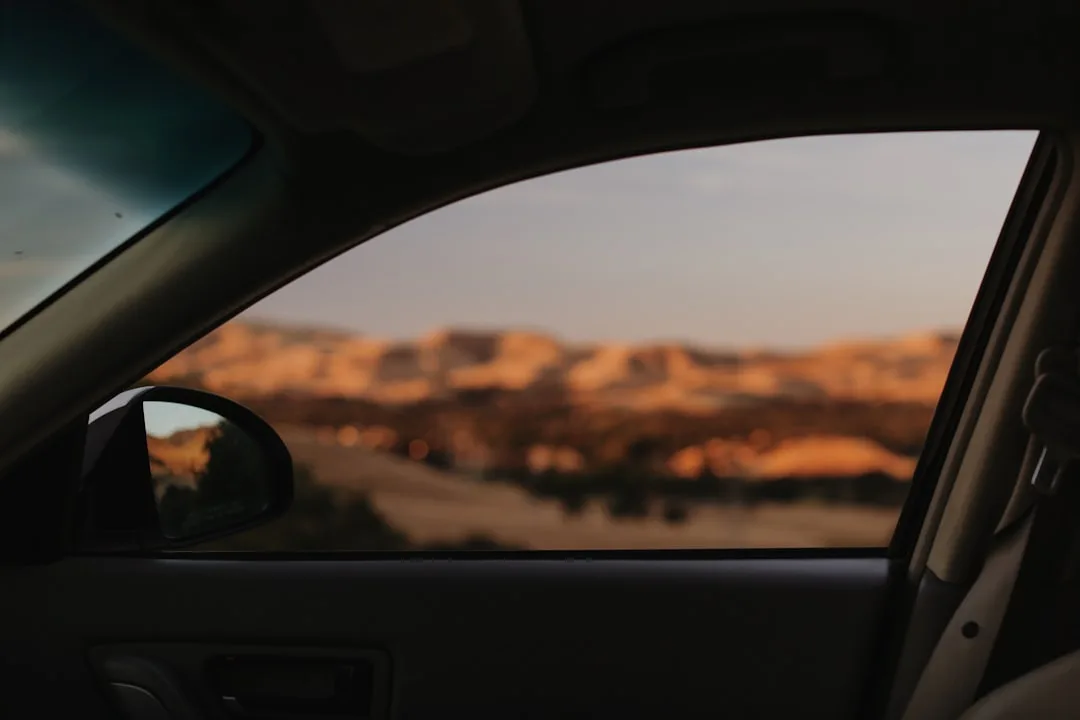
Professional vehicle window tinting has moved beyond dark aesthetics into legitimate climate control and health protection territory. As summer heat peaks and UV awareness rises, owners are investing in ceramic and hybrid films that reduce cabin temperatures while preserving visibility and resale value.
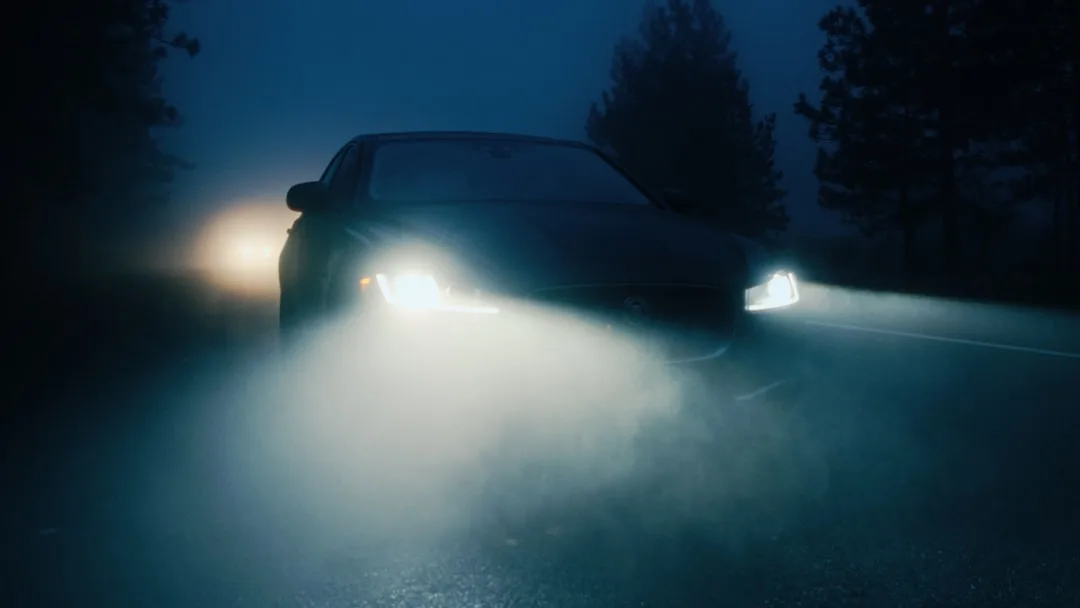
Adaptive headlight technology has moved from luxury feature to mainstream safety standard in 2026, with systems that automatically adjust beam intensity and direction based on road conditions, speed, and steering angle. This shift is reshaping how buyers evaluate vehicle safety and nighttime visibility.