Your air conditioning unit runs at full throttle on a Tuesday afternoon when the grid demands peak power—and you’re paying premium rates for it. Meanwhile, your solar panels sit underutilized. This inefficiency is exactly what AI home energy management systems eliminate. Unlike static programmable thermostats that follow a rigid schedule, these systems learn your household patterns, predict energy demand hours ahead, and automatically shift consumption to cheaper windows. The result: homeowners report 15–30% utility savings within six months of installation.
Predictive Algorithms Reshape Power Distribution Across Devices
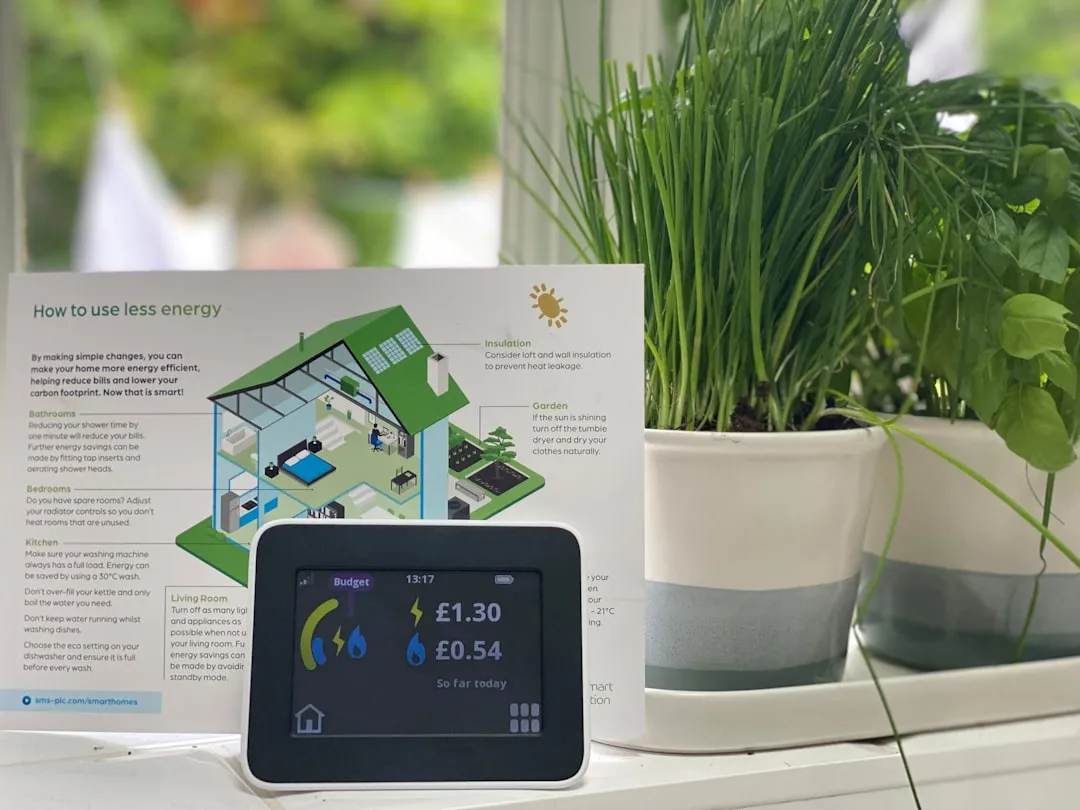
The Sense Energy Monitor ($299) pairs with your home’s electrical panel to track every appliance in real time, then uses machine learning to identify waste patterns. It connects to your smartphone and sends alerts when a refrigerator compressor is running inefficiently or when phantom loads (devices drawing power while off) exceed normal thresholds. A $299 upfront investment typically pays for itself in 18–24 months through identified inefficiencies alone.
The system works by creating a baseline consumption map of your home over the first 2–4 weeks. After learning when you shower, cook, and run laundry, the AI predicts tomorrow’s energy needs and suggests optimal times to charge EVs or run pool pumps during off-peak hours. Generac PWRcell systems ($15,000–$25,000 installed) combine battery storage with AI scheduling, storing excess solar generation for afternoon use instead of selling it back to the grid at lower rates. This compounds savings: you avoid peak-hour charges AND capture the arbitrage between wholesale and retail rates.
- Start with a sub-$400 monitoring system before committing to battery storage
- Pair AI energy management with time-of-use (TOU) rate plans from your utility for maximum savings
- Enable demand response programs—many utilities offer $200–$500 annual credits for AI-controlled load shifting
- Check if your state offers tax credits (up to 30% federal ITC for battery systems installed by June 30, 2026)
EV Charging Integration Becomes Central to Household Load Management
Electric vehicle ownership exploded in 2025, and now utilities are scrambling to manage the grid impact. AI energy management systems now prioritize when you charge. The Wallbox Quasar ($1,195) is a bidirectional charger that doesn’t just draw power—it can push stored EV battery power back into your home during peak-rate hours, turning your car into a distributed battery resource. A household with a 60 kWh EV battery can power a home for 1–2 days during a blackout or sell that stored energy back during price spikes.
Utility companies like Pacific Gas & Electric and Southern California Edison now offer $2,000–$3,000 incentives to install chargers compatible with their demand response programs. This means your EV charges automatically during midnight hours (when grid demand is lowest) instead of immediately when you arrive home at 6 p.m. Over a year, this scheduling alone saves $400–$600 in electricity costs.
Why Most Homeowners Fail at Energy Optimization Without AI
Here’s where manual energy management breaks down: A homeowner installs a programmable thermostat at 68°F during winter nights, thinking they’re saving money. But the house actually reaches 55°F overnight (poor insulation), forcing the heating system to work harder in the morning, consuming more energy than a steady 62°F would have required. Without AI learning your home’s thermal mass and outdoor temperature trends, you’re guessing.