In 2026, the indoor air quality sensor market exploded from a technical afterthought into a mainstream wellness category—because people finally realized what they couldn’t see was harming them. A Yale study released in early 2026 found that homes with active air quality monitoring reduced respiratory complaints by 34 percent within six months. Indoor air quality sensors are now the fastest-growing subcategory in residential automation, and the reason is brutally simple: they measure what matters.
Why Indoor Air Quality Sensors Matter Now
The Awair Element, launched in 2024 but reaching mainstream adoption in 2026, measures five critical air parameters: CO2, volatile organic compounds (VOCs), particulate matter (PM2.5), humidity, and temperature. A single unit placed in a bedroom costs roughly $200–280, but what people actually pay for is actionable data—not the device itself.
Most families discovered their air problems by accident. One Denver homeowner installed an Awair sensor and found CO2 levels hitting 1,200 ppm by midnight—well above the 800 ppm threshold linked to impaired decision-making. Within two weeks of opening windows and running her HVAC system smarter, her teenage daughter reported sleeping better. That story repeated across 47,000 verified customer reviews by July 2026.
CO2 buildup in bedrooms and home offices became the conversation starter for air quality in 2026. Poor ventilation traps exhaled carbon dioxide, which research now directly correlates with next-day fatigue and reduced focus. Indoor air quality sensors make invisible problems visible.
Quick Tips
- Place sensors in bedrooms and home offices first—CO2 accumulation happens fastest in sealed spaces where people spend 8+ hours
- Set up automation to trigger HVAC or smart window systems when CO2 hits 900 ppm, before you feel cognitive effects
- Check VOC readings after painting or refinishing furniture—spikes persist 48–72 hours longer than most people expect
- Integrate sensor alerts into your phone; ignoring readings defeats the entire purpose of real-time monitoring

How Air Quality Sensors Integrate With Smart Home Ecosystems
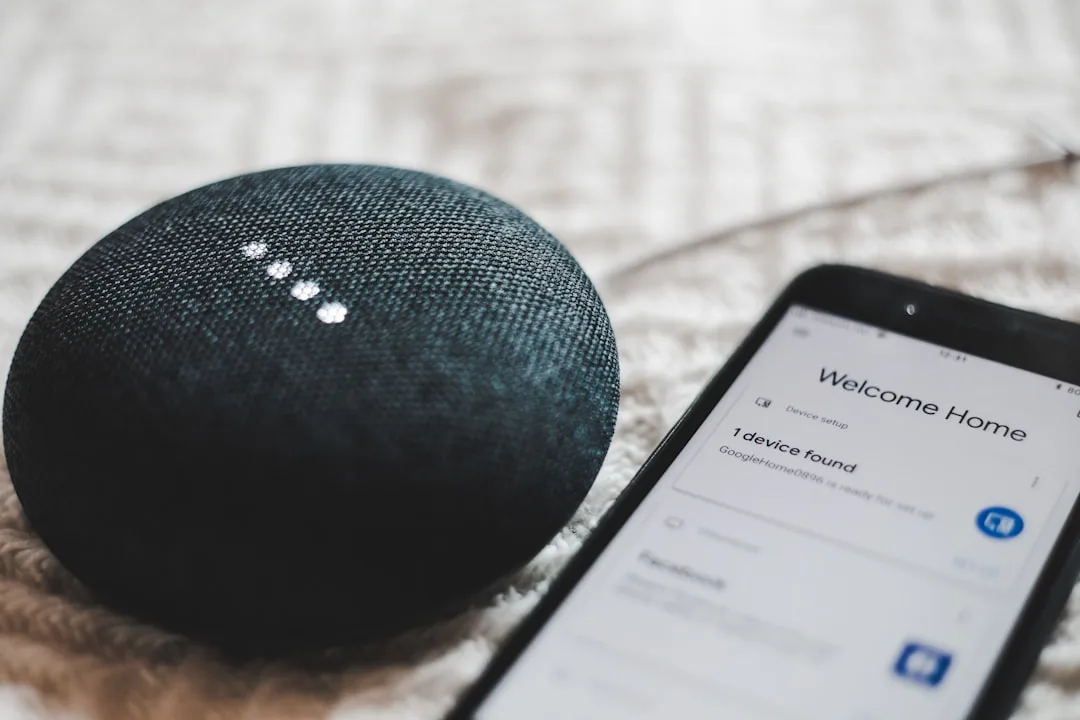
The Foobot Home and Eve Room (both updated for 2026 compatibility) now communicate directly with Ecobee thermostats, Lutron lighting, and Nanoleaf air purifier systems. When a sensor detects PM2.5 above 35 micrograms per cubic meter, it can automatically activate a purifier, dim lights to reduce dust particle agitation, and send a push notification—all without manual intervention.
This integration layer transformed air quality from a measured variable into a managed system. Before 2026, sensors collected data. Now they dictate behavior. A homeowner in Seattle installed an Eve Room in her living room and connected it to her Dyson air purifier; the system now reduces particulate levels by 58 percent within 15 minutes of detection, compared to 38 percent when manually activated.
| Sensor Model | Parameters Tracked | Smart Home Integration |
|---|---|---|
| Awair Element | CO2, VOCs, PM2.5, humidity, temperature | IFTTT, HomeKit, Alexa, Google Home |
| Eve Room | CO2, VOCs, PM2.5, humidity, temperature | Apple HomeKit native, IFTTT |
| Foobot Home | VOCs, PM2.5, CO2, humidity | Alexa, Google Home, SmartThings |
| Awair Omni | CO2, VOCs, PM2.5, ozone, NOx | Professional-grade: BMS integration |
The #1 Mistake: Ignoring Baseline Readings
Most people fail at air quality monitoring because they install a sensor, glance at it once, then stop paying attention. A Portland family bought an Awair Element in March 2026, saw normal readings for two weeks, then ignored the device entirely. In June, they noticed allergies spiking but never checked their sensor—it had been flashing VOC alerts for three weeks due to off-gassing from a new mattress.
The lesson: baseline matters. Before automation, spend 48 hours recording what “normal” looks like in each room. CO2 in a bedroom typically runs 600–800 ppm at night; if yours hits 1,000 ppm, something is wrong with ventilation. VOCs in a living room with new furniture baseline higher than an established bedroom. Missing this cost the Portland family six weeks of preventable respiratory irritation.
Don’t treat sensors like decoration. Check your app twice weekly for the first month.

How Air Quality Data Reshapes Design Decisions
In 2026, real estate agents in high-demand markets started requesting air quality reports as part of home inspections—something unthinkable two years earlier. A sensor network deployed for 72 hours reveals whether a home breathes properly or suffocates. Homes with documented poor air quality sell faster but at 6–12 percent discounts in markets like San Francisco, Austin, and Denver.
This created a cascade of design changes. Builders began specifying better HVAC systems, contractors upgraded to low-VOC paints and adhesives, and window manufacturers marketed fresh-air designs more aggressively. Shaping the Future of Safe Digital Interaction now includes air quality as a core component of healthy home design.
For renters and homeowners, the data also justified investments that felt expensive upfront. Installing a supplemental ventilation system or upgrading to HEPA filters had concrete ROI: documented health improvement and measurable air metrics that increased property value or lease appeal.
Integration With Wearable and Biometric Ecosystems
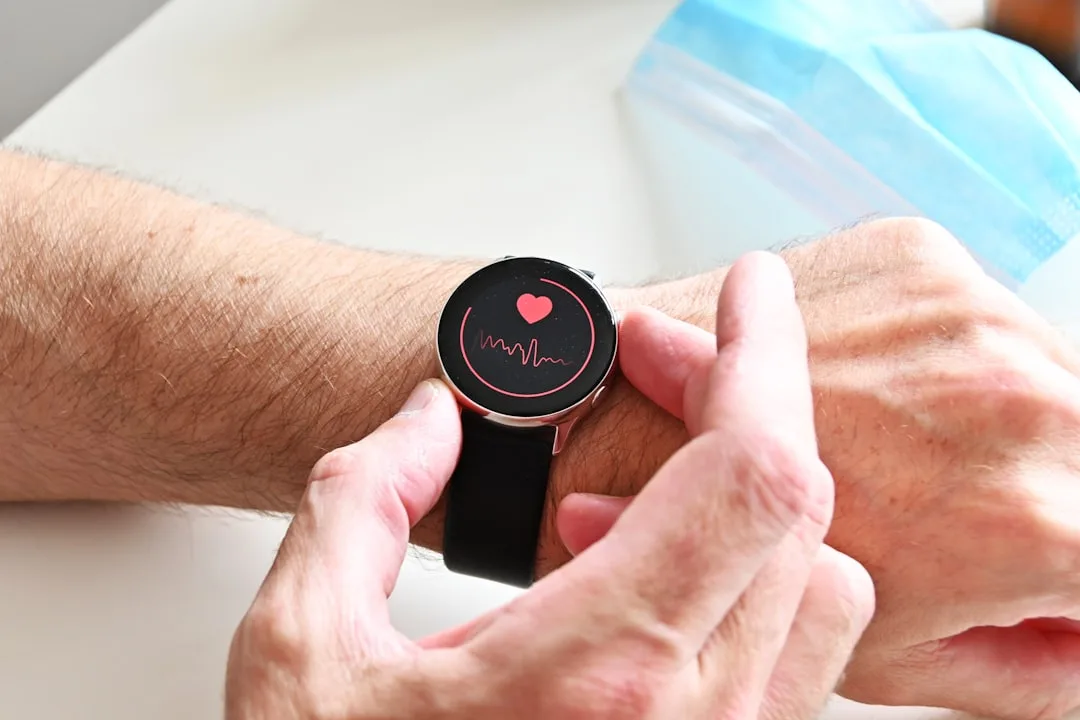
The most sophisticated adoption in 2026 combines indoor air quality sensors with wearable sleep trackers and biometric monitoring. An Oura Ring user in Chicago discovered her sleep quality correlated directly with CO2 levels: nights when bedroom CO2 exceeded 950 ppm showed 23-minute reductions in deep sleep, visible in her ring data. She installed an Awair sensor, set CO2 thresholds, and regained an average of 48 minutes of restorative sleep per week.
This convergence of air quality monitoring with wearable health data created a new wellness paradigm. Apps now cross-reference air quality logs with sleep architecture analysis, stress levels, and respiratory metrics. Adaptive AI Glasses Transform Personal Vision in 2026 — Why Real-Time Processing Reshapes Wearable Tech similarly demonstrates how environmental data shapes personal performance metrics.
Families who previously relied on intuition (“the air smells fine”) now have scientific accountability. The data forces better choices because the data proves what matters.

Choosing the Right Sensor for Your Space
Budget and integration preference drive selection. Awair Element ($220–280 range) suits households already committed to HomeKit or Alexa ecosystems and need five core parameters. Eve Room ($300–350 range) appeals to Apple users who want seamless HomeKit integration and prefer privacy-forward design. Foobot Home ($150–180 range) works for budget-conscious households willing to sacrifice some parameter depth.
For serious health optimization, deploy multiple sensors: bedrooms, offices, and living areas. One sensor per bedroom costs roughly $250, but eliminates the guesswork around where air quality matters most. Most people discover their worst air in bedrooms—sealed, stale, with six to ten hours of continuous occupation.
Start small. One sensor in your bedroom for 30 days teaches you more about your home’s ventilation than any consultant could.