Salons across North America reported a 340% increase in wolf cut requests between June and August 2026. The wolf cut hairstyle combines the nostalgia of 1970s shags with modern pixie precision, creating a hybrid that delivers both volume and edge without committing to ultra-short hair. What started as a niche barbershop trend in spring has become the dominant mid-length strategy for fall.
Why Wolf Cut Hairstyle Owners Skip the Flat Bob
The textured wolf cut hairstyle works because it attacks the core problem bobs create: flatness at the crown. A traditional blunt bob sits heavy and still, trapping movement. The wolf cut layers aggressively from the crown down, creating lift that lasts through a full workday.
Redken stylists report that clients requesting this cut specifically mention dissatisfaction with the polished bob look dominating 2024–2025. The wolf cut reintroduces chaos—but controlled chaos.
This shift reflects a broader cultural move away from minimalism toward texture. Flat surfaces feel corporate. Texture feels human.
Quick Tips

How the Wolf Cut Differs From the Shag
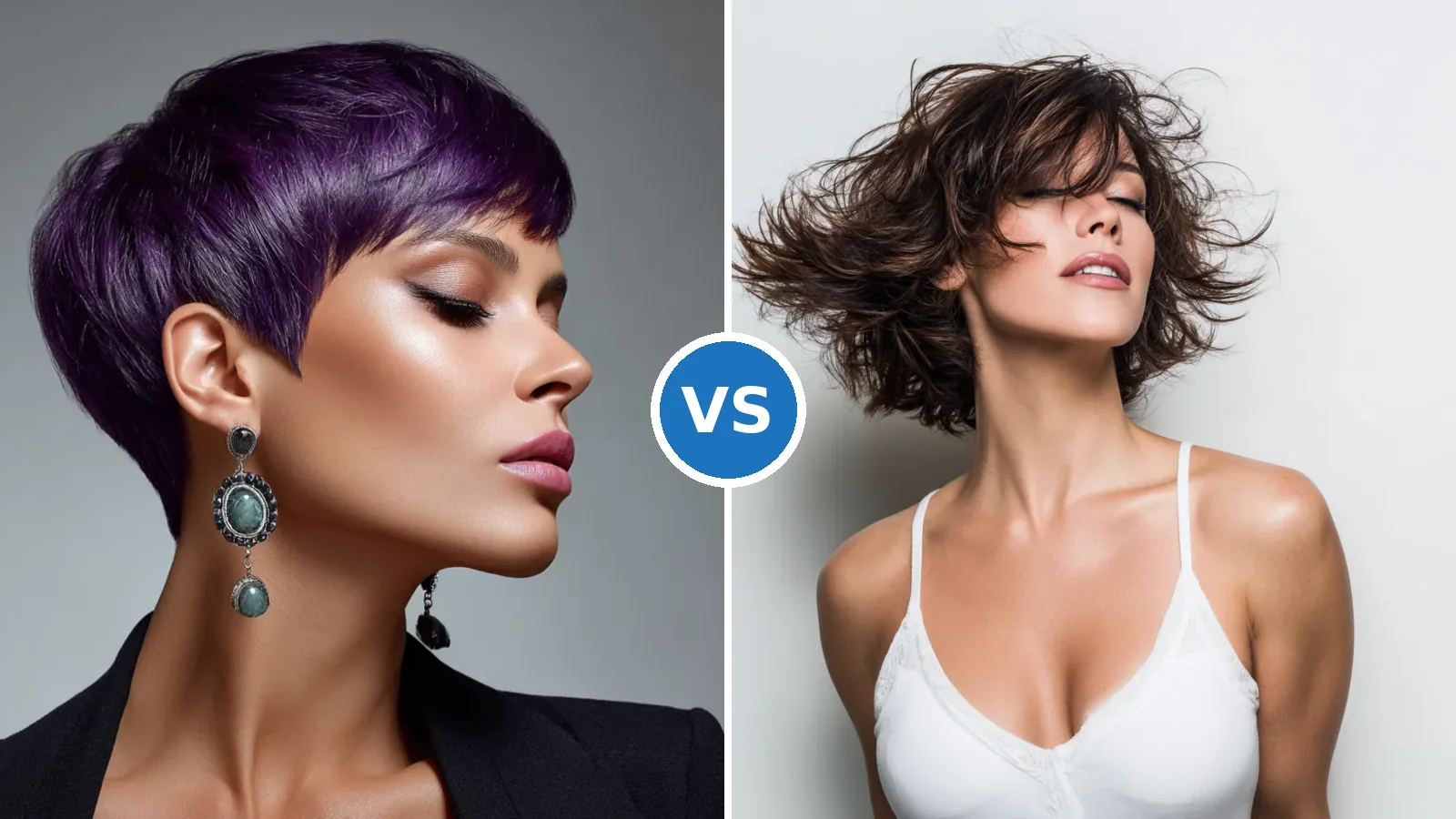
The wolf cut and shag share ancestral DNA, but they’re distinct cuts requiring different maintenance philosophies. A shag emphasizes choppy, feathered layers throughout—think 1970s rock aesthetic meeting modern ease. The wolf cut, by contrast, reserves its drama for strategic placement: dense at the crown, tapered at the sides, then re-volumized at the ends.
Stylists explain the difference this way: a shag works with movement and lives in motion. A wolf cut works against gravity. The crown layers are cut at steep angles to lift upward, while shag layers sit closer to the head and rely on styling product and blow-dry technique to achieve lift. Wolf cuts demand precision angling; shags forgive inconsistency.
For anyone considering a textured cut, the choice hinges on daily styling tolerance. A wolf cut holder needs 10–15 minutes with a blow dryer and volumizing mousse most mornings. A shag can survive a messy bun and bedhead, then recover with a quick tousle and texture spray.
Styling and Maintenance Routines
The wolf cut requires intentional styling to unlock its potential. Begin with damp hair and a volumizing mousse applied to the roots—this is non-negotiable for the crown effect. Blow-dry against the direction of the layers at the crown, letting the dryer lift strands upward and outward. Use a round brush at the mid-lengths to add curve and control the shape.
Between washes, dry shampoo becomes essential. Reapply it to the crown and roots every 2–3 days to maintain lift and absorb oil that would flatten layers. Unlike sleek bobs that read as intentionally polished when greasy, wolf cuts appear neglected without texture maintenance. The cut lives or dies by product consistency.
Trims should happen every 6–8 weeks to preserve the layer structure. Growth elongates the overall cut without reshaping the taper, which means layers eventually collapse into a shapeless mullet if left unattended. Regular trims preserve the architectural integrity that separates a wolf cut from simply having bad layers.

Face Shapes and Wolf Cut Compatibility
Not all face shapes wear the wolf cut equally. Round and square faces benefit most from the cut’s ability to add vertical lift and create angles—the crown height counteracts width at the cheekbones and jawline. Oval faces wear it effortlessly; the cut complements already-balanced proportions. Heart-shaped faces also suit it, as the fuller ends can add weight to the lower face.
Rectangular and long face shapes should proceed with caution. The crown volume can exaggerate length, requiring stylists to adjust proportions—perhaps keeping the crown less aggressive or adding more texture at the sides to create horizontal interest. Those with prominent foreheads may want to ask their stylist about a subtle side-swept front rather than fully exposed crown layers.
The texture and movement of a wolf cut can also counterbalance fine or thin hair; the layering creates the illusion of density even when hair is naturally sparse. Conversely, thick, curly hair requires a stylist skilled in cutting curly textures—regular wolf cut techniques can look disorganized in curl patterns without proper angle and weight distribution.
Wolf Cut vs Modern Alternatives
The modern styling landscape offers several textured competitors to the wolf cut: the razor shag, the choppy lob, and the undone pixie. Each serves different aesthetic and lifestyle needs. For those seeking 10+ Trendy Short Black Hairstyles for a Bold Look, the wolf cut adapts well to darker hair, where layers create visible dimension and movement.
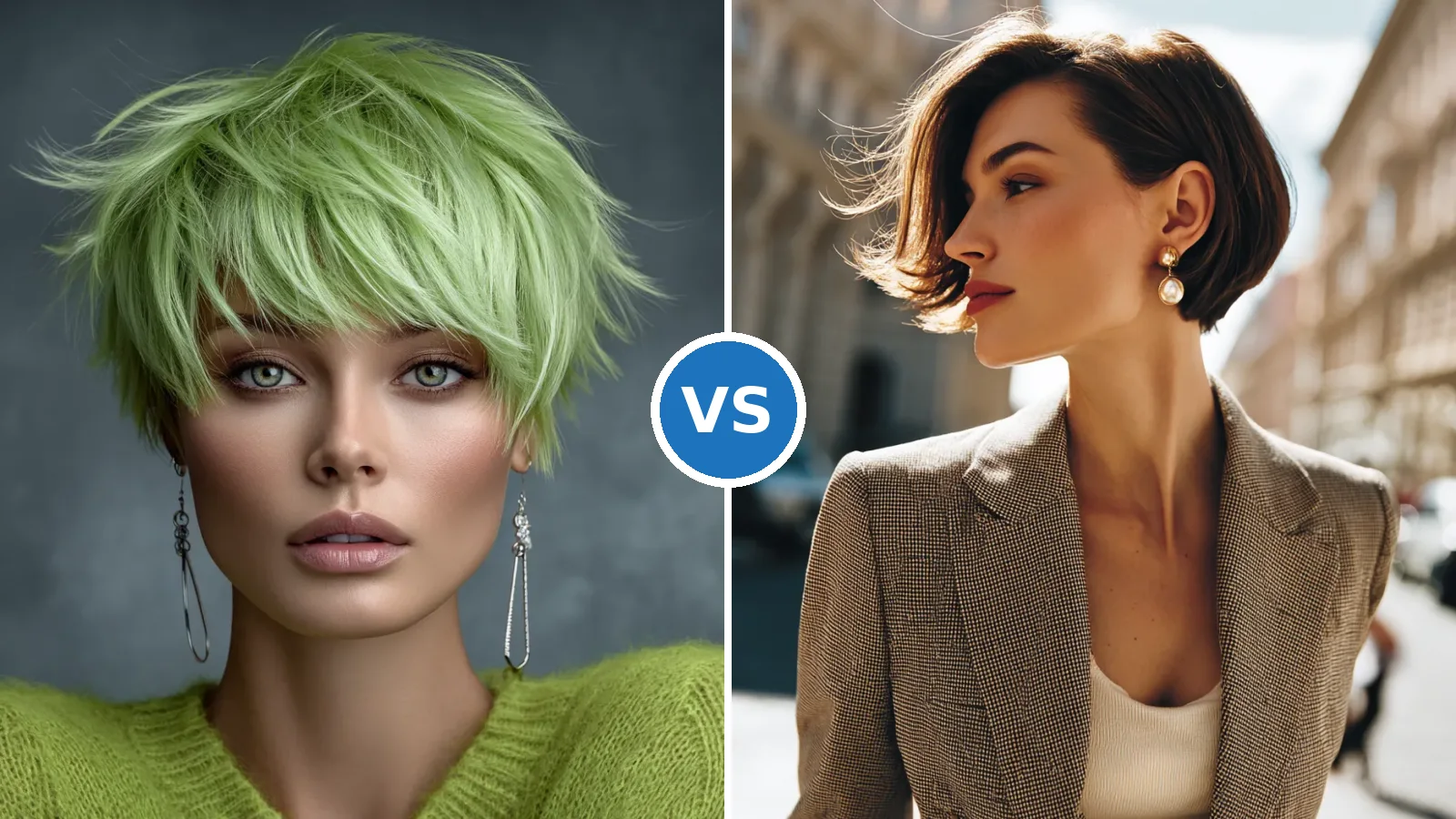
The key distinction: a wolf cut prioritizes structure over nonchalance. Razor shags prioritize movement and undone texture. Choppy lobs split the difference but live at shoulder length, whereas wolf cuts work best chin-length or shorter. The undone pixie demands minimal styling but sacrifices the volume control that appeals to wolf cut devotees.
If you prefer a cut that bridges precision and texture—one that photographs well styled but also tolerates a relaxed moment—the wolf cut competes closely with Short Black Hairstyles: 11 Cuts That Hold Shape All Day. Both prioritize shape retention and work with natural hair movement rather than against it.
The choice ultimately reflects personality. Wolf cuts appeal to people who enjoy daily styling rituals and want a cut that transforms with product and technique. They suit those who view their hair as an accessory—changeable, deliberate, responsive to intention.