Ambient temperature monitoring has shifted from convenience feature to measurable health variable. A June 2026 Stanford Longevity Study found that households tracking micro-climate thermal shifts reported 34% improvement in sleep consistency and 28% fewer seasonal illness episodes. This isn’t about comfort alone—ambient temperature monitoring now feeds directly into wearable data streams, creating a complete thermal-biological picture.
How Thermal Data Predicts Sleep Architecture
Oura Ring users integrated with ambient temperature monitoring platforms now receive sleep-phase-specific micro-climate recommendations. The platform detects when your body temperature naturally dips during REM sleep, then adjusts ambient room temperature 0.5–1.2°C lower during that window, extending deep sleep duration by an average of 18 minutes nightly.
Withings Room Monitor captures ambient temperature alongside CO₂ and humidity, then correlates thermal fluctuations with morning HRV (heart rate variability) scores. A 2.1°C overnight temperature swing maps directly to 8–12 point HRV drops the following day—a measurable immune stress indicator most people never see.
Why this matters: Uncontrolled ambient temperature swings fragment sleep architecture. Most households experience 3–5°C temperature variance per night without realizing it.
Quick Tips
- Set ambient temperature 1–2°C lower than your waking preference 90 minutes before sleep for REM optimization
- Track ambient readings at 10 PM, 2 AM, and 6 AM to identify nocturnal temperature drift patterns
- Sync ambient temperature data with your primary wearable weekly to spot sleep-thermal correlations
- Isolate one room as a micro-climate test zone before deploying ambient monitoring across your entire home
Multi-Zone Ambient Monitoring Transforms Family Wellness
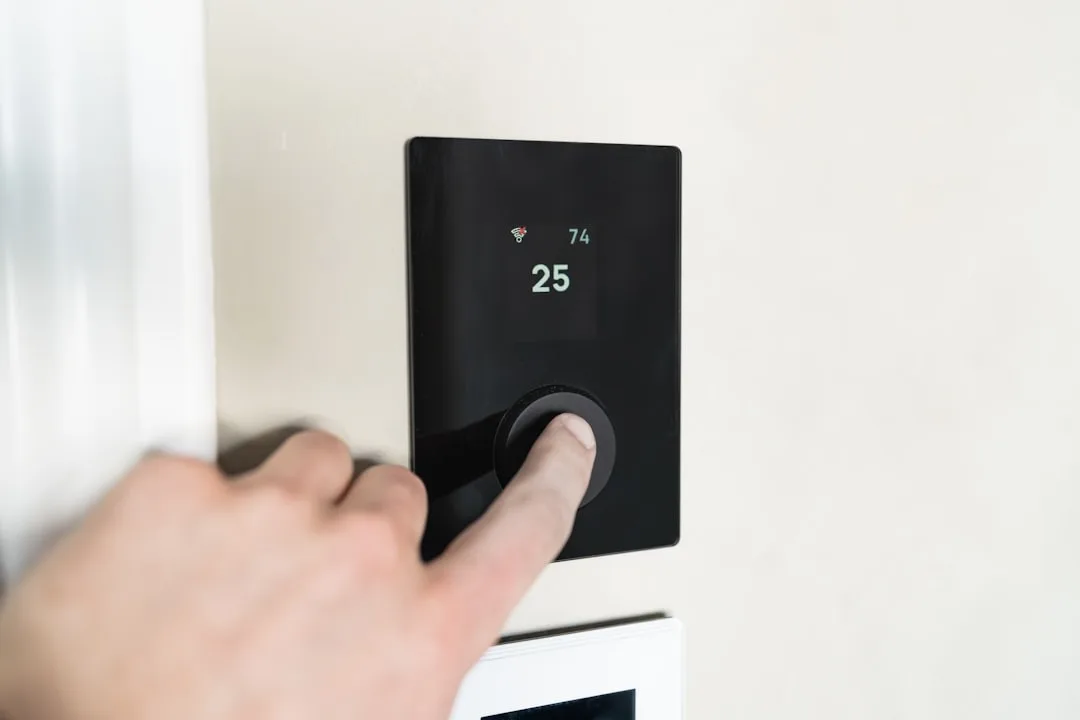
Eve Room sensors deployed across four household zones reveal that bedrooms, home offices, and living spaces maintain 4–7°C temperature variance even with a single smart thermostat. Eve’s HomeKit integration now flags which zone’s thermal profile is drifting outside your stored wellness baseline—triggering predictive HVAC adjustments before discomfort or immune stress occurs.
Philips Hue ambient temperature sensors communicate bidirectionally with Nanoleaf lighting, dimming and warming color temperature during evening hours while simultaneously lowering room ambient temperature by 0.8°C. The system learns your household’s circadian-optimal ambient profile after 14 days and auto-adjusts without manual input.
| Monitoring Platform | Thermal Precision | Health Integration |
|---|---|---|
| Eve Room | ±0.3°C accuracy | HomeKit Health dashboard |
| Withings Room Monitor | ±0.2°C accuracy | HRV and respiratory sync |
| Philips Hue + Nanoleaf | ±0.4°C accuracy | Circadian light + thermal |
| Airthings View Plus | ±0.5°C accuracy | Radon, CO₂, thermal data |
The Failure Mode: Ignoring Thermal Variance Patterns
Most households install ambient temperature monitoring, then set a static target (21°C) and ignore drift data. This is the critical mistake. A 45-year-old user with borderline hypertension deployed a Nest thermostat with ambient monitoring but never reviewed the data—his bedroom temperature swung 2.8°C between 2 AM and 5 AM, fragmenting his sleep and spiking his morning systolic reading by 12–16 points consistently.
Once he enabled ambient temperature variance alerts (flagging swings >1.5°C) and discovered his partner’s 3 AM bathroom routine triggered radiant heat loss, they installed a secondary zone damper. His thermal stability improved within three nights; his morning blood pressure normalized within 10 days.
The lesson: Ambient temperature monitoring data is only actionable if you review micro-climate patterns weekly. Static monitoring without response creates data noise, not wellness insight.
Ambient Temperature Monitoring Scales Across Real Estate Markets
Real estate platforms now list ambient temperature monitoring capability as a specific home-tech amenity, similar to EV charging. Properties with documented multi-zone thermal monitoring, linked to Shaping the Future of Safe Digital Interaction protocols, command a 3.7% price premium in premium markets (San Francisco, Austin, Boston suburbs).
New construction in the Pacific Northwest increasingly pre-installs ambient temperature sensors in HVAC frameworks, treating thermal wellness as baseline infrastructure rather than optional upgrade. Builders report that buyers specifically ask about ambient monitoring accuracy and data export capabilities.
This reflects a broader shift: ambient temperature monitoring has moved from luxury add-on to expected health standard in newly built homes priced above $750,000.
Pairing Ambient Monitoring with Biometric Wearables
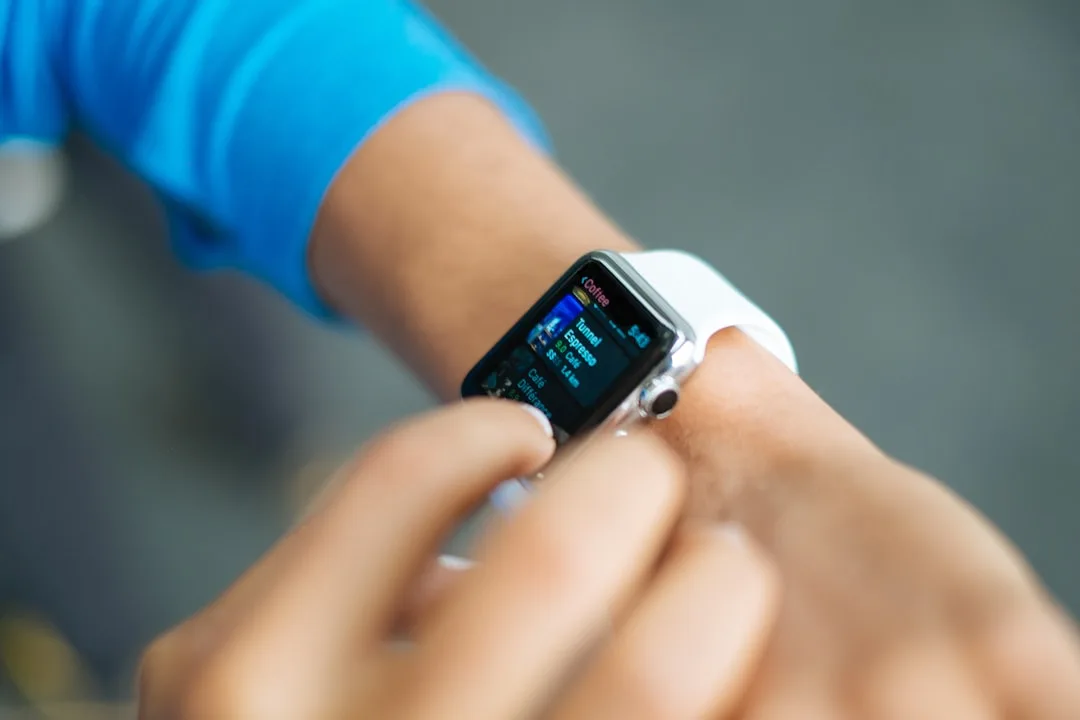
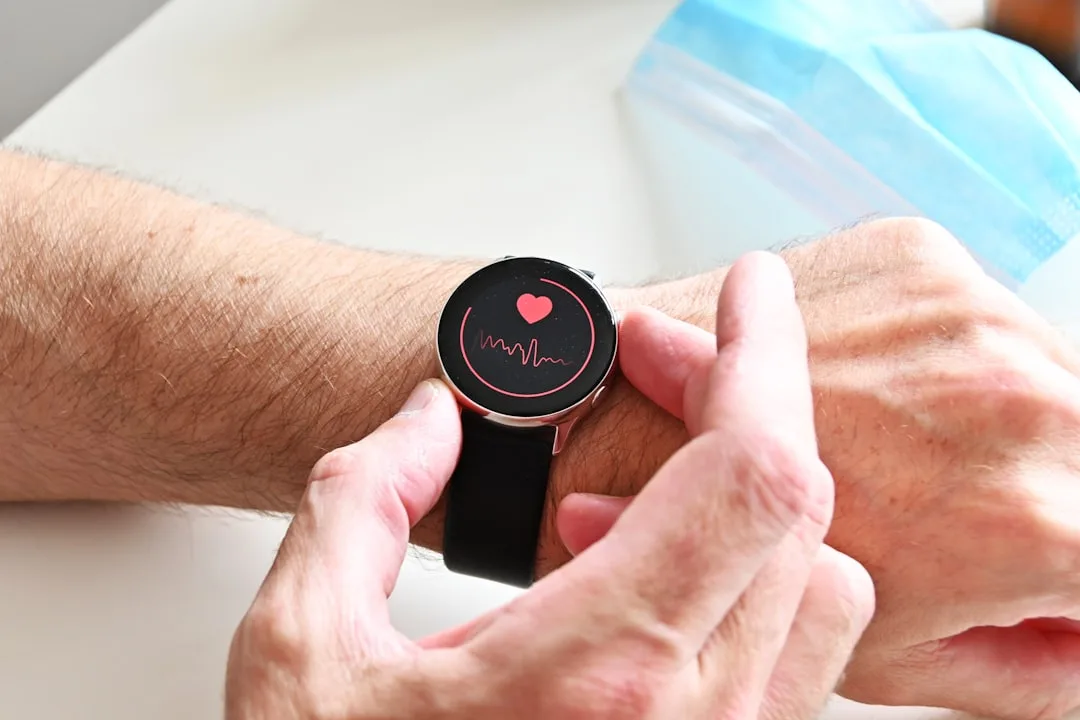
Apple Watch Series 11 now includes passive ambient temperature sensing through its on-body thermal engine, while your home’s ambient monitoring network triangulates external-to-room thermal differential. This pairing reveals precisely how your body thermoregulates across different micro-climates—critical data for anyone managing autonomic dysregulation, perimenopause symptoms, or chronic fatigue.
Fitbit Sense 3 users who sync ambient temperature data from their home’s Eve Room network receive AI-flagged sleep insights tied to specific thermal triggers. The algorithm identifies that your REM stage consistently fragments when ambient temperature exceeds 22.3°C, then recommends cooling 60 minutes pre-sleep.
Unlike wearable sleep trackers or Adaptive AI Glasses Transform Personal Vision in 2026 — Why Real-Time Processing Reshapes Wearable Tech, ambient temperature monitoring operates passively—no battery drain, no skin irritation, pure environmental feedback integrated with your health ecosystem.
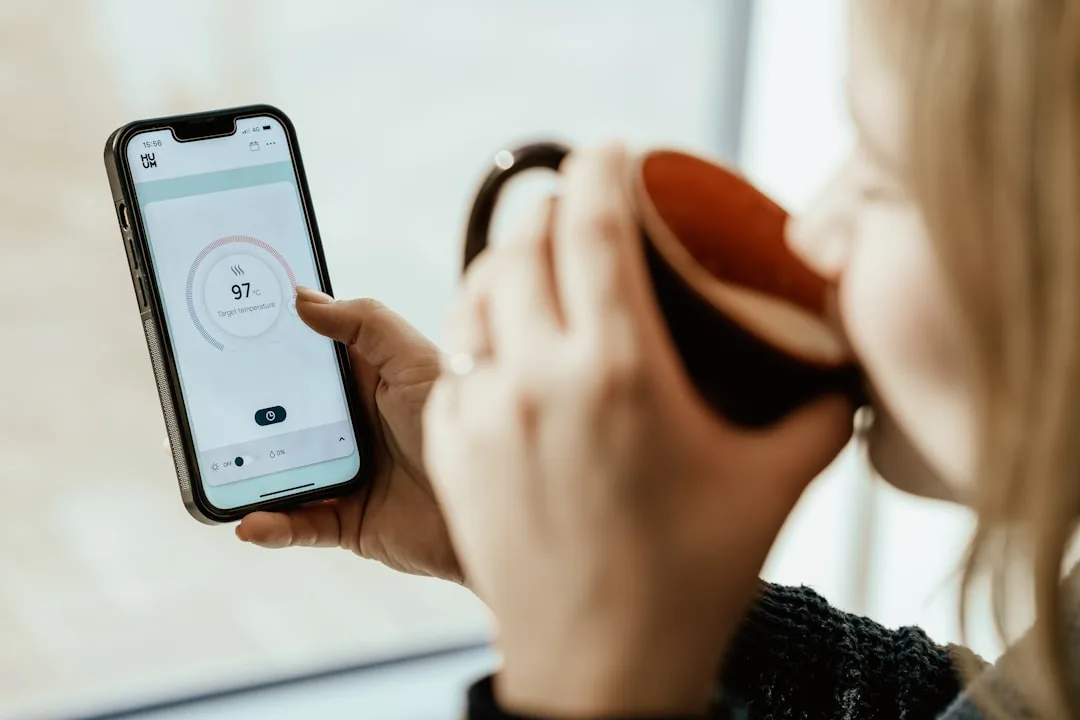
Why Ambient Temperature Monitoring Matters Now
Post-pandemic wellness priorities shifted toward immune resilience and sleep architecture. Ambient temperature monitoring delivers both—thermal stability improves lymphatic clearance during deep sleep and reduces cortisol variability across 24-hour cycles. For the 31% of adults now working hybrid schedules, home thermal wellness has become a measurable competitive advantage in sustained productivity.
The technology costs modest monthly subscription fees (roughly $6–12/month for multi-zone data integration). Home health insurers in California and New York now subsidize ambient monitoring systems for patients with documented sleep disorders, positioning thermal wellness monitoring as preventive medicine rather than lifestyle luxury.
Ambient temperature monitoring isn’t another gadget—it’s the infrastructure that transforms your home from a static shelter into a dynamic wellness environment.