Your attic loses heat three times faster than your basement on a winter night. That single fact explains why attic insulation upgrades have become the dominant home improvement trend in July 2026—homeowners are finally waking up to the $1,200–$2,400 annual energy waste sitting above their heads, sealed by nothing but outdated batts and gaps.
Why Attic Insulation Matters More Now Than Ever
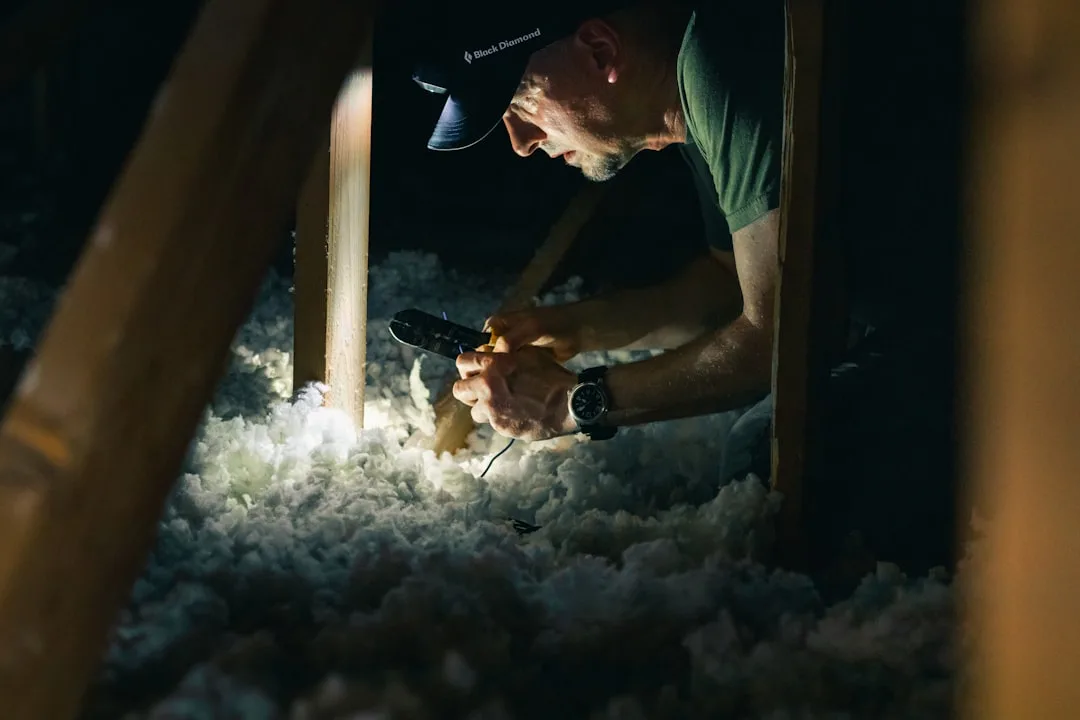
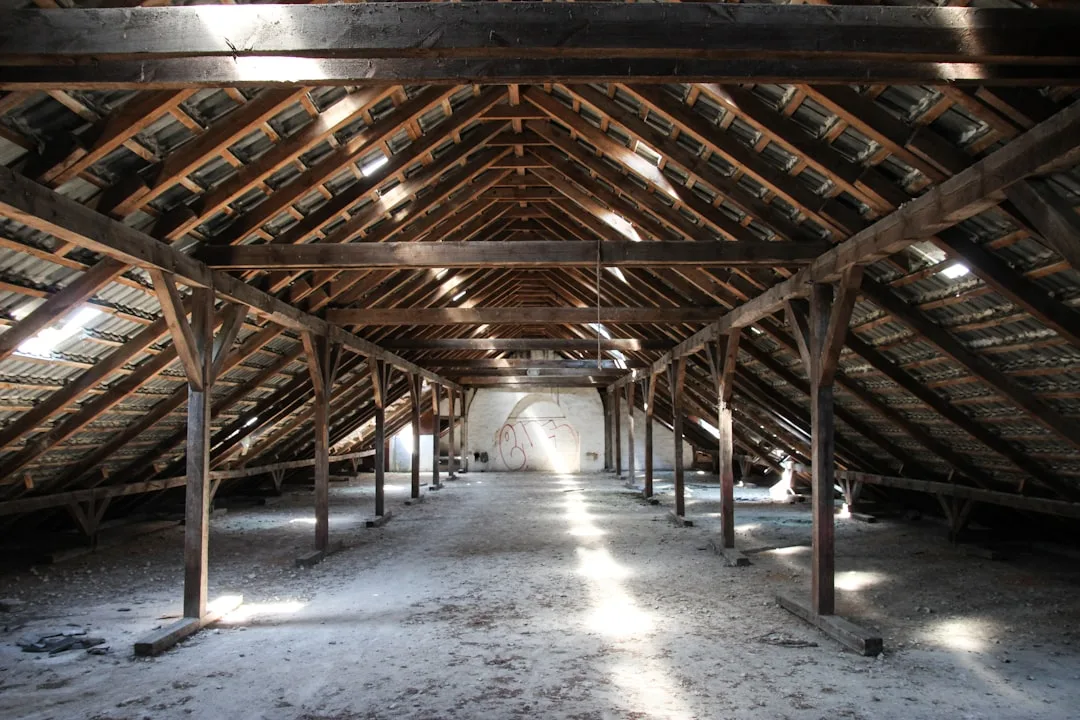
The U.S. Department of Energy confirmed in early 2026 that 90% of homes built before 2005 lack adequate attic insulation for modern climate zones. A single attic inspection reveals the problem: visible rafter beams, fiberglass settling into clumps, and zero air sealing around electrical penetrations.
Energy bills have climbed 18% in the past two years, forcing homeowners to choose between comfort and expense. Attic insulation upgrades directly compete with that trade-off by addressing the root cause—heat transfer at the building envelope’s weakest point.
The return-on-investment window is also tightening. Federal tax credits for insulation upgrades drop to 26% in 2027, pushing the decision forward into summer 2026 for maximum incentive capture.
Quick Tips
- Schedule insulation inspection during late June to beat July contractor backlogs by 3–4 weeks.
- Combine air sealing (caulk, spray foam) with new insulation—insulation alone stops only 30% of heat transfer if air leaks persist.
- Use thermal imaging to identify cold spots before contractor arrival; show images to verify bid scope.
- Request R-value certification from installer; fake receipts inflate claimed performance but don’t improve actual energy savings.
Spray Foam Versus Cellulose Dominates Material Selection
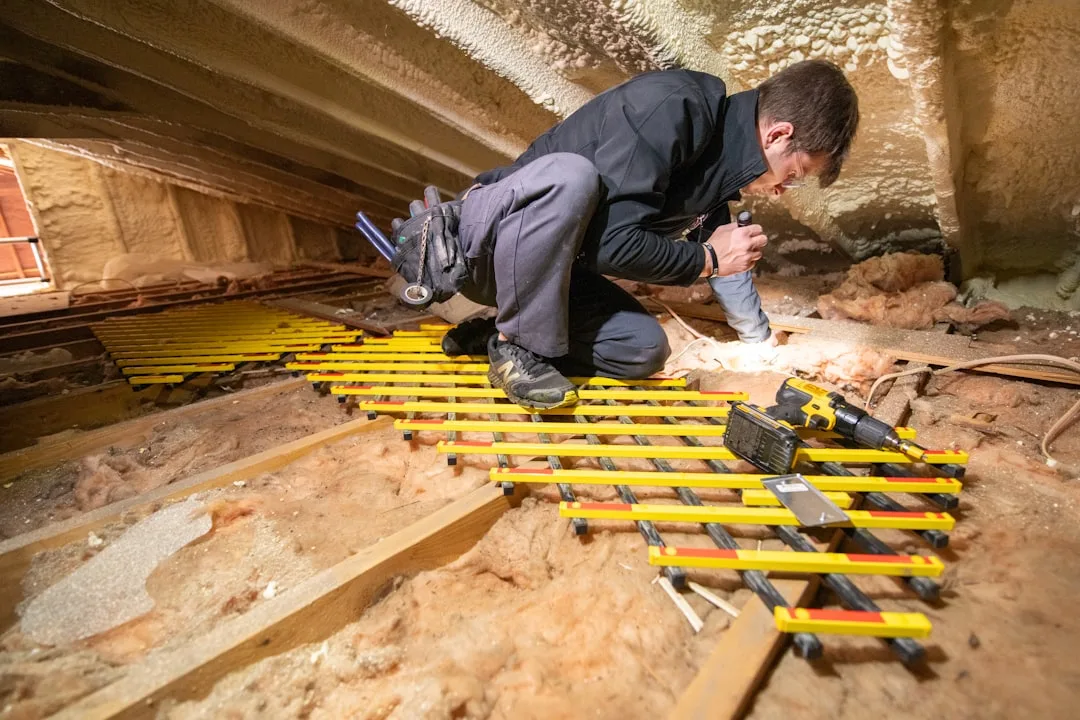
Icynene and Huntsman represent the two poles of 2026 attic insulation choice. Icynene closed-cell spray foam ($1.50–$2.50 per board foot installed) creates an air barrier and vapor barrier simultaneously, eliminating the need for separate poly sheeting and sealing penetrations automatically.
Cellulose from recycled newspaper (Greenfiber brand, $0.60–$1.00 per board foot) requires manual air sealing but performs identically on R-value metrics (R-3.6 per inch) and costs 40% less. Cellulose also outperforms fiberglass in settling resistance when properly densely-packed at 3.5 pounds per cubic foot.
Fiberglass batts remain the budget option, but they require perfect installation—gaps of just 2% reduce effective R-value by 50%, a failure mode covered below.
| Material | R-Value/Inch | Labor + Material Cost Range |
|---|---|---|
| Spray Foam (Closed-Cell) | R-7.0 | $2,800–$5,200 (1,200 sq ft) |
| Cellulose (Dense-Pack) | R-3.6 | $1,800–$3,200 (1,200 sq ft) |
| Fiberglass Batts | R-3.8 | $900–$1,600 (1,200 sq ft) |
| Mineral Wool | R-4.2 | $1,400–$2,400 (1,200 sq ft) |
The Attic Ventilation Mistake That Destroys R-Value Gains
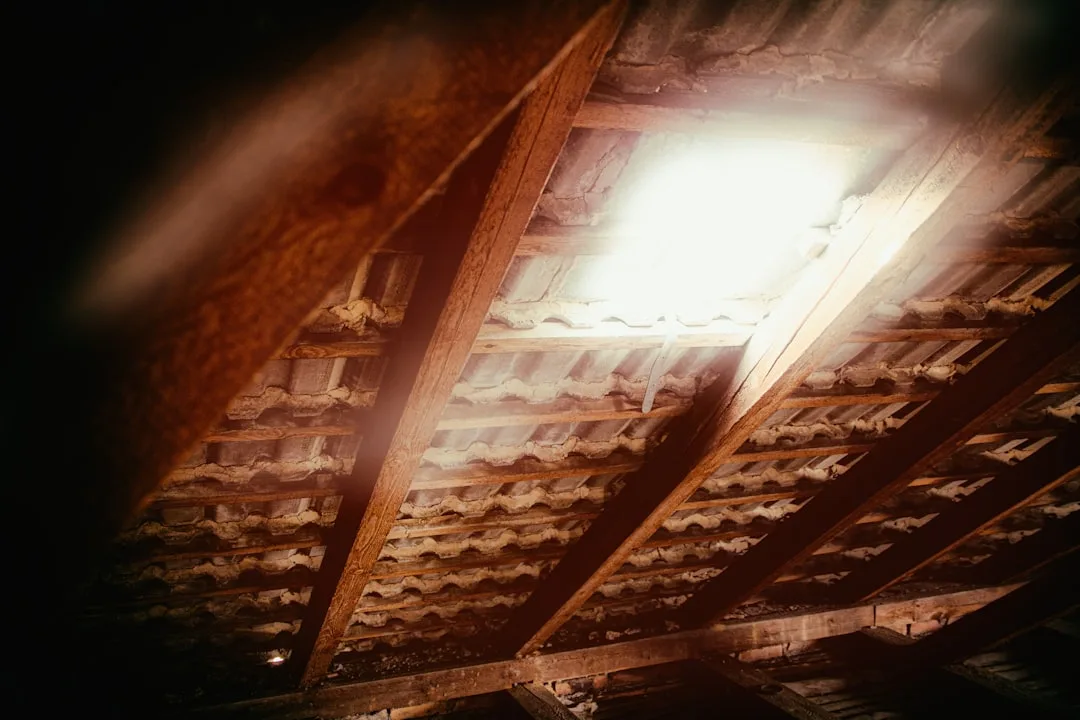
Here’s the failure mode homeowners never see coming: installing R-60 insulation directly against the roof deck without ventilation baffles. Summer attic temperatures exceed 160°F, and without air space above insulation, heat conduction penetrates straight through.
Typical mistake: contractor blows cellulose across roof rafters, assuming coverage equals performance. But blocked soffit vents trap hot air, create moisture condensation in winter, and reduce effective R-value by 40% within 18 months.
The correct approach: install rigid foam or plastic ventilation baffles first, securing them to each rafter to create a 1.5-inch air channel between insulation and roof deck. Keeps airflow continuous from soffit to ridge vent, which prevents attic heat buildup and moisture problems simultaneously.
Air Sealing Multiplies Insulation Efficiency
Rockwool and Sealants (manufacturers like DAP and Red Devil) sell polyurethane spray foam guns that homeowners can operate independently. Before any insulation contractor arrives, sealing visible gaps around wiring, plumbing, ductwork, and chimney chases costs $200–$400 in materials but recovers 8–12% additional energy savings.
Professional air sealing during insulation installation adds $400–$800 to the project cost but prevents the 30% performance loss that occurs when warm air leaks up through unsealed gaps. Blower-door testing (available from contractors for $300–$500) quantifies exactly how much air leakage exists before and after sealing.
Many homeowners skip this step thinking insulation alone suffices. That’s the single largest reason attic upgrades underperform projected savings.
Timing and Contractor Scheduling Peak in Summer 2026
July 2026 marks peak demand for attic contractors. Booked schedules extend 6–8 weeks, pushing actual installation into September when temperature swings complicate curing and ventilation verification. Booking now means completion by mid-August before the cooling season’s peak load.
Tax credit deadlines also accelerate urgency. The Inflation Reduction Act credits expire at year-end 2026, making late-summer installation the last window for maximum federal incentives. Check your local rebate programs too—many utility companies offer $500–$1,200 rebates for insulation upgrades, but require pre-approval before work begins.
Request three bids and verify that each includes thermal imaging post-inspection to prove complete coverage and proper ventilation. The Benefits of Professional Junk Removal at Home article covers clearing attic space before installation begins—removing stored items prevents contractor delays and guarantees access to all rafter bays.
Monitoring Performance After Installation
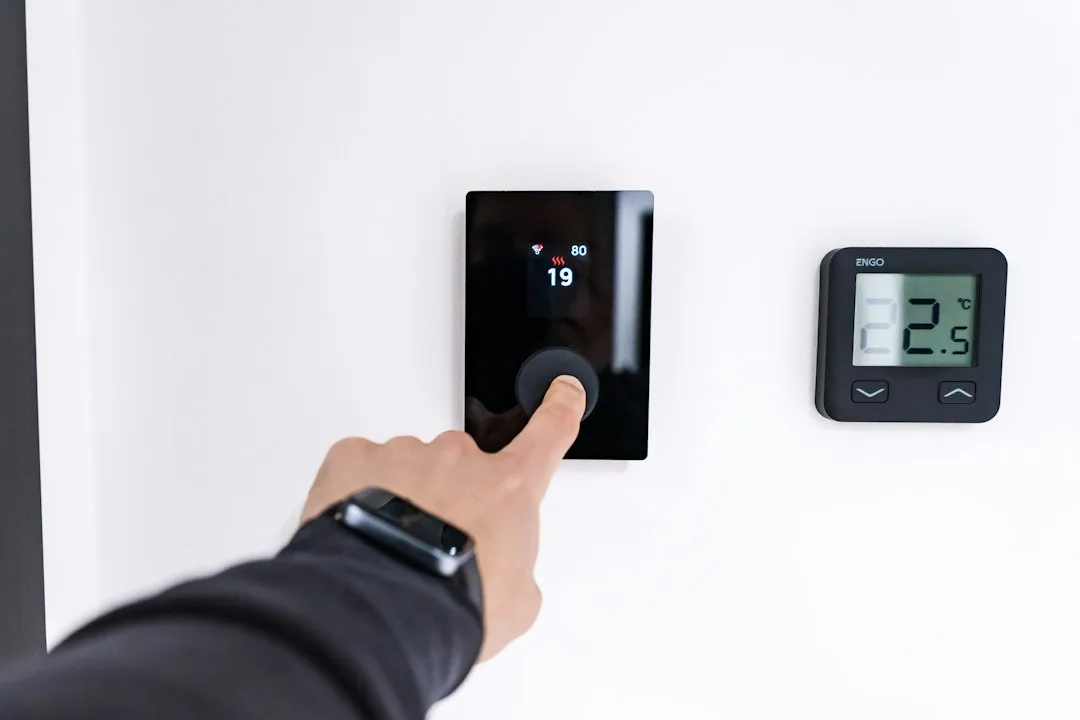
Smart home thermostats like Ecobee and Nest capture real heating and cooling data, showing exact energy use week-over-week. After attic insulation installation, utility bills typically drop 20–28% in the first full heating and cooling season, measurable within 90 days.
Older mechanical thermostats won’t reveal whether the upgrade succeeded. Upgrading to a programmable model simultaneously with insulation costs $150–$300 and lets you baseline performance against pre-insulation energy consumption for exact ROI verification.
Attic temperature monitoring (simple wireless sensors from AcuRite or Ambient Weather, $30–$60) also confirms ventilation effectiveness. Summer peak attic temperatures should drop 15–25°F within weeks of proper ventilation baffles and air sealing, proof that the upgrade is performing correctly.