Window insulation film cuts winter drafts on older windows
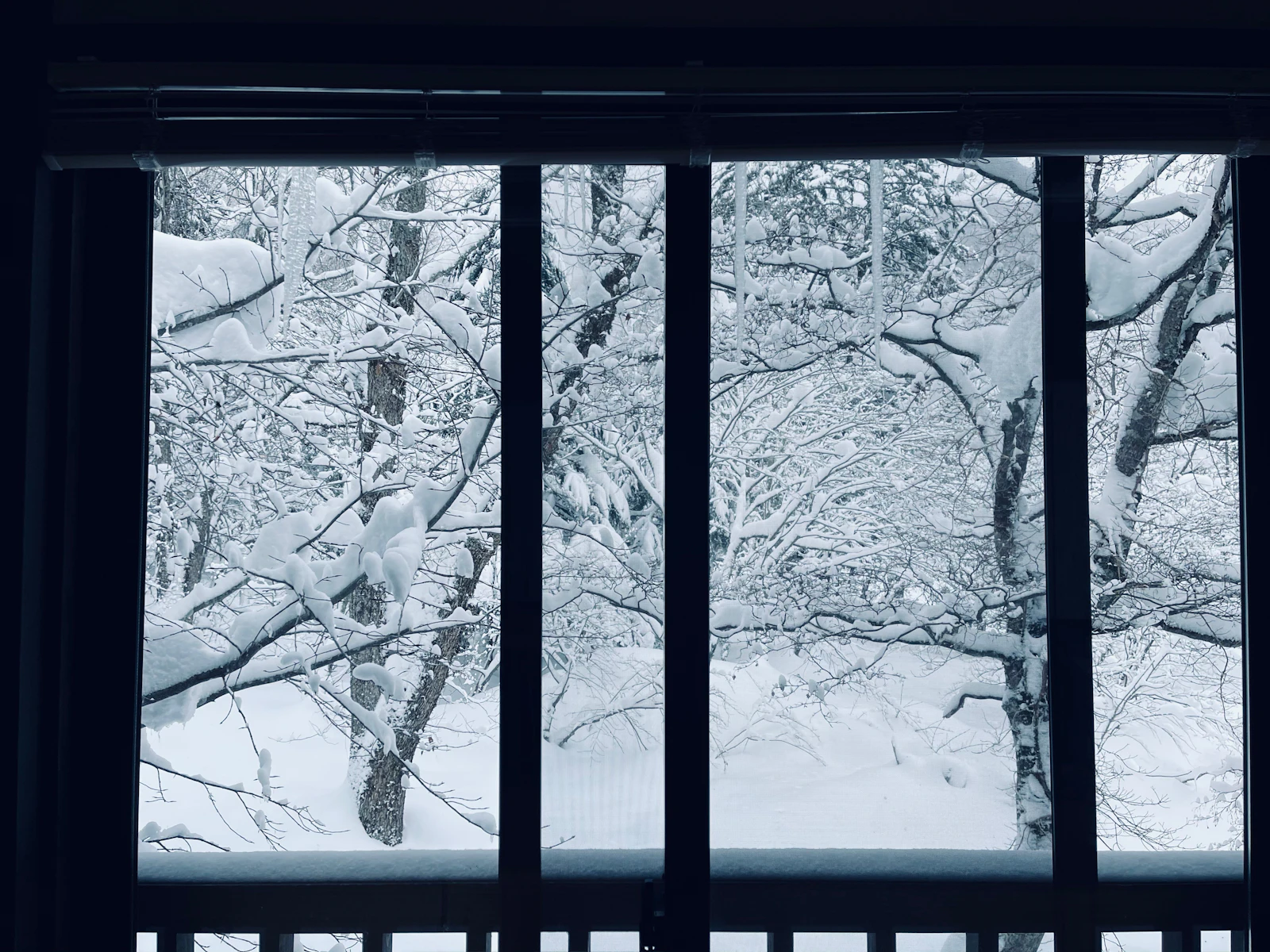
Clear shrink film taped over the inside trim is a cheap, reversible way to stop drafts on older windows. Here is how to install it, where it helps and where it does not.
333k+ Lifestyle & Design Ideas

Clear shrink film taped over the inside trim is a cheap, reversible way to stop drafts on older windows. Here is how to install it, where it helps and where it does not.
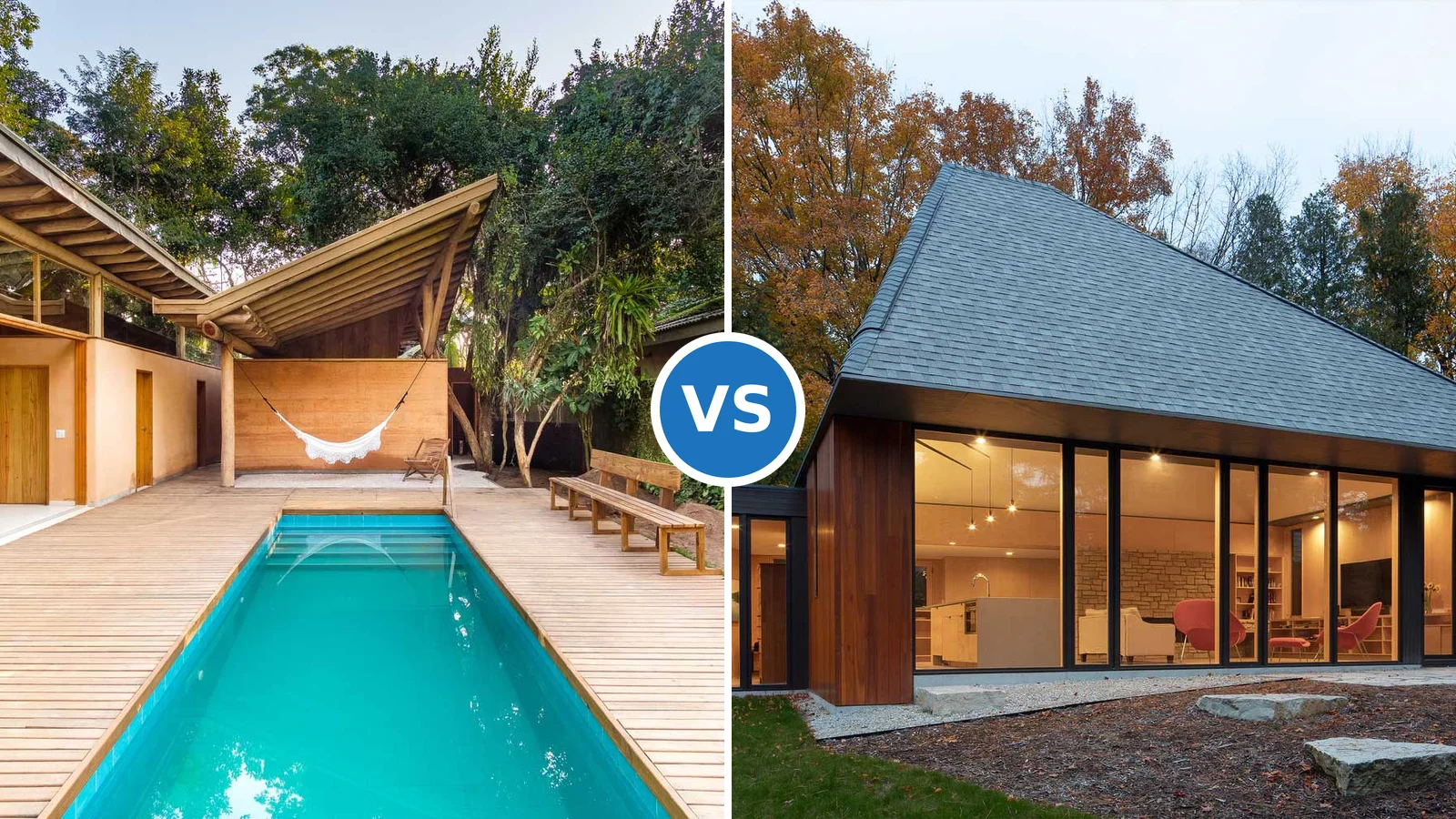
A bungalow keeps every room on one open level, while a cottage cluster splits daily life into small separate houses. Here is how to tell which layout fits your plot, climate and household.
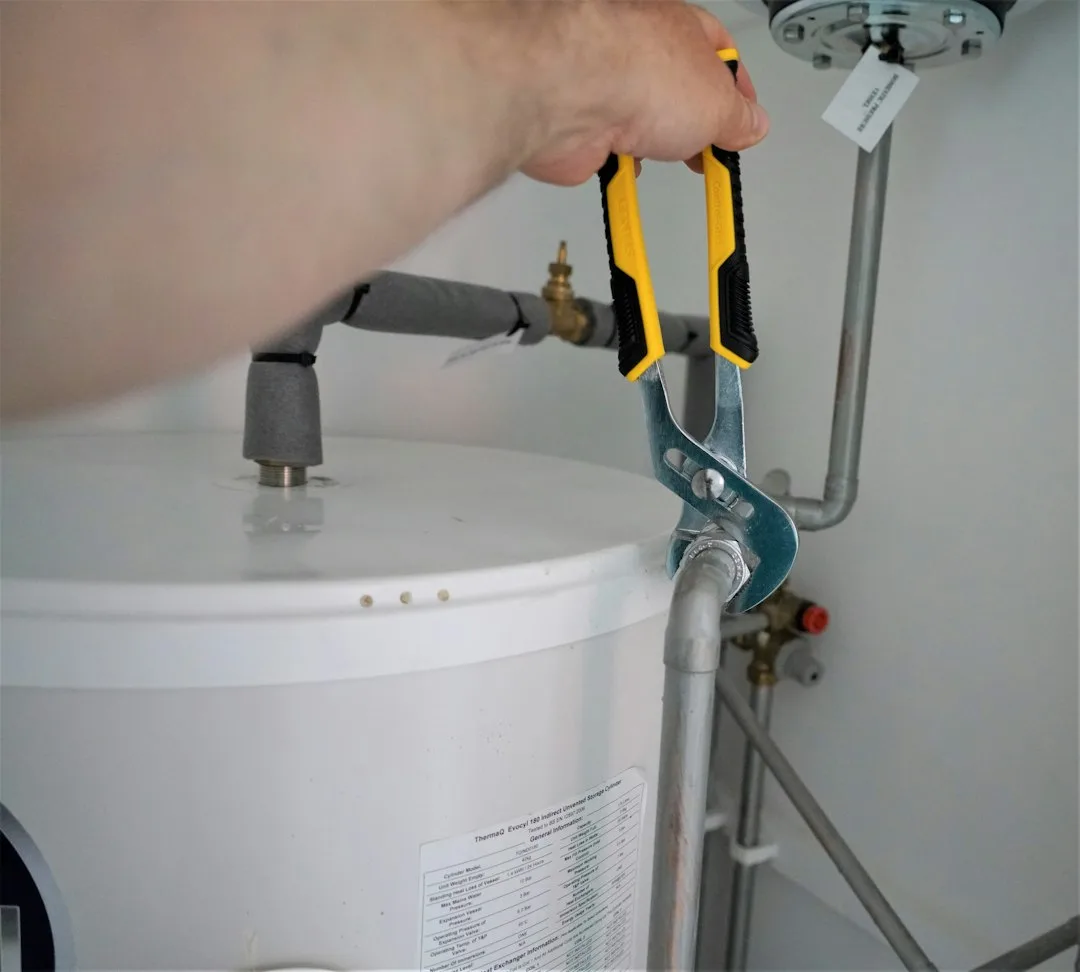
Heat pump water heaters are moving into basements and utility closets because they heat tanks with warmth drawn from the surrounding air. Here is how they work and where they tend to fail.
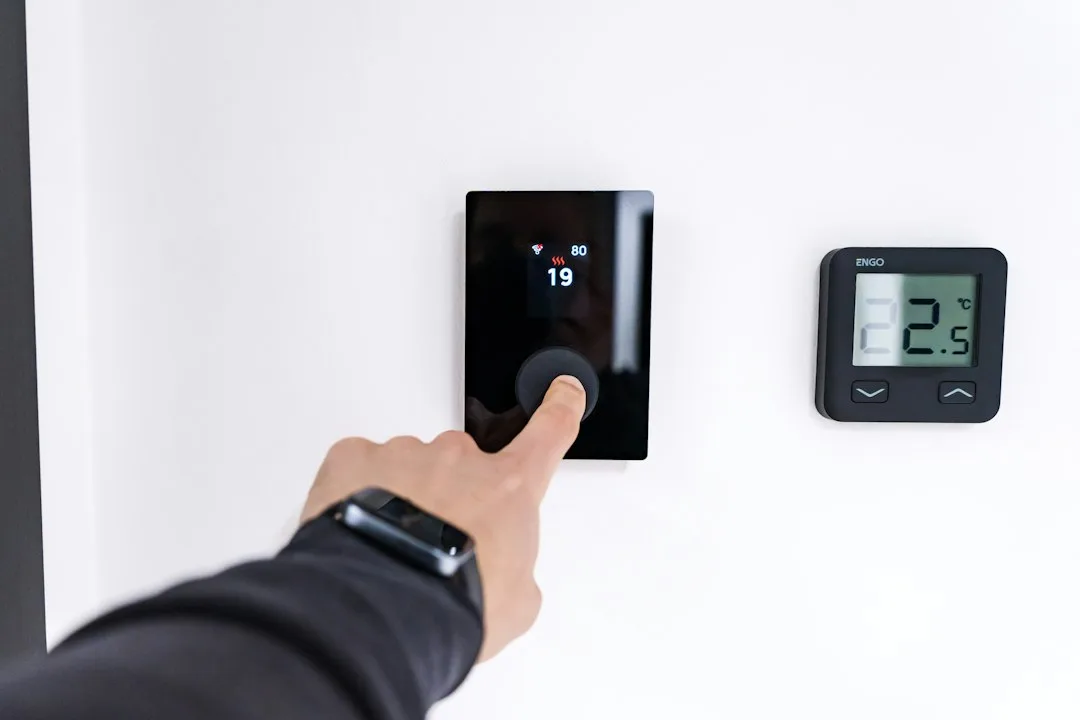
Smart thermostat installation has become the fastest-growing home improvement project of 2026, driven by energy savings, remote control, and integration with smart home ecosystems. Installation takes under two hours for most homeowners—no HVAC technician required.
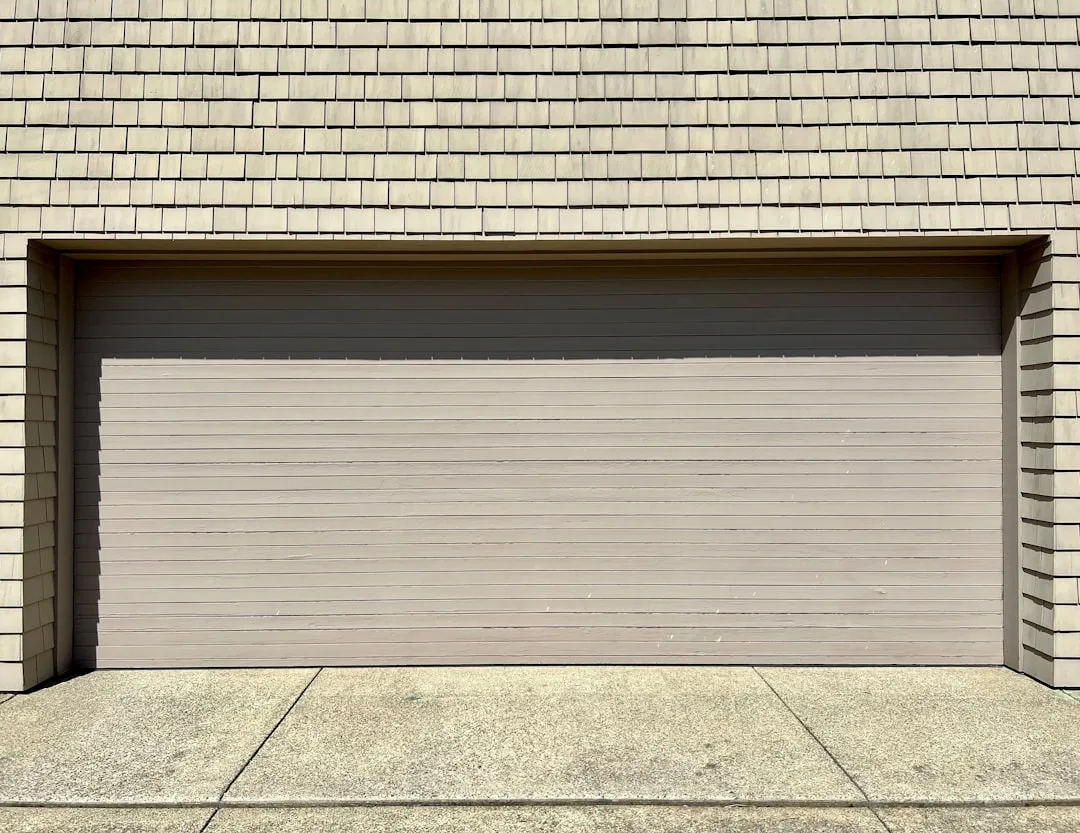
Garage door weather sealing has become the overlooked first line of defense against energy loss in 2026. Most homeowners fail to address air leaks around garage doors until heating bills spike in November.
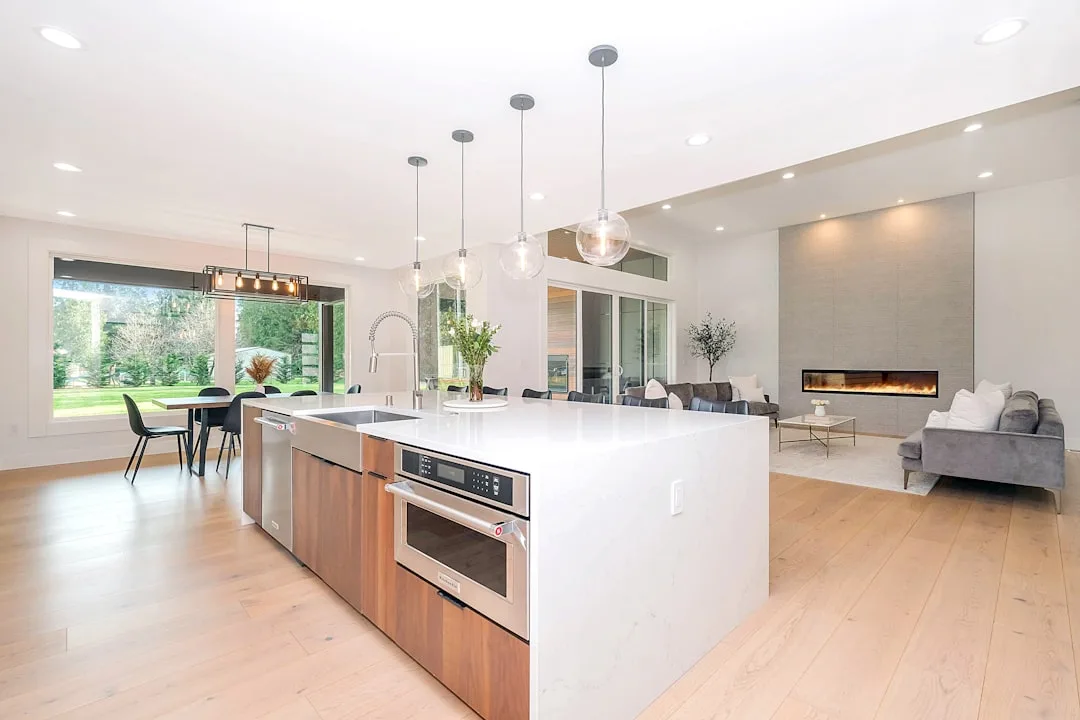
Recessed ceiling lighting has shifted from purely functional to architectural storytelling. In 2026, homeowners are layering multiple lighting zones and integrating smart controls to create rooms that feel both intimate and spacious.
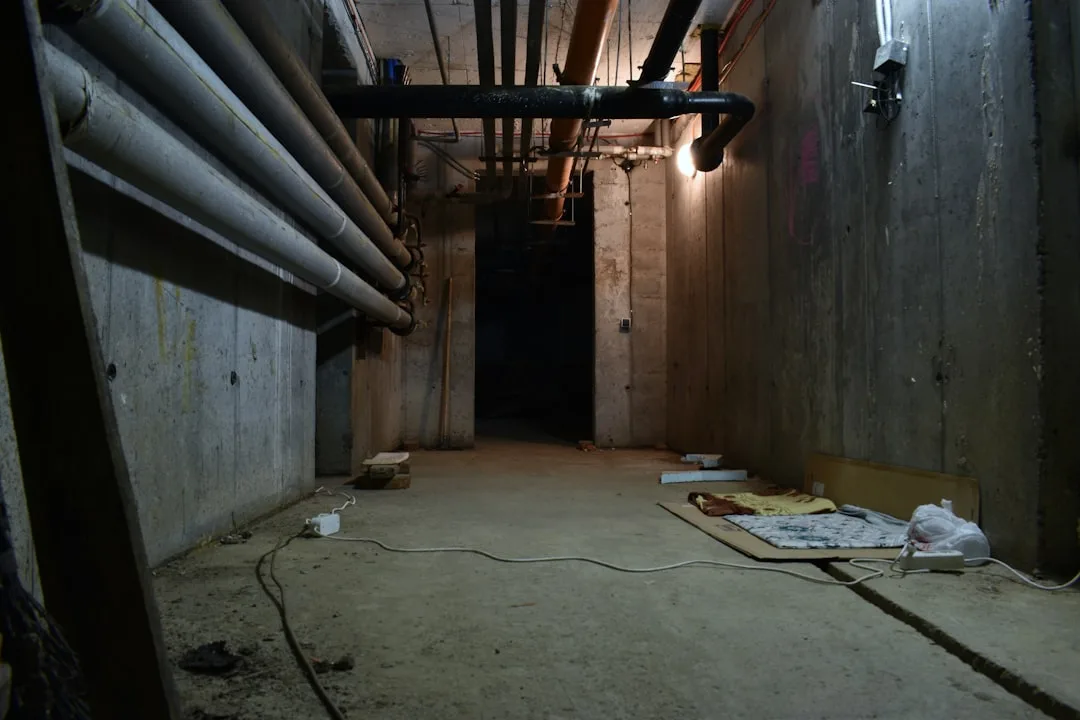
Basement dehumidification systems are becoming essential as homeowners recognize that moisture control prevents both mold damage and foundation rot. August 2026 marks a turning point where integrated humidity management replaces reactive waterproofing alone.
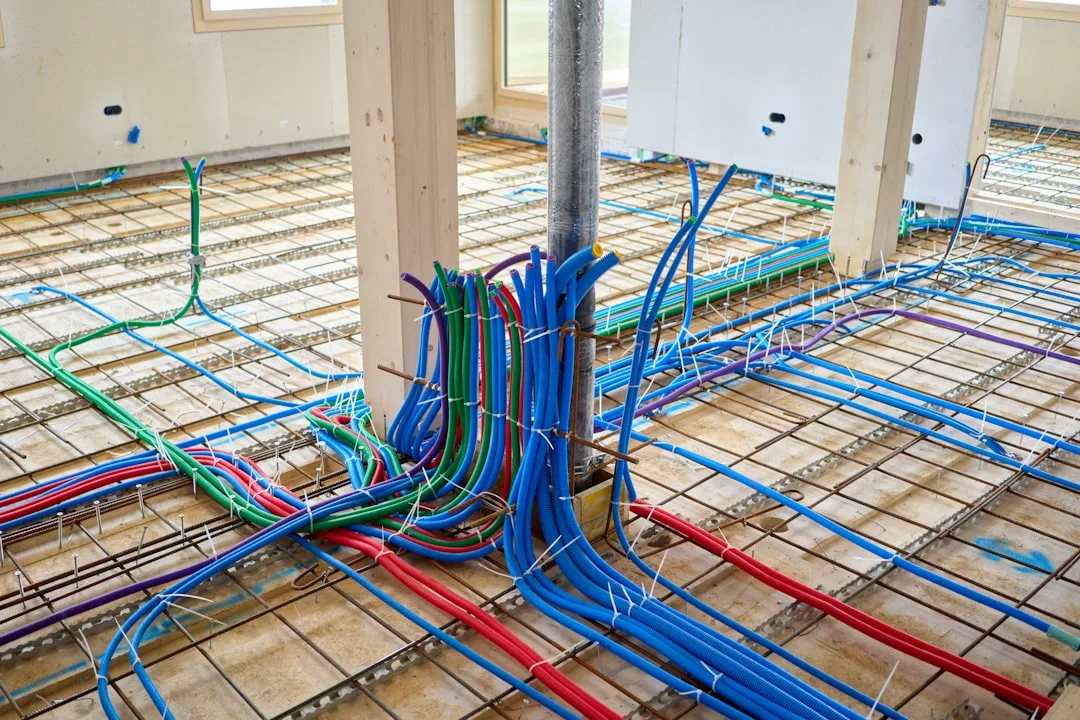
Radiant floor heating systems are reshaping how homeowners approach warmth and energy efficiency. By installing heat directly beneath flooring, homes achieve zone-based comfort that traditional HVAC systems cannot match.
Crawl space vapor barriers have become the overlooked hero of home protection in 2026, with homeowners discovering that moisture control at foundation level directly prevents costly repairs upstairs. Upgrading from old plastic sheeting to modern barrier systems is now a measurable investment in indoor air quality and structural longevity.
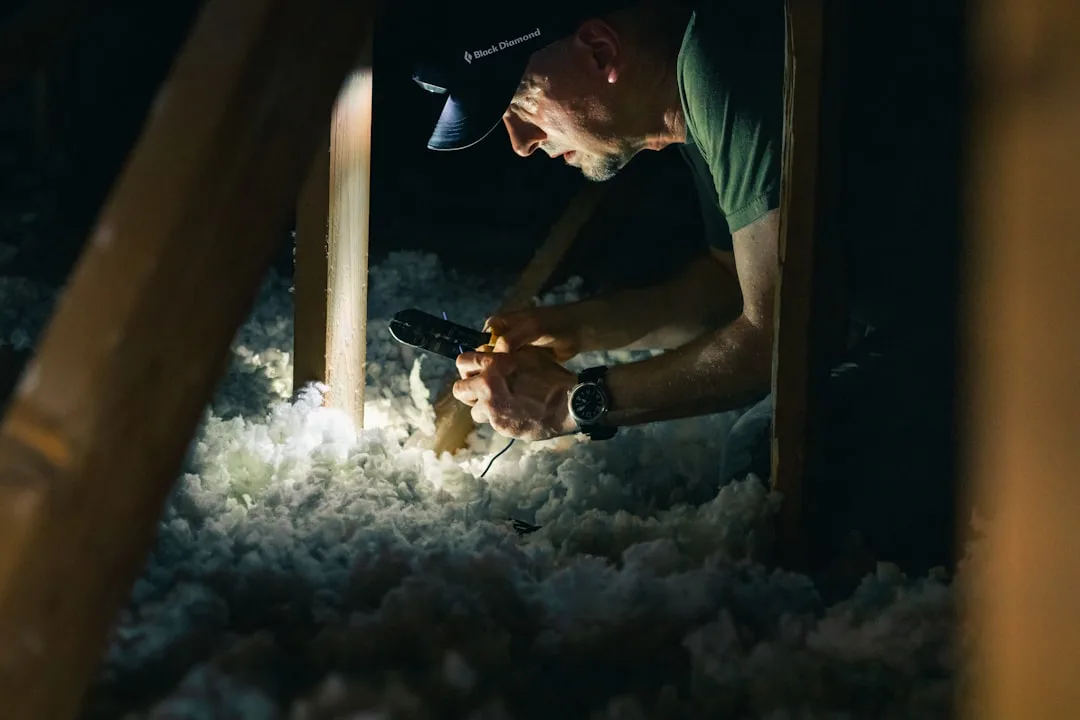
Attic insulation upgrades have become the fastest-growing home improvement investment in 2026, with homeowners cutting energy bills by 25% through proper ventilation and material selection. Strategic placement of spray foam, cellulose, and fiberglass—combined with air sealing—transforms heat loss into measurable savings within one heating season.
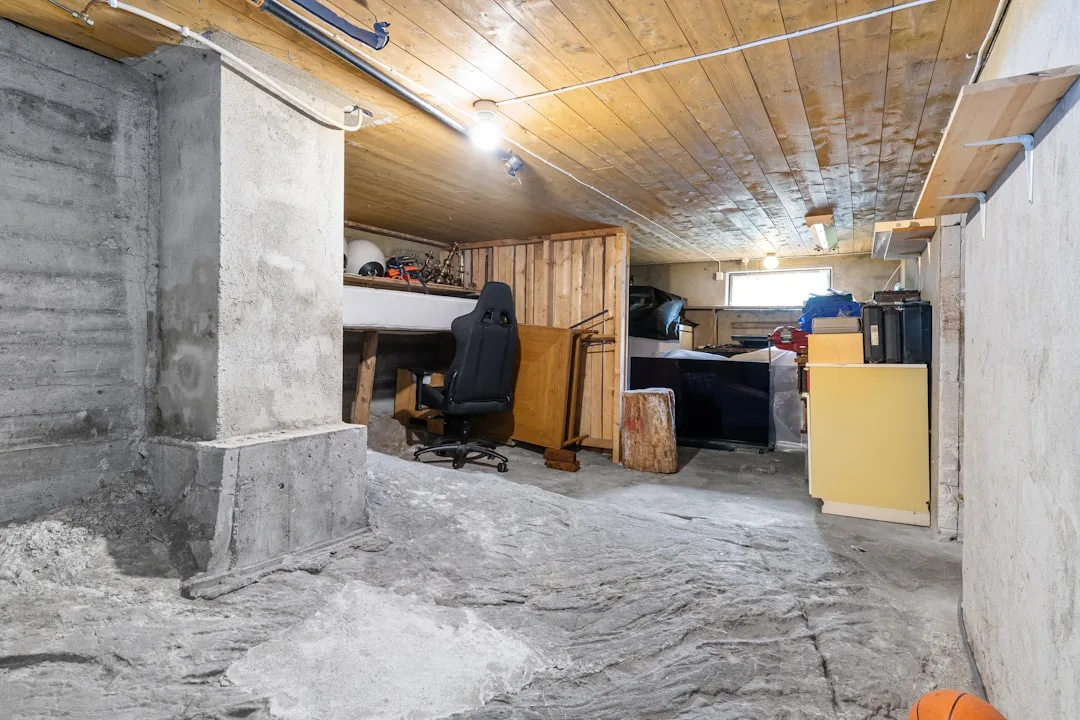
Crawl space encapsulation is transforming how homeowners protect foundations and cut energy waste. A sealed, conditioned crawl space stops moisture intrusion, prevents structural decay, and improves HVAC efficiency across the entire home.
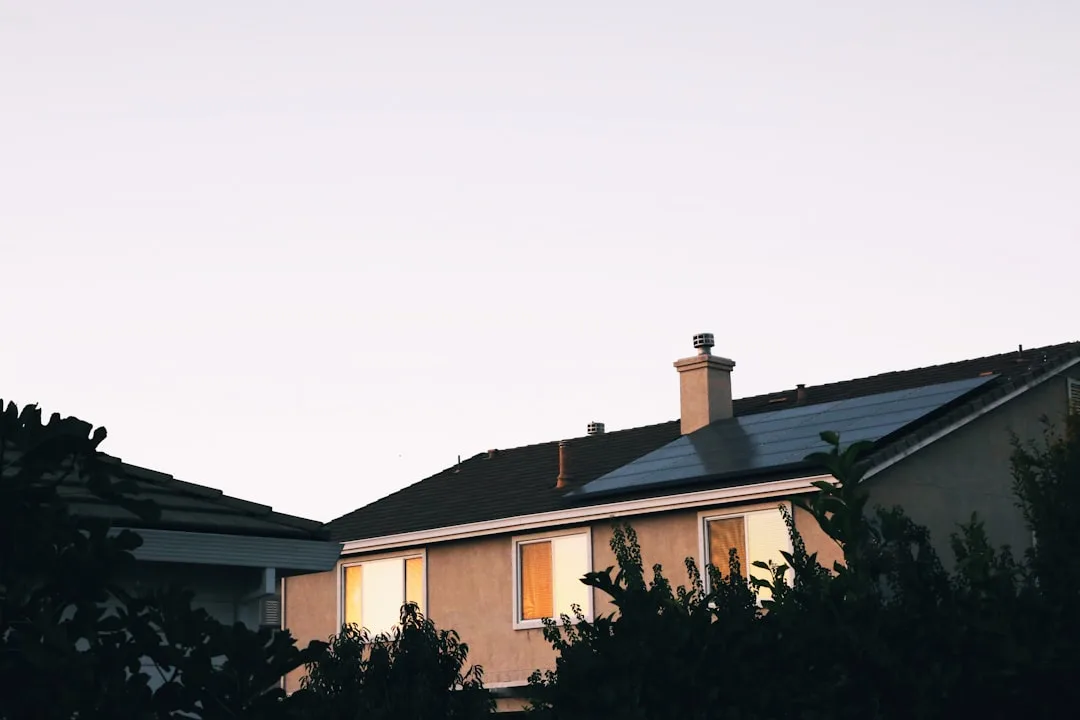
Solar energy searches have skyrocketed nearly 18 times year-over-year, driven by expanded federal incentives and rising electricity costs. Here’s how sustainable design and renewable upgrades are reshaping residential improvement in 2026.
Most bathrooms accumulate moisture that triggers mold within months. Strategic ventilation upgrades eliminate humidity at the source, protecting walls, ceilings, and fixtures while lowering repair costs.
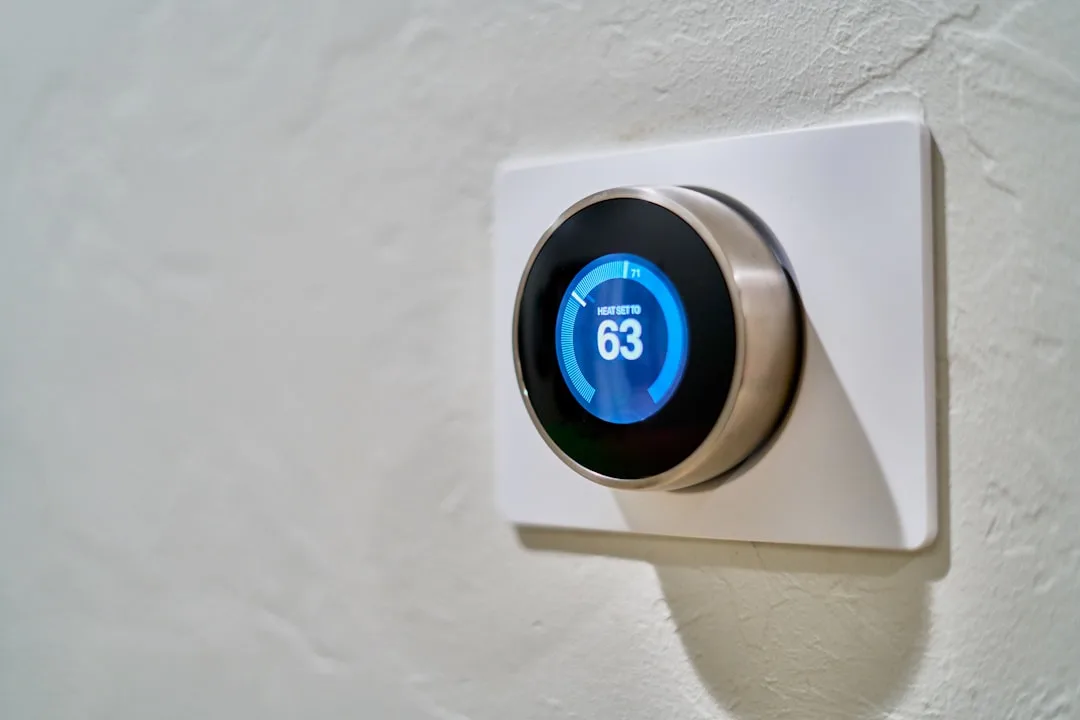
You’re paying to heat a guest bedroom that sits empty five days a week. Meanwhile, your living room thermostat can’t keep up with afternoon sun exposure. Smart home climate zoning systems solve this exact problem by dividing your HVAC system into independently controlled zones, each with its own temperature target. As of June 2026, this … Read more