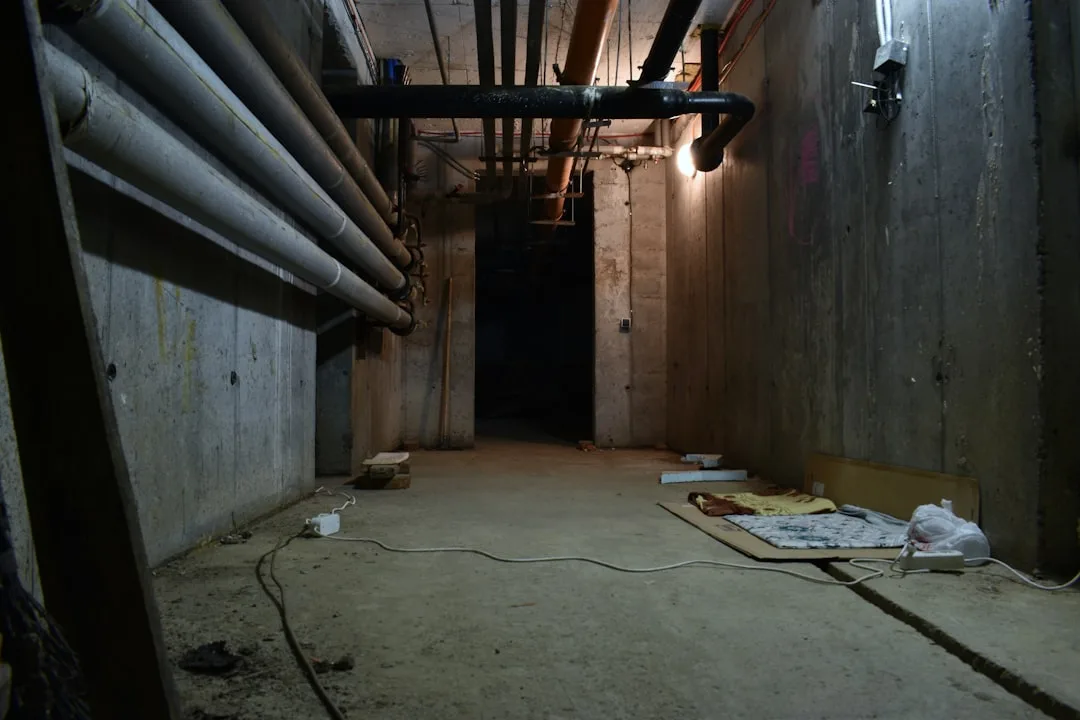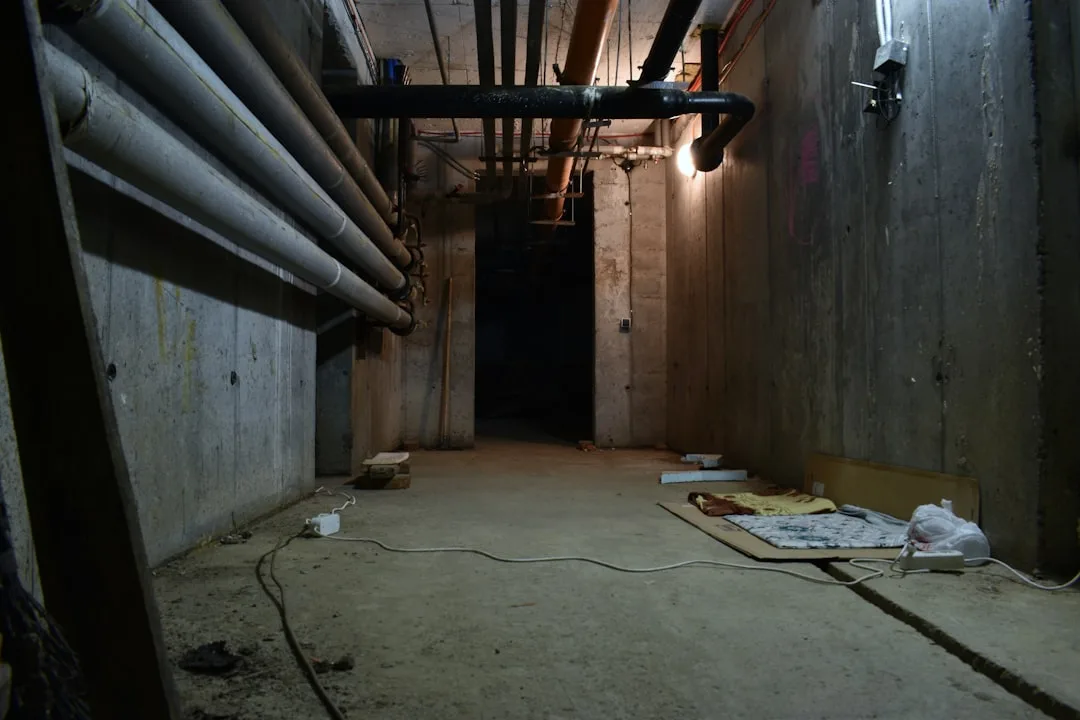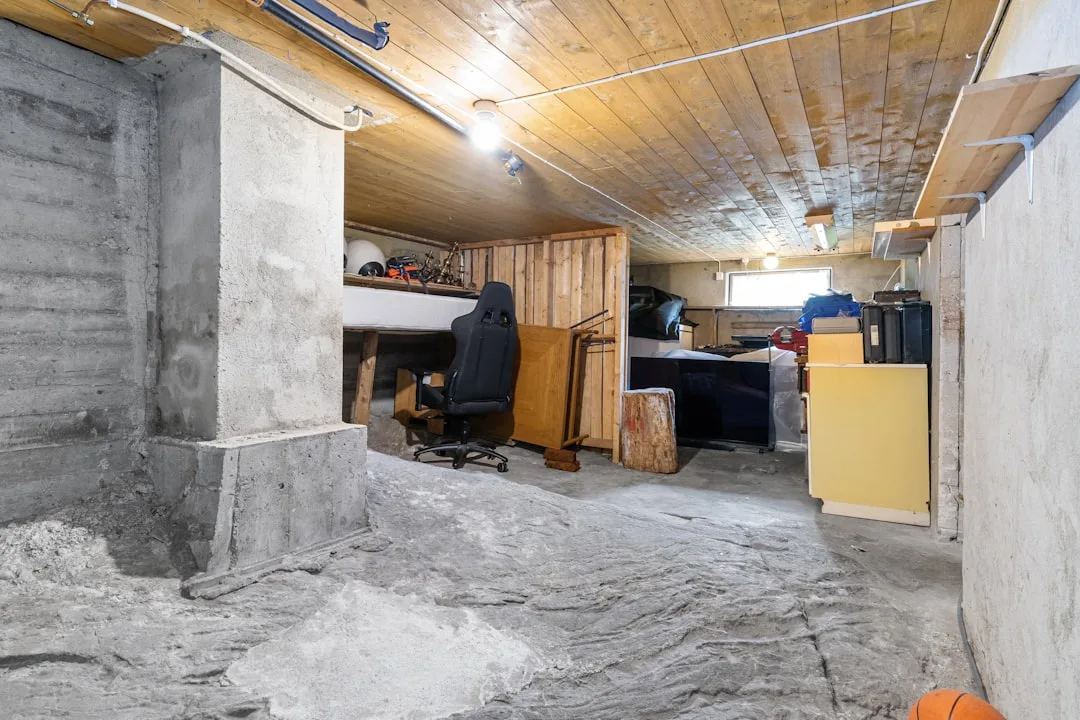
Crawl space encapsulation has become the most actionable home improvement trend for July 2026, driven by a simple fact: most crawl spaces remain unsealed, damp, and directly connected to the living space above through air leakage. When foundation contractors and energy auditors inspect homes built before 2015, they find crawl space humidity levels routinely exceeding 70 percent—the threshold where mold spores activate and wood rot accelerates. Crawl space encapsulation solves this with a complete vapor barrier system, conditioned air supply, and moisture management.
Why crawl space encapsulation is trending now
Energy prices remain elevated in most U.S. regions, and homeowners report heating and cooling costs 12–18 percent higher than pre-2020 levels. An unconditioned crawl space allows warm air to escape through rim joists and band boards during winter, while humid summer air infiltrates into the home, forcing HVAC systems to work harder. Encapsulation reverses this dynamic by creating a sealed, semi-conditioned zone that acts as a thermal buffer.
Crawl spaces also host the highest concentration of moisture entry points in any home. Groundwater seepage, surface water pooling, and high water tables in coastal and humid regions have triggered a flood of claims to homeowners’ insurance policies. Encapsulation with a continuous vapor barrier—typically 6- to 20-mil polyethylene sheeting—stops moisture migration before it reaches structural timbers, rim joists, and HVAC ducts.
Real estate appraisers now document encapsulated crawl spaces as a material upgrade that improves home valuation. In the Southeast and Mid-Atlantic, encapsulated crawl spaces add measurable resale value.
Quick Tips
- Vapor barrier must be anchored to walls and sealed at seams with specialized tape—loose edges let humid air creep underneath.
- Install a crawl space dehumidifier rated for the square footage; units range from 50- to 100-pint daily extraction capacity.
- Add supply-air ductwork from your main HVAC system to maintain slight positive pressure inside the encapsulated space.
- Ensure proper grading outside to redirect surface water away from foundation perimeter before sealing.
- Schedule a moisture inspection 6 months after encapsulation to confirm humidity levels are below 60 percent.
Crawl space encapsulation materials and cost structure
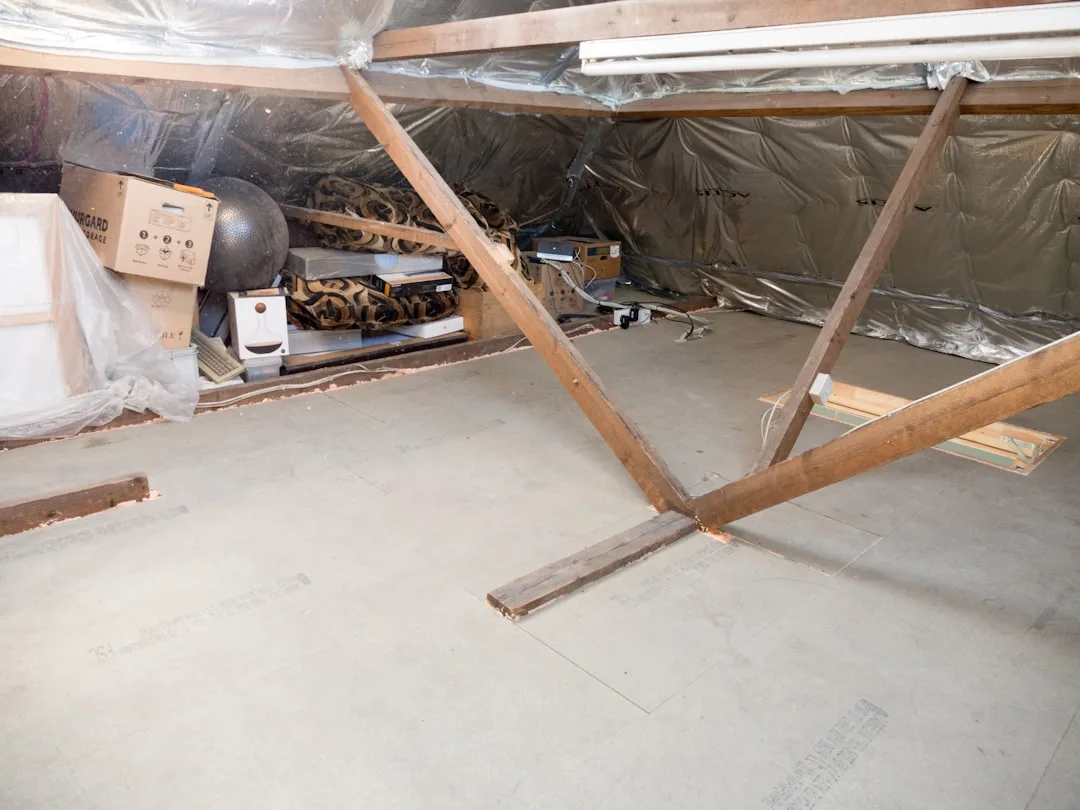
Leading encapsulation companies like Crawlspace Solutions and CleanSpace use heavy-duty polyethylene vapor barriers with built-in antimicrobial protection. CleanSpace’s flagship product features a 25-mil white-faced sheet bonded to reinforced polyester, designed to resist puncturing and provide reflectivity that lowers crawl space temperature during summer. The material rolls out across the entire floor and up foundation walls to rim-joist height, then seals at corners and seams with butyl tape.
Installation typically ranges from $1.50 to $3.50 per square foot for the barrier alone, depending on crawl space accessibility, foundation condition, and regional labor costs. A 1,500-square-foot crawl space under an average home may cost $2,500–$5,000 for vapor barrier installation alone, without dehumidification or HVAC integration.
| Encapsulation Component | Key Benefit | Typical Add-On Cost Range |
|---|---|---|
| Vapor barrier (6-20 mil polyethylene) | Blocks moisture and radon infiltration | $1.50–$3.50/sq ft |
| Crawl space dehumidifier | Maintains humidity below 60%; protects wood | $800–$1,500 |
| Supply-air ductwork from HVAC | Creates positive pressure; reduces mold risk | $1,200–$2,200 |
| Sump pump and drainage improvements | Removes standing water; prevents seepage | $1,500–$3,000 |
| Sealed access door with weatherstripping | Prevents unconditioned air leakage | $300–$600 |
The number-one mistake homeowners make with crawl spaces
The most costly error is installing a vapor barrier without addressing water removal first. Homeowners often lay polyethylene sheeting over standing water or saturated soil, trapping moisture underneath where it continues to evaporate into the encapsulated space. This creates a humid pocket that degrades the vapor barrier and promotes mold growth on the underside of rim joists—exactly what the barrier was meant to prevent.
A concrete example: a homeowner in North Carolina invested $3,200 in encapsulation but skipped the $1,800 sump pump and drainage system. Within 14 months, water pooled under the vapor barrier after heavy rains, and mold bloomed across the entire crawl space floor. Replacement of the contaminated barrier and remediation cost an additional $4,500. Proper sequencing—drainage and grading first, then vapor barrier, then dehumidification—avoids this trap.
Energy and moisture savings you can measure
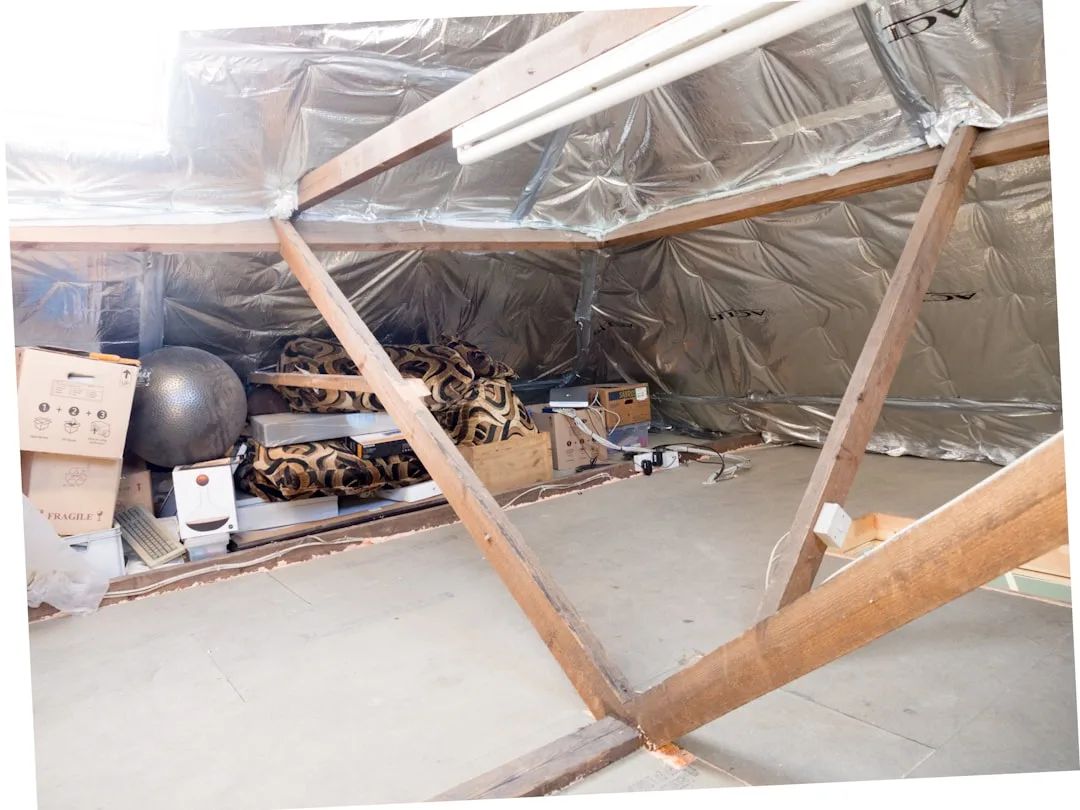
Post-encapsulation audits show that HVAC systems cycle 20–30 percent less frequently once crawl space temperature stabilizes. A home in Tennessee that was spending $185 monthly on heating dropped to $155 after encapsulation, capturing $360 in annual savings. Over a 20-year lifespan, the barrier itself requires minimal maintenance—occasional cleaning and inspection for tears.
Moisture reduction is equally dramatic. Homes with encapsulated crawl spaces report humidity levels dropping from 75–85 percent to 45–55 percent within the first month. Lower humidity halts mold spore germination and stops the musty odors that seep into living spaces above. Structural wood remains dry and strong, extending the life of rim joists, band boards, and floor joists by decades.
Radon mitigation also improves with crawl space encapsulation. A sealed, slightly positive-pressure crawl space reduces radon entry by an estimated 40–60 percent compared to open, vented crawl spaces—a critical upgrade in radon-prone areas in the Midwest and Northeast.
Integration with existing HVAC and smart home systems
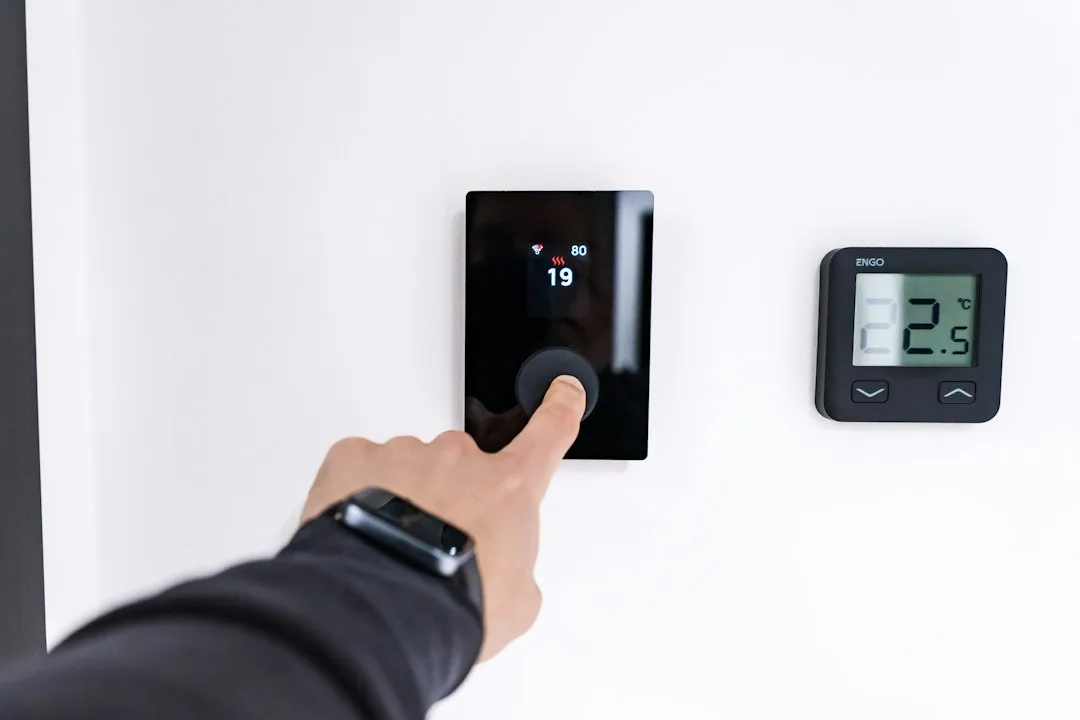
Modern encapsulation contractors now tie crawl space dehumidifiers into smart home platforms. Aprilaire and Santa Fe dehumidifiers offer WiFi connectivity, allowing homeowners to monitor humidity levels and receive alerts if moisture creeps above the set threshold. When paired with a programmable thermostat, the crawl space can be conditioned alongside the main house without manual intervention.
Many builders are also running supply-air ducts from the main HVAC return plenum into the crawl space, eliminating the need for a standalone dehumidifier in smaller homes. This approach saves money and reduces equipment clutter, though it requires careful duct sizing to avoid unbalancing the home’s air pressure. Professional HVAC integration ensures efficiency gains translate to lower utility bills—not wasted conditioning.
For homeowners concerned about ongoing maintenance, DIY plumbing maintenance: Tips and tricks for a healthy home plumbing system covers drainage upkeep, while The Benefits of Professional Junk Removal at Home addresses clearing debris and old equipment that may obstruct future crawl space access.
Why crawl space encapsulation beats piecemeal repairs
Older homes often attract temporary fixes: plastic sheeting stapled to foundation walls, a single dehumidifier running year-round, or repeated mold remediation calls. Encapsulation replaces this cycle with a single, permanent system that requires inspection but rarely needs replacement. The barrier itself typically remains intact for 20–30 years under proper conditions.
Insurance companies increasingly recognize encapsulated crawl spaces as risk reduction. Some carriers offer premium discounts of 5–8 percent on homeowners’ policies when mold risk is mitigated. Over time, those savings offset a significant portion of the initial investment. Resale appeal is equally strong—home inspectors now flag unencapsulated crawl spaces in humid climates as a mandatory upgrade before purchase, which means an unencapsulated home may sit longer on the market or sell for less.
Bottom line
Crawl space encapsulation is not glamorous, but it solves real, measurable problems: energy waste, moisture damage, mold risk, and structural decay. For homeowners in humid climates, basements areas with seepage history, or homes with open vents and unfinished crawl spaces, encapsulation delivers ROI through lower utility bills, avoided water damage, and improved resale value. Summer 2026 is an ideal time to assess your crawl space and schedule an inspection—especially before the next heavy rain season.