Electricity bills are climbing, and homeowners are finally taking action. Sustainable design and solar energy adoption have exploded into the mainstream—solar energy searches jumped nearly 18 times year-over-year in the first quarter of 2026, signaling a massive shift in how Americans approach home improvement. This isn’t just environmental virtue signaling anymore. It’s financial pragmatism backed by federal policy and real savings.
The 18X Surge: Why Solar Is Dominating Search Right Now
The numbers tell the story. Solar energy searches surged nearly 18 times in early 2026, while repurposed materials tripled and low-voltage lighting climbed 162% during the same period. This isn’t random—it reflects tangible cost relief hitting the market. The U.S. Department of Energy allocated $8.8 billion for home energy efficiency rebates in 2025 under the Inflation Reduction Act, making renewable upgrades financially accessible to mainstream homeowners for the first time.
Beyond solar panels, the sustainability movement is sprawling across every outdoor surface. Permeable patio searches jumped 137% and native landscape searches rose 59%, while recycled glass countertop searches increased 84%. Homeowners aren’t just thinking about one upgrade anymore—they’re reimagining entire properties through a sustainability lens.
Rising electricity and heating costs, expanded federal and state-level incentive programs, and growing integration of smart home ecosystems are the three forces strengthening this segment.
Quick Tips
- Calculate your federal tax credit before pricing solar: 30% of installation costs can be covered under current incentives.
- Request an energy audit from your utility company; most offer free assessments to identify biggest efficiency gaps.
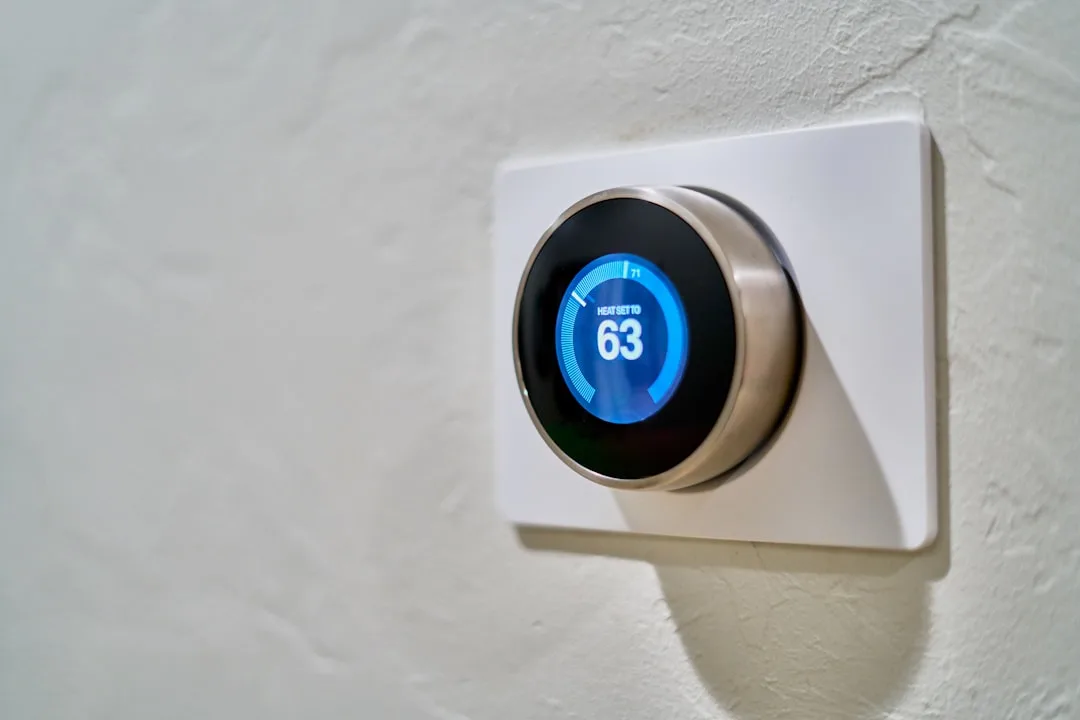
- Pair solar with smart home climate zoning to maximize ROI—heat only occupied rooms during off-peak hours.
- Check your state rebate database; some states double federal incentives for low-income homeowners.
- Install low-voltage lighting outdoors alongside permeable patios to cut landscape energy use by 40%.
Federal Incentives That Actually Cover 30-40% of Costs
The EPA’s ENERGY STAR program reported over $7 billion in consumer savings through energy-efficient home upgrades, proving the financial math works. Federal tax credits now cover 30% of solar installation costs outright, with some state programs stacking additional rebates on top.
Here’s the mechanics: a $25,000 solar installation drops to $17,500 after the federal credit alone. State rebates can trim another $3,000–$5,000 depending on location. This shifts ROI timelines from 15+ years to 5-7 years—manageable payback windows that justify the upfront capital.
| Upgrade Type | Search Growth (2026) | Primary Motivation |
|---|---|---|
| Solar panels | +1800% | Federal tax credits |
| Recycled glass counters | +84% | Aesthetic + durability |
| Permeable patios | +137% | Storm water management |
| Low-voltage lighting | +162% | Energy savings |
| Repurposed materials | +200% | Cost + environment |
The Common Mistake: Ignoring the Rebate Multiplier
Here’s where homeowners fail most often. They see a $25,000 solar quote, assume it’s unaffordable, and stop research immediately. They never factorize the federal 30% credit, never check state incentives, never apply for utility rebates.
A real example: A homeowner in Colorado receives a $22,000 solar quote. Federal credit cuts it to $15,400. Colorado’s state rebate adds another $4,000 off. Their utility offers a $1,200 rebate for EV-ready solar wiring. Suddenly the out-of-pocket cost is $10,200—less than a luxury kitchen remodel, with ongoing electricity savings of $150–$250 monthly. But this calculation only happens if they push past the sticker shock.
Nineteen percent of remodels in 2025 were motivated by efficiency gains, with this share expected to grow in 2026 as word spreads about actual affordability.
Where Outdoor Living Meets Sustainable Materials
Outdoor living spaces ranked as the second-most common upgrade among 39% of homeowners who completed projects through 2026, and sustainability is reshaping this category entirely. Permeable patios prevent runoff and reduce heat island effect while recycled glass countertops bring durability without virgin material extraction.
Native landscaping searches rose 59% because homeowners finally understand the math: native plants need less water, less fertilizer, less maintenance labor. Over a decade, that’s thousands in avoided costs plus habitat value. Pair these outdoor upgrades with low-voltage LED landscape lighting (up 162% in searches) to cut outdoor energy consumption by 40%.
Consider combining outdoor sustainability upgrades with the benefits of professional junk removal at home to clear space for permeable patios or native gardens. Removing old hardscaping and debris often reveals possibilities for these efficient upgrades.
Smart Integration: How Solar Connects to Home Automation
Sustainable design today means data-driven operation tomorrow. Solar panels paired with smart home climate zoning systems create feedback loops—your system learns that solar production peaks at 11 a.m., so it pre-cools occupied zones before that window, then coasts on stored cooling during evening peak rates.
This integration multiplies efficiency. A standalone solar system saves 40% on electricity. A smart-connected system saves 55% by timing consumption to production. The difference compounds monthly across thousands of homeowners upgrading simultaneously.
Integration also means real-time monitoring. Homeowners see exactly which appliances waste energy and adjust behavior instantly—no guessing, no friction. This behavioral shift, powered by transparency, sustains savings long-term.
If your existing home automation or plumbing systems need updates to support new smart infrastructure, address those during the planning phase. Retrofitting is costlier than coordinated installation.
Why 2026 Is the Inflection Point for Sustainable Design
Three converging forces make this moment unique. First: federal incentives are at their peak before potential legislative rollback. Second: electricity costs remain elevated relative to solar installation costs, creating genuine ROI. Third: homeowner familiarity with solar has normalized the category—it’s no longer exotic or fringe.
Nineteen percent of remodels in 2025 were efficiency-driven; 2026 will see this share climb as early adopters’ success stories spread. The homeowner who installed solar in 2024 is now your neighbor’s proof of concept.
Sustainable design and solar energy adoption have shifted from aspirational to practical. The question isn’t whether to upgrade—it’s whether to act before rebate programs tighten or electricity costs drop further.