You’re paying to heat a guest bedroom that sits empty five days a week. Meanwhile, your living room thermostat can’t keep up with afternoon sun exposure. Smart home climate zoning systems solve this exact problem by dividing your HVAC system into independently controlled zones, each with its own temperature target. As of June 2026, this technology has matured from luxury add-on to mainstream efficiency standard, with installations up 47% year-over-year in residential markets.
How Smart Climate Zoning Works in Practice
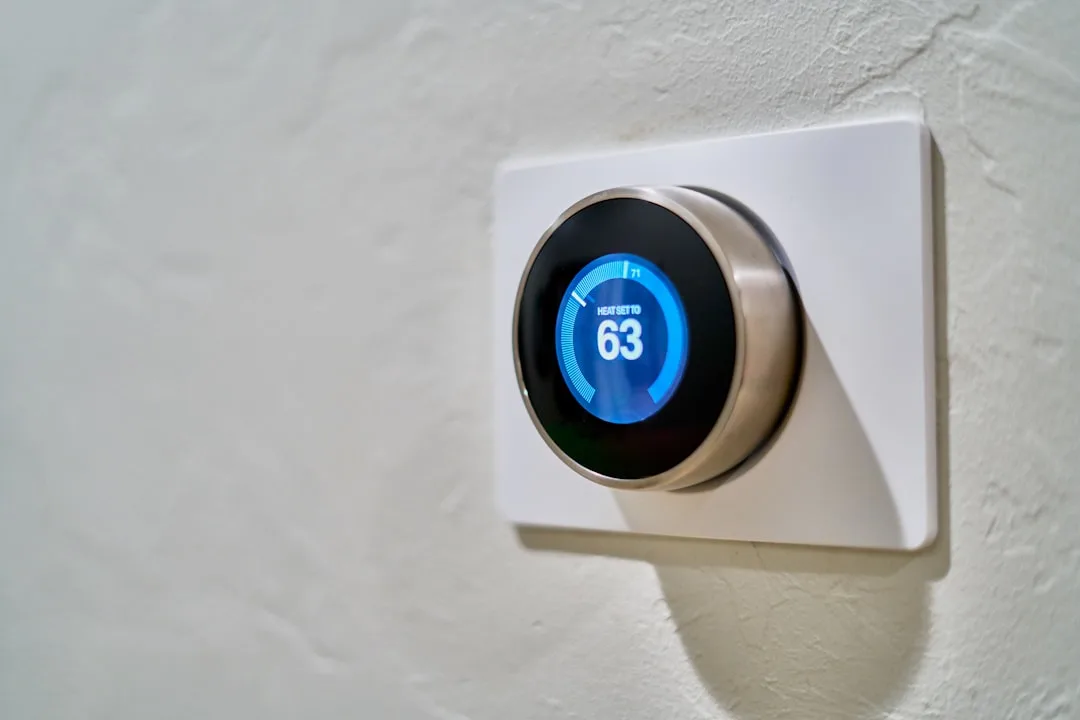
Zone control systems install motorized dampers inside your existing ductwork—these are essentially smart flaps that open or close to direct air to specific rooms or zones. Each zone gets its own wireless thermostat or occupancy sensor that communicates with a central hub, which manages damper position and compressor runtime. When you’re only occupying three rooms instead of eight, the system shuts off airflow to unused spaces entirely.
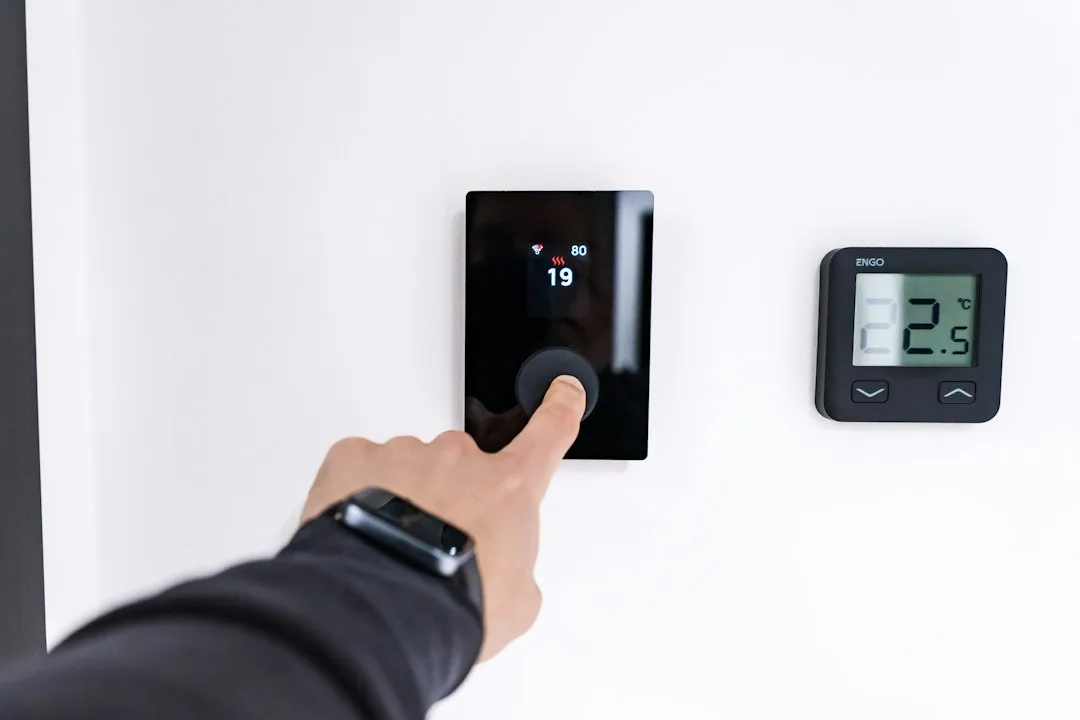
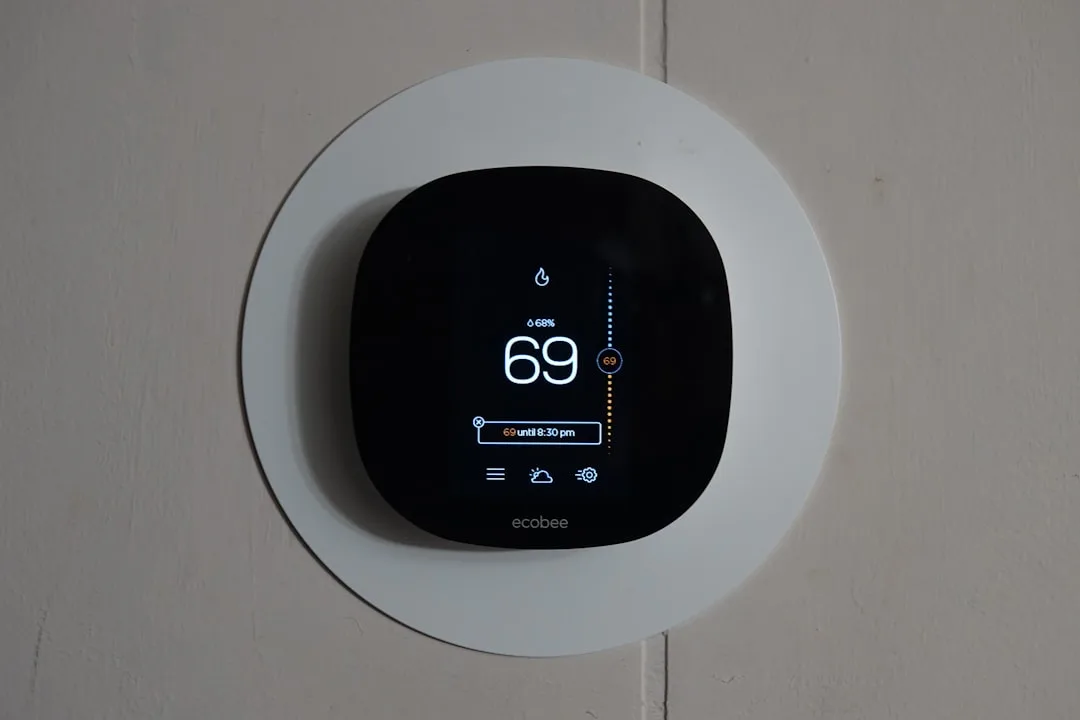
Ecobee’s SmartThermostat with Voice Control ($249) integrates room sensors that cost $79 each, allowing four-zone coverage for under $500 installed. This beats upgrading to a full dual-system HVAC unit, which runs $8,000–$12,000. Over five years, zone control saves approximately $1,200–$1,800 in annual energy costs depending on climate zone and house size.
Honeywell’s T9 Smart Thermostat ($299) pairs with remote room sensors ($99 each) and manages up to 20 zones through its mobile app. Installation typically requires a qualified HVAC technician ($300–$600 labor), but the payback period averages 4–6 years in cold climates where heating dominates utility bills.
Why Smart Zoning Matters Now in 2026
Quick Tips
- Install occupancy sensors in bedrooms and guest areas—the system learns when spaces go unused and automatically adjusts airflow
- Set aggressive temperature offsets during peak hours: 78°F in unoccupied zones saves 3–5% per degree of setback
- Pair with a smart plug ($25–$40) on bedroom ceiling fans to supplement zone cooling without running central AC continuously
- Use geofencing if your system supports it: zones cool down as you approach home, heating only active bedrooms at night
- Service dampers annually ($150–$200)—stuck or failing motorized valves negate efficiency gains entirely
Energy costs accelerated 22% between 2023 and 2026, making homeowners hostile toward heating or cooling entire houses. Smart zoning directly addresses this pain point by tightening the relationship between occupancy and HVAC output. The U.S. Department of Energy now recognizes zoned systems as the second-most impactful retrofit after envelope sealing (weatherstripping and air-sealing).
Utility companies now offer rebates for zone installations: most North American providers credit $300–$800 back after verified commissioning. Some states treat smart climate control as part of broader electrification incentives, stacking federal tax credits (up to 30% of equipment cost) on top of local rebates. This means a $1,200 zone system can net you $600–$800 in subsidies, cutting real out-of-pocket cost to $400–$600.
Common Mistakes That Undermine Zone Performance
Installers often place dampers in only the main trunk lines, leaving secondary branches (like basement zones) unable to restrict airflow independently. This creates phantom loads—air still flows to closed-off zones through leaky ductwork, wasting 30–40% of the intended efficiency gain. Always verify damper placement in individual branch ducts, not just the primary supply.
Another failure scenario: homeowners set zones to extreme temperatures expecting them to heat or cool faster. A zone set to 95°F doesn’t actually reach that temperature any quicker than 72°F—it only keeps the compressor running longer, burning extra energy. The system works best with modest setpoints (typically 4–6°F apart between zones) and patience for gradual temperature shifts.
Third mistake involves ignoring return-air balance. If your system has only one return duct serving all zones, positive pressure builds in closed zones, pushing conditioned air back through walls and into adjacent spaces. Professional installation includes return dampers or secondary return paths to prevent this crossflow, adding $400–$600 to labor but preventing complete system failure.
Installation Reality and System Integration
| System Type | Equipment Cost | Labor + 5-Year Savings |
|---|---|---|
| Basic 2-Zone (damper + thermostat) | $400–$600 | $300–$500 labor; saves $6,000–$9,000 |
| Advanced 4-Zone (sensors + app) | $800–$1,200 | $600–$900 labor; saves $8,000–$12,000 |
| Retrofit to existing HVAC | $1,000–$2,000 | $400–$700 labor; saves $10,000–$15,000 |
| New dual-zone HVAC system | $8,000–$12,000 | $1,500–$2,500 labor; saves $15,000–$20,000 |
Smart zoning works best when integrated with your home’s broader automation ecosystem. Systems like The Benefits of Professional Junk Removal at Home help clear HVAC closets and attics, creating space for additional damper installation and equipment upgrades. Pairing zone control with a smart humidity sensor (Sensibo Air Quality, $199) lets the system manage moisture alongside temperature, preventing mold in closed-off basements during humid months.
Professional HVAC contractors now expect zoning questions as standard practice. Companies like Trane and Lennox offer factory-integrated zone packages that arrive pre-wired from the manufacturer, reducing installation complexity and labor time by 25–30%. Always get three quotes comparing damper brand (Flair, Aprilaire, or Trane OEM models), sensor placement strategy, and return-air design before committing.
Long-Term Viability and Maintenance Needs
Motorized dampers last 12–18 years under normal operation; most failures occur from dust accumulation preventing blade closure. The Benefits of Regular Dirt Removal for Your Home’s Health extends directly to your zone system—upgrade your HVAC filter to MERV 11 or higher ($15–$25 per filter, changed every 3 months) to protect damper motors. Annual maintenance costs $150–$250, significantly less than replacing a failed damper ($400–$600 parts and labor).
Wireless thermostats occasionally lose communication with the hub during firmware updates or Wi-Fi disruptions. Most manufacturers now include cellular backup on premium models (like Ecobee’s premium tier at $349) for under $100 additional cost, ensuring your system doesn’t default to a single static temperature if connectivity fails. This redundancy matters if you work away from home and rely on remote adjustments during unexpected weather shifts.
By June 2026, smart climate zoning has become the highest-ROI home efficiency upgrade under $2,000. It requires no roof work, no structural changes, and integrates seamlessly into existing HVAC systems. The payoff arrives quickly in cold climates, steadily in temperate zones, and consistently across all regions as energy prices continue their upward trajectory.