
An auto auction is a timed sale where vehicles go to the highest bidder, in a physical lane or online. It suits buyers who can judge a car’s condition quickly, pay on the auction’s schedule and cover a surprise repair, because a winning bid usually commits you to the purchase.
The key step comes before any bidding: read the sale terms, check the vehicle identification number (VIN) and set one all-in limit that includes fees, taxes, transport and early repairs. If the terms or the car’s history stay unclear, let that lot pass.
Public, government and dealer-only sales work differently
Public auctions let ordinary buyers register and bid. Their stock can include repossessions, trade-ins, police seizures, surplus government vehicles and cars written off by insurers. Government agencies also sell retired fleet vehicles through their own sales, each with separate registration and pickup rules.
Dealer-only auctions may require a dealer license. Some websites give the public a route into restricted sales through an account, a fee or a deposit, so find out who the seller is, who charges you and who handles complaints before you sign up.
Quick Tips
- Read the full terms before paying any deposit.
- Ask for the fee schedule and work out the total at your top bid.
- Confirm accepted payment methods and the pickup deadline.
- Run the VIN of every car on your shortlist.
- Attend one sale without bidding to learn the pace.
Fees change what your winning bid really costs
The hammer price is only part of the bill. Many auctions add a buyer’s premium, charged as a flat amount or a percentage, and there may also be registration, online bidding, document or storage charges. Rates differ between companies, so use the schedule for the exact sale you plan to attend.
Work backward from your budget. Subtract the premium and other charges, sales tax, registration, towing and a repair reserve, and what remains is your highest bid. Write it down and stop there, even if the next increment looks small.
Arrange money early. Some sales accept only certain payment types, such as cash, a cashier’s check, a money order or a card. A buyer who needs a loan should ask the lender whether it finances auction purchases at all.
As-is terms leave most repairs with you
Auction cars are frequently sold as-is, which usually means no warranty and no ordinary right of return. Some sales offer limited arbitration, a dispute process for specified problems with short filing windows. Ask which faults qualify and how to open a claim.
Do not assume every sale follows dealership paperwork. Under the FTC’s Used Car Rule guidance for dealers, dealers and the auction company must comply at public auctions, while auctions closed to consumers fall outside the rule. Where it applies, a window sticker called the Buyers Guide states whether a warranty is offered. The rule does not apply in Maine or Wisconsin, which have their own requirements, and state law affects what as-is can mean.
Light colors, announcements and phrases such as runs and drives are defined by each auction. A car described that way may only have moved under its own power at some point, which says little about the transmission at highway speed.
VIN checks come before the first bid
Match the VIN on the dashboard, the door-jamb label and the listing, and ask about any difference before going further. Then search the number for title and damage records. The federal NMVTIS vehicle history buying tips explain that reports from this title database cover title data, odometer readings and certain damage history.
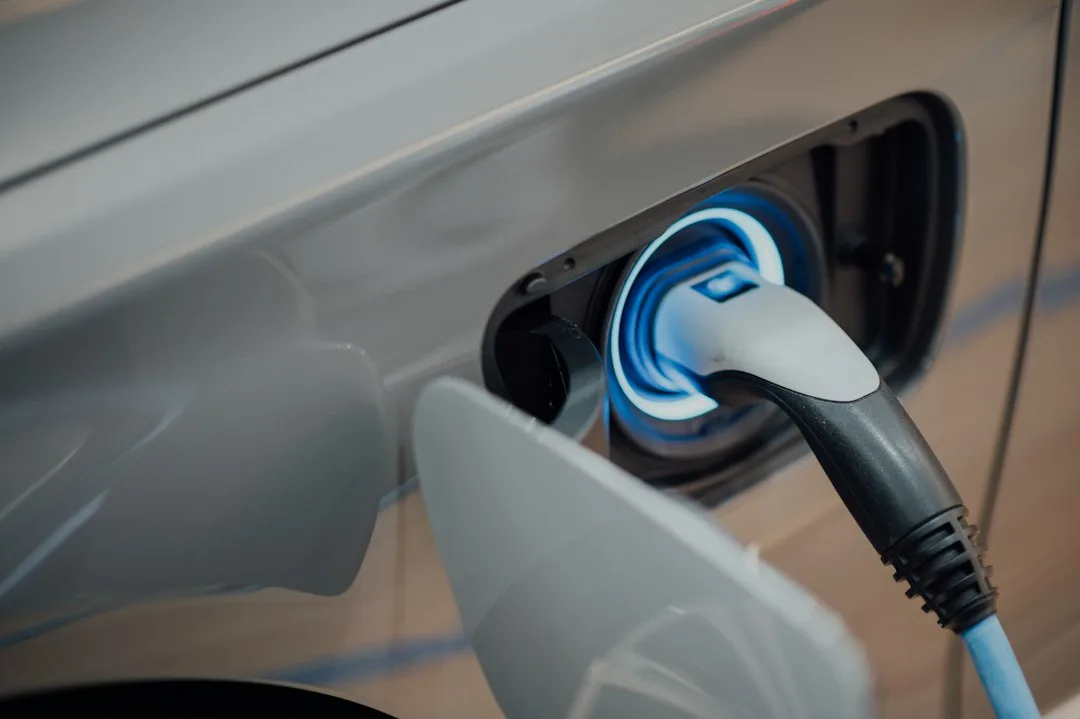
No report is a mechanical inspection. Unreported collisions, poor repairs and worn parts may never appear. The National Insurance Crime Bureau’s free VIN lookup is another screen, and the NHTSA recall search shows whether a safety recall is still open. If the model receives over-the-air software updates, ask whether account access and connected features can pass to a new owner.
Ask to see the title status too. Salvage, rebuilt and flood brands can affect registration, insurance and resale, and rules vary by state. Confirm when the title will be released, since you may be unable to register the car without it.
Inspect as much as the auction allows
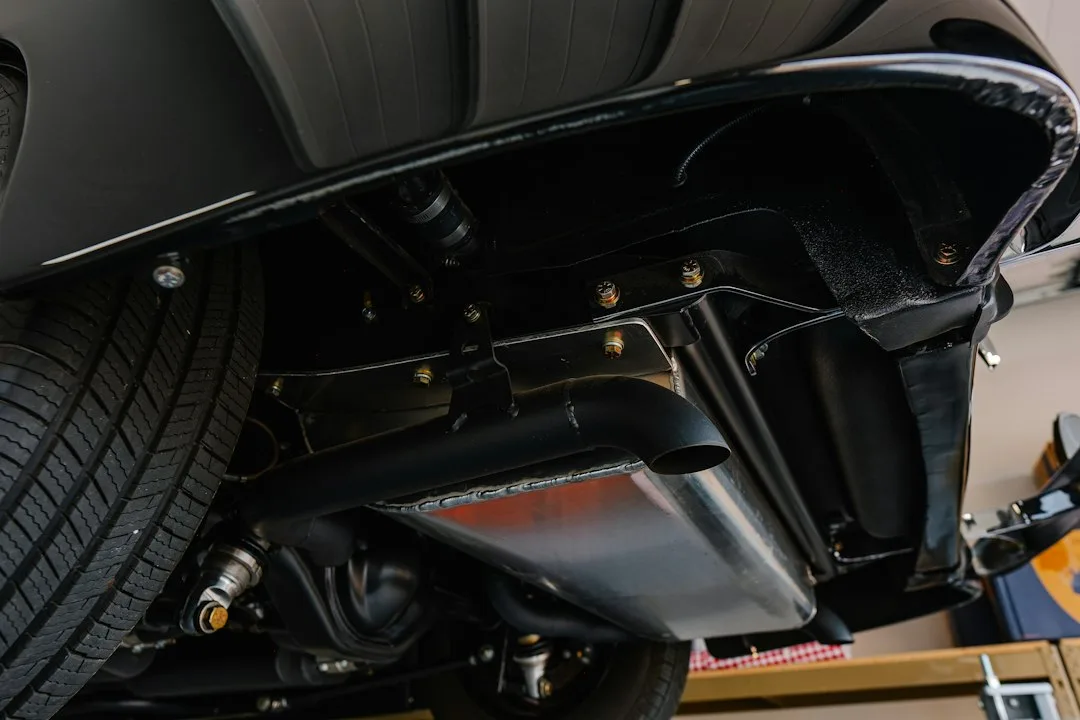
Use the preview period. Some auctions let you start the engine or bring a mechanic, while others allow only a walk-around. Test drives are often unavailable, so lower your bid to reflect what you cannot check, or skip the lot.
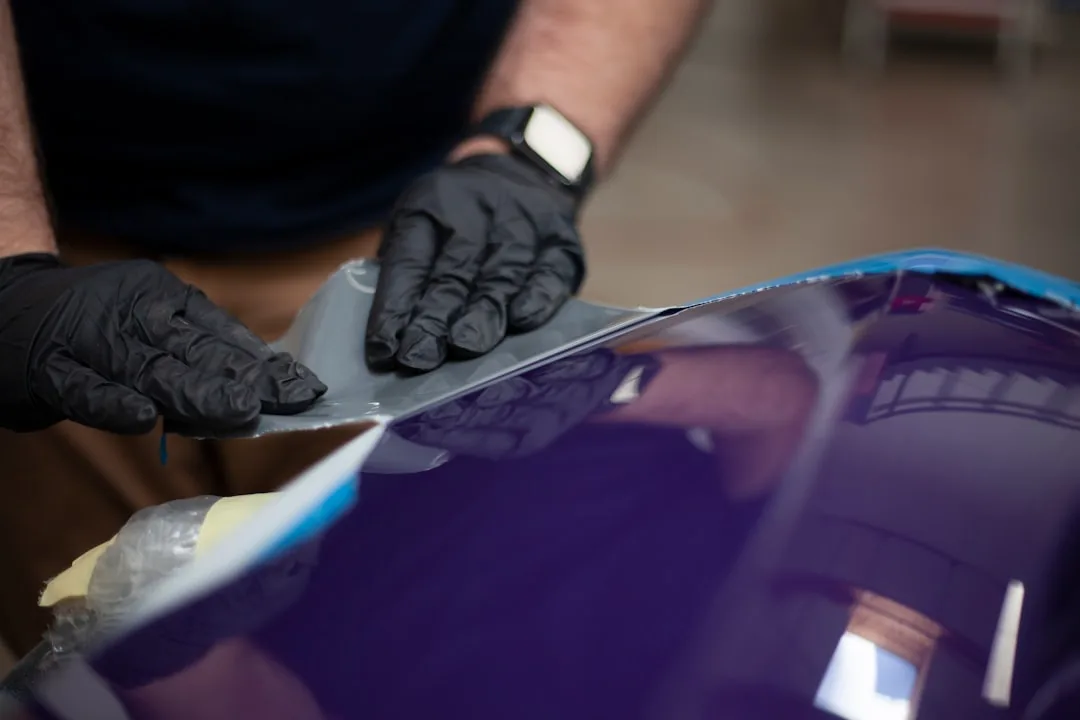
A fresh wash can make a tired car look cared for. Judge the paint separately from the structure, and do not pay extra for shine. Cosmetic care such as paint protection film belongs in a later budget, after mechanical and safety work.
Bidding mistakes that erase the savings
The common error is comparing a bare auction bid with a dealer’s or private seller’s asking price. Suppose a car seems cheap in the lane, then picks up a buyer’s premium, a tow and a set of tires. The gap can shrink or disappear, especially if a warning light turns into a major repair.
Research comparable cars by year, trim, mileage and title status before the sale. Shortlist more than one vehicle so no single lot feels urgent. Confirm each lot number before raising your hand or clicking, because an accidental bid may still be binding.
An auction also has a real limit: even careful preparation cannot reveal every fault. If this would be your only car and a large repair would strain you, a seller who allows a test drive and an independent inspection may be the safer choice.
Paperwork and pickup after you win
Check the invoice against your fee estimate before paying, and keep the listing, condition report, announcements and receipts. If arbitration is available, inspect the car immediately and file within the stated window. Taking the car off the lot may end some options, so confirm that first.
Arrange insurance, temporary registration and transport before sale day. A car without valid plates, current coverage or safe brakes should not be driven home. Ask when storage charges begin, then book a mechanic to check fluids, tires, brakes and any open recall before regular use.