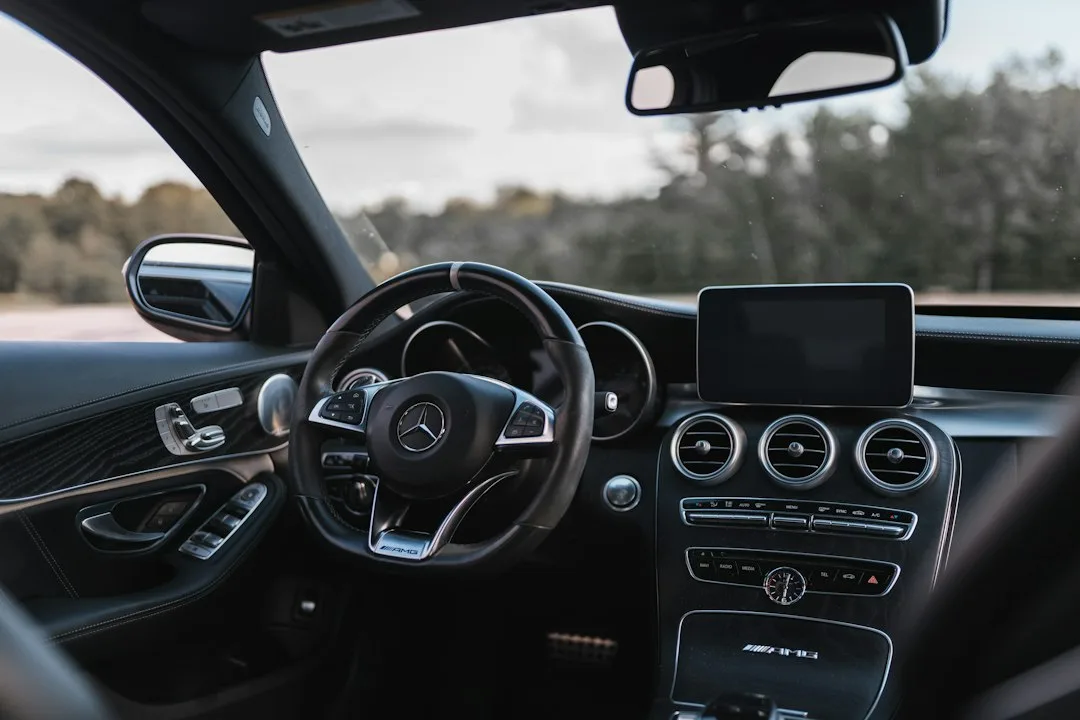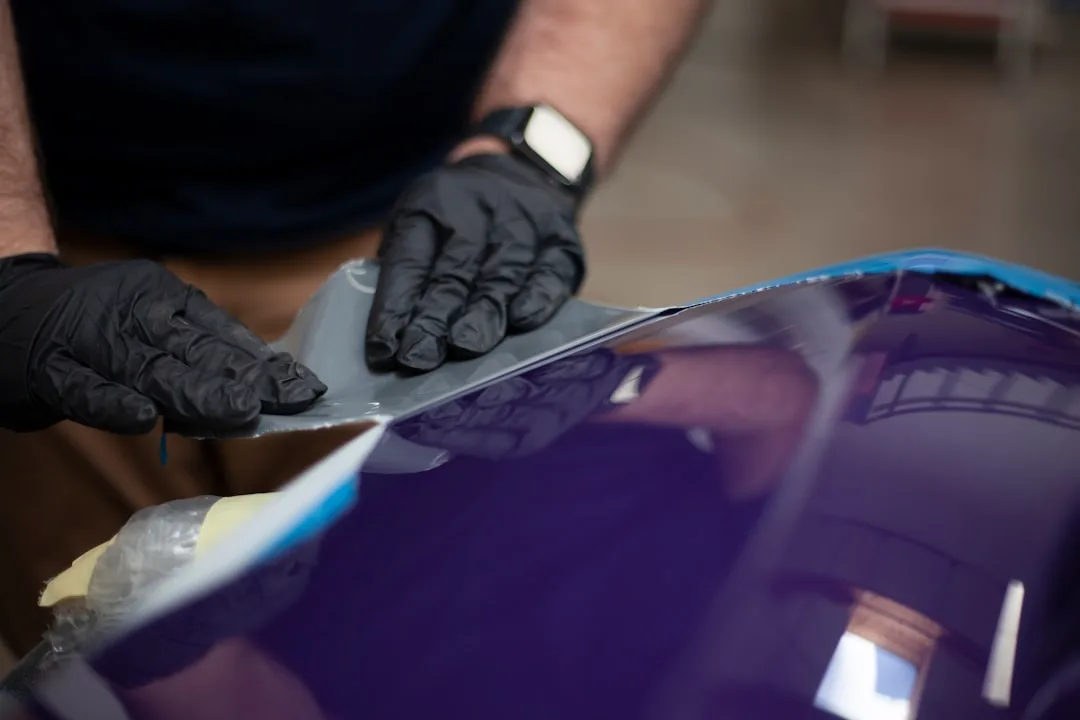
A rock chip the size of a pencil eraser hits your hood at 65 miles per hour. Six months ago, that meant a $400 repair and weeks of scheduling. Today, vehicle paint protection film absorbs that impact, self-heals, and your finish looks untouched. This is why paint protection film has become the single fastest-growing aftermarket installation across dealerships and independent shops in 2026.
Why Dealerships Now Bundle Paint Protection as Standard Upsell
Porsche, BMW, and Mercedes-Benz began offering factory paint protection film on new vehicles in early 2025. By mid-2026, this shift accelerated dramatically across brands. Tesla locations, Chevrolet dealerships, and Hyundai service centers now present paint protection film as a baseline option at delivery.
The reason is measurable. A vehicle with clear-coated protection maintains gloss and clarity for 10 years, while unprotected paint shows visible swirl marks, oxidation, and weathering within 18 months in harsh climates. Dealerships recognize this durability directly impacts trade-in appraisals and customer satisfaction metrics.
The film itself is typically a thermoplastic polyurethane (TPU) layer, 150–200 microns thick, with built-in self-healing chemistry that allows minor scratches to vanish when exposed to heat. XPEL, 3M, and Suntek remain the three most specified brands at dealerships nationwide, each offering 10-year warranties against yellowing, cracking, or peeling when professionally installed.
Quick Tips
- Request full-body coverage over partial hood-and-bumper kits if you drive highways or gravel roads regularly.
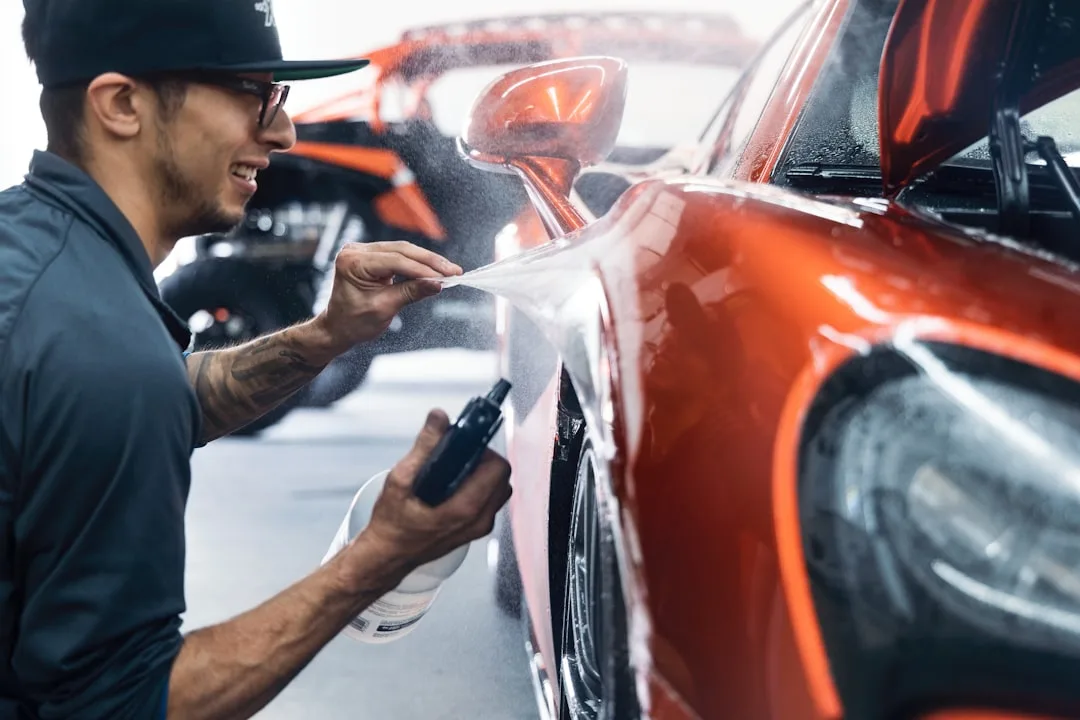
- Verify the installer uses a slip solution method (water-based application) rather than air-dry, which leaves bubbles and peeling edges.
- Ask for edge-sealing treatment to prevent moisture infiltration at film boundaries—this extends lifespan by 3–5 years.
- Schedule installation within one week of vehicle delivery to protect against environmental contamination and oxidation.
How Self-Healing Chemistry Eliminates Swirl Mark Anxiety
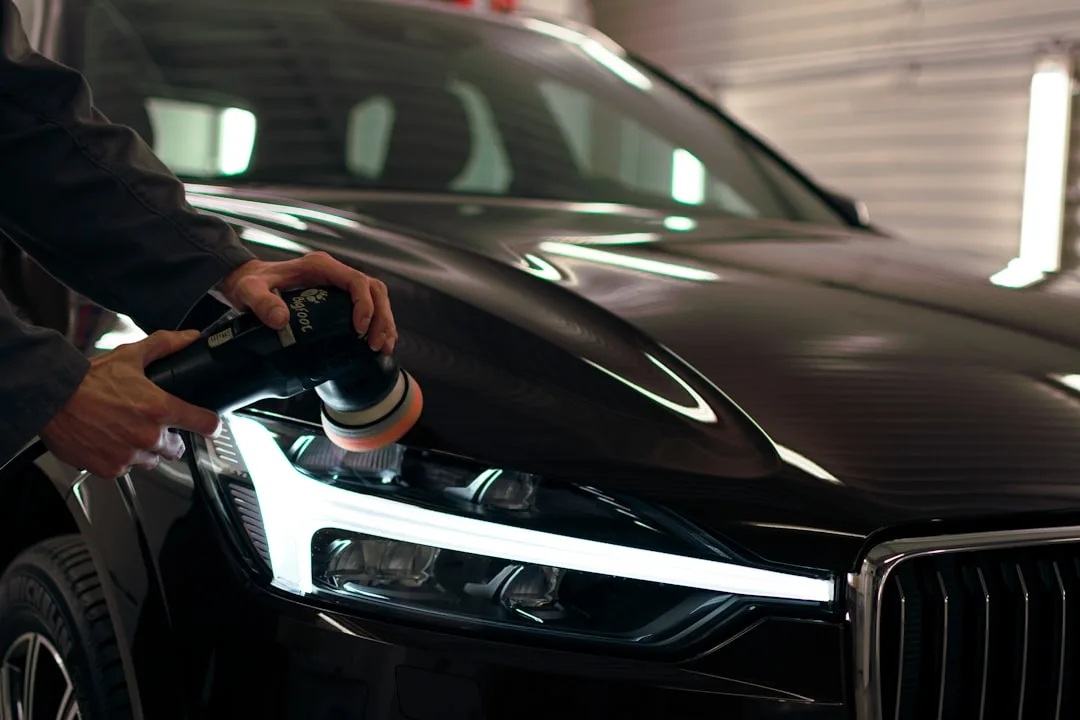
The breakthrough in paint protection film is not the material itself—clear protective coatings existed in the 1990s. The innovation is reversible micro-scratches that disappear when heated above 140°F (60°C). Suntek’s UltraPhantom and 3M Crystalline both integrate this feature, meaning parking lot door dings and light abrasion vanish after sitting in summer sun or a warm garage.
This eliminates the single largest complaint car owners had about unprotected finishes: swirl marks from improper washing or automated car washes. A study by the Automotive Aftermarket Industry Association in 2025 found that 68% of premium vehicle owners cite paint damage as their top reason for resale hesitation. Paint protection film addresses that anxiety directly.
The clarity difference matters too. Premium films maintain optical transparency—light transmits through without haze or yellowing. Budget films from unknown suppliers begin clouding after 3–4 years, which defeats the purpose of protecting color-matched paint underneath.
| Film Brand | Warranty Duration | Self-Healing Feature |
|---|---|---|
| XPEL Ultimate Plus | 10 years | Yes, full-coverage self-healing |
| 3M Crystalline | 10 years | Yes, micro-scratch reversal |
| Suntek UltraPhantom | 10 years | Yes, heat-activated healing |
| Generic TPU film | 2–3 years | No, static protection only |
The Resale Value Multiplication That Justifies Installation Cost
A vehicle with flawless, undamaged original paint commands 12–18% higher resale value than one with visible imperfections. This difference translates directly to dollars. On a $45,000 sedan, protection-film-maintained finish versus swirl-marked finish means a $5,400–$8,100 swing in market value at trade-in three years later.
Installation ranges from $800–$1,200 for full-body coverage on a sedan, applied across hood, front fenders, door handles, and front bumper. This investment pays for itself in preserved resale value alone, before considering the elimination of $200–$400 spot repairs and repainting jobs that owners would otherwise experience. Many buyers now view paint protection film as part of vehicle preservation strategy similar to certified pre-owned market decisions around maintenance documentation.
The math becomes even clearer for luxury vehicles. A BMW 7-Series or Mercedes-AMG owner protecting a $90,000+ paint job invests $1,200 to safeguard $15,000–$20,000 in finish quality, which translates to resale retention of $18,000–$27,000 over five years. Dealers now finance paint protection film as part of extended service packages, amortizing the cost across $30–$60 monthly increments.
Where Owners Make the Critical Mistake: Partial Coverage Trap
The Full-Coverage Advantage Over Time
Comprehensive paint protection film coverage—extending from the hood across the entire front end, side mirrors, door handles, roof, and rear quarter panels—represents a fundamentally different investment strategy than partial protection. When applied correctly, full coverage creates a seamless barrier that prevents stone chips, bug damage, UV oxidation, and minor scratches across all high-impact zones simultaneously.
The durability advantage compounds over vehicle ownership cycles. A five-year-old vehicle with full PPF coverage maintains a paint finish indistinguishable from new condition, while partial coverage leaves visible transitions and unprotected areas that oxidize differently. This consistency matters significantly when selling or trading the vehicle, as potential buyers immediately recognize the preservation quality. Dealership appraisers and certified pre-owned vehicle market evaluators document original paint condition as a primary valuation factor, meaning comprehensive protection directly translates to measurable resale premiums.
Installation quality becomes the limiting factor rather than coverage scope. Professional applications using self-healing films cost $2,500–$4,500 but remain warrantied for seven to ten years, whereas budget installations at $800–$1,200 may yellow or separate within three years. The cost-per-year calculation shifts dramatically: premium full coverage costs roughly $300–$450 annually over its lifespan, while budget partial coverage effectively costs $267–$400 annually but offers inferior protection and longevity, making the premium option the economically rational choice for vehicles worth $35,000 or more.
Integration With Modern Vehicle Technology
Contemporary vehicle designs incorporate advanced sensors, camera systems, and automated safety features across front bumpers, hood edges, and door handle zones—precisely the areas where paint protection film is most critical. Installation specialists must work around these technology integration points without compromising sensor functionality or camera calibration.
This technical complexity mirrors broader automotive trends, including autonomous vehicle adoption reshaping how families plan daily commutes and expect their vehicles to maintain pristine condition. As vehicles become more technology-dependent, maintaining flawless paint around these integrated systems preserves both aesthetic value and technological reliability. Premium PPF applications now include precise cutouts and edge treatments that maintain sensor sightlines while protecting surrounding paint, representing a specialized skill commanding higher labor costs but ensuring comprehensive vehicle preservation.