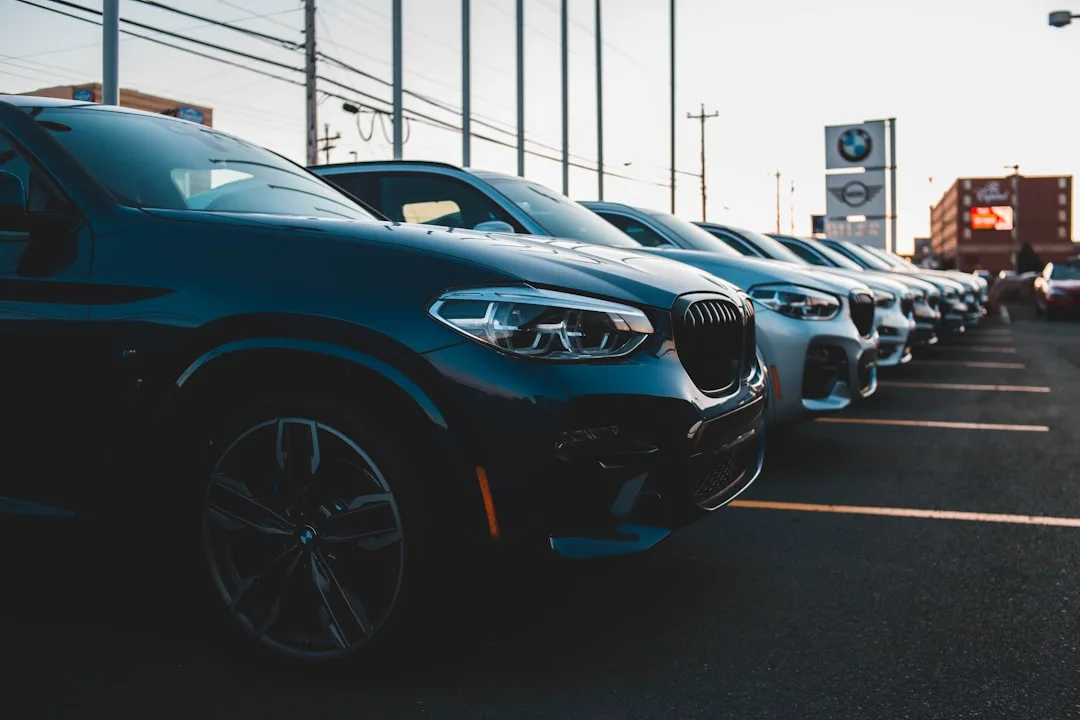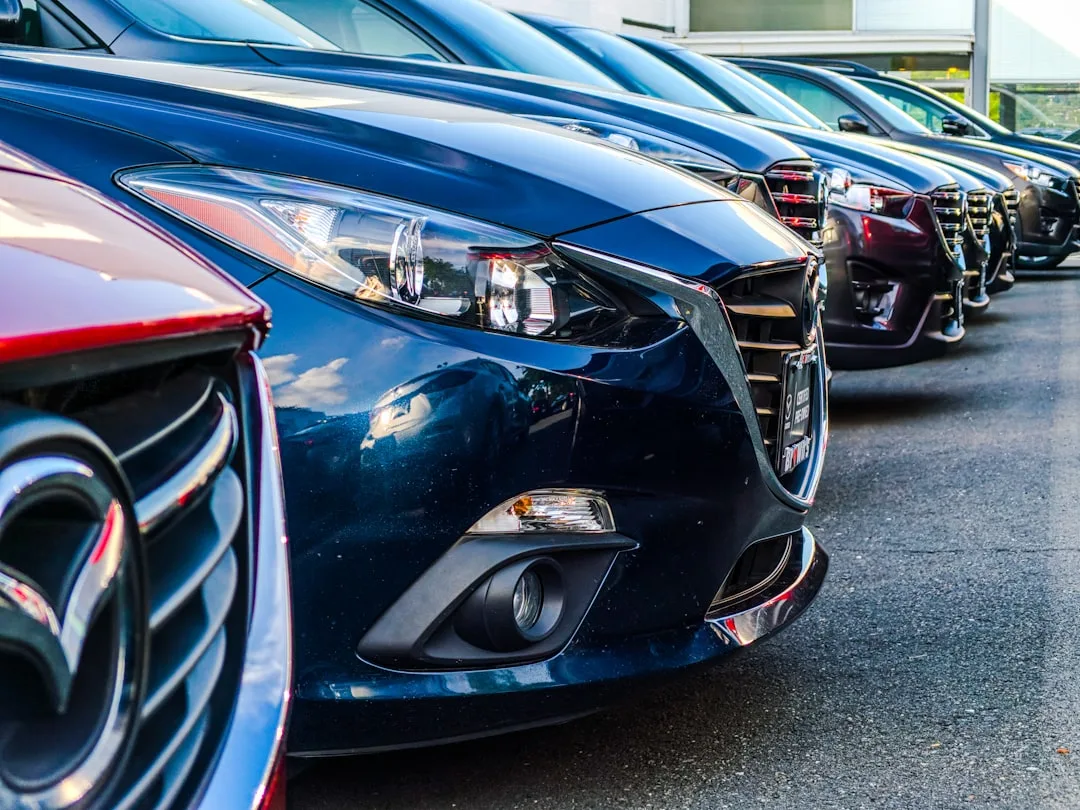
The average vehicle buyer in 2026 is spending 12–18 months researching extended coverage options before signing paperwork. Vehicle warranty protection plans have transformed from a dealer upsell into a primary purchasing lever, competing with interest rates and down-payment size for decision weight. This shift reflects a harder truth: repair costs have climbed, supply chain delays have lengthened service wait times, and depreciation punishes owners who skip coverage.
When you skip extended warranty protection, you’re betting against one major failure. One transmission replacement or engine sensor cluster can cost $4,000–$8,000 out of pocket.
Why extended coverage has become non-negotiable for modern buyers
Hyundai and Kia saw a 34% increase in extended warranty uptake across their 2026 model lineup, with buyers citing electronics complexity as the primary reason. Modern vehicles contain 150+ sensors, infotainment systems with wireless updates, and battery management units that dealers often cannot diagnose without specialized factory equipment.
The real cost isn’t the repair itself—it’s the diagnostic fee ($150–$300) multiplied by the trial-and-error process many independent shops require. Factory-backed warranty plans waive or reduce diagnostics entirely. That alone justifies coverage for many buyers.
Toyota and Lexus dealers report that luxury-model buyers now negotiate warranty terms as aggressively as they negotiate price. This wasn’t the case in 2024.
Quick Tips
How Warranty Coverage Compares Across Vehicle Types
Luxury sedans, SUVs, and trucks come with vastly different warranty structures. Premium manufacturers often bundle extended coverage as standard, while economy brands require buyers to purchase add-on plans. The gap between OEM (original equipment manufacturer) warranties and aftermarket plans has narrowed as competition intensifies in the market.
When shopping for a pre-owned vehicle, understanding these differences becomes crucial. A used luxury model may retain manufacturer coverage that transfers to the new owner, while an economy vehicle sold through independent dealers typically includes only what the seller provides. This is why the certified pre-owned vehicle market dominates 2026 auto purchases—manufacturers’ certified programs guarantee specific warranty terms that private sales cannot match.
SUV and truck buyers tend to prioritize drivetrain coverage more than sedan purchasers, reflecting usage patterns and repair costs. A transmission failure on a heavy-duty truck can exceed $8,000, making warranty protection essential for this segment.
The Role of Diagnostics and Software in Modern Warranties
Today’s vehicles contain sophisticated computer systems that trigger warranty claims through diagnostic trouble codes. Dealerships now require certified technicians to read and interpret these codes, and warranty terms specify which software-related repairs qualify for coverage. This is a significant shift from mechanical failures alone.
Electric and hybrid vehicles introduce additional complexity. Battery degradation, software updates, and charging system failures fall under warranty protection, but the specifics vary wildly between manufacturers. Some cover battery capacity loss beyond 70% after eight years, while others do not. Reading the fine print on electrical component coverage has become as important as understanding traditional mechanical warranties.
Consumers must ask whether diagnostic scans and labor for software resets are covered at no cost. Some dealerships charge $150–$300 for initial diagnostics, even on warranty claims. Coverage details in the fine print determine whether these costs apply.
Transferability and Resale Value Impact
A warranty that transfers to the next owner significantly boosts resale value—typically adding $500–$1,200 depending on the remaining coverage period and vehicle price point. Buyers of used vehicles specifically seek out non-transferable warranties and factor that loss into their offers.
Not all warranties transfer automatically. Some require the original owner to remain the primary user, while others impose a fee for transfer. A few manufacturers restrict transferability to first owners only, meaning the vehicle loses all coverage once sold. Understanding these terms before purchase prevents painful surprises at trade-in time.
As vehicle ownership patterns shift and more buyers consider autonomous or semi-autonomous features in their commutes, warranty transferability becomes even more valuable. Autonomous vehicle adoption reshapes how families plan daily commutes, and resale considerations now factor heavily into ownership decisions where they once did not.
Reading Exclusions and Coverage Gaps
Every warranty contains an exclusion list—a section that defines what is not covered. These lists are intentionally dense and technical, which means most buyers skip them entirely. Common exclusions include wear items (brake pads, wiper blades, air filters), pre-existing conditions, damage from accidents or misuse, and cosmetic damage.
Maintenance-related items represent the largest gray area. Some warranties exclude coverage if owners fail to follow the manufacturer’s maintenance schedule exactly. Others only require reasonable maintenance to void coverage on specific components. The difference between “reasonable” and “required” has sparked numerous warranty disputes.
Corrosion, rust, and weather-related damage typically fall outside standard coverage, even though they represent significant repair costs in certain climates. Gap insurance—which covers the difference between a vehicle’s value and outstanding loan balance—is separate from warranty coverage and serves a different purpose entirely, but both protect financial interests in different ways.
Practical Resources: Checking and Verifying Your Vehicle Warranty
Ten tools for turning warranty and service-contract decisions into checkable facts — from confirming a vehicle’s history to pricing out a repair before you agree to pay for coverage.
What’s actually the difference between a warranty and an “extended warranty,” and how do I avoid the scam calls about it?
How reliable is my car’s brand compared to others, so I can judge how much warranty risk I’m actually carrying?
How do I check a specific model’s crash-test results before I commit to it?
What exactly does my factory warranty cover, and for how long?
Where do I check whether my car has an open recall before deciding I need extra coverage?
How is a hybrid or EV battery warranty actually structured, since terms vary so much between brands?
If I’m buying used, how do I check whether the car was ever reported stolen or written off as a total loss?
How do I pull up my own vehicle’s exact warranty guide and coverage dates?
How do I check whether an extended-warranty company is actually legitimate before I pay them?
How do I estimate what a specific repair would actually cost, so I can judge whether a service contract is worth the price?