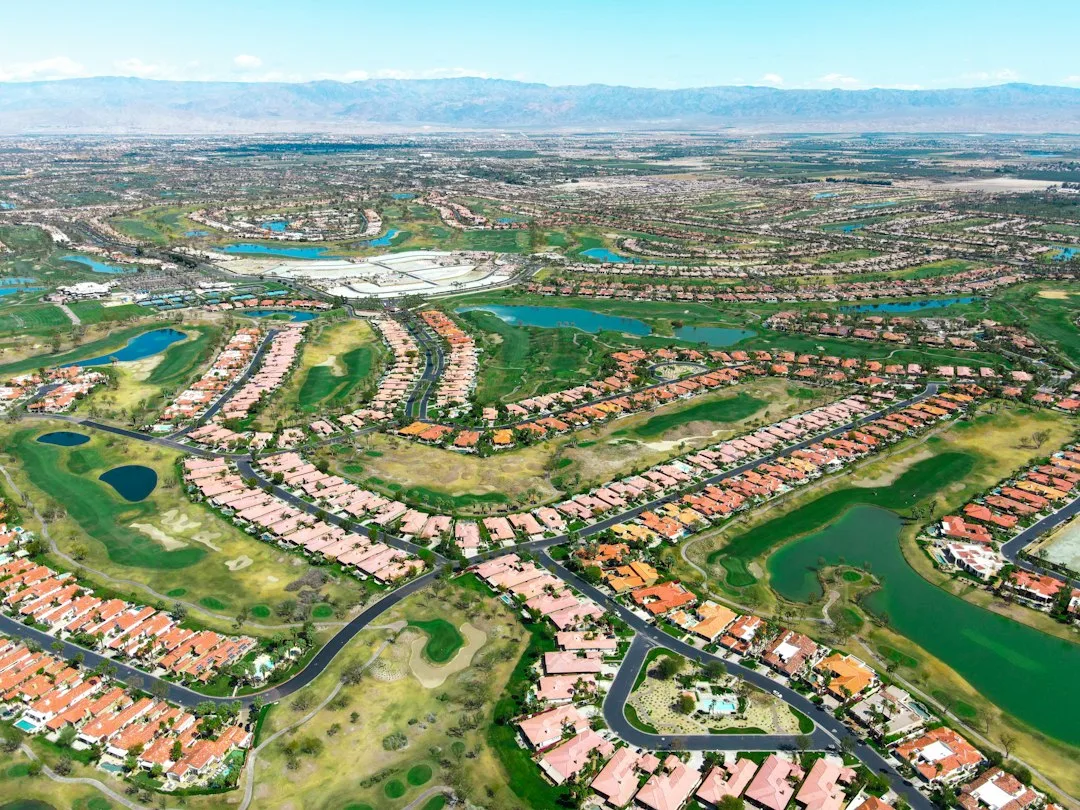
Del Webb communities are selling faster than developers can break ground. Retirement community real estate has shifted from a niche market of assisted-living towers into a mainstream real estate category where $300K–$500K properties move within weeks, and waitlists stretch into years. This isn’t accidental; it reflects a structural change in how Americans age, where they want to live, and what developers now build.
The National Association of Home Builders reports that active adult communities (55+ age-restricted neighborhoods) now represent approximately 6% of all new single-family home construction—up from 2% a decade ago. Boomers aren’t downsizing into apartments; they’re moving laterally into brand-new neighborhoods with their own governance, amenities, and strict architectural codes.
Why is retirement community real estate accelerating right now? Three converging forces: higher life expectancy (Americans now live 5–7 years longer than in 2010), stock market volatility pushing retirees to lock in home equity, and empty-nest baby boomers who refuse to live in their parents’ retirement model.
Sun Belt Demand Outpaces Supply in Master-Planned Developments
Arizona, Florida, and the Carolinas lead the trend. Meritage Homes and Lennar Corporation have entire divisions dedicated to 55+ communities, each rolling out 500–2,000-unit neighborhoods every 18 months. Phoenix’s Buckeye Valley suburb alone has three new active-adult communities approved through 2028, with pricing starting at $275K for a two-bedroom villa and climbing to $550K for a three-bedroom golf-course home.
The supply constraint is real. Zoning restrictions, land costs, and the long approval process mean that a master-planned 55+ community takes 5–7 years from acquisition to first closing. Developers learned this lesson: build it and it will sell faster than you can finish the clubhouse.
Secondary Sun Belt markets are capturing overflow. Instead of saturating Phoenix or Tampa, builders are moving to Boise, Greenville, and Tucson—where land is cheaper and buyers from coastal states view the entire region as relatively affordable. A person selling a $1.2M home in Los Angeles can buy a primary home and a rental villa in Arizona with capital left over.
Quick Tips
- Verify that 55+ age restrictions hold legal weight in your state—California and some others limit enforcement options.
- Request a 5-year capital reserve study; communities with underfunded reserves will raise HOA fees dramatically.
- Check whether the builder retains control of the HOA board; some structures limit resident governance for years.
- Inspect amenities that matter to you in person—photos don’t reveal sunlight, noise, or crowd patterns.
Amenity-Driven Pricing Commands 20-Percent Premiums Over Standard Homes
The most common mistake buyers make is underestimating the amenity cost. A home in a standard suburban neighborhood may sell for $350K; the identical floor plan two miles away in an age-restricted community with a championship 18-hole golf course, spa, and activities director sells for $420K–$450K. The home didn’t get better; the neighborhood did.
This 20–30% premium persists across market cycles because the amenity set is not replicable elsewhere. You cannot buy golf course access independently; you can only buy into the community that owns it. Lennar’s Buckeye Valley community charges a $315/month amenity fee on top of a $180/month HOA fee, plus annual golf membership dues.
That structure incentivizes retention. Once you’ve paid the premium and locked in a 2.5% mortgage rate (many retirees do), selling to move to a cheaper non-amenity community doesn’t pencil out financially. This creates sticky inventory, meaning resale homes in top-amenity communities appreciate predictably.
| Community Type | Typical Home Price | Monthly Amenity + HOA |
|---|---|---|
| Standard 55+ (basic clubhouse) | $280K–$350K | $200–$280 |
| Golf-centric community | $380K–$520K | $380–$550 |
| Luxury resort-style (spa, resort pool) | $520K–$750K | $550–$850 |
| Urban age-restricted apartment | $250K–$380K | $400–$650 |
Investor Interest Turns Resale Units Into Rental Income Plays
A new class of investor has entered the retirement community market: younger retirees (62–72) with capital who buy two to four homes in the same community, live in one, and rent the others as long-term rentals to active-adult renters. This is legal in most communities but creates tension because most age restrictions permit residents aged 55+ in the majority of units.
An investor buying a $400K home in a golf community, renting it for $2,200/month (all-in rent covers the mortgage, fees, and property tax), locks in a 6.6% cash-on-cash return before appreciation. If that home appreciates 3% annually, the investor gains $12,000 in year-one appreciation plus $10,000 in net rental income. That’s a 5.5% annual return stacked with leverage.
Developers now market resale inventory to investors as part of their expansion pitch. Meritage will reserve 10–15 resale units in a new community and broker them to institutional investors at a small markup, speeding capital returns and fueling the next phase of construction.
Architectural Codes and HOA Control Protect Community Cohesion
Retirement community real estate success hinges on strict governance. Every home exterior requires HOA approval before renovation; roofing colors, landscaping style, and even mailbox finishes are regulated. Some communities prohibit short-term rentals entirely (Airbnb stays banned) to preserve the residential feel.
This is why knowing a real estate attorney even when not selling your home matters in retirement communities. CC&Rs (covenants, conditions, and restrictions) often run 40–60 pages. A clause that seems minor—say, allowing only hardscape landscaping in corner lots—can block your dream renovation plan.
Del Webb and similar builders have learned that strictness actually increases resale value. Buyers in active-adult communities don’t want a neighbor painting their house hot pink or parking an RV in the driveway. This predictability is the real product being sold, not just the golf course.
The Succession Planning Blind Spot Nobody Addresses
Here’s the hard truth: most buyers don’t plan what happens when they can no longer stay in their home. A $450K retirement home becomes an illiquid asset if the owner requires assisted living care, which age-restricted communities typically don’t provide. Families scramble to sell a home on short notice into a buyer pool of 55+ folks, many of whom are looking to buy once, not twice.
The smartest buyers now build a two-home strategy. They buy a primary home in a retirement community and a smaller condo or townhouse near adult children in a different city—insuring they have an exit option. This is why essential tips for selecting your ideal real estate home should include succession planning from day one, not year fifteen.
Communities that offer on-site assisted living or partnerships with nearby care facilities command pricing premiums and faster sales. A $500K home in a community with on-site memory care beds sells with less anxiety because the path forward feels defined.
Resale Markets Are Fragmenting by Builder Brand and Amenity Tier
Unlike standard neighborhoods where resale comps are straightforward, retirement community real estate resale values depend heavily on the builder’s reputation and the specific amenity set. A 20-year-old Del Webb home maintains resale appeal; a 20-year-old independent-builder community in the same market may struggle.
This brand stickiness creates moats. Buyers know Del Webb homes will hold value and carry recognizable HOA governance. Smaller developers, even if their original community was well-built, suffer from buyer uncertainty about long-term community health and appeal to next-generation retirees.
The takeaway: retirement community real estate is no longer a niche category—it’s the fastest-growing residential segment in the U.S., driven by demographic necessity and investor capital. The next buyer in this space should understand supply constraints, amenity pricing mechanics, and the long-term governance structures that make or break resale equity.