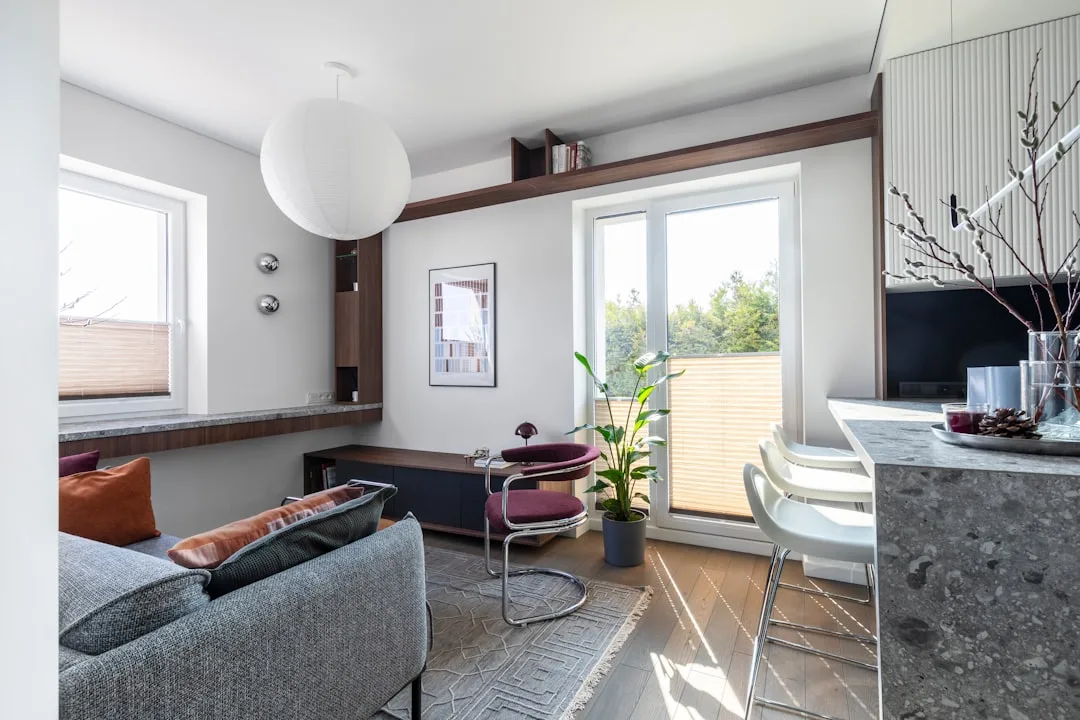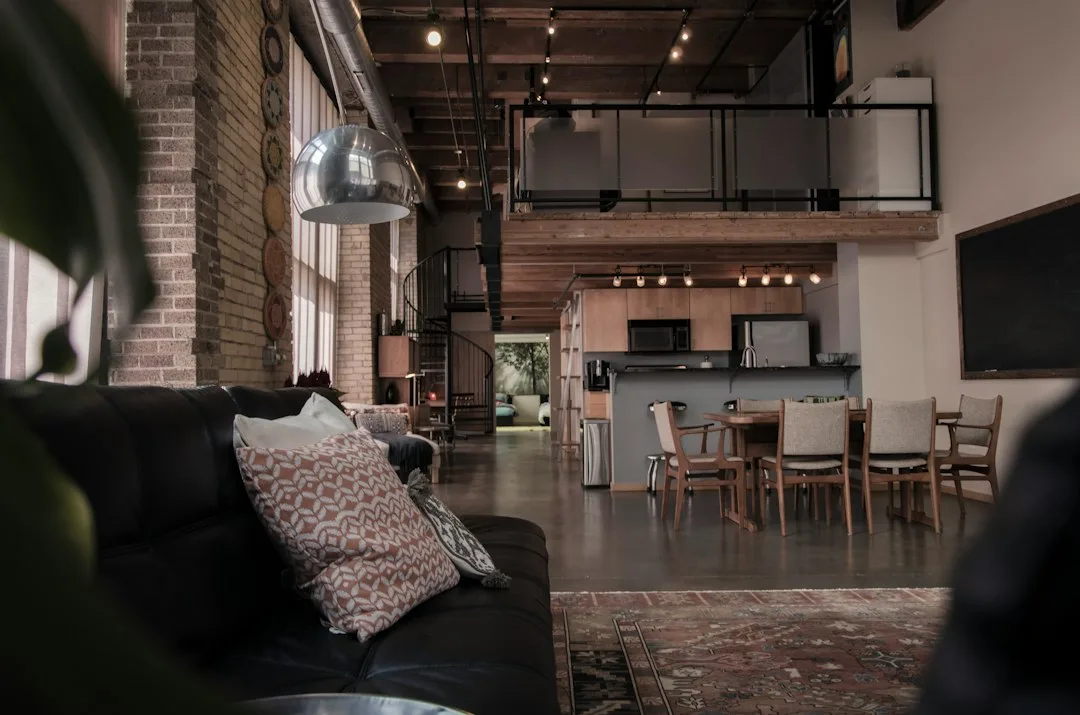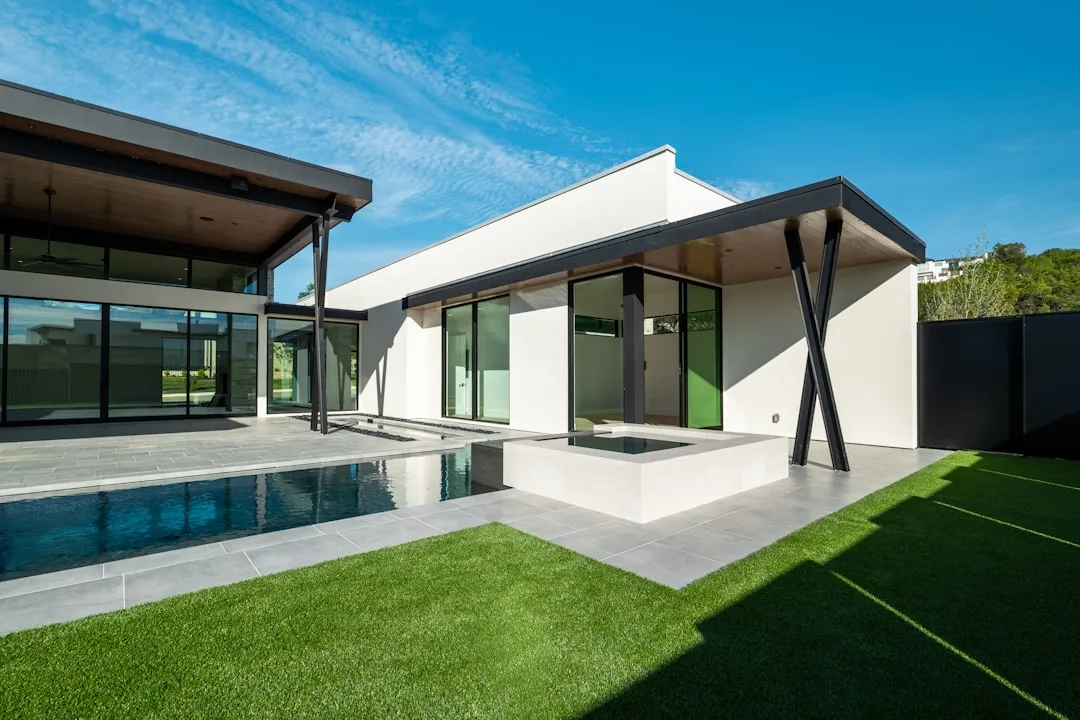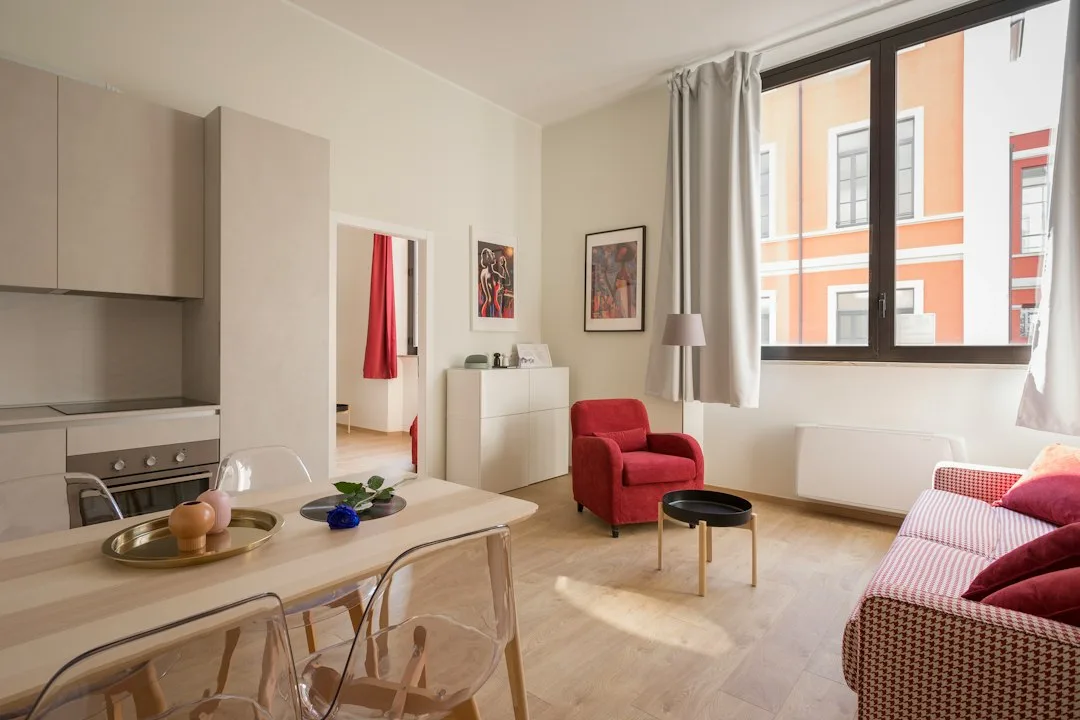
In July 2026, WeWork opened its third residential co-living property in Austin, Texas, underscoring a seismic shift in how renters and real estate investors view shared urban housing. Co-living spaces real estate has moved from niche startup experiment to mainstream investment category, reshaping how developers monetize mid-rise properties and how young professionals access city living. The model combines private bedrooms—each with ensuite bathrooms—alongside professionally managed common areas: chef kitchens, coworking zones, fitness facilities, rooftop lounges, and event spaces.
Three years ago, co-living felt experimental. Today, it’s a rational response to two linked market realities: rent-to-income ratios that have become unsustainable for single-bedroom leases, and a generation of knowledge workers seeking built-in community rather than isolated studio apartments. Developers tracking this trend report 34% growth in co-living unit inventory across the top 20 US metros in the past 18 months.
Why Developers Are Prioritizing the Co-living Model
A 2,500-square-foot floor plate that once held eight conventional one-bedroom apartments now holds twelve co-living suites plus 400 square feet of premium shared space. The math works because individual bedroom rents are lower—typically $1,200 to $1,800 depending on metro—but occupancy density and per-square-foot revenue rise significantly. The investor captures higher yields without building outward.
Blok Living, a UK-based operator expanding aggressively into San Francisco and Los Angeles, reports that co-living properties achieve 98% occupancy year-round, compared to 92% for conventional apartments. That consistency matters because it stabilizes cash flow and reduces the financial exposure of long-term mortgages. Lenders now recognize co-living as a distinct asset class with lower default risk than student housing or traditional multifamily.
A second driver: the professional amenity suite becomes revenue-generating. Blok charges residents an optional $60 to $90 per month for premium workspace access, events, and utilities included in the community. Some operators sublicense rooftop or ground-floor social space to restaurants, yoga studios, or corporate retreat coordinators, creating a secondary income stream that conventional apartments cannot support.
Quick Tips
- Verify operator track record: ask for 24-month occupancy data and resident retention rates before investing.
- Scrutinize lease terms: co-living leases are shorter (typically 6–12 months). Model cash flow with realistic turnover costs.
- Evaluate the community manager role: professional staff quality directly impacts reputation and repeat leasing.
- Check zoning and building code compliance: co-living occupancy classifications vary by municipality and can affect financing.
- Review the furniture and finishings spec: wear-and-tear in shared kitchens and lounges runs higher than standard apartments.
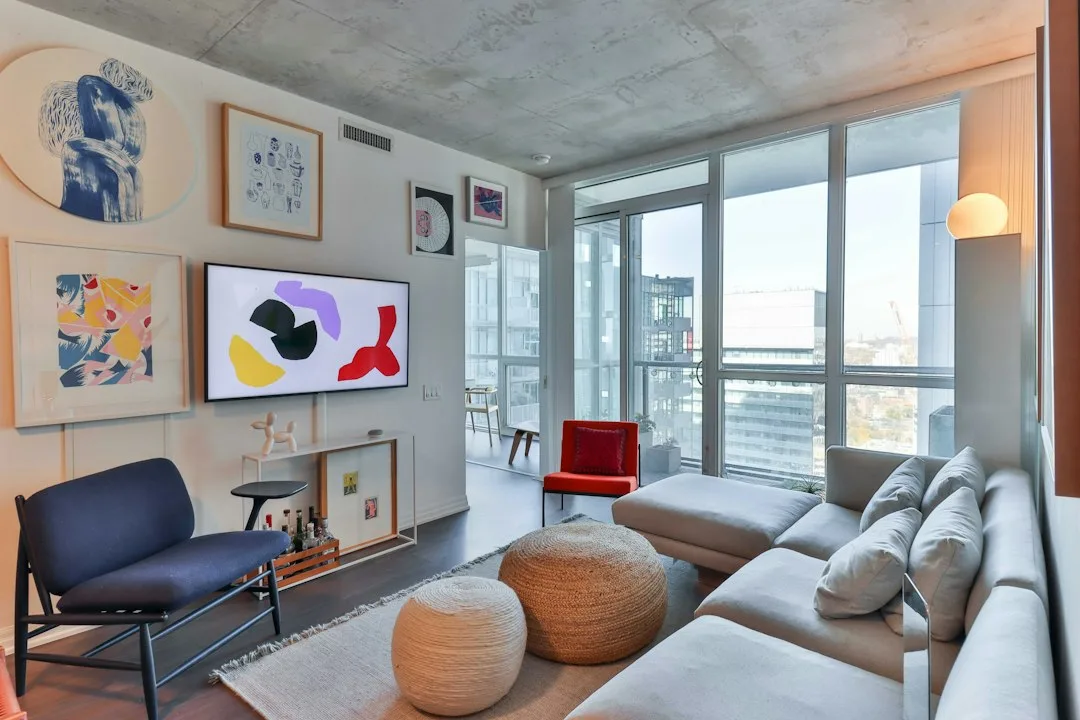
Co-living spaces reshape affordability for renters and returns for investors
In San Francisco, a private one-bedroom in a mainstream apartment building averages $3,100 monthly. A co-living bedroom in the same neighborhood, with furniture, utilities, and community programming included, runs $1,550. That’s a 50% reduction in out-of-pocket housing cost, a difference that allows a remote worker earning $65,000 annually to live in a desirable zip code without spending more than 28% of gross income on rent.
For an investor buying a 40-unit co-living property at $8 million, gross annual revenue from rents alone could exceed $750,000—before event space rental or premium membership fees. Traditional 40-unit apartment buildings in the same market generate closer to $580,000 in gross rent. The per-unit economics shift meaningfully.
This affordability thesis explains why co-living is thriving in supply-constrained cities. Demand from college graduates, career-changers, and remote workers who moved temporarily to a new city outpaces new single-family home construction and even traditional apartment delivery.
| Property Type | Avg Monthly Rent (SF) | Occupancy Rate |
|---|---|---|
| Traditional 1BR Apartment | $3,100 | 92% |
| Co-living Private Suite | $1,550 | 98% |
| Studio Apartment | $2,400 | 90% |
| Shared Student Housing | $1,200 | 85% |
The #1 Mistake: Underestimating Community Management Overhead
A 50-unit co-living building requires a full-time community manager, part-time event coordinator, and housekeeping staff focused entirely on common areas. A traditional 50-unit apartment needs a leasing agent and maintenance crew—period. Most first-time co-living investors budget for community staff at 6% of gross revenue; experienced operators spend 11% to 14%, and it shows in their resident satisfaction and retention metrics.
One Denver developer bought a converted office building, installed co-living suites, hired a single part-time manager, and staffed cleaning twice weekly. Within eight months, resident complaints about kitchen cleanliness and event noise escalated, occupancy dropped to 81%, and the property sold at a 22% discount. Buyers who subsequently hired two full-time community staff saw occupancy recover to 96% within six months.
The lesson: co-living economics depend on professional, present community stewardship. Cut that corner, and affordability becomes frustration.

Design Standards That Attract Longer Leases
Commons by Blok and Quarters (a Berlin-based operator) set a high bar: each private bedroom includes a queen bed, desk, storage, and an ensuite bathroom with rainfall shower and heated floors. The shared kitchen features commercial-grade appliances—Sub-Zero refrigeration, six-burner Wolf ranges—rather than builder-grade finishes. Lounges have curated furniture from Herman Miller and Vitra, not showroom-clearance pieces.
This design philosophy directly impacts turnover. Residents who would lease six months instead commit to 12. Word-of-mouth referrals improve occupancy velocity for new buildings. And when a co-living operator raises rent by 5% annually, residents tolerate it because the property feels premium, not utilitarian.
Financing becomes easier, too. Lenders underwriting co-living properties scrutinize finishes closely, because they signal the operator’s attention to the model and expected resident quality. Cheap finishes signal financial distress and trigger higher interest rates or loan denial.
Market Geography and Future Growth Drivers
Co-living is thriving in five US metros: San Francisco, Los Angeles, Austin, Denver, and New York. Secondary markets—Nashville, Phoenix, Charlotte—are emerging as co-living hot zones because affordability premiums are less steep (private suites run $1,000 to $1,200 versus $2,800 for conventional one-bedrooms), yet investor returns remain attractive. Tech hub saturation means growth capital is now flowing to tier-two cities.
Remote work stability matters, too. Co-living thrives where residents have geographic flexibility but social connectivity needs. A fully distributed workforce has less need for co-living than a hybrid workforce, which explains why Austin—three days in-office norm—outpaces fully-remote Seattle in new co-living supply.
For investors evaluating entry, consult an attorney about local zoning and occupancy classification before acquisition. 5 Reasons to Know a Real Estate Attorney Even When Not Selling Your Home covers how legal expertise prevents costly compliance surprises post-purchase. Similarly, Essential Tips for Selecting Your Ideal Real Estate Home outlines due diligence frameworks that apply equally to owner-occupied and investment properties.
Co-living spaces real estate is no longer a speculative bet. It’s a rational response to supply scarcity, affordability pressure, and documented investor returns. For developers, it unlocks per-square-foot revenue that traditional apartments cannot reach. For renters, it delivers urban living at a 40–50% discount. That alignment of interests—supply-side yield, demand-side affordability—is why co-living is reshaping the real estate investment landscape right now.