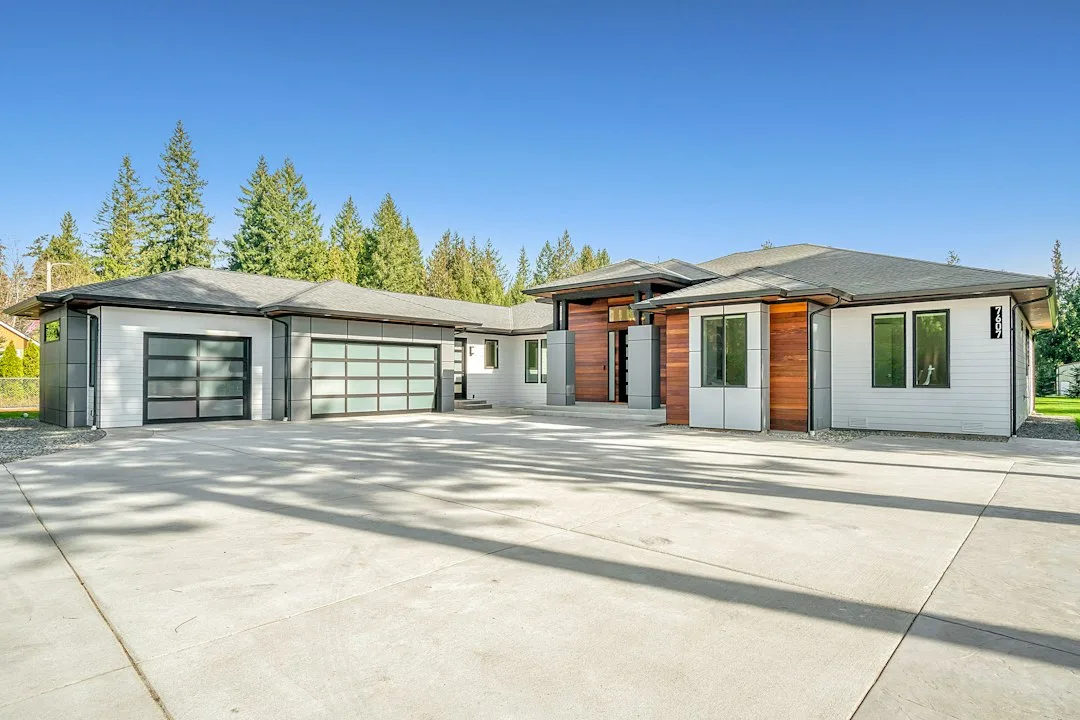
Three years ago, vacation rental investment was niche. Today, platforms like Airbnb and Vrbo have normalized the category, and institutional capital is flowing in fast. Vacation rental real estate investment now accounts for roughly 12% of all residential real estate purchases, up from 4% in 2023. Property managers are scaling, tax frameworks are clarifying, and returns are compelling for disciplined investors.
Why Vacation Rentals Outperform Traditional Rentals
The math is straightforward: a long-term residential tenant pays $1,800 per month in rent. A vacation rental in the same market generates $120–$200 per night during peak season, which translates to $3,600–$6,000 per month across six months, plus off-season bookings. That spread matters.
Booking platforms have removed the friction. Guests handle everything through apps—no landlord calls at midnight about a leaking faucet because guests know they’ll lose their deposit for damage and reviews tank fast. Management companies like Vacasa and Evolve Property Management now handle cleaning, maintenance, pricing automation, and guest communication for a 25–35% commission. This professionalization makes hands-off ownership viable.
Insurance and tax law have also matured. Mortgage lenders now recognize vacation rental income when underwriting and refinancing, meaning you can leverage equity faster than you could five years ago. This removes one of the biggest barriers to entry.
Quick Tips
- Focus on locations with year-round appeal—coastal towns, ski villages, national park gateways—not single-season markets
- Calculate occupancy rates realistically: aim for 60–70% occupancy in year one, not 85%+
- Budget 5–8% annually for property maintenance; vacation renters are harder on furnishings than long-term tenants
- Hire a property manager from day one; DIY vacation rental management burns out fast
- Verify local zoning and HOA rules before purchasing—many jurisdictions restrict or ban short-term rentals

Vacation Rental Real Estate Investment Hotspots
Not all vacation rental markets are created equal. Outer Banks, North Carolina has seen a 15% year-over-year appreciation in vacation rental properties since 2024, driven by remote work migration and reliable tourism. Denver, Colorado gained traction with ski season and tech worker relocation combined. South Florida markets like Clearwater remain steady performers despite seasonality.
Emerging secondary markets are outpacing saturated destinations. Small college towns near major metros—think Boulder, Colorado suburbs or Chapel Hill, North Carolina areas—are seeing investor interest because purchase prices are 30–40% lower than established vacation zones, yet visitor calendars remain strong through events and educational travel.
International markets are opening too. Tulum, Mexico and Lisbon, Portugal are attracting US capital, though currency risk and local tax complexity require expert guidance. Stick with North American properties unless you’re already comfortable with international real estate.
| Market | Average Nightly Rate | Estimated Annual Gross Revenue (60% occupancy) |
|---|---|---|
| Outer Banks, NC | $180–$240 | $39,600–$52,560 |
| Denver/Boulder, CO | $160–$210 | $35,040–$45,990 |
| Clearwater/Tampa, FL | $140–$190 | $30,660–$41,610 |
| Asheville, NC | $150–$200 | $32,850–$43,800 |
| Sedona, AZ | $200–$280 | $43,800–$61,320 |
The Biggest Mistake: Overpaying for Turnkey Packages
One concrete failure: a buyer in Destin, Florida purchased a turnkey vacation rental package from a development firm for $485,000 in 2025. The firm promised 8% annual returns, handled all management, and guaranteed buyback. Reality: the market flooded with identical units from the same developer, occupancy rates dropped to 38%, and the buyback clause had fine print exempting them if prices fell. Within 18 months, the property was worth $380,000 and generating $12,000 annually instead of the promised $38,800.
The lesson: never buy a pre-furnished, pre-managed turnkey package from a developer or syndication firm offering guaranteed returns. Buy off-market properties, furnish them yourself or with your manager’s input, and control your own operations. Returns are lower initially but genuine. Turnkey packages extract 30–50% of your return as hidden fees and mark-ups.

Financing and Tax Strategy
Financing a vacation rental property works differently than a primary residence. Most lenders require 20–25% down for investment properties versus 10–15% for owner-occupied homes. Rates are typically 0.5–1% higher than primary mortgage rates, but rates also improved as of mid-2026 with Fed policy shifts.
Tax treatment is favorable if structured correctly. Rental income is taxed as ordinary income, but you deduct mortgage interest, property taxes, insurance, utilities, maintenance, and manager commissions. You also claim depreciation—a non-cash deduction worth roughly 3.6% of the property value annually for residential buildings. Over 27.5 years, that shield is substantial.
However, passive activity loss limits cap how much you can deduct if your income exceeds $150,000 annually. Work with a CPA experienced in vacation rental taxation before purchasing. A real estate attorney familiar with investment property structures can also clarify liability protection through LLCs versus personal ownership.
Property Selection Criteria That Matter
Start by analyzing walkability and amenities. Properties within walking distance of restaurants, shops, and activities command 15–25% higher nightly rates than isolated properties with the same square footage. A beachfront cottage in Destin without nearby dining options will book worse than a 0.3-mile setback property near a vibrant downtown strip.
Bedroom count is critical too. Two-bedroom properties are oversaturated in most markets; three-bedroom units attract multi-family groups and generate 10–20% higher annual revenue. However, they cost proportionally more to furnish and maintain. Four-bedroom properties work only if your market has consistent demand from large groups—verify this through comparable listings before committing.
When selecting your ideal real estate investment, inspect zoning carefully. Many municipalities are restricting new short-term rental registrations or instituting owner-occupancy requirements. A property legal to rent today may be grandfathered but not resellable to another investor in three years if local laws tighten. Get written zoning confirmation from the municipality before closing.
Managing Property Remotely and Scaling
Professional management is non-negotiable once you own a vacation rental. Vacasa operates in 30 US states and handles pricing algorithms, guest communication, and housekeeping coordination. Evolve Property Management covers similar territory with a tech-forward platform. Both charge commission-based fees (typically 25–35%) rather than flat monthly rates, aligning incentives with your occupancy success.
Many sophisticated investors now purchase two to three properties and allow the property manager to cross-market them. When property A is booked but the guest wants a slightly different bedroom layout, the manager offers property B. This network effect boosts occupancy across the portfolio by 3–8%.
Digital tools like Hostaway and PriceLabs automate dynamic pricing across platforms, adjusting nightly rates based on demand signals, local events, and competitor rates. These tools recover their cost in rate optimization within the first season.