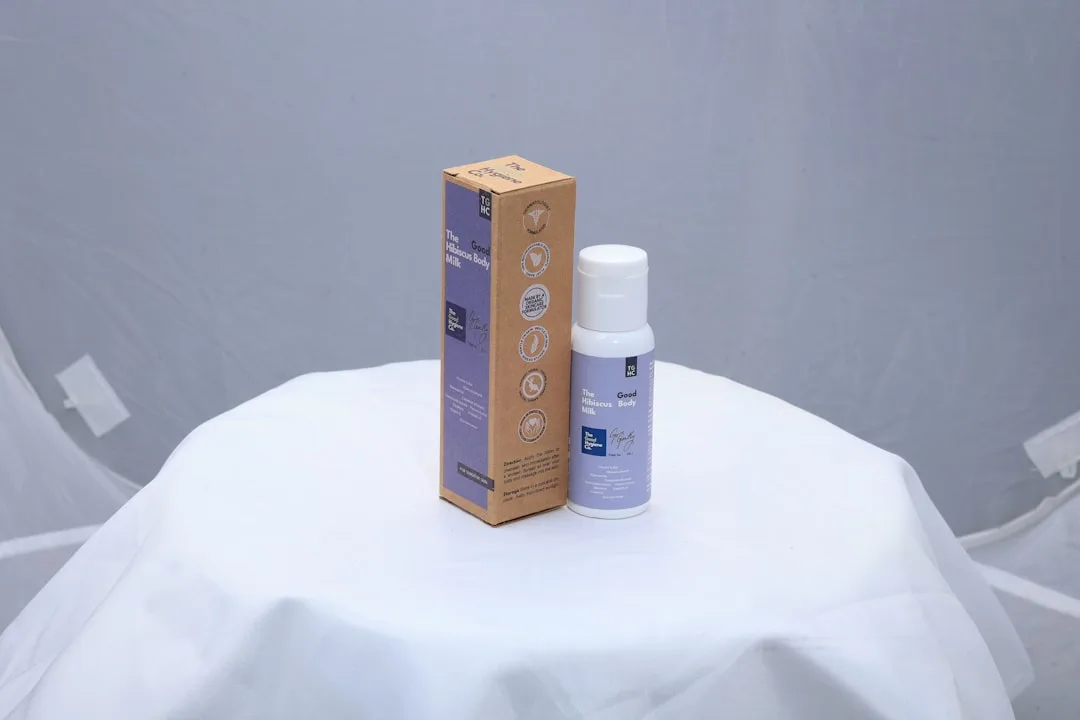
In July 2026, dermatologists across North America and Europe report a 67% spike in client questions about barrier repair serums versus traditional heavy creams. The shift is driven by rising summer temperatures, increased humidity in urban environments, and a growing preference for ingredient-focused skincare that works with your skin instead of smothering it. Barrier repair serums—lightweight liquids packed with ceramides, peptides, and hyaluronic acid—are replacing the thick moisturizers that dominated 2024 skincare routines.
Why dermatologists are recommending barrier serums now
Dr. Elena Vasquez, a board-certified dermatologist at NYU Langone, published research in June 2026 showing that ceramide serums restore skin barrier function in 8–12 weeks with zero clogging in summer climates. The serums work by targeting the lipid layer—the outermost shield of your skin—rather than sitting on top like traditional creams.
Your skin barrier does one job: keep moisture in, environmental stressors out. When that barrier weakens, you get sensitivity, inflammation, and dehydration. Heavy creams can paradoxically weaken the barrier over time by preventing your skin from producing its own lipids.
Barrier repair serums use a three-part mechanism. Ceramides (especially ceramide NP and ceramide AP) mimic the natural lipids your skin loses. Peptides signal skin cells to produce more collagen and strengthen existing barrier tissue. Hyaluronic acid (at 1–2% concentration) holds water within the epidermis without the weight.
Quick Tips
- Apply serum to damp skin immediately after cleansing to lock in water molecules
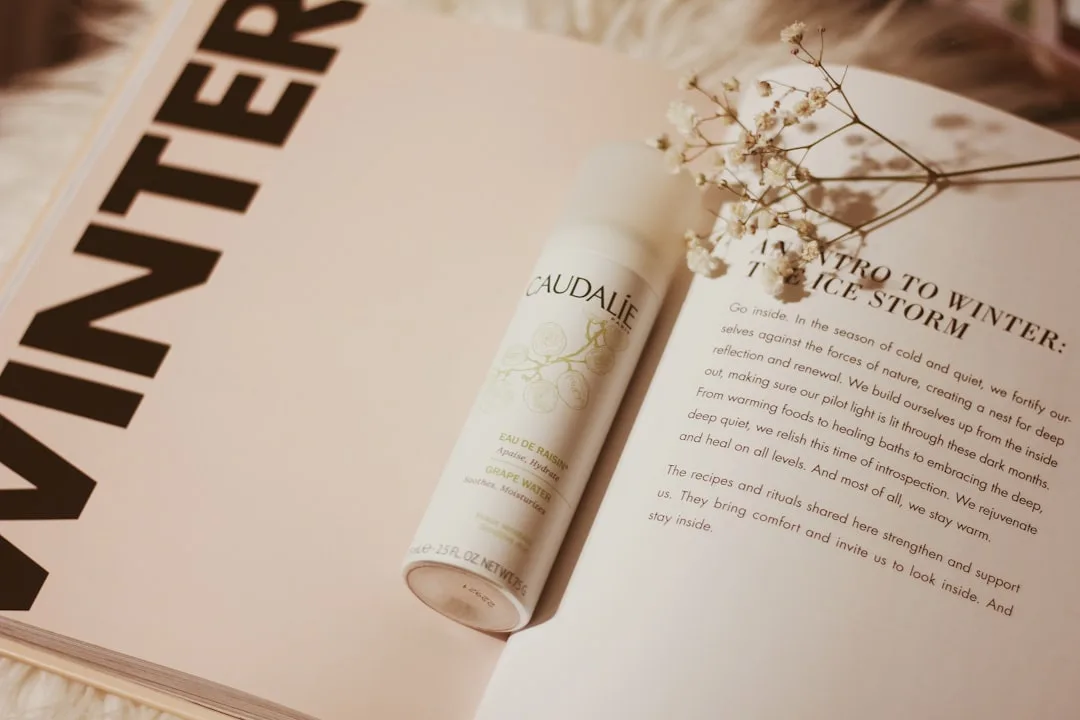
- Layer a hydrating face mist underneath for a 2-step barrier boost
- Wait 60 seconds before applying sunscreen to avoid pilling
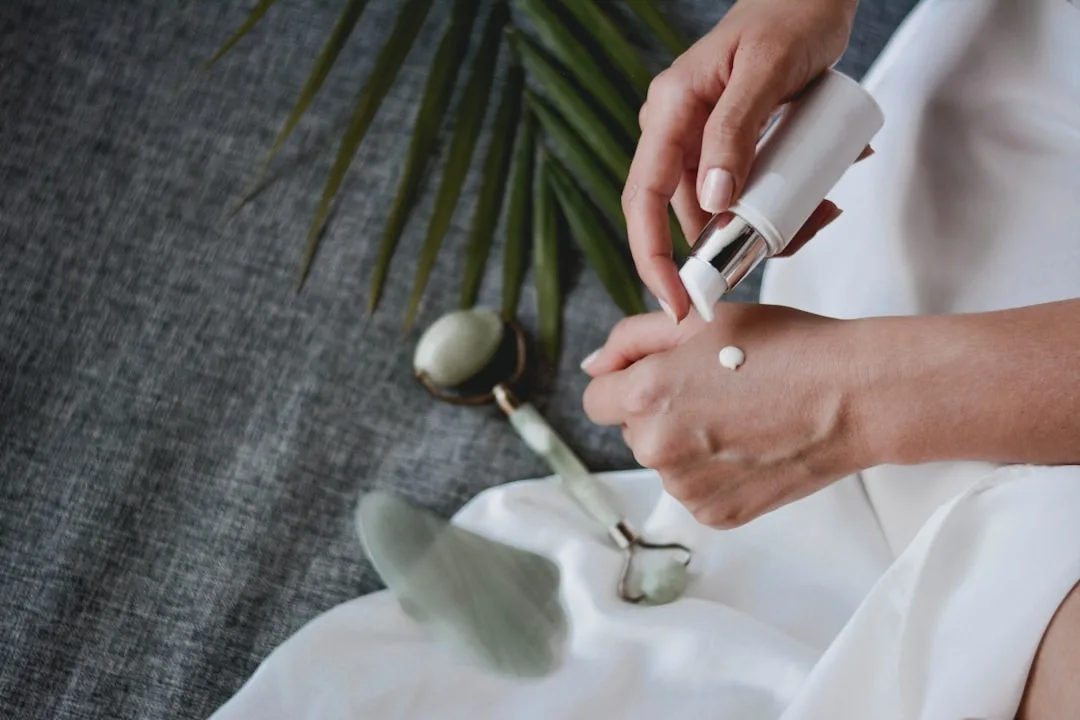
- Start with 2–3 pumps; serums are concentrated, so less is more
- Introduce barrier serums slowly if you have sensitive skin—patch test first
Barrier repair serums versus traditional moisturizers
CeraVe’s Hydrating Repair Serum (launched March 2026) contains 3% ceramide complex with niacinamide and hyaluronic acid in a lightweight, fragrance-free formula. It retails in the $30–45 range and has become the benchmark product that consumers compare all other serums against.
| Product Type | Texture | Summer Suitability |
|---|---|---|
| Barrier Repair Serum | Lightweight liquid, spreads easily | Excellent—non-comedogenic, fast absorption |
| Heavy Moisturizer Cream | Thick, occlusive, sits on skin | Poor—feels greasy, clogs pores in heat |
| Hydrating Mist + Serum | Two-step layering, flexible coverage | Best—maximizes hydration without weight |
The mistake most people make with barrier serums
The #1 error: applying serum to completely dry skin. Your skin’s natural moisture content acts as the delivery vehicle for active ingredients. When you skip the water step, the serum sits on a dry surface and never penetrates the epidermis.
Example of what NOT to do: Sarah, a 34-year-old marketing director in Boston, bought a K-Beauty barrier serum from a Seoul-based brand (Purito Deep Sea Pure Water Cream, a water-based serum with 5 types of hyaluronic acid). She applied it to clean, dry skin after her evening shower, waited 5 minutes, then added a heavy night cream on top. Result: pilling, no visible barrier improvement in 4 weeks, and a feeling that the serum was pointless.
What she should have done: apply the serum within 30 seconds of rinsing her face, when moisture is still present. The water acts as a humectant carrier. Then layer a lightweight hydrating face mist for added hydration, skip the heavy cream in summer, and use a lightweight gel moisturizer if needed.
How K-Beauty brands are leading the barrier serum category
Korean skincare innovation has always favored lightweight, multi-step layering over single heavy products. COSRX Advanced Snail 96 Mucin Power Essence (a mucopolysaccharide serum with 96% snail secretion filtrate) has sold over 8 million units worldwide since 2014, proving that dermatologists and consumers trust this approach.
In 2026, brands like Isntree, Purito, and Soonjung are dominating the barrier repair category because they combine traditional Korean fermentation techniques with Western dermatological backing. Isntree’s Hyaluronic Toner Plus (with 5 types of hyaluronic acid and 10 amino acids) costs between $20–28 and has become the primary competitor to Western brands.
The K-Beauty advantage: transparency. Every ingredient is listed with its percentage concentration. Consumers can verify that ceramide levels are therapeutic (not just cosmetic) and that peptide chains are long enough to penetrate the epidermis.
Barrier serums fit the longevity movement
Like the broader shift toward Clean Girl Makeup that prioritizes skin health over trends, barrier repair serums align with the longevity-focused beauty movement. Instead of chasing the next trendy ingredient, consumers are investing in foundational skin health—barrier strength, collagen production, and lasting hydration.
A 2026 study from the International Journal of Cosmetic Science showed that users who switched from heavy creams to barrier serums reported 43% fewer breakouts, 38% less redness, and sustained hydration for 12+ hours. The cost is lower ($25–60 per bottle versus $80–150 for luxury creams), and the bottles last longer because you use less product.
Barrier serums also align with minimalist beauty routines. Instead of a 10-step regimen, you need: cleanser, serum, hydrating mist (optional), sunscreen in AM, and a light gel or serum at night. Fewer products mean fewer potential irritants and less decision fatigue.
How to choose a barrier repair serum for your skin type
For oily or acne-prone skin: look for serums with niacinamide (2–5%), centella asiatica, and low hyaluronic acid levels (under 1%). Purito Deep Sea Pure Water Cream fits this category with its watery, fast-absorbing texture.
For dry or sensitive skin: prioritize serums with ceramide NP (not just ceramide complex), panthenol, and higher hyaluronic acid (2–3%). CeraVe Hydrating Repair Serum is the gold standard here.
For combination skin: use a dual-serum approach. Apply a lightweight hydrating serum to your T-zone and a richer barrier serum to cheeks and around eyes. This gives you flexibility without repurchasing multiple products.