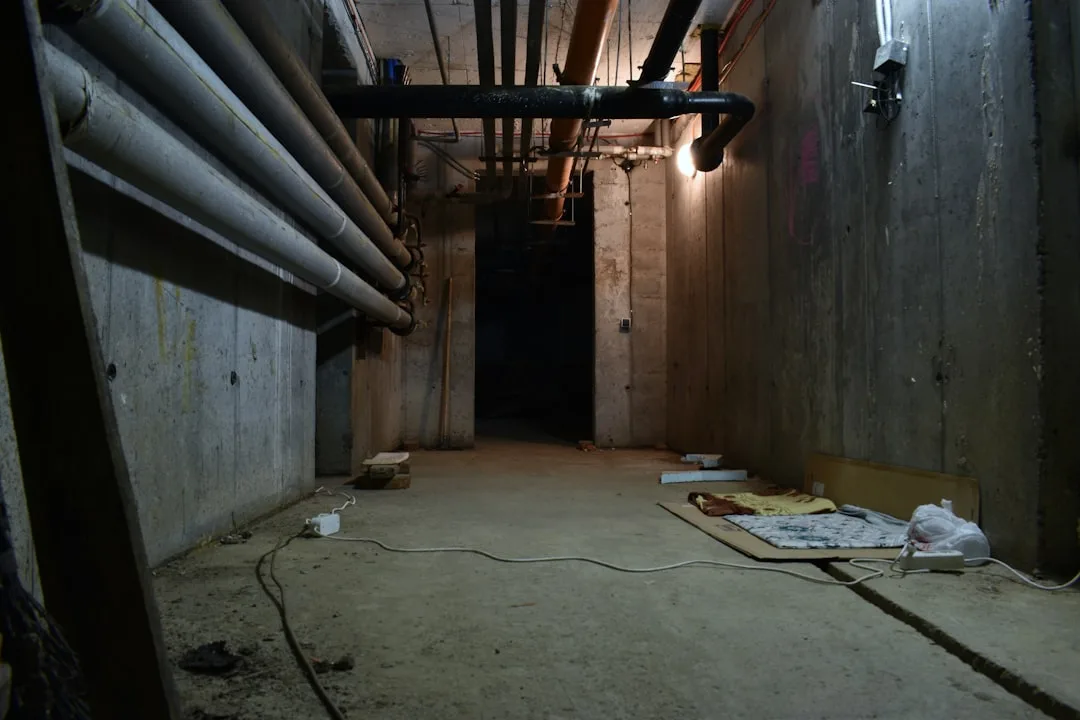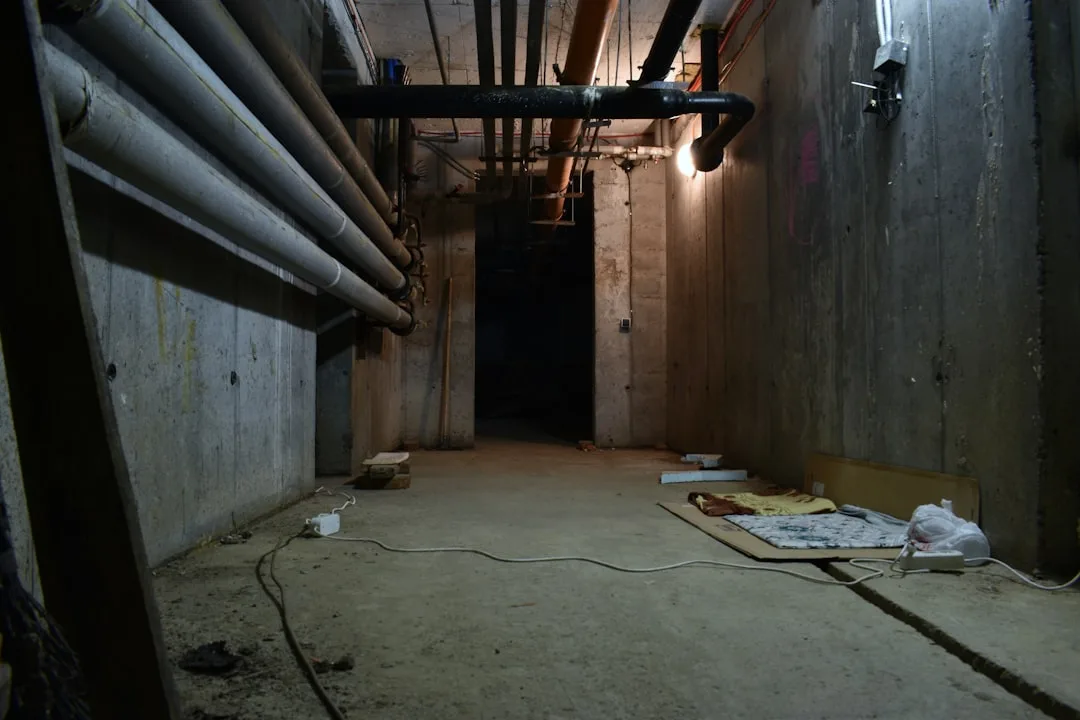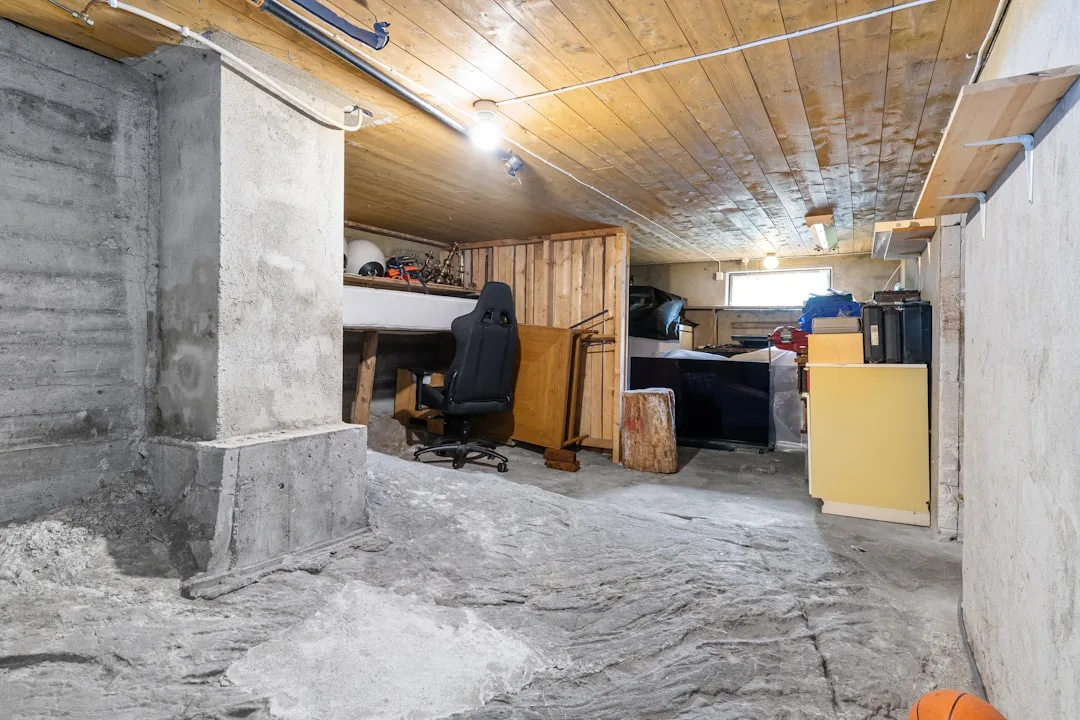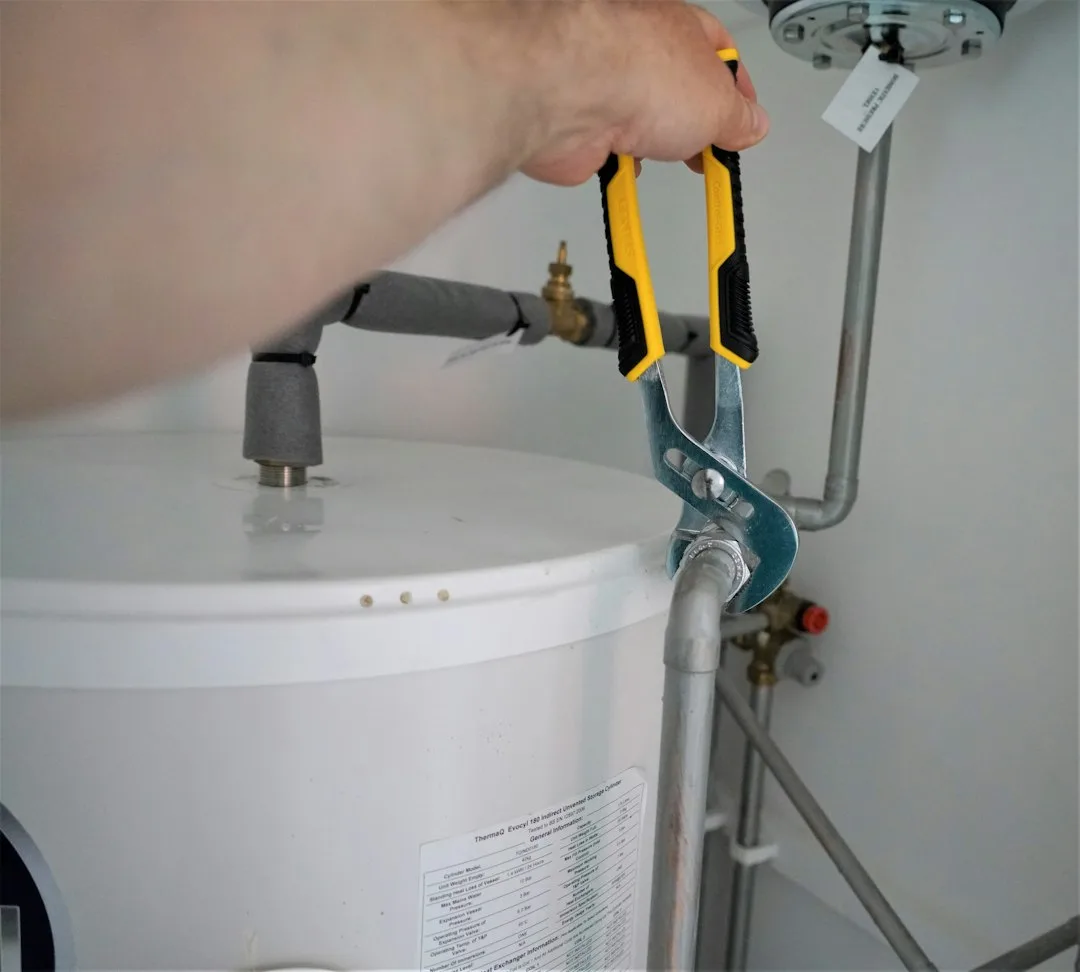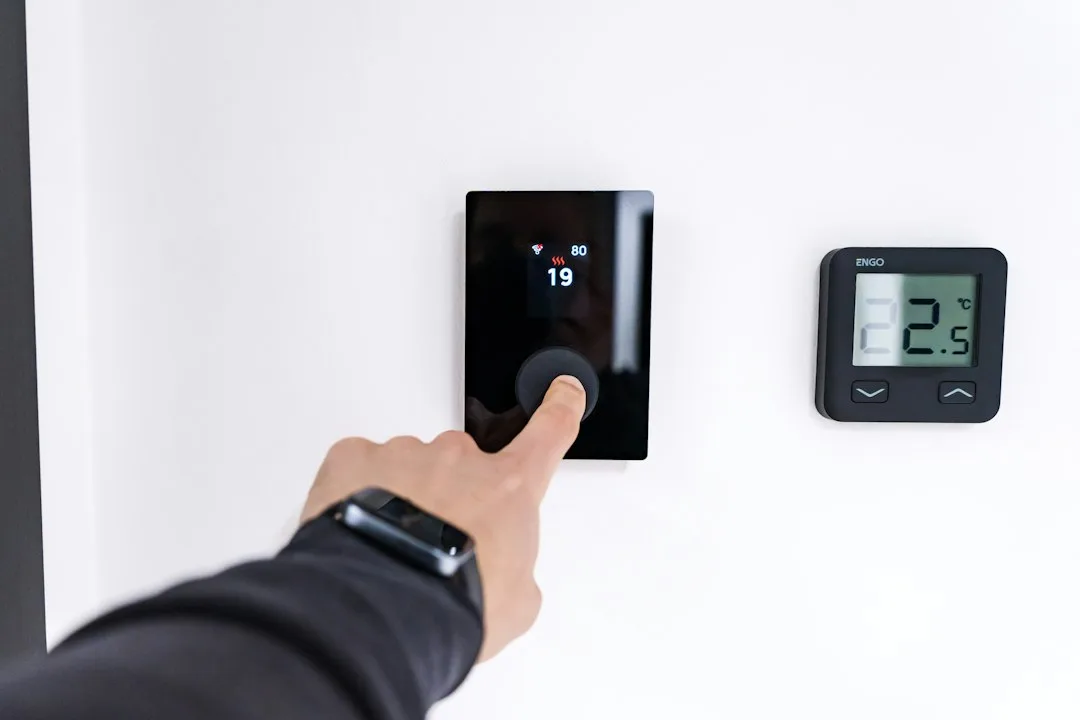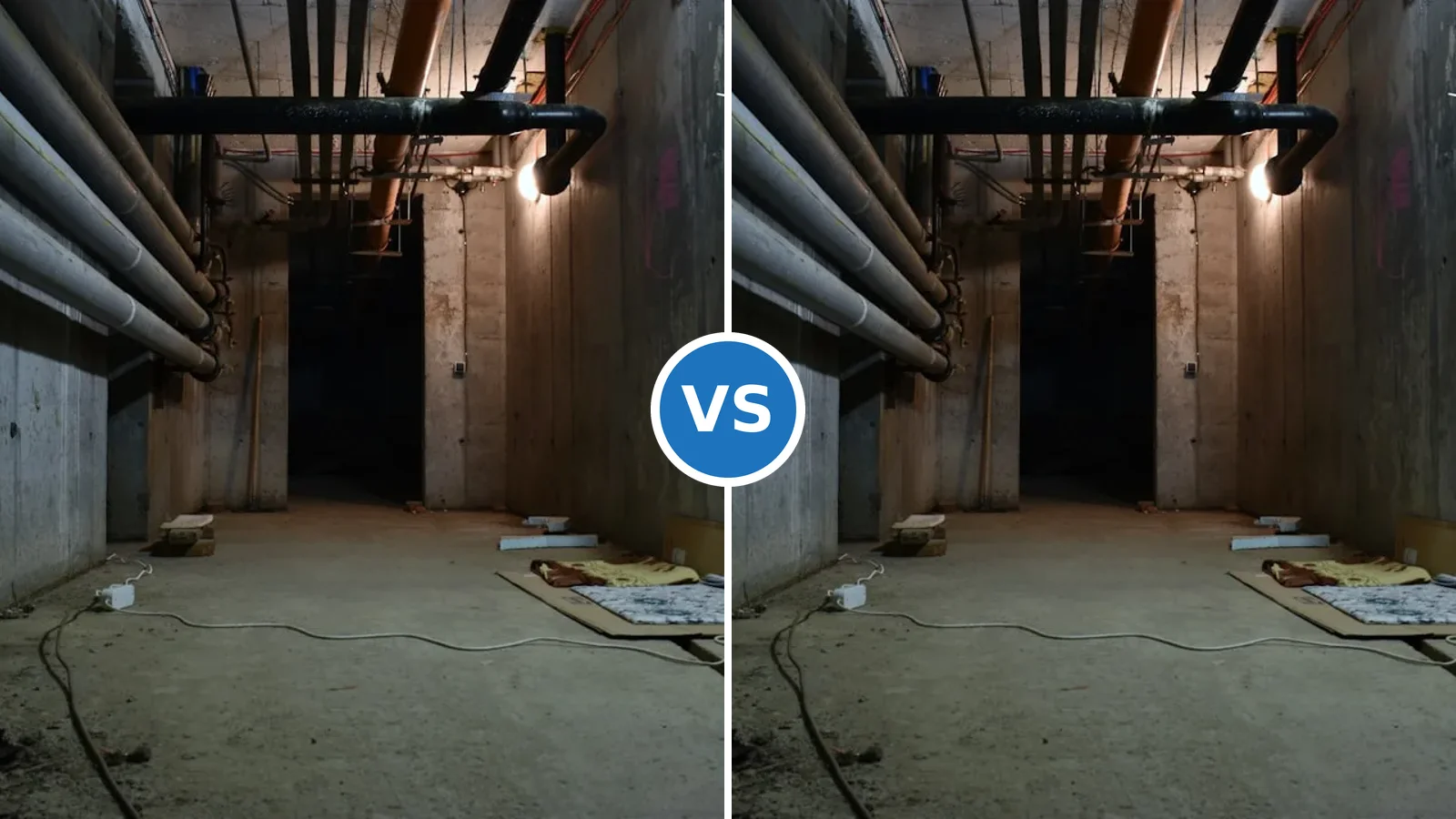
Basement waterproofing vs dehumidifier is really a question about what kind of moisture you have. Waterproofing suits a basement where liquid water seeps in after rain or snowmelt, while a dehumidifier suits one where the air feels damp and musty but the floor stays dry. If you are unsure which describes your space, the signs below usually settle it.
Both options protect the same room, so it is easy to treat them as substitutes. They are not, and picking the wrong one means paying for a fix that never reaches the source of the problem.
Two different moisture problems
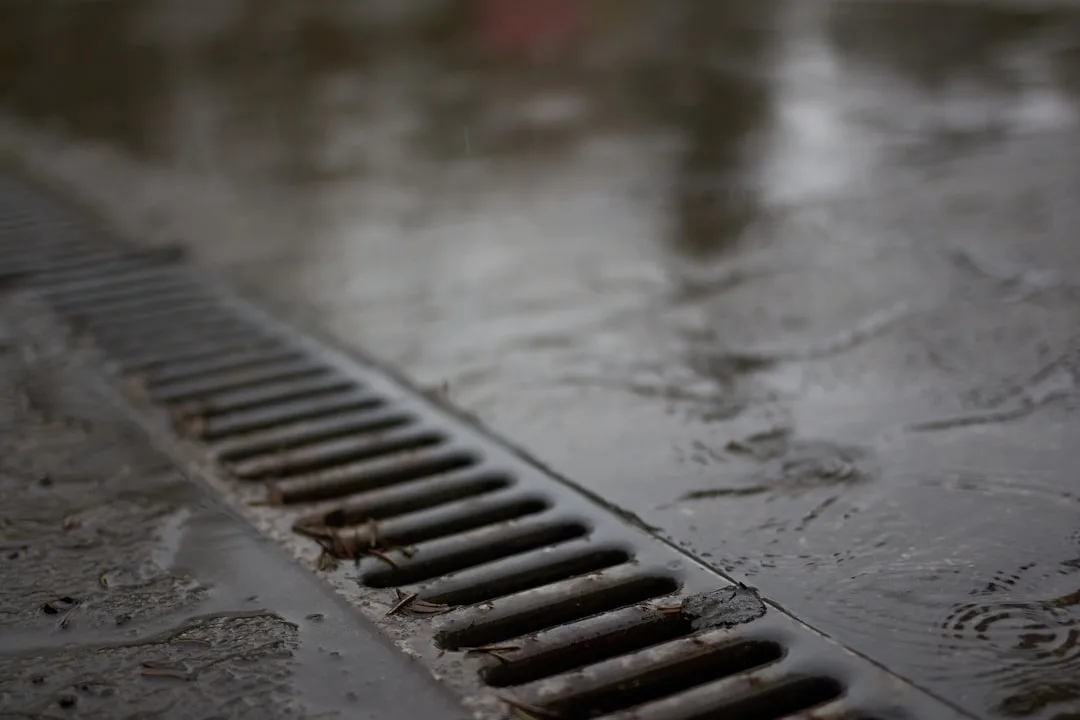
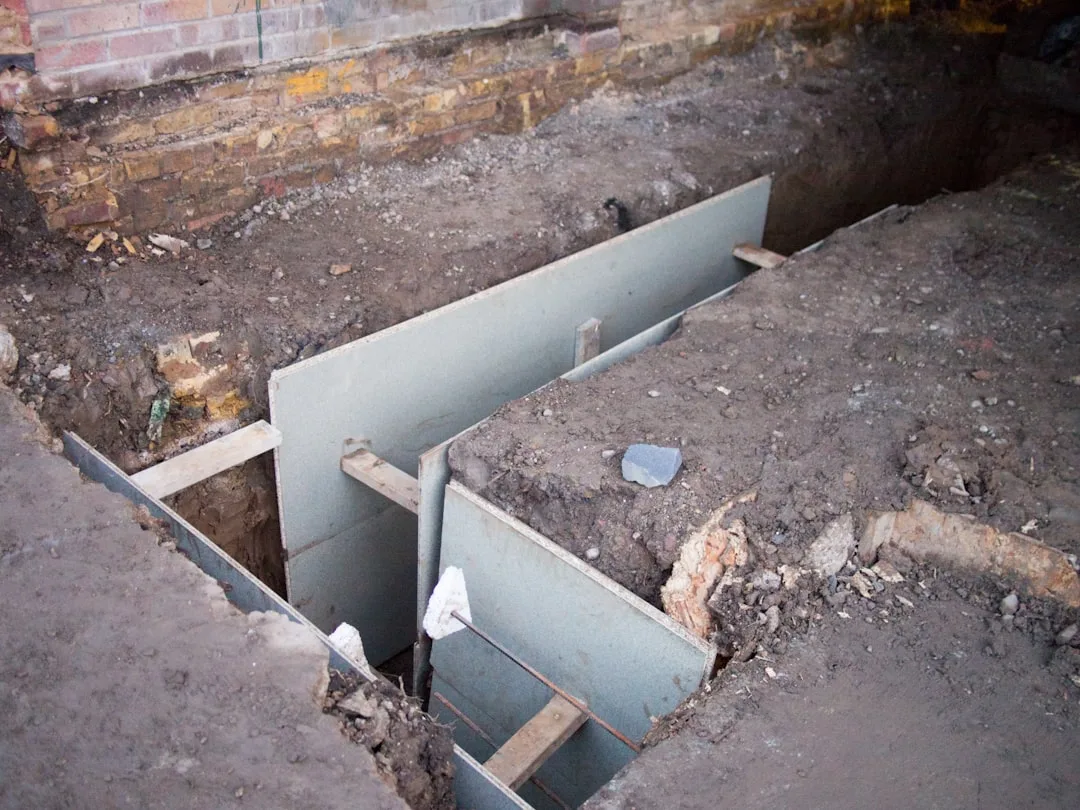
Water enters a basement as liquid through the floor edge, cracks or walls, pushed by wet soil outside. A system described in our piece on basement waterproofing systems deals with that: an exterior membrane, an interior drain along the floor perimeter, and a sump pump that moves collected water out.
Humidity is a different thing. Warm air meets cool concrete, condensation forms, and moisture lingers in the air and inside wall cavities. Our article on basement dehumidification systems covers how a dehumidifier removes that vapor and drains the condensate to a sump or foundation line.
Quick Verdict
- Choose waterproofing if you see puddles, wet patches or seepage after heavy rain.
- Choose a dehumidifier if the basement smells musty or feels clammy but the floor stays dry.
- Plan for both if the basement is being finished and has had any water entry.
Basement waterproofing vs dehumidifier on the main criteria
The two approaches differ most in what they stop, how much work they involve and what they cost to run. The table summarizes the differences using figures from the two source articles.
| Criteria | Basement waterproofing | Dehumidification |
|---|---|---|
| What it stops | Liquid water entering through walls and floor | Humid air and condensation |
| Upfront cost level | Higher; one source puts an exterior membrane plus interior drain at $6,000 to $15,000 | Lower; a whole-home system is put at $2,500 to $4,500 installed, and a portable unit costs less |
| Running cost | Little beyond sump pump electricity and upkeep | Roughly $15 to $30 a month in humid seasons |
| Installation | Interior drain takes 3 to 5 days of work | Portable: about 10 minutes; whole-home: 8 to 16 hours by an HVAC professional |
| Maintenance | Check the sump pump and drain line | Clean filters, check condensate lines, empty tanks on portable units |
| Fixes seepage | Yes | No |
| Fixes a musty smell | Only if the cause was leaking water | Yes |
Cost and disruption
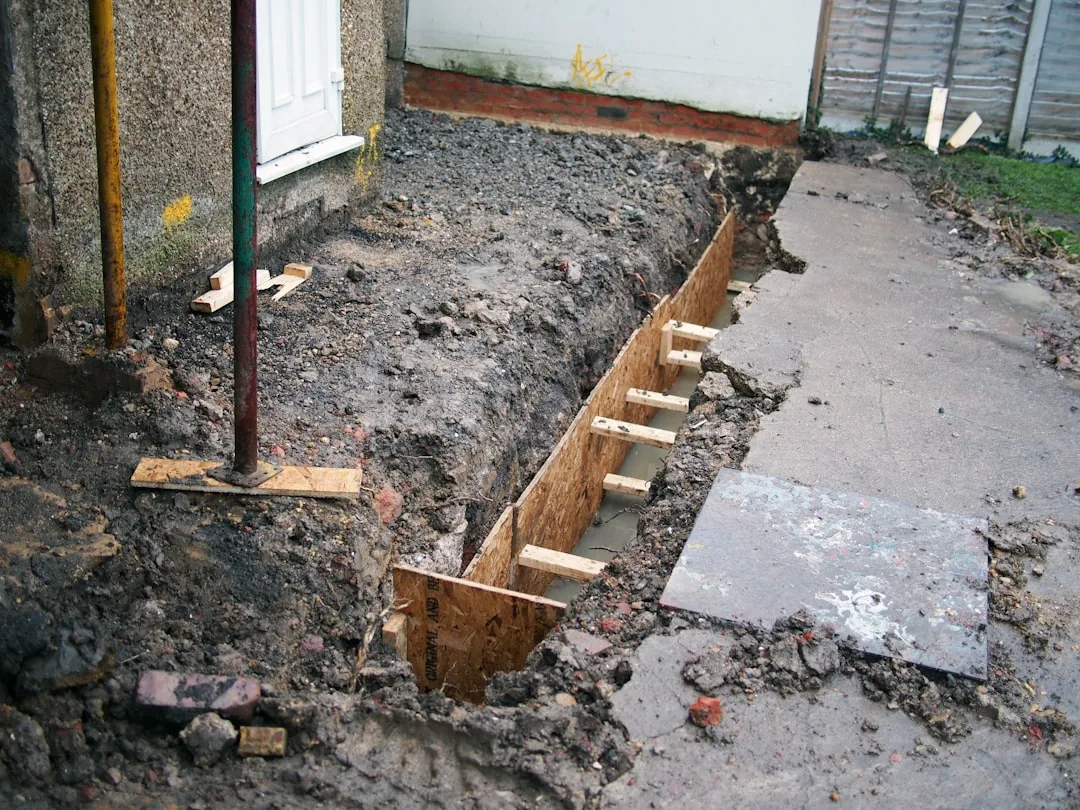
A dehumidifier wins on upfront cost and speed. A portable unit plugs in within minutes, and even a whole-home installation takes a day or two rather than the several days of floor work that interior drainage involves.
Waterproofing wins on long-term running cost, since a drain and membrane do not draw power the way a compressor does. A dehumidifier that runs through humid months adds a steady monthly charge, so over many years the two can come closer than the sticker prices suggest. Treat the figures above as ranges from the source articles and get local quotes, because soil, basement size and region change them.
The mistake that wastes the most money
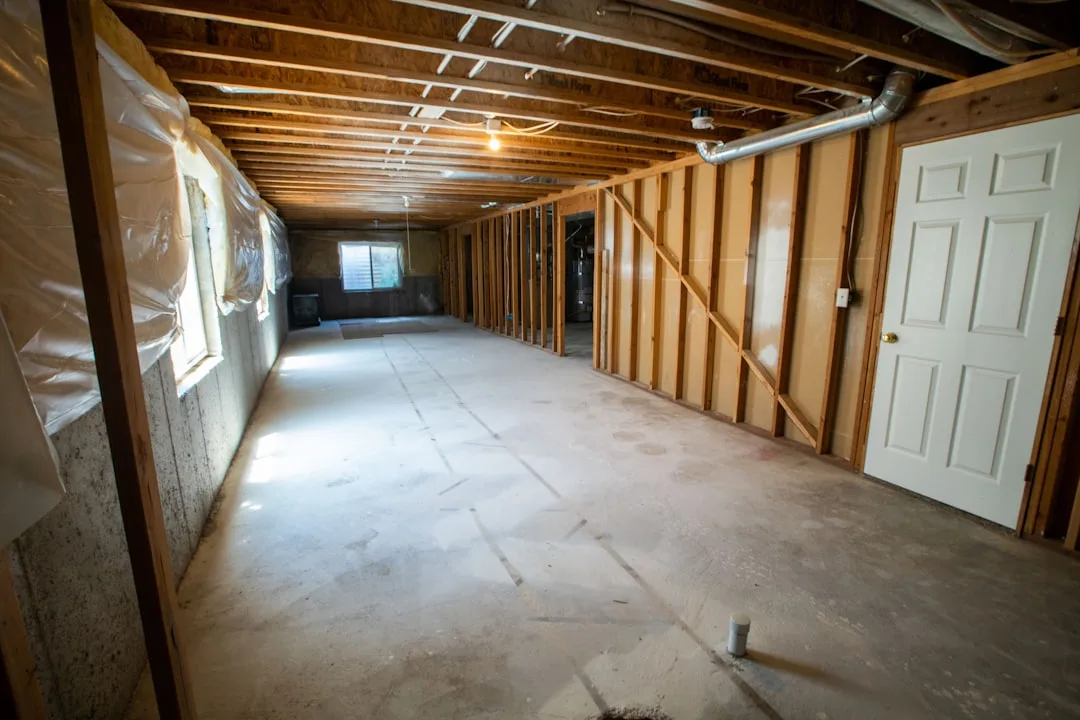
The costliest error is solving the wrong half of the problem. A homeowner who paints waterproof coating over damp walls, or who buys a small dehumidifier for a basement with groundwater seepage, sees the symptom improve for a while and then returns. The source articles describe both failures: paint alone cannot hold back water pressure from outside, and a dehumidifier sized only by square footage cannot keep up with a high moisture load.
A concrete case: a 1,500 square foot basement with seepage after storms and a 50-pint portable unit running nonstop. The unit removes air moisture but not the water arriving through the floor edge, and drywall near the floor can soften within a couple of years.
When you need both
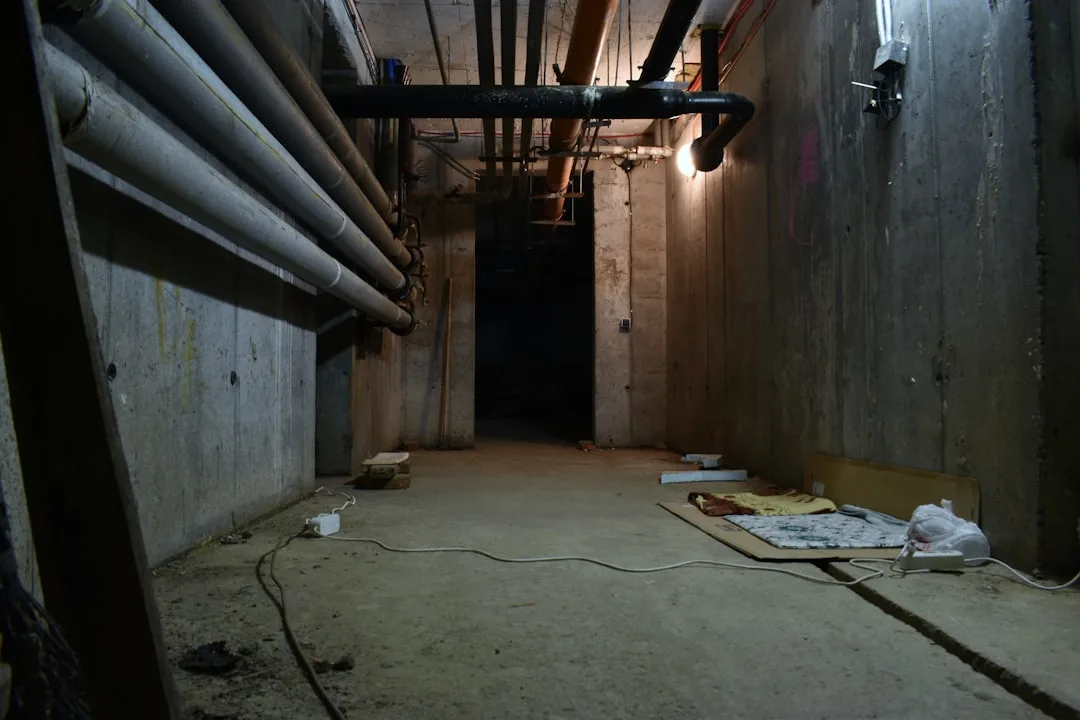
Many finished basements need drainage and humidity control together. Drainage and a sump pump handle liquid water, while a dehumidifier handles vapor, and each leaves the other half of the problem open. Installing the dehumidifier before walls, flooring and electrical work go in also makes it easier to run ducting and a condensate line to the sump.
A practical order is to deal with water entry first, then add humidity control, then finish the space. Setting a target of 45 to 50 percent relative humidity, as the dehumidification article suggests, gives you a clear number to check after the work.
Who should choose which
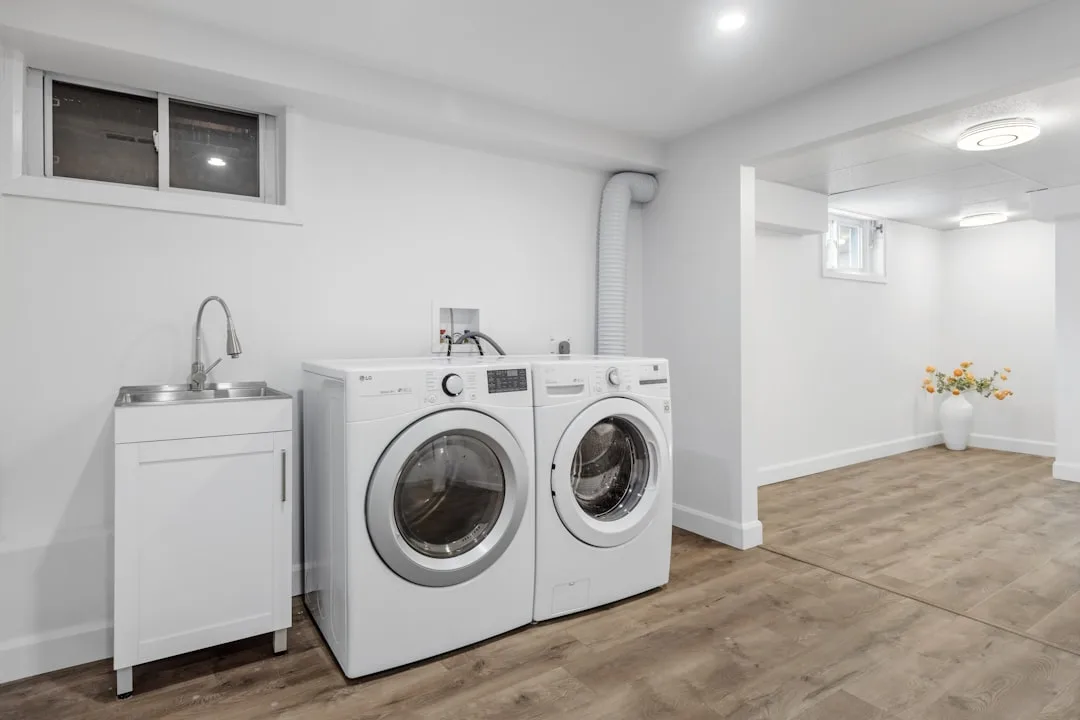
Choose waterproofing if water visibly enters the basement, if the floor is wet after storms, or if you plan to finish a space with a history of seepage. It is the higher upfront cost, but it addresses the cause.
Choose a dehumidifier if the floor stays dry, the air feels heavy, and the main complaints are odor, condensation or a clammy feel. It costs less to start and works quickly. If you see both liquid water and persistent humidity, treat them in sequence rather than choosing one.