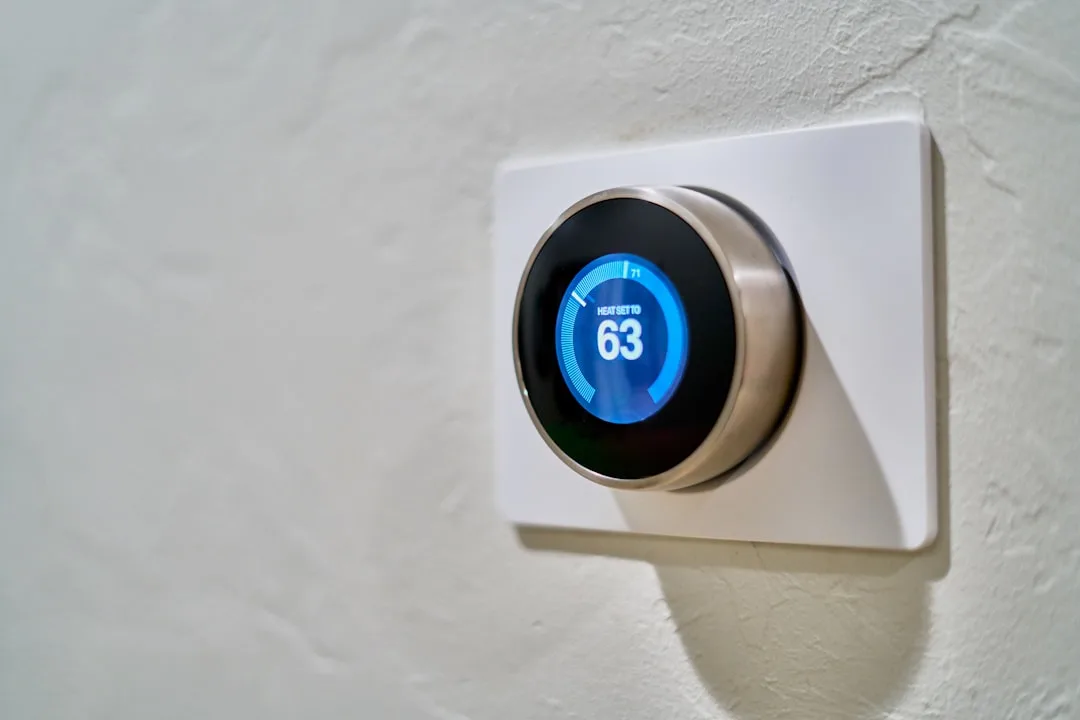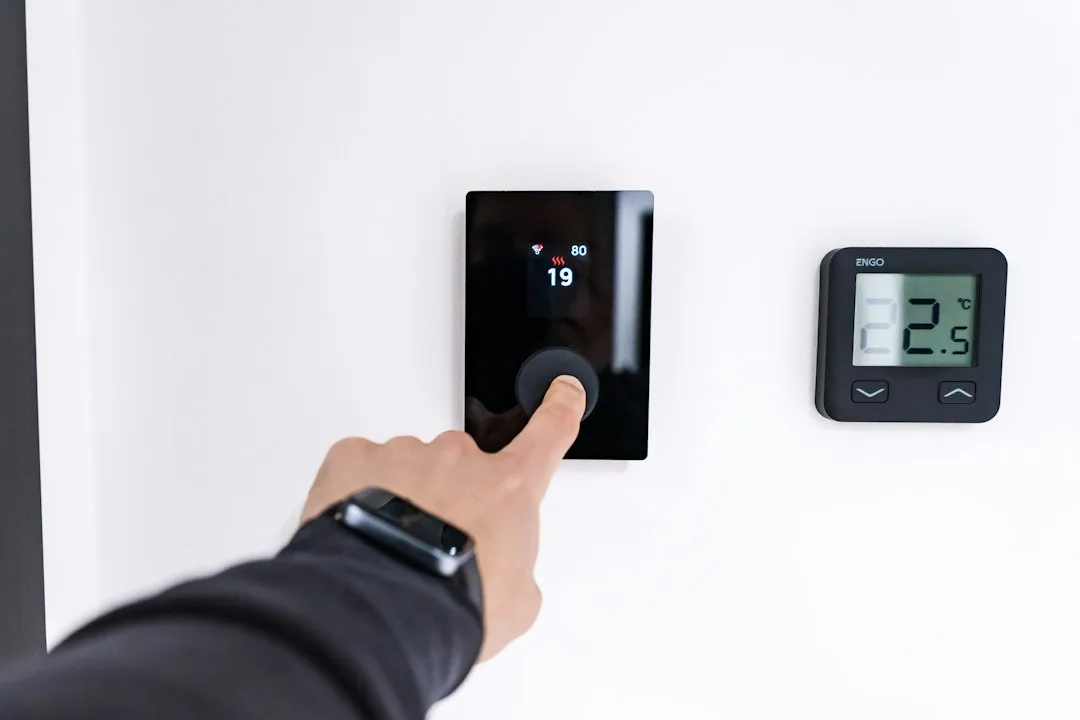
A homeowner in Portland, Oregon just installed a Nest Learning Thermostat on a Tuesday afternoon—no electrician, no appointment delays. Within 48 hours, her heating cycle had already learned her schedule, and her utility app showed a projected 12% reduction in monthly heating costs. This isn’t an outlier. Smart thermostat installation has become the most accessible, fastest-ROI home improvement of 2026, driven by sub-$300 price points, smartphone control, and genuine integration with smart home ecosystems. Unlike kitchen renovations or foundation repairs, smart thermostat installation delivers measurable savings immediately.
Why Smart Thermostat Installation Is Trending Now
Energy prices rose 8% across North America in 2025, making homeowners acutely aware of heating and cooling waste. Smart thermostats address this directly. Ecobee, Honeywell, and Nest dominate the market with models that learn occupancy patterns, adjust for weather forecasts, and allow remote control from anywhere—a feature that prevented wasted heating in vacation homes during Q2 2026.
The second driver is integration. A smart thermostat now plays well with Alexa, Google Home, Apple HomeKit, and third-party platforms. Homeowners upgrading to whole-home automation see the thermostat as the natural starting point, not a standalone device. Installation complexity has also dropped: most modern furnaces use simple two-wire or four-wire connections, and manufacturers provide in-app walkthroughs with photo recognition to confirm correct wire placement.
Third, building codes and energy standards have shifted. Several municipalities now require smart-ready wiring in new construction, and rental properties face mandates to offer tenants energy monitoring. This regulatory push has normalized the category.
Quick Tips
- Before purchasing, photograph your current thermostat’s wiring with labels—most compatibility issues stem from misidentified wire colors.
- Turn off power at your breaker before removing the old unit; a live thermostat circuit can create safety hazards.
- Use the manufacturer’s wire compatibility checker on their website—it eliminates guesswork about whether your HVAC system qualifies.
- Install a C-wire (common wire) adapter if your system lacks one; many new models require consistent power, not just when the system cycles.
- Set learning mode for at least two weeks before manually adjusting temperatures—algorithms need occupancy data to optimize.
Installation Process and Technical Requirements
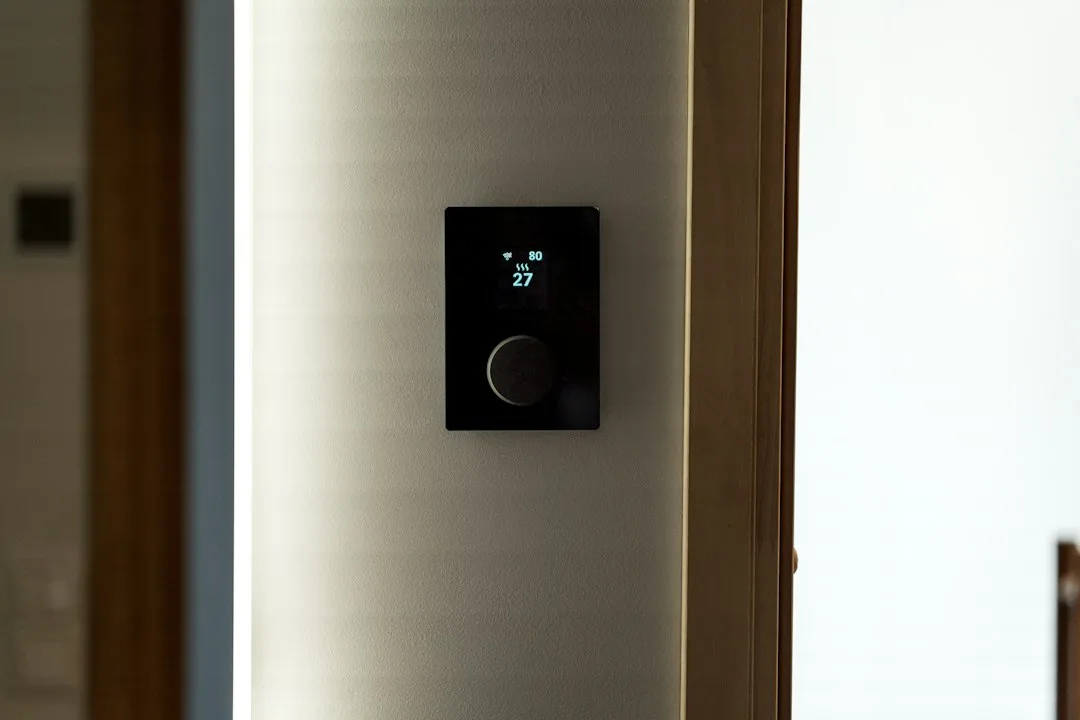
A Honeywell Home T9 or Ecobee SmartThermostat installation typically requires 45 to 90 minutes for a homeowner with basic tool skills. Step one: kill power at the breaker. Step two: remove the old thermostat cover and photograph the wiring, noting which wire connects to which terminal (R for red/power, C for common, W for heat, Y for cooling, G for fan).
The real bottleneck is the C-wire, which provides continuous power instead of power-on-demand. Older homes often lack a C-wire run from the furnace to the thermostat location. If your system has no C-wire, two solutions exist: run a new wire from the furnace (45 to 90 minutes of work if your attic or basement is accessible) or install a C-wire adapter like the Ecobee Power Extender Kit, which draws power from the R and W terminals and costs under $50.
Wire gauge matters. Most thermostat runs use 18-gauge or 20-gauge low-voltage wire—anything thinner than 18 gauge risks voltage drop, which causes the thermostat to lose connection during extreme temperature swings.
| Thermostat Model | Installation Difficulty | Smart Features |
|---|---|---|
| Nest Learning Thermostat | Moderate (needs C-wire) | Auto-scheduling, learning, energy reports |
| Ecobee SmartThermostat | Easy (C-wire adapter included) | Voice control, room sensors, remote access |
| Honeywell Home T9 | Easy (multi-stage heating) | Geofencing, occupancy sensing, Apple HomeKit |
| Emerson Sensi Touch | Moderate (hardwired only) | Touch screen, scheduling, energy tracking |
The Hidden Cost: Why DIY Installation Fails
The most common failure is wiring the Y terminal (cooling) to the C terminal, which shorts the cooling circuit and leaves the system unable to switch modes. A homeowner in Denver made this exact mistake in September 2026, spent two hours troubleshooting, then paid a technician $200 to identify and fix a 30-second wire swap. His thermostat never learned his schedule because the cooling circuit was offline.
A second failure mode occurs when homeowners skip the C-wire entirely and rely on a wireless adapter. Wireless power solutions work in urban environments with strong WiFi but fail in basements, attics, or homes with older concrete foundations that block signal. The thermostat then becomes unreliable, dropping connection during high-load heating cycles.
The third mistake is installing the thermostat on an interior wall above a heat source (a radiator, register, or lamp). The sensor reads inflated temperatures and cycles the furnace off prematurely. A thermostat needs neutral mounting—exterior wall, eye level, away from direct sunlight and drafts.
Energy Savings and Long-Term ROI
Nest estimates 10 to 15% annual savings on heating and cooling. In cold climates like Minneapolis or Toronto, that translates to $200 to $400 annually on a $1,500 annual heating bill. A smart thermostat priced in the $200 to $350 range recovers its cost in one to two years, then generates pure savings. That’s faster payback than attic insulation upgrades.
Remote control prevents dead-of-winter frozen pipes when homeowners leave for vacation; you can maintain a 50-degree hold instead of 62 degrees, cutting heating while protecting plumbing. Geofencing adds another layer—the thermostat learns when you leave for work and reduces heating automatically, then bumps it back up 30 minutes before you return. No manual adjustments needed.
Real-world data from Ecobee users shows average first-year savings of $131 to $188. This feeds into a larger trend: as upgrade your home with these 3 improvement projects gains momentum, smart thermostats rank in the top three ROI-positive updates, alongside weatherstripping and water heater blankets.
Smart Thermostat Installation Within the Broader Smart Home Ecosystem
A thermostat doesn’t exist in isolation. When combined with smart switches, occupancy sensors, and voice assistants, it becomes the nerve center of home climate. A homeowner in Seattle installed a Honeywell T9 alongside motion sensors in three rooms; the system now heats only occupied zones, cutting energy use by 18% compared to whole-home heating. That layered approach—thermostat plus sensors plus scheduling—is where 2026 installations are headed.
Integration with weather APIs is another game-changer. Modern smart thermostats pull local forecast data and pre-heat or pre-cool based on predicted temperature swings. If rain arrives, outdoor humidity drops, reducing the need for air conditioning; the thermostat responds without user input.
For renters and properties in transition, portability matters. A Nest or Ecobee thermostat can be removed and reinstalled in a new home within 10 minutes—you simply unscrew the mounting plate and take the device with you. That portability is driving adoption among younger homeowners who plan to move within five years. As elevating your living space through architectural innovation and home improvement emphasizes, even modest upgrades compound when they’re repeatable and portable.
Building Codes and Long-Term Compliance
Energy codes in California, New York, and Canada now require new construction and major HVAC replacements to include smart-ready thermostat wiring. This standardization has pushed smart thermostat installation into the mainstream. A furnace replacement in Toronto in 2026 now includes provisions for a smart thermostat as default; opting out of installation is the exception, not the norm.
Permit requirements vary by jurisdiction. Some municipalities require a licensed electrician to install a smart thermostat if it involves running new wiring. Others allow homeowner installation if the system meets local voltage and safety standards. Before purchasing, check your city’s building department website or contact a local HVAC contractor to confirm whether your installation path requires a permit or third-party inspection.