Basement moisture is invisible until it isn’t—then it costs thousands. Unlike surface water you can see, underground seepage, condensation, and hydrostatic pressure work silently, rotting wood, feeding mold colonies, and degrading your home’s structural integrity from underneath. Basement moisture solutions have evolved from reactive patching to predictive, whole-system approaches that stop water before it enters your living space.
Modern Sump Pump Technology Intercepts Water Before It Rises
The sump pump remains the backbone of basement moisture management, but 2026 models include smart monitoring most homeowners don’t realize exists. Zoeller, a pump manufacturer with over 80 years in commercial and residential markets, now builds IoT connectivity into mid-range systems, letting you monitor water levels and pump cycles from your phone.
The reason this matters: traditional pumps fail silently. A backup system fails in spring flood season without warning. Smart models send alerts when water rises abnormally, when power drops, or when backup batteries drain—giving you 12–24 hours to act before a catastrophic failure floods your basement.
Install a primary pump with a secondary pump on a separate circuit; together they handle peak water volume. Most pros recommend sump pit sizing of 24–30 inches diameter to prevent short-cycling—the pump turning on and off rapidly, which shortens its lifespan by 3–5 years.
Quick Tips
- Install battery backup on at least one pump; assume primary power fails during heavy rain
- Test sump pumps monthly by pouring water into the pit—don’t assume they work until water floods
- Discharge lines must extend 4–6 feet away from foundation; surface discharge is a common rookie mistake
- Check pit covers for gaps; they keep debris and pests out while maintaining proper water access
Interior and Exterior Drainage Systems Work in Tandem
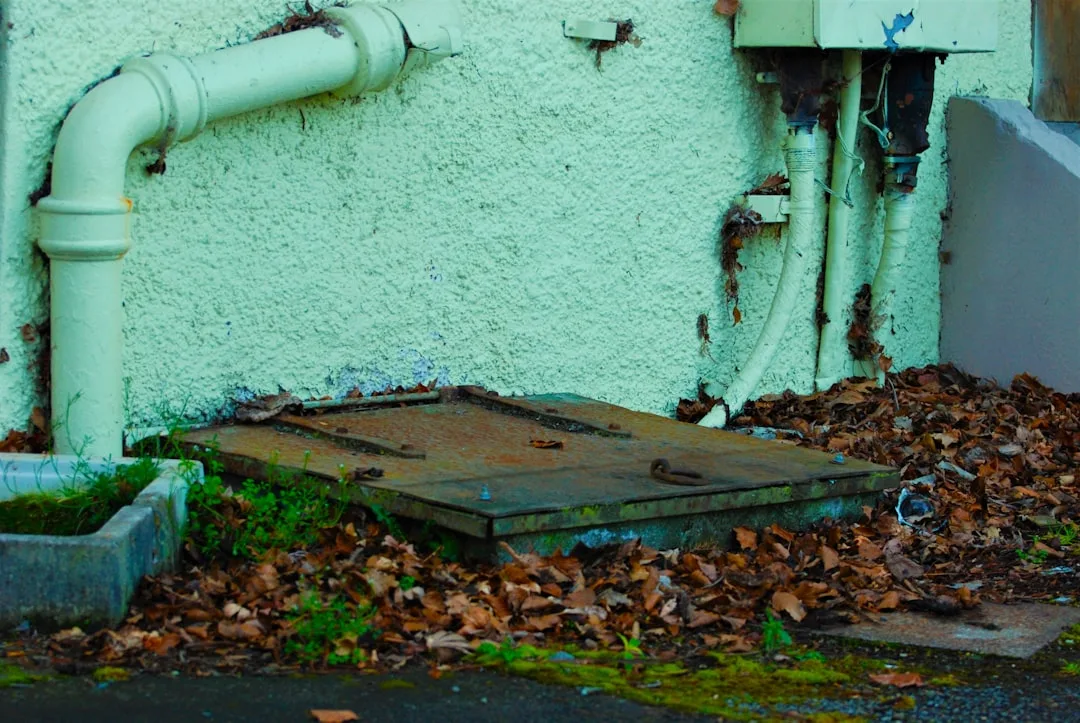
Interior perimeter drainage intercepts water that’s already entered the basement; exterior perimeter grading stops it before it reaches foundation walls. TrenchDrain, a modular basement drainage product, combines both approaches by running a permeable channel around the interior perimeter, connecting to the sump pit.
Exterior grading is often neglected because it’s not visible. Soil must slope away from the foundation at a minimum 1% grade (1 inch drop per 10 feet of distance) for the first 6 feet. A 4-inch foundation drop because of settling or poor initial grading can redirect roof runoff directly into your basement.
Cost reality: professional exterior grading and drainage tile installation ranges from $3,000–$8,000 depending on lot size and soil conditions. But this prevents $25,000+ in foundation repair and mold remediation.
| Solution Type | Best For | Lifespan |
|---|---|---|
| Interior perimeter drain | Existing finished basements, moderate moisture | 15–20 years |
| Exterior tile + grading | New construction, chronic water problems | 25–40 years |
| Sump pump + backup power | All basements, essential safety redundancy | 5–10 years |
| Vapor barrier + dehumidifier | Condensation control, finished spaces | 10–15 years |
The Critical Mistake: Ignoring Relative Humidity While Fixing Structural Water
Homeowners often stop once they’ve installed a sump pump or sealed a crack. They forget that half of basement moisture comes from condensation and vapor transmission through concrete—not liquid water infiltration. This is the #1 reason finished basements develop mold in spaces that appear dry.
Concrete wicks moisture from surrounding soil continuously. A basement with 70% relative humidity feels dry to touch but supports mold growth at 60% RH and above. Santa Fe, a leading dehumidifier maker for residential basements, designs models with continuous drain capability—meaning they run indefinitely without bucket emptying, removing 70–90 pints of moisture per day depending on unit size.
The failure scenario: You install new drywall and carpet in a 50% humidity basement without a dehumidifier. Within 6 months, mold colonizes the drywall rear and carpet pad—invisible until the smell forces investigation. Remediation costs $8,000–$15,000.
Install a dehumidifier rated for your basement’s total square footage before finishing. Match capacity to climate; humid regions (Southeast US, Midwest summers) need 70+ pint-per-day units, while drier climates manage with 50-pint systems.
Smart Vapor Barriers and Capillary Breaks Reduce Moisture Transport
Older homes wrapped basements in plastic sheeting, trapping moisture behind walls. Modern vapor barriers, like CrawlSpace Solutions’ products, use variable permeability—they breathe to prevent moisture from pooling while resisting vapor transmission from soil. These materials also include drainage facings that direct any condensation toward your sump system instead of into wall cavities.
Capillary breaks—layers of sand, gravel, or closed-cell foam under concrete slabs—interrupt the soil-to-concrete moisture pathway. When builders skip this step, water travels up through concrete via capillary action, wicking moisture into the entire basement space above.
For new pours, capillary breaks add $200–$400 to foundation work. This prevents $5,000+ in humidity-related damage over 20 years and keeps finished spaces usable year-round. A concrete slab without a capillary break will transmit moisture for its entire lifespan.
Humidity Monitoring and Early Detection Save Thousands
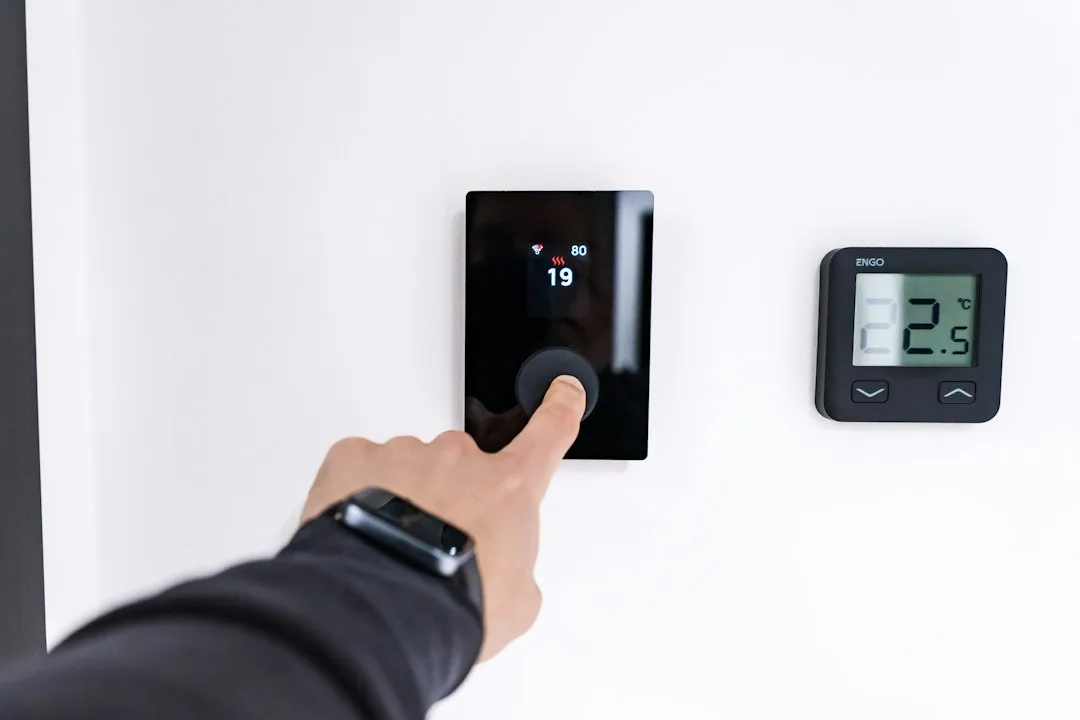
Smart hygrometers now integrate with whole-home systems, alerting you when basement humidity exceeds safe levels. Honeywell and other HVAC automation brands embed these sensors in smart hubs, connecting basement conditions to your primary dehumidifier or HVAC system for coordinated response.
The data matters: a basement that stays below 55% RH never develops mold, regardless of structural water issues. Once humidity climbs above 65%, mold spores begin germination within 48 hours. Regular maintenance and monitoring prevent small problems from becoming disasters.
Set dehumidifiers to maintain 45–50% RH during warmer months when moisture peaks. In winter, 30–40% RH prevents both mold and dust mite proliferation—supporting air quality throughout your entire home, not just the basement.
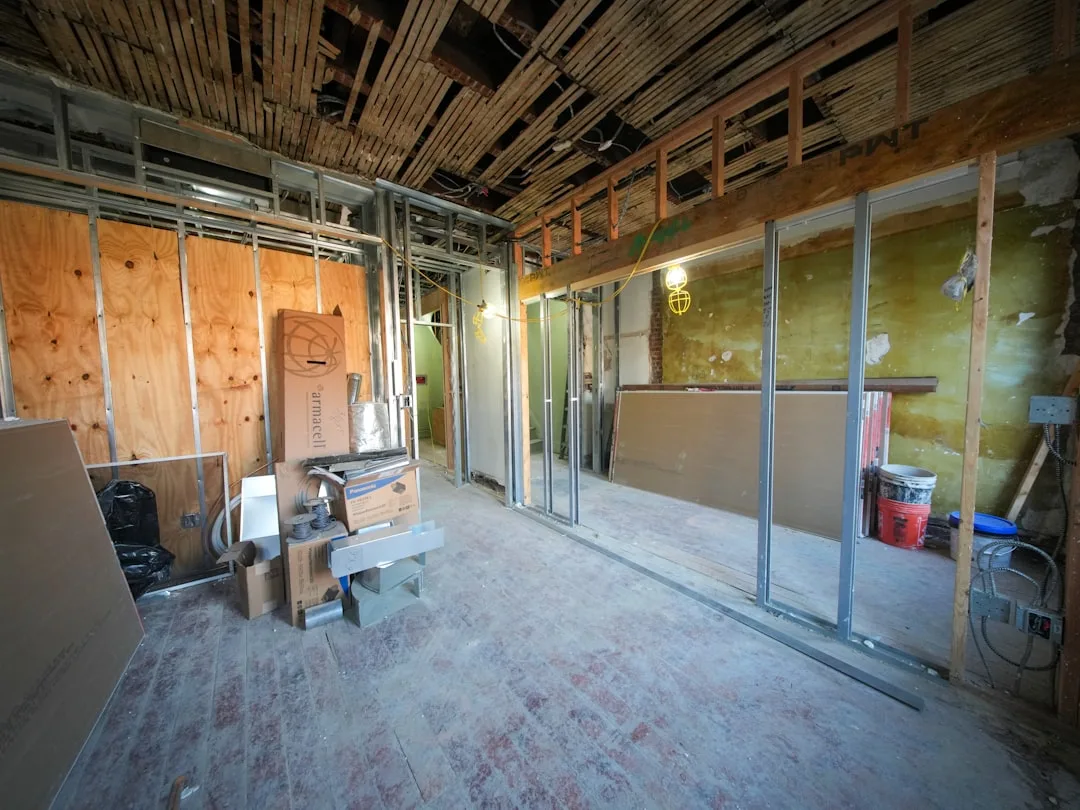
When moisture issues emerge during renovation, professional cleanup removes contaminated materials before water damage spreads. Early intervention stops repair costs from compounding.
Integration Into Finished Spaces Requires Intentional Design
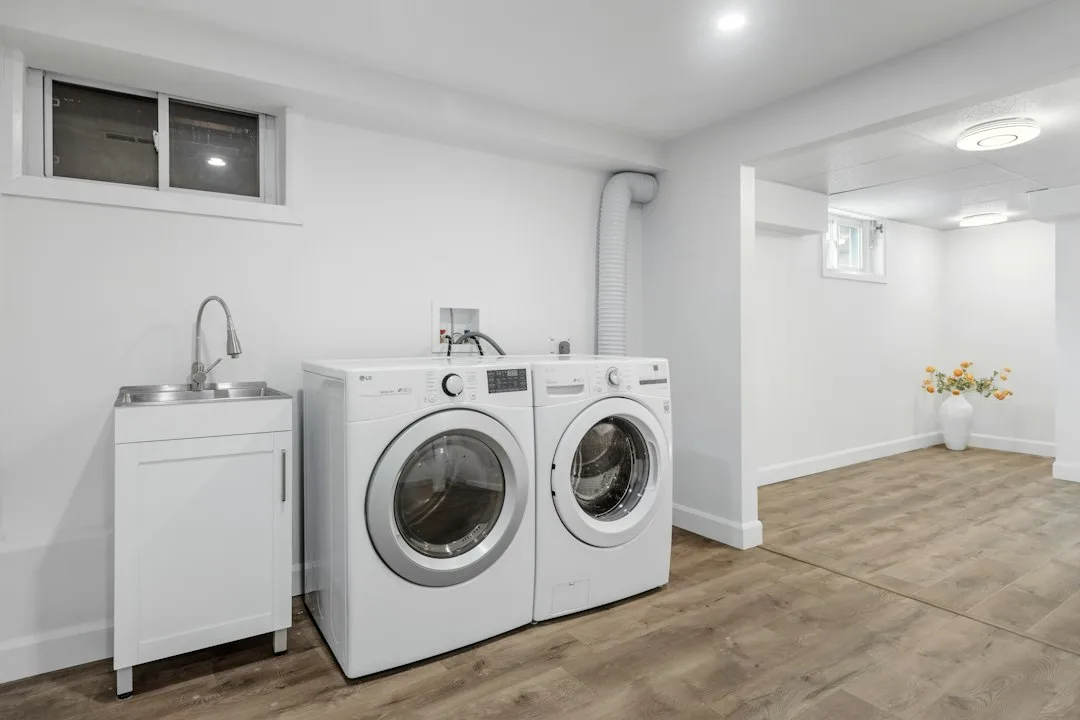
Modern basements function as living spaces—bedrooms, offices, recreation rooms—which means moisture solutions must remain invisible or aesthetic. French drains now come with decorative grates that match flooring. Dehumidifiers install into ductwork instead of sitting as appliances, with filters accessible from finished rooms only.
Waterproofing membranes applied to interior walls before drywall installation cost $4–$8 per square foot installed, but they eliminate mold growth on wall backs. Combined with proper sump, drainage, and dehumidifier systems, these layers create a three-line defense that keeps basements functional for 25+ years without moisture-related failure.
The 2026 approach integrates structural solutions (drainage, grading, sump) with environmental control (dehumidification, vapor barriers) and monitoring (smart sensors). No single product solves basement moisture alone—the system does.